Why Plug-In Hybrids Deserve a Second Look in 2026
For buyers who want electric daily commuting without range anxiety on road trips, plug-in hybrid electric vehicles (PHEVs) occupy a practical middle ground. Unlike conventional hybrids that never plug in, PHEVs carry a larger battery you can charge at home or at public stations, delivering 25 to 44 miles of electric-only driving before the gasoline engine takes over. Once the battery depletes, they operate as efficient hybrids — no charging required to keep moving.
This guide breaks down which cars plug in for real-world commuters, how they compare to full EVs and conventional hybrids, and what the 2026 federal tax credit landscape looks like under current IRS §30D rules.
HEV vs PHEV vs EV: What Actually Plugs In?
Conventional Hybrid (HEV)
Gasoline engine + small electric motor + tiny battery (~1-2 kWh). The battery recharges solely through regenerative braking and the engine. You never plug it in. Examples: Toyota Prius, Honda CR-V Hybrid. Typical combined MPG: 48-57.
Plug-In Hybrid (PHEV)
Gasoline engine + more powerful electric motor + larger battery (~13-22 kWh). You plug it in to charge the battery for electric-only driving (25-44 miles EPA). After depletion, it operates as a hybrid. Examples: Toyota RAV4 Prime, Chrysler Pacifica Hybrid, Jeep Wrangler 4xe.
Battery Electric Vehicle (BEV)
No gasoline engine. Large battery (60-100+ kWh) powers electric motors only. You always plug it in. Range: 240-400+ miles EPA. Examples: Tesla Model Y, Hyundai Ioniq 5.
The keyword distinction matters: when shoppers search for "cars plug in," they're typically looking for PHEVs or BEVs. Conventional hybrids do not plug in at all — they generate electricity internally.
Top 2026 PHEVs: Electric-Only Range, MPG, and Pricing
Here's how the leading plug-in hybrids stack up on the metrics that matter for daily commuting and road-trip efficiency.
| Model | Battery (kWh) | EV Range (EPA) | Combined MPG (after depletion) | Combined HP | Base MSRP | §30D Credit Eligibility |
|---|---|---|---|---|---|---|
| Toyota RAV4 Prime | 18.1 kWh | 42 mi | 38 MPG | 302 hp | $44,915 | Not eligible (battery sourcing) |
| Chrysler Pacifica Hybrid | 16.0 kWh | 32 mi | 30 MPG | 260 hp | $51,095 | Up to $7,500 (varies by sourcing) |
| Jeep Wrangler 4xe | 17.3 kWh | 22 mi | 20 MPG | 375 hp | $51,795 | Up to $3,750 (partial sourcing) |
| Toyota Prius Prime | 13.6 kWh | 44 mi (SE trim) | 52 MPG | 220 hp | $34,385 | Not eligible (battery sourcing) |
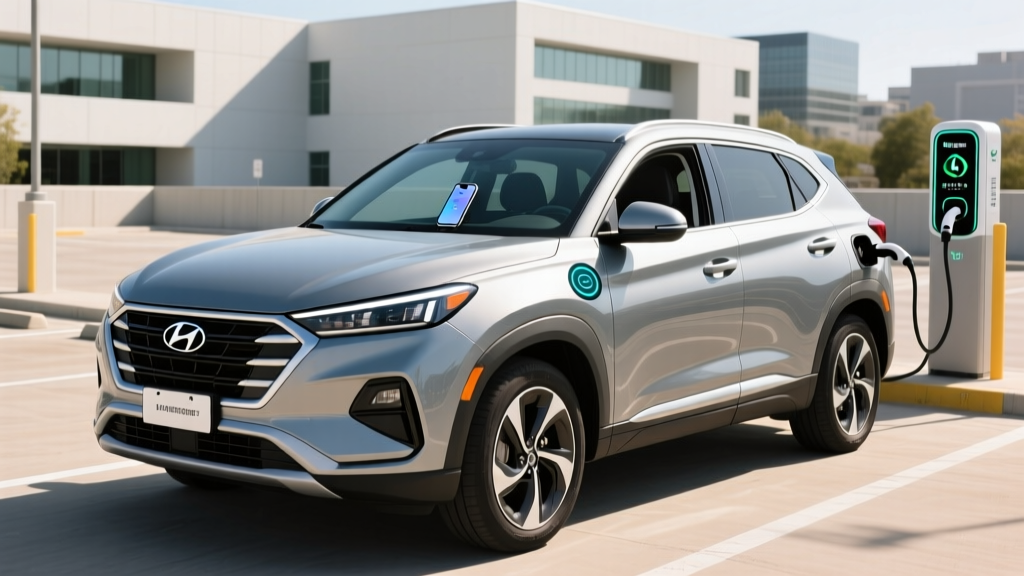
| Hyundai Tucson PHEV | 13.8 kWh | 33 mi | 35 MPG | 261 hp | $39,590 | Not eligible (MSRP/sourcing) |
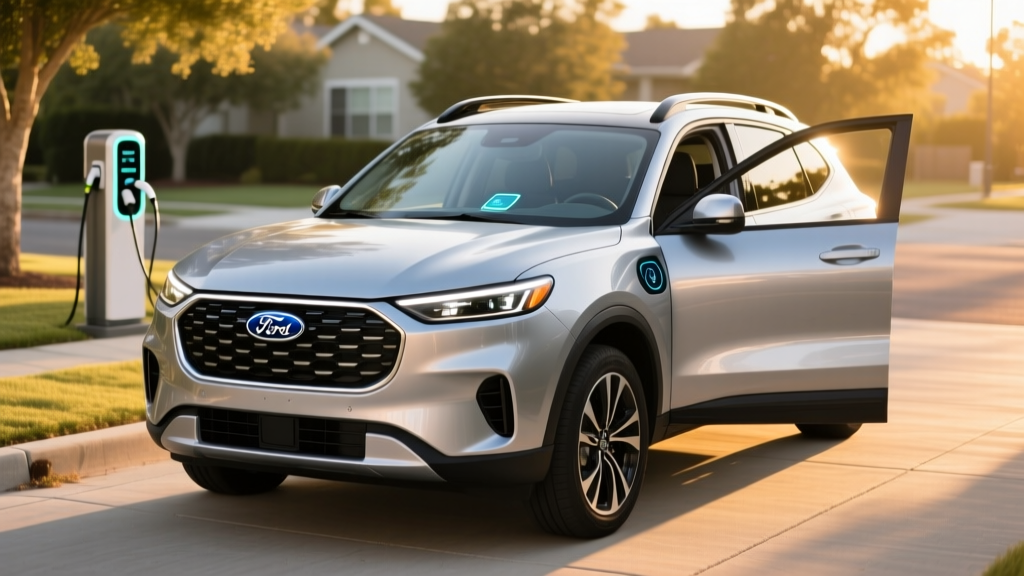
| Ford Escape PHEV | 14.4 kWh | 37 mi | 40 MPG | 210 hp | $39,500 | Not eligible (sourcing) |
Sources: EPA fueleconomy.gov, manufacturer spec sheets. §30D eligibility based on 2026 IRS rules — verify current status at fueleconomy.gov tax center before purchasing. Credit amounts depend on battery critical-mineral and component sourcing requirements, buyer income caps, and MSRP caps ($55,000 for SUVs/vans/pickups, $80,000 for sedans).
How Far Can PHEVs Really Go on Electric Only?
EPA electric-only range figures assume moderate temperatures, flat terrain, and mixed city/highway driving. Real-world results vary based on three factors:
- Cold weather: Battery chemistry loses efficiency below 40°F. Expect 20-30% range reduction in freezing conditions — a 42-mile EPA rating may deliver 29-33 miles at 25°F with cabin heating active.
- Highway speeds: Electric motors are less efficient above 65 mph. A PHEV rated for 33 electric miles might deliver 26-28 miles at sustained 75 mph interstate speeds.
- Climate control: Running A/C or heat draws from the traction battery, reducing electric range by 5-15% depending on intensity.
For context, the Toyota Prius Prime's 44-mile EPA electric range makes it viable for most one-way commutes under 20 miles, even with seasonal adjustments. The RAV4 Prime's 42-mile rating covers similar ground but in a larger, heavier SUV package.
Charging: What It Takes to Plug In a PHEV
Most PHEV owners charge at home using a standard 120V outlet (Level 1) or a 240V home charger (Level 2). Here's what to expect:
| Charging Level | Power | Time to Full (18 kWh battery) | Cost to Install |
|---|---|---|---|
| Level 1 (120V household) | 1.2-1.4 kW | 12-15 hours | $0 (included cord) |
| Level 2 (240V home charger) | 3.3-7.2 kW | 2.5-5.5 hours | $500-$2,000 |
| DC Fast Charging | N/A for most PHEVs | N/A | N/A |
Critical note: The vast majority of PHEVs do not support DC fast charging. The Mitsubishi Outlander PHEV is a rare exception, accepting up to 22 kW DC (still far slower than BEVs at 150-250 kW). For daily use, Level 2 home charging is the practical standard — plug in overnight, wake up to a full battery.
Level 2 home charger installation typically costs $500-$2,000 depending on electrical panel capacity and run length from panel to garage. A 240V/40A circuit is standard; older homes may require a panel upgrade ($1,500-$3,000 additional).
Fuel Economy: Real-World MPG vs EPA Stickers
Hybrids and PHEVs often exceed EPA city ratings in stop-and-go traffic because regenerative braking recaptures energy that gasoline-only cars waste as heat. Highway MPG tends to run closer to or slightly below EPA estimates.
For the Toyota Prius Prime, the EPA rates it at 52 MPG combined (after battery depletion). In real-world mixed driving, owners report 48-55 MPG — the variance depends on driving style, terrain, and whether the battery starts partially charged. The RAV4 Prime's 38 MPG combined rating translates to 35-40 MPG in practice.
Compare this to gasoline-only equivalents: a gas Toyota RAV4 AWD achieves 29 MPG combined. The PHEV version delivers 38 MPG after electric depletion — a 31% improvement — plus 42 miles of zero-gasoline driving when charged.
Battery Longevity, Warranty, and Replacement Costs
Hybrid/PHEV Battery Warranty Standards
Federal emissions regulations require hybrid and PHEV batteries to carry a minimum 8-year/100,000-mile warranty (10 years/150,000 miles in CARB states including California, New York, and others). Most manufacturers match or exceed this:
- Toyota: 10 years / 150,000 miles on hybrid battery
- Hyundai/Kia: 10 years / 100,000 miles
- Ford: 8 years / 100,000 miles
- Stellantis (Chrysler/Jeep): 8 years / 100,000 miles (10/150k in CARB states)
Warranties cover capacity loss below a threshold (typically 60-70% of original capacity) and manufacturing defects.
Replacement cost reality: Out-of-warranty PHEV battery replacement runs $4,000-$9,000 depending on the model and whether you source new, refurbished, or salvage units. The Prius Prime battery costs approximately $4,500-$6,000 installed; the RAV4 Prime runs $5,500-$7,500. For context, most PHEV batteries last 12-15 years before significant degradation, often outlasting the vehicle's useful life.
Degradation data from long-term owners shows PHEV batteries typically lose 10-20% capacity over 100,000 miles — meaning a 42-mile electric range might become 34-38 miles after a decade. This is less severe than early-generation BEV degradation because PHEV batteries operate in a narrower state-of-charge window (the engine kicks in before full depletion), reducing stress on cells.
Tax Credits: Which PHEVs Qualify in 2026?
The federal §30D Clean Vehicle Credit offers up to $7,500 for qualifying new PHEVs and BEVs, but eligibility has tightened significantly under the Inflation Reduction Act's battery-sourcing requirements. As of 2026:
- Battery components: Must be manufactured in North America (phasing in percentages annually)
- Critical minerals: Must be sourced from the U.S. or free-trade-agreement partners
- MSRP caps: $55,000 for sedans; $80,000 for SUVs, vans, and pickups
- Buyer income caps: $150,000 single / $300,000 joint adjusted gross income
- Point-of-sale transfer: Eligible buyers can apply the credit as a down-payment reduction at the dealer rather than waiting for tax filing
Many popular PHEVs — including the Toyota RAV4 Prime and Prius Prime — currently fail battery-sourcing requirements and do not qualify. The Chrysler Pacifica Hybrid has periodically qualified for partial or full credit depending on model year and sourcing updates. Always verify current eligibility at fueleconomy.gov before committing to a purchase.
Some states offer additional incentives: California's CVRP provides up to $2,000 for income-qualified PHEV buyers; Colorado offers a $2,500 state credit. Check your state's energy office for current programs.
Who Should Choose a PHEV vs a Full EV or Conventional Hybrid?
Choose a PHEV If:
- Your daily commute is under 40 miles round-trip and you can charge at home
- You take road trips 3+ times per year and don't want to plan around DC fast chargers
- You live in an apartment or area with limited public charging infrastructure
- You want electric commuting but aren't ready to commit to a full BEV
- You need AWD capability (most PHEV SUVs offer it) without range penalty
Choose a Full EV (BEV) If:
- You can install Level 2 home charging and rarely drive more than 250 miles in a day
- You want zero tailpipe emissions and minimal maintenance (no oil changes, fewer moving parts)
- You qualify for the full $7,500 federal credit on a BEV that meets sourcing rules
- You're comfortable with DC fast charging for road trips (15-30 minute stops every 200-250 miles)
Choose a Conventional Hybrid (HEV) If:
- You cannot charge at home or work (no garage, no outlet access)
- You want better MPG than a gas car without any behavior change
- Your budget is tighter — HEVs cost $2,000-$5,000 less than PHEV equivalents
- You drive high annual miles (20,000+) where the PHEV's electric range covers a small fraction
Frequently Asked Questions
How many MPG does a plug-in hybrid get?
After the electric battery depletes, PHEVs operate as conventional hybrids. The 2026 Toyota Prius Prime achieves 52 MPG combined EPA; the RAV4 Prime gets 38 MPG combined. Real-world results typically fall within 10% of EPA ratings, with city driving often exceeding the sticker due to regenerative braking efficiency.
How far can a PHEV go on electric only?
Current PHEVs deliver 22-44 miles of EPA-rated electric-only range. The Prius Prime leads at 44 miles (SE trim); the RAV4 Prime offers 42 miles. Real-world range drops 20-30% in freezing weather and 10-15% at sustained highway speeds above 70 mph.
Do I have to plug in a PHEV, or can I just drive it like a regular hybrid?
You can operate a PHEV without ever plugging it in — it will function as a conventional hybrid once the battery depletes. However, you forfeit the electric-only range and the fuel-cost savings that justify the PHEV's higher purchase price. Plugging in is what unlocks the efficiency advantage.
Is a PHEV battery reliable, and what does replacement cost?
PHEV batteries carry 8-10 year / 100,000-150,000 mile warranties and typically last 12-15 years with 10-20% capacity loss. Out-of-warranty replacement costs $4,000-$9,000 depending on the model. Failure rates are low — Toyota's hybrid battery track record spans two decades with millions of units in service.
Does a plug-in hybrid qualify for the $7,500 federal tax credit?
Some PHEVs qualify, but many popular models (including Toyota's PHEV lineup) do not meet 2026 battery-sourcing requirements. The Chrysler Pacifica Hybrid has qualified for partial credit in some model years. Verify current eligibility at fueleconomy.gov and consult a tax professional — income caps ($150k single / $300k joint) and MSRP caps ($55k sedans / $80k SUVs) also apply under IRS §30D rules.
Can I DC fast charge a PHEV?
Generally, no. Most PHEVs accept only Level 1 (120V) and Level 2 (240V) AC charging. The Mitsubishi Outlander PHEV is a rare exception with DC capability (up to 22 kW), but this is far slower than BEV fast charging (150-250 kW). For daily use, overnight Level 2 home charging is the practical standard.
Is a PHEV better than a full EV for my situation?
If you can charge at home, drive under 40 miles daily, and take occasional road trips where charging infrastructure is sparse, a PHEV offers the best of both worlds. If you rarely exceed 250 miles in a day, have reliable home and public charging access, and want zero tailpipe emissions, a BEV delivers lower operating costs and less maintenance. If you cannot charge at home, a conventional hybrid (HEV) is more practical than a PHEV you'll never plug in.