If you've searched "what is hybrid technology" while shopping for a new car, you're not alone. Hybrid vehicles now span everything from 50 MPG compact sedans to 800-horsepower SUVs, and the terminology can be genuinely confusing. This guide cuts through the marketing to explain exactly how hybrid powertrains work, what you'll actually spend on fuel, and whether a conventional hybrid (HEV) or plug-in hybrid (PHEV) fits your life in 2026.
The Two Types of Hybrid Technology: HEV vs PHEV
Conventional Hybrid (HEV)
- How it charges: Regenerative braking + gasoline engine (no plug)
- Battery size: 1.0–2.5 kWh (small, lightweight)
- Electric-only driving: Brief low-speed assist only (~1 mi max)
- Best for: Drivers without home charging access
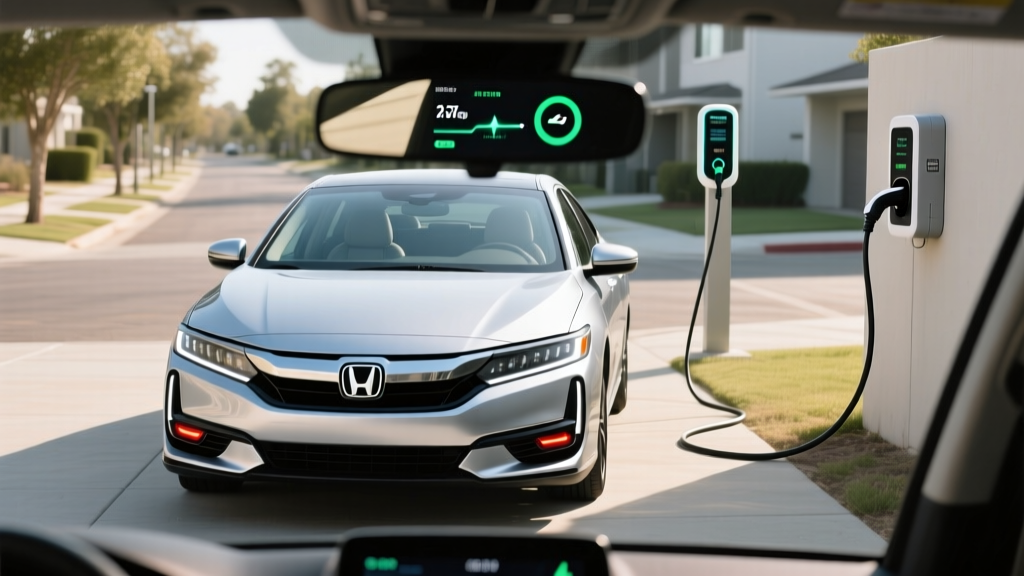
- Example: 2026 Toyota Prius, Honda Accord Hybrid
Plug-In Hybrid (PHEV)
- How it charges: Wall outlet/Level 2 charger + engine + regen
- Battery size: 13–30 kWh (larger, heavier)
- Electric-only driving: 25–50+ miles at full highway speed
- Best for: Drivers with home charging who want EV-like daily commutes
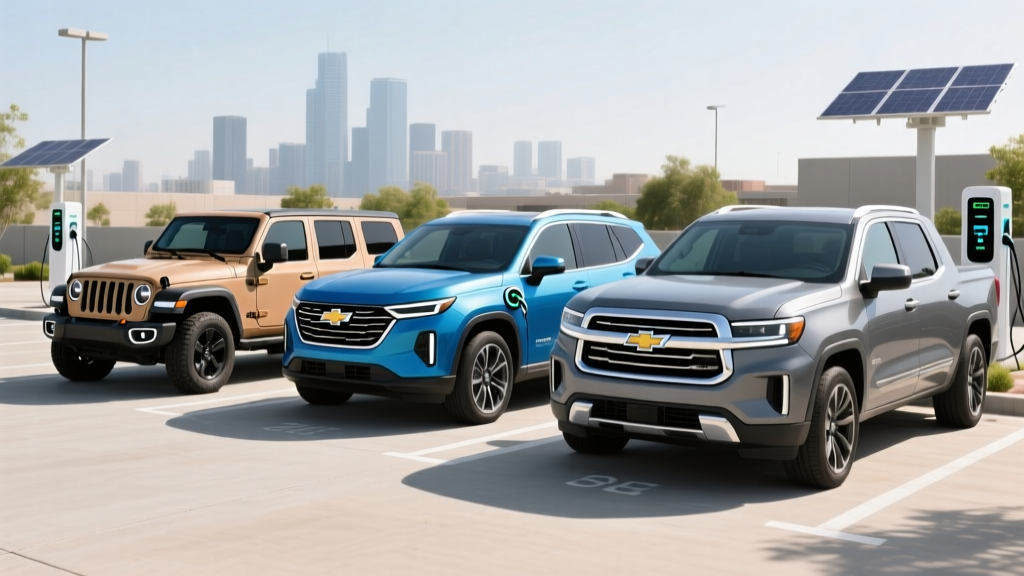
- Example: 2026 Toyota RAV4 Prime, Jeep Wrangler 4xe
The critical distinction: conventional hybrids never need to be plugged in. They generate all their electricity internally. Plug-in hybrids can operate as pure EVs for daily driving, then switch to hybrid mode for longer trips — effectively two vehicles in one.
How Hybrid Powertrains Actually Work
Every hybrid pairs a gasoline engine with at least one electric motor and a battery pack. The motor assists during acceleration (the most fuel-intensive phase), captures energy during braking (regenerative braking), and in PHEVs, can propel the vehicle entirely on electricity.
Modern hybrid systems use sophisticated power-split devices or clutch-based architectures to seamlessly blend gas and electric power. The Toyota Hybrid System (THS), now in its fifth generation, uses a planetary gearset that continuously varies the power split between engine and motor. Hyundai-Kia's TMED (Transmission-Mounted Electric Device) places the motor between the engine and a conventional automatic transmission, preserving familiar shift feel.
Powertrain Specs: What the Numbers Mean
| Vehicle (2026 Model Year) | Type | Combined HP | Engine | Battery (kWh) | 0-60 mph |
|---|---|---|---|---|---|
| Toyota Prius | HEV | 196 hp | 2.0L 4-cyl | ~1.4 kWh | 7.2 sec |
| Toyota RAV4 Prime | PHEV | 302 hp | 2.5L 4-cyl | 18.1 kWh | 5.7 sec |
| Honda Accord Hybrid | HEV | 204 hp | 2.0L 4-cyl | ~1.3 kWh | 7.5 sec |
| Chrysler Pacifica Hybrid | PHEV | 260 hp | 3.6L V6 | 16.0 kWh | 7.1 sec |
| Ford Maverick Hybrid | HEV | 191 hp | 2.5L 4-cyl | ~1.1 kWh | 8.0 sec |
Real-World Fuel Economy: EPA MPG vs What You'll Actually Get
Hybrids behave differently than gas-only cars in an important way: they often exceed their EPA city rating in real-world driving. This happens because city driving involves frequent braking and low-speed operation — exactly where regenerative braking and electric assist shine. Highway driving, by contrast, relies more heavily on the gasoline engine.
| Vehicle | EPA City | EPA Highway | EPA Combined | Real-World Expectation |
|---|---|---|---|---|
| Toyota Prius (LE) | 57 MPG | 56 MPG | 57 MPG | 52–62 MPG (city-biased drivers may exceed EPA) |
| Honda Accord Hybrid | 51 MPG | 44 MPG | 48 MPG | 44–53 MPG |
| Ford Maverick Hybrid | 42 MPG | 33 MPG | 37 MPG | 34–44 MPG |
| Toyota RAV4 Prime (hybrid mode) | 40 MPG | 36 MPG | 38 MPG | 35–42 MPG (after EV range depleted) |
| Chrysler Pacifica Hybrid (hybrid mode) | 30 MPG | 31 MPG | 30 MPG | 27–32 MPG |
Source: fueleconomy.gov (EPA estimates). Real-world figures based on aggregated owner reports and independent testing. Cold weather (below 32°F) typically reduces hybrid MPG by 5–15% due to increased engine runtime for cabin heat and reduced battery efficiency.
PHEV Electric-Only Range and Charging Times
For plug-in hybrids, the electric-only range determines whether your daily commute can be completed without burning a drop of gasoline. Most 2026 PHEVs offer 25–50 miles of EV range, enough to cover the average American's 30-mile daily round-trip commute.
| PHEV Model | Battery (kWh) | EPA EV Range | Total Range (EV + Gas) | Level 2 Charge Time | DC Fast Charge |
|---|---|---|---|---|---|
| Toyota RAV4 Prime | 18.1 kWh | 42 mi | ~600 mi | ~2.5 hours (6.6 kW) | No |
| Chrysler Pacifica Hybrid | 16.0 kWh | 32 mi | ~520 mi | ~2 hours (7.2 kW) | No |
| Jeep Wrangler 4xe | 17.3 kWh | 22 mi | ~370 mi | ~2.5 hours (7.2 kW) | No |
| Hyundai Tucson PHEV | 13.8 kWh | 33 mi | ~440 mi | ~1.75 hours (7.2 kW) | No |
A key limitation of most current PHEVs: nearly none support DC fast charging. You're limited to Level 1 (120V household outlet, ~8–12 hours for a full charge) or Level 2 (240V, ~2–3 hours). The BMW X5 xDrive50e is a rare exception, supporting up to 7.4 kW AC charging. If you need quick top-ups on road trips, a PHEV's gasoline engine handles that — but don't expect 50 kW DC charging like a full BEV.
Real-World EV Range Caveat
PHEV electric range drops in cold weather (below 40°F) by roughly 15–25%, and highway-speed driving at 75+ mph consumes energy faster than the EPA test cycle. A RAV4 Prime rated at 42 miles of EV range may deliver 30–35 miles in winter highway conditions. Plan your commute expectations accordingly.
Tax Credits: Do Hybrids Qualify?
This is where HEVs and PHEVs diverge sharply on the financial side.
Conventional hybrids (HEVs): Do NOT qualify for the federal §30D clean vehicle tax credit. The credit requires plug-in capability with a minimum battery capacity of 7 kWh. Some states offer modest hybrid rebates, but these vary widely and change frequently.
Plug-in hybrids (PHEVs): May qualify for up to $7,500 under IRS §30D, but eligibility depends on a complex set of requirements that shift regularly. As of 2026, key criteria include:
- MSRP caps: Vans, SUVs, and trucks ≤ $80,000; sedans ≤ $55,000
- Buyer income limits: AGI ≤ $150,000 (single), $225,000 (head of household), $300,000 (joint)
- Battery sourcing: Critical minerals and battery components must meet escalating domestic-content thresholds
- Point-of-sale transfer: Eligible buyers can apply the credit as an immediate dealer discount rather than waiting for tax filing
- North American assembly: Vehicle must be assembled in North America
The battery sourcing rules in particular have disqualified several PHEVs that would otherwise be eligible. Always verify current eligibility at IRS.gov before purchasing, and consult a tax professional for your specific situation.
Battery Reliability, Warranty, and Replacement Costs
Hybrid battery anxiety is understandable but largely overstated based on two decades of real-world data. Modern hybrid batteries are engineered for longevity, and failure rates are low.
Hybrid Battery Warranty Standard
Federal law mandates that hybrid battery systems carry a minimum warranty of 8 years / 100,000 miles. In CARB states (California and states adopting California emissions standards), that extends to 10 years / 150,000 miles. Many manufacturers match or exceed these minimums.
| Manufacturer | Hybrid Battery Warranty | Est. Replacement Cost (out of warranty) |
|---|---|---|
| Toyota / Lexus | 10 yr / 150,000 mi | $2,000–$4,000 (HEV); $6,000–$9,000 (PHEV) |
| Honda | 8 yr / 100,000 mi (10/150k in CARB) | $2,000–$4,500 (HEV) |
| Hyundai / Kia | 10 yr / 100,000 mi | $2,500–$5,000 (HEV); $6,000–$10,000 (PHEV) |
| Ford | 8 yr / 100,000 mi | $2,500–$5,000 (HEV); $7,000–$11,000 (PHEV) |
HEV battery replacement costs are notably lower than full EV battery replacements because the packs are far smaller (1–2 kWh vs 60–100+ kWh). Toyota Prius batteries, the most-replaced due to the model's massive fleet size and age, typically run $2,000–$3,500 for a new OEM unit. Independent shops often offer refurbished packs for $1,000–$1,800.
For PHEVs, the larger battery packs (13–18 kWh) carry higher replacement costs — typically $6,000–$11,000 out of warranty. However, most PHEVs on the road are still well within their warranty coverage window.
Data from Consumer Reports and J.D. Power consistently rank hybrid powertrains among the most reliable vehicle architectures, with Toyota's hybrid system in particular showing failure rates below 2% over 10 years of ownership.
Hybrid vs PHEV vs Full EV: Which Should You Choose?
Choose a Conventional Hybrid (HEV) If:
- You rent or live somewhere without reliable access to a charging outlet
- You want maximum MPG with zero behavioral change — just drive and refuel
- Your budget is under $35,000 and you want the lowest upfront cost
- You drive mostly in the city where hybrids achieve their best efficiency
Choose a Plug-In Hybrid (PHEV) If:
- You can install a Level 2 charger at home or have access to workplace charging
- Your daily commute is under 40 miles round-trip (you'll rarely use gas)
- You take regular road trips where EV charging infrastructure is sparse
- You want to "test drive" electric driving before committing to a full BEV
- You want a potential $7,500 federal tax credit (subject to eligibility)
Choose a Full EV (BEV) If:
- You have reliable home Level 2 charging and your daily driving is under 250 miles
- You want the lowest per-mile "fuel" cost ($0.03–$0.05/mi on home electricity vs $0.10–$0.15/mi for hybrid)
- You want zero tailpipe emissions and minimal maintenance (no oil changes, fewer moving parts)
- You can access the full $7,500 federal tax credit on a qualifying BEV
Pricing and Value: What You'll Actually Spend
Hybrid premiums over gas-only equivalents have shrunk considerably. Toyota now prices the Prius hybrid only $1,000–$2,000 above comparable Corolla gas models, and the hybrid's fuel savings typically pay back that premium within 2–3 years at current gas prices ($3.20–$3.80/gallon national average).
| Vehicle | Base MSRP (2026) | Federal Tax Credit | Effective Starting Price |
|---|---|---|---|
| Toyota Prius LE | ~$29,500 | $0 (HEV) | ~$29,500 |
| Toyota RAV4 Prime SE | ~$44,500 | Up to $7,500* | ~$37,000* |
| Honda Accord Hybrid Sport | ~$34,500 | $0 (HEV) | ~$34,500 |
| Hyundai Tucson PHEV SEL | ~$40,000 | Up to $7,500* | ~$32,500* |
*Tax credit eligibility depends on income, MSRP caps, battery sourcing rules, and North American assembly requirements per IRS §30D. Verify before purchase.
Hybrid Advantages
- 30–57 MPG combined — 40–100% better than gas equivalents
- No charging required (HEV) or optional (PHEV)
- Proven reliability with 20+ years of real-world data
- Lower upfront cost than most full EVs
- No range anxiety — gas stations everywhere
- Strong resale value (Prius, RAV4 Hybrid hold value well)
Hybrid Limitations
- Still burns gasoline — not zero tailpipe emissions
- HEVs get no federal tax credit
- Two powertrains to maintain (engine + motor/battery)
- PHEVs add weight — efficiency drops once battery depletes
- Most PHEVs lack DC fast charging
- Hybrid premium may not pay back for low-mileage drivers
Frequently Asked Questions
How many MPG does a hybrid really get?
It depends on the model and your driving mix. The 2026 Toyota Prius achieves an EPA-rated 57 MPG combined, while larger hybrids like the Ford Maverick Hybrid deliver 37 MPG combined. In real-world city driving, many owners report matching or slightly exceeding EPA estimates thanks to regenerative braking. Highway-heavy commutes will see lower numbers.
How far can a PHEV go on electric only?
Most 2026 PHEVs offer 25–42 miles of EPA-rated electric-only range. The RAV4 Prime leads at 42 miles. This covers the average American commute (roughly 30 miles round-trip). Once depleted, the vehicle operates as a conventional hybrid — you're never stranded.
Do conventional hybrids need to be plugged in?
No. Conventional hybrids (HEVs) charge their small battery entirely through regenerative braking and the gasoline engine. You never plug them in. Only plug-in hybrids (PHEVs) require or benefit from external charging.
Is hybrid battery replacement expensive?
For conventional hybrids, replacement typically costs $2,000–$5,000 out of warranty. PHEV batteries cost $6,000–$11,000 due to larger capacity. However, most hybrid batteries last well beyond their 8–10 year / 100,000–150,000 mile warranties. Toyota reports hybrid battery failure rates below 2% over a decade of ownership.
Does a hybrid qualify for any tax credit?
Conventional hybrids (HEVs) do not qualify for the federal §30D tax credit. Plug-in hybrids (PHEVs) may qualify for up to $7,500, subject to MSRP caps, buyer income limits, battery sourcing requirements, and North American assembly rules. Check IRS.gov for current eligibility. Some states offer additional rebates for both HEVs and PHEVs — consult your state's energy office.
Is a hybrid worth it if I drive very few miles per year?
If you drive under 8,000 miles per year, the hybrid fuel savings may not justify the purchase premium within a typical ownership period. At 8,000 miles/year and 50 MPG vs 30 MPG, you'd save roughly $430 annually at $3.50/gallon. A $2,500 hybrid premium would take nearly 6 years to recoup. High-mileage drivers see the fastest payback.
Can I tow with a hybrid?
Yes, with caveats. The Ford Maverick Hybrid tows up to 2,000 lbs (4,000 lbs with the tow package on gas models — hybrid towing is limited). The RAV4 Hybrid tows 1,750 lbs. Towing significantly reduces fuel economy in any vehicle, but hybrids maintain an advantage over gas equivalents even under load due to electric motor torque assist during acceleration.