If you've searched "what is a hybrid engine" while car shopping, you've likely hit a wall of marketing jargon. The reality is straightforward: a hybrid powertrain pairs a gasoline engine with one or more electric motors and a battery pack, using software to blend the two for better fuel economy, smoother acceleration, or both. But in 2026, "hybrid" covers two very different architectures — conventional hybrids (HEVs) and plug-in hybrids (PHEVs) — and choosing the wrong one can cost you thousands in missed efficiency or stranded charging expectations.
This guide uses real EPA data, current manufacturer specs, and ownership economics to explain exactly how hybrid engines work, what they deliver, and which type fits your driving life.
The Hybrid Engine Defined: Gas + Electric Working Together
A hybrid engine isn't a single component — it's an integrated system. At minimum, it includes:
- Internal combustion engine (ICE): Typically a 4-cylinder running the Atkinson or Miller cycle for efficiency over peak power.
- Electric motor(s): One or more motor-generators that can drive the wheels, assist the gas engine, or recover braking energy.
- Battery pack: Ranges from ~1 kWh (HEV) to 15–30+ kWh (PHEV), storing energy for electric assist or propulsion.
- Power control unit (PCU): The brain that decides, millisecond by millisecond, whether to burn gas, use electricity, or blend both.
The result is a vehicle that can shut off its engine at stoplights, coast on electric power at low speeds, recapture braking energy through regenerative braking, and downsize the gas engine because the electric motor fills in torque gaps. That's why a 2.5L hybrid four-cylinder can feel punchier than a non-hybrid version while sipping less fuel.
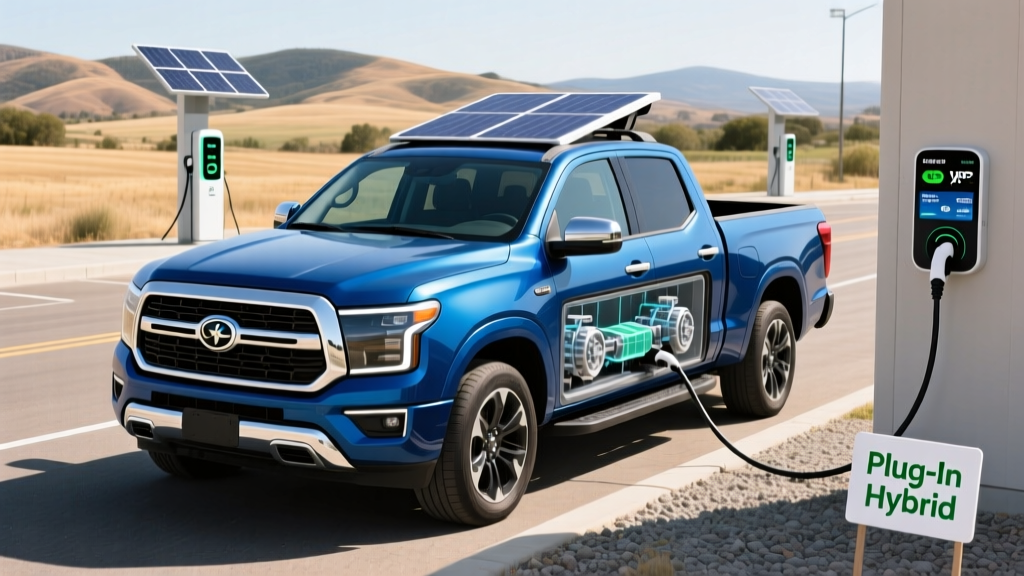
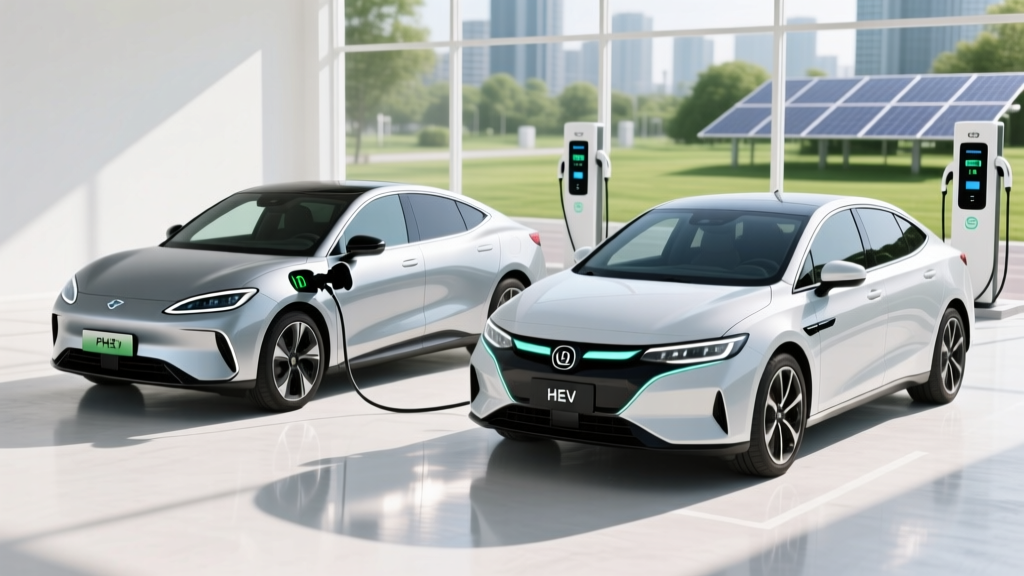
HEV vs PHEV: The Two Types of Hybrid Engines
| Attribute | Conventional Hybrid (HEV) | Plug-In Hybrid (PHEV) |
|---|---|---|
| Plugs in to charge? | No — self-charging via engine + regen | Yes — plus engine + regen |
| Battery size | 0.6–1.6 kWh (NiMH or Li-ion) | 11–30+ kWh (Li-ion, some LFP emerging) |
| Electric-only range | None (low-speed EV mode ~1 mi) | 20–50+ miles EPA |
| Primary fuel | Gasoline always | Electricity first, gasoline after battery depletes |
| DC fast charging? | No | Rarely — most are Level 2 AC only |
| Federal tax credit (§30D)? | No | Yes — up to $7,500 if eligible |
| Typical starting MSRP premium vs gas model | +$1,000–$2,500 | +$4,000–$10,000 |
The distinction matters enormously. A conventional hybrid like the 2026 Toyota RAV4 Hybrid never plugs in — you fuel it like a normal car and enjoy 39 MPG combined. A PHEV like the 2026 Toyota RAV4 Prime (if still produced under updated naming) gives you ~42 miles of electric-only driving for daily commutes, then operates as a regular hybrid once the battery depletes. Misunderstanding this split is the #1 buyer mistake in the hybrid segment.
Fuel Economy Breakdown: Real EPA Numbers
Hybrid MPG varies dramatically by vehicle class and powertrain tuning. Here's a snapshot of popular 2026 models with data from fueleconomy.gov:
| Model (2026) | Type | City MPG | Highway MPG | Combined MPG | PHEV EV Range |
|---|---|---|---|---|---|
| Toyota Prius | HEV | 57 | 56 | 57 | — |
| Toyota Prius PHEV | PHEV | 52 (hybrid mode) | 48 (hybrid mode) | 50 | 44 mi |
| Honda Accord Hybrid | HEV | 51 | 44 | 48 | — |
| Toyota RAV4 Hybrid | HEV | 41 | 38 | 39 | — |
| Ford Escape PHEV | PHEV | 40 (hybrid mode) | 37 (hybrid mode) | 39 | 37 mi |
| Hyundai Tucson PHEV | PHEV | 35 (hybrid mode) | 34 (hybrid mode) | 35 | 33 mi |
Real-world vs. EPA reality check: Hybrids routinely exceed their EPA city ratings in stop-and-go driving because regenerative braking recaptures energy that gas cars waste as heat. On the highway, the advantage shrinks — there's less braking to recapture, and the gas engine does most of the work. Expect a Prius to hit 60+ MPG in urban traffic but drop to ~48 MPG at sustained 75 mph. Cold weather (below 30°F) typically reduces hybrid fuel economy by 10–15% as the engine runs more often for cabin heat and battery conditioning.
Powertrain Deep Dive: Horsepower and How the Pieces Fit
Modern hybrid powertrains are rated by combined system horsepower — the peak output of the engine and motor(s) working together, not simply added together (they often peak at different RPMs). Examples:
- 2026 Toyota Prius HEV: 2.0L 4-cyl + 2 motor-generators = 196 hp combined (FWD). 0–60 mph in ~7.2 seconds.
- 2026 Honda Accord Hybrid: 2.0L 4-cyl + 2-motor system = 204 hp combined. 0–60 mph in ~7.5 seconds.
- 2026 Ford Escape PHEV: 2.5L 4-cyl + electric motor = 210 hp combined. 0–60 mph in ~7.8 seconds.
- 2026 Hyundai Tucson PHEV: 1.6L turbo 4-cyl + electric motor = 261 hp combined. 0–60 mph in ~6.8 seconds.
PHEVs tend to have more combined horsepower because their larger battery can deliver higher sustained electric power. The Tucson PHEV's turbo-plus-electric setup, for instance, gives it genuinely quick acceleration that its non-hybrid sibling can't match.
PHEV Battery, Charging, and Electric-Only Range
If you're considering a PHEV, the battery and charging specs define daily usability:
| Model | Battery (kWh usable) | EV Range (EPA) | Level 2 Charge Time (0–100%) | DC Fast Charge? |
|---|---|---|---|---|
| Toyota Prius PHEV | ~13.6 kWh | 44 mi | ~4 hours (3.3 kW onboard) | No |
| Ford Escape PHEV | ~14.4 kWh | 37 mi | ~3.5 hours (3.7 kW onboard) | No |
| Hyundai Tucson PHEV | ~13.8 kWh | 33 mi | ~2.5 hours (7.2 kW onboard) | No |
| Jeep Wrangler 4xe | ~17.3 kWh | 22 mi | ~2.5 hours (7.2 kW onboard) | No |
Key PHEV charging realities:
- kW vs kWh: The battery capacity is measured in kWh (energy stored). The charger delivers power in kW. A 14 kWh battery on a 3.3 kW charger takes ~4.2 hours. On a 7.2 kW charger, roughly half that.
- No DC fast charging on most PHEVs: Unlike full EVs, nearly all PHEVs use small onboard chargers (3.3–7.2 kW) and accept only AC Level 2 power. You won't find a PHEV at a 150 kW DC fast charger — they physically can't accept that rate.
- Level 1 (120V) works: With a small PHEV battery, even a standard household outlet adds ~3–5 miles of range per hour. Overnight on Level 1 can fully replenish many PHEVs.
Pricing, Tax Credits, and the Hybrid Value Equation
Hybrid pricing in 2026 has compressed significantly. The Prius starts around $28,550 MSRP, while the RAV4 Hybrid begins near $33,000 MSRP. PHEV variants command a premium:
- Toyota Prius PHEV: ~$33,500 MSRP
- Ford Escape PHEV: ~$39,500 MSRP
- Hyundai Tucson PHEV: ~$38,000 MSRP
Federal tax credit (§30D) for PHEVs: Under current IRS rules, qualifying PHEVs may be eligible for up to $7,500 in federal tax credits — but eligibility hinges on:
- Battery sourcing: Critical minerals and battery components must meet escalating domestic/free-trade-partner thresholds (check current-year IRS guidance — these thresholds tighten annually).
- MSRP caps: SUVs/vans/pickups must be ≤$80,000 MSRP; sedans ≤$55,000.
- Buyer income caps: AGI ≤$150,000 (single), ≤$300,000 (joint).
- Point-of-sale transfer: As of 2024+, you can transfer the credit to the dealer for an immediate price reduction at purchase.
Conventional HEVs do not qualify for the §30D federal credit. Some states offer their own rebates for hybrids — check your state energy office or Alternative Fuels Data Center for local incentives.
Reliability, Battery Lifespan, and Replacement Costs
Hybrid Battery Warranty Standard: Federal emissions regulations mandate that hybrid battery packs carry a minimum warranty of 8 years / 100,000 miles (10 years / 150,000 miles in CARB states including CA, NY, MA, and others). Most manufacturers match or exceed this.
Hybrid battery longevity is one of the best-documented stories in modern automotive reliability. Toyota's NiMH and Li-ion hybrid packs routinely last 150,000–200,000+ miles with minimal degradation. Why?
- Shallow cycling: HEV batteries never fully charge or discharge — the PCU keeps them between ~40–80% state of charge, dramatically reducing wear.
- Smaller batteries = less thermal stress: A 1.1 kWh Prius battery generates far less heat than a 75 kWh EV pack during charge/discharge.
- Proven chemistry: NiMH (older Toyota hybrids) is exceptionally durable; newer Li-ion packs use conservative NMC formulations.
Replacement costs if out of warranty:
- Toyota Prius HEV battery: ~$2,000–$3,500 (OEM), ~$1,000–$1,800 (remanufactured)
- Toyota RAV4 Hybrid battery: ~$3,000–$5,000 (OEM)
- PHEV battery (larger pack): ~$5,000–$9,000 depending on model and kWh capacity
In practice, most hybrid owners will sell the vehicle before the battery needs replacement. The bigger reliability variable is the inverter/PCU — a $1,500–$3,000 component that occasionally fails on higher-mileage units but is far less common than battery concerns.
Hybrid vs PHEV vs Full EV: Which Powertrain Fits You?
Choose a conventional HEV if:
- You can't charge at home (apartment, street parking, no garage outlet)
- You want zero behavior change — fuel it like a gas car, get 40–57 MPG
- Your budget is tighter and you don't want the PHEV premium
- You drive a mix of city and highway without a predictable daily commute distance
Choose a PHEV if:
- You have home charging (even a 120V outlet works overnight for most PHEVs)
- Your daily round-trip commute is under the EV range (30–45 miles)
- You want electric daily driving but need gas flexibility for road trips
- You qualify for the §30D tax credit, offsetting the price premium
Choose a full BEV (battery electric) if:
- You have reliable home Level 2 charging
- Your typical trips fit within 250+ miles of range (accounting for cold-weather loss)
- You want the lowest per-mile fuel cost and minimal maintenance
- You're ready to plan around DC fast charging for road trips
Hybrid (HEV) Pros & Cons
Pros:
- No charging needed — works with existing gas infrastructure
- 40–57 MPG real-world, especially strong in city driving
- Lower purchase price than PHEV or BEV
- Proven long-term reliability (20+ years of Prius data)
Cons:
- No electric-only driving — always burning some gasoline
- No federal tax credit eligibility
- Higher emissions than PHEV (when PHEV is charged) or BEV
- Still requires oil changes, spark plugs, and exhaust maintenance
Frequently Asked Questions
How many MPG does a hybrid really get in the real world?
EPA combined ratings for current HEVs range from 35 MPG (larger SUVs like the Highlander Hybrid) to 57 MPG (Prius). In real-world city driving with frequent stops, many drivers exceed EPA city ratings by 5–10 MPG thanks to aggressive regenerative braking. Highway driving at 75+ mph typically falls 5–10 MPG below the EPA highway figure. Cold weather (sub-30°F) reduces efficiency by 10–15% across the board.
How far can a PHEV go on electric only?
Current 2026 PHEVs deliver 22–50 miles of EPA-rated electric-only range depending on battery size and vehicle weight. The Toyota Prius PHEV leads at ~44 miles. Once the battery depletes, the vehicle seamlessly transitions to hybrid mode — you're never stranded. Total combined range (electric + gas) typically exceeds 500 miles.
Do hybrids need to be plugged in?
Conventional hybrids (HEVs) never plug in. They recharge their small battery through regenerative braking and the gas engine. Plug-in hybrids (PHEVs) benefit from plugging in — that's how you access their electric-only range — but they'll still operate as regular hybrids if you never plug them in (just with worse fuel economy and wasted potential).
Is a hybrid reliable long-term?
Yes. Toyota's Hybrid Synergy Drive has over 25 years of real-world data showing battery packs lasting 150,000–200,000+ miles. Honda, Hyundai, and Ford hybrid systems have strong track records from 2015 onward. The federal warranty mandate of 8 years/100,000 miles (10/150,000 in CARB states) provides a safety net. Consumer Reports and J.D. Power consistently rate hybrid variants as equal or more reliable than their gas-only counterparts due to reduced engine wear and no traditional starter/alternator.
Does a hybrid qualify for any tax credit?
Conventional HEVs do not qualify for the federal §30D clean vehicle credit. Qualifying PHEVs may be eligible for up to $7,500, subject to MSRP caps, buyer income limits, and battery component/critical mineral sourcing requirements that tighten each year. Check the latest rules at IRS.gov before purchasing. Some states offer additional hybrid or PHEV rebates — consult your state's energy office.
What's the total cost of ownership: hybrid vs gas vs EV?
Over 5 years / 75,000 miles, a 50 MPG hybrid like the Prius costs roughly $6,000–$7,500 in fuel (at $3.50/gal). A comparable 30 MPG gas car costs $8,750+. A BEV charging at home ($0.14/kWh average) costs ~$2,600. Factor in the hybrid's slightly higher purchase price but lower maintenance than gas (less brake wear from regen, no transmission fluid changes on eCVT designs), and the breakeven vs. gas typically occurs within 3–4 years. PHEVs with daily electric commuting can approach BEV-level fuel costs on weekdays while keeping gas flexibility for weekends.