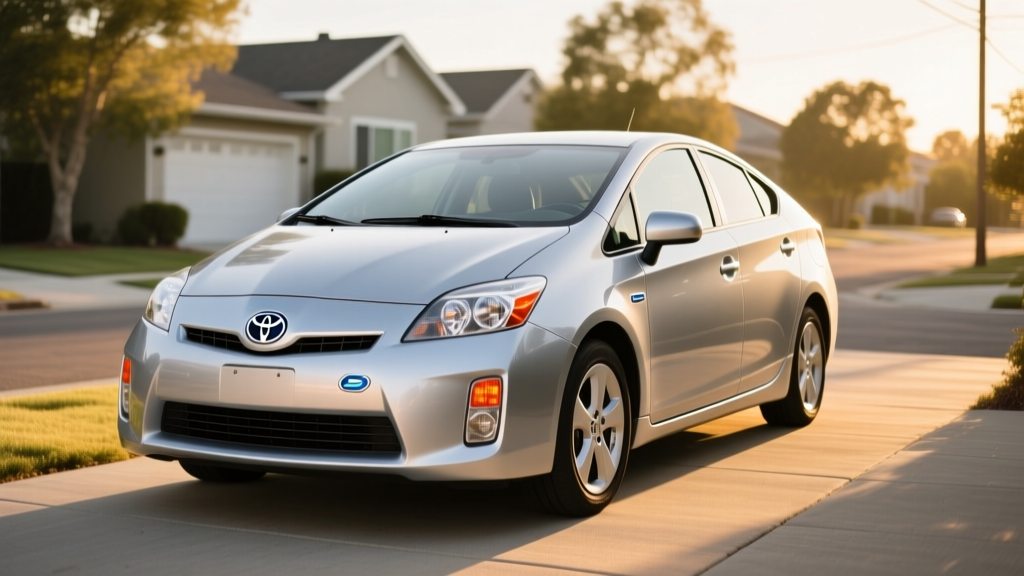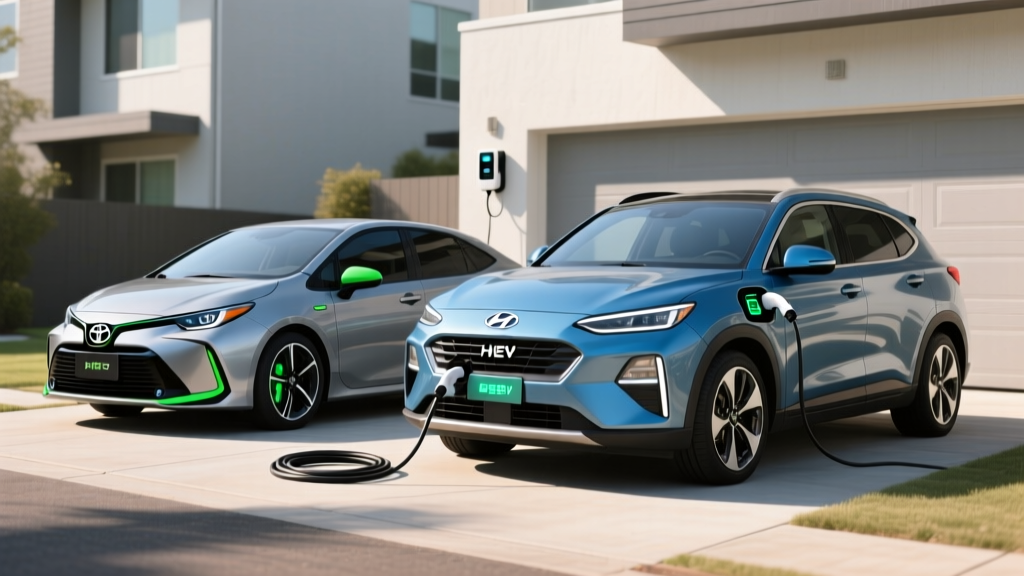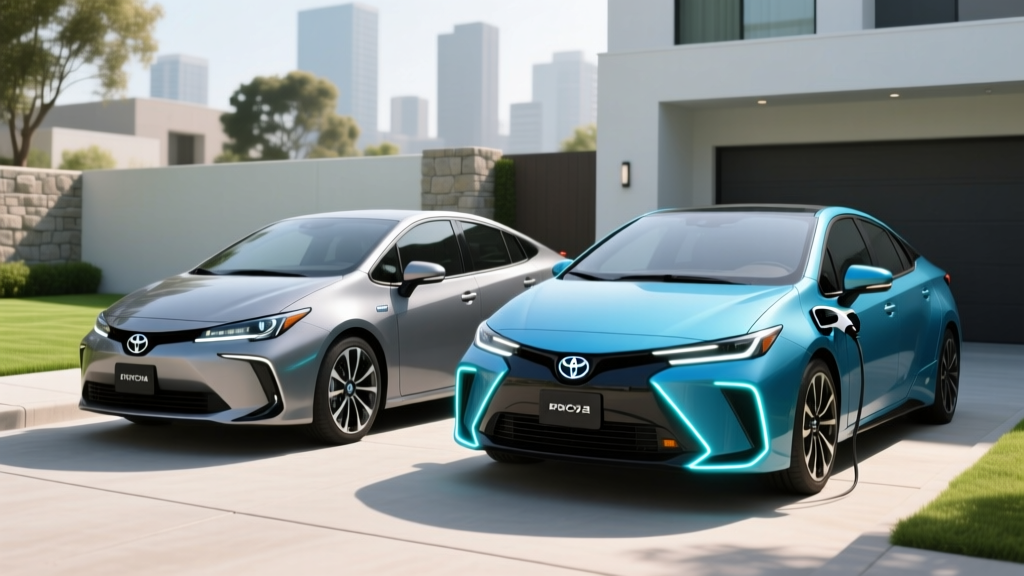
The Toyota Prius practically invented the modern hybrid segment, and its fifth-generation redesign turned it from an efficiency appliance into a genuinely desirable car. For 2026, Toyota continues offering two distinct flavors: the conventional Toyota Prius (a self-charging hybrid electric vehicle, or HEV) and the Prius Prime (a plug-in hybrid, or PHEV). Both share the same sleek fastback body and 2.0-liter hybrid powertrain, but they serve very different drivers.
If you've been searching for a "prius electric hybrid," you're likely weighing whether a conventional hybrid or a plug-in hybrid makes more sense for your commute, your budget, and your access to charging. This guide breaks down every spec that matters — EPA MPG, electric-only range, charging times, real-world efficiency, tax credit eligibility, and long-term battery reliability — so you can pick the right Prius with confidence.
HEV vs PHEV: Which Toyota Prius Electric Hybrid Is Which?
Before diving into specs, it's critical to understand the fundamental difference between the two models, because they operate differently and suit different lifestyles.
Toyota Prius (HEV)
- No plug required. The battery charges itself through regenerative braking and the gasoline engine.
- Small battery (~1.0 kWh usable). The electric motor assists the engine but cannot propel the car at highway speeds on electricity alone.
- Best for: Drivers without home charging access, apartment dwellers, or those who want maximum simplicity.
Toyota Prius Prime (PHEV)
- Plug-in capable. You can charge the larger battery from a wall outlet or Level 2 charger for electric-only driving.
- Larger battery (13.6 kWh usable). Enables up to 44 miles of EV-only range before the gasoline engine kicks in.
- Best for: Drivers with home or workplace charging who want daily electric commuting with gas-engine backup for road trips.
Neither model is a full battery-electric vehicle (BEV). Both carry a gasoline engine and will never strand you if you forget to plug in. The Prius Prime simply gives you the option of driving on electricity alone for shorter trips.
Fuel Economy: EPA MPG for Every 2026 Prius Trim
Fuel efficiency is the Prius's headline act. Below are the official EPA figures, sourced from fueleconomy.gov.
| Model / Trim | Drivetrain | City MPG | Highway MPG | Combined MPG |
|---|---|---|---|---|
| Prius LE (HEV) | FWD | 57 | 56 | 57 |
| Prius XLE / Limited (HEV) | FWD | 52 | 52 | 52 |
| Prius XLE AWD (HEV) | AWD-e | 49 | 50 | 49 |
| Prius Prime SE (PHEV) | FWD | 52 (hybrid mode) | 48 (hybrid mode) | 52 / 127 MPGe |
| Prius Prime XSE / XSE Premium (PHEV) | FWD | 50 (hybrid mode) | 47 (hybrid mode) | 50 / 121 MPGe |
MPGe explained: MPGe (miles per gallon equivalent) converts the energy in electricity to a gasoline-equivalent figure so you can compare EV-mode efficiency against gas cars. The Prius Prime's 127 MPGe applies when you're driving on its charged battery; once that depletes, it reverts to the standard hybrid MPG listed above.
Real-World MPG vs. EPA Stickers
Toyota's hybrid system excels in city driving, where regenerative braking recaptures energy at every stoplight. In real-world testing by owners and automotive publications, the Prius LE (FWD) regularly exceeds its 57 MPG combined EPA rating in urban and suburban conditions, with drivers reporting 60–65 MPG on city-heavy commutes.
Highway driving tells a different story. At sustained 75–80 mph speeds, expect the Prius LE to deliver closer to 48–52 MPG, and the heavier AWD-e model to dip into the low-to-mid 40s. Cold weather (below 35°F) typically shaves 5–10% off these numbers due to reduced battery efficiency and increased engine operation for cabin heat.
For the Prius Prime, real-world electric-only range depends heavily on temperature and driving style. In mild conditions (50–75°F) at moderate speeds, the Prime SE can stretch to 46–48 electric miles. In freezing weather or at highway speeds, expect 34–38 miles before the engine fires up.
Prius Prime Electric-Only Range and Total Range
The 2026 Prius Prime carries a 13.6 kWh lithium-ion battery pack (usable capacity). Here's how that translates to driving range:
| Spec | Prius Prime SE | Prius Prime XSE / XSE Premium |
|---|---|---|
| Battery (usable) | 13.6 kWh | 13.6 kWh |
| EPA Electric-Only Range | 44 miles | 40 miles |
| Gas Tank | 10.6 gal | 10.6 gal |
| Total Combined Range (est.) | ~550+ miles | ~530+ miles |
| EPA MPGe (EV mode) | 127 MPGe | 121 MPGe |
Why does the XSE get 4 fewer electric miles? It rides on wider 19-inch wheels and carries slightly more weight from additional equipment, which increases rolling resistance and energy consumption.
Powertrain Specs: Horsepower, Engine, and Motors
Both the Prius and Prius Prime use Toyota's fifth-generation hybrid system built around a 2.0-liter inline-4 Atkinson-cycle engine. The combined system output differs between the two:
| Spec | Prius (HEV) | Prius Prime (PHEV) |
|---|---|---|
| Engine | 2.0L I4 Atkinson | 2.0L I4 Atkinson |
| Combined System HP | 194 hp (FWD) / 196 hp (AWD-e) | 220 hp |
| 0–60 mph (est.) | ~7.2 sec (FWD) | ~6.6 sec |
| Drivetrain | FWD or AWD-e | FWD only |
| Transmission | eCVT | eCVT |
The Prius Prime's extra 26 horsepower comes from a more powerful drive motor paired with the larger battery, which can deliver more current. The result is noticeably quicker acceleration — the Prime feels genuinely brisk merging onto highways, a far cry from the original Prius's reputation for sluggishness.
The AWD-e option on the conventional Prius adds a rear-mounted electric motor (no mechanical driveshaft) that engages automatically during acceleration from stops and in low-traction conditions. It's not a full-time AWD system, but it provides meaningful extra grip in rain and light snow.
Charging the Prius Prime: Times, Levels, and DC Fast Charging
Only the Prius Prime needs (or benefits from) plugging in. The conventional Prius HEV charges its small battery entirely through regenerative braking and the engine — you never plug it in.
| Charging Level | Power (kW) | 0–100% Time | Notes |
|---|---|---|---|
| Level 1 (120V household outlet) | ~1.4 kW | ~11 hours | Useful for overnight top-ups; too slow for daily full charges if you drain the battery completely. |
| Level 2 (240V home / public) | ~3.3 kW (onboard charger limit) | ~4 hours | Ideal for home or workplace charging. A full charge overnight is effortless. |
| DC Fast Charging | Not supported | N/A | The Prius Prime does NOT have a DC fast-charge port. CCS/NACS chargers cannot be used. |
Key takeaway: The Prius Prime's 3.3 kW onboard charger is relatively modest. That's fine for overnight home charging or a full workday at an office Level 2 station, but it means you won't benefit from public DC fast chargers. If you regularly need quick top-ups on road trips, a full BEV or a PHEV with DC capability (like the Chrysler Pacifica Hybrid) may serve you better. That said, most Prius Prime owners charge overnight at home and rarely need public charging at all.
Pricing, Tax Credits, and Incentives
Here's where the HEV vs. PHEV decision gets financial.
| Trim | MSRP (2026 est.) |
|---|---|
| Prius LE (HEV) | ~$29,445 |
| Prius XLE (HEV) | ~$32,695 |
| Prius Limited (HEV) | ~$35,895 |
| Prius Prime SE (PHEV) | ~$34,595 |
| Prius Prime XSE (PHEV) | ~$37,395 |
| Prius Prime XSE Premium (PHEV) | ~$40,565 |
Federal Tax Credit for the Prius Prime (PHEV)
Under current IRS §30D clean vehicle credit rules, the Prius Prime may qualify for up to $7,500 in federal tax credits — but eligibility is not automatic. You must satisfy all of the following:
- Income cap: Modified adjusted gross income (MAGI) must not exceed $150,000 (single), $225,000 (head of household), or $300,000 (joint filers).
- MSRP cap: The vehicle MSRP must be $55,000 or below (sedans). All Prius Prime trims currently clear this bar.
- Battery sourcing: A percentage of critical minerals and battery components must be sourced from the U.S. or free-trade-agreement countries. These thresholds increase annually. For 2026, verify current compliance on the IRS clean vehicle credit page, as supply chains shift.
- Point-of-sale transfer: As of 2024, buyers can transfer the credit to the dealer at purchase, reducing the vehicle's price upfront rather than waiting to claim it on their tax return.
The conventional Prius HEV does not qualify for the §30D federal credit — it's only available for plug-in vehicles with at least 7 kWh of battery capacity.
Important: Tax credit rules change frequently. Always verify eligibility with a tax professional and the IRS §30D page before purchasing. Some states (California, Colorado, New York, and others) offer additional PHEV rebates of $1,000–$4,000 — check your state energy office for current programs.
Battery Warranty, Reliability, and Replacement Cost
How Long Do Prius Hybrid Batteries Actually Last?
Toyota's hybrid battery longevity track record is among the best in the industry. Data from fleet operators and long-term owners consistently shows Prius hybrid batteries lasting 150,000–250,000+ miles before needing replacement, and many original batteries are still in service at 200,000+ miles. The Prius Prime's larger battery operates at lower stress (shallower depth of discharge in hybrid mode), which tends to support similar or better longevity.
If replacement is eventually needed out of warranty, expect costs in the range of:
- Prius HEV battery replacement: $2,000–$3,500 (refurbished/aftermarket) or $3,500–$5,000 (new OEM)
- Prius Prime PHEV battery replacement: $4,000–$7,000 (new OEM), given the larger capacity
Toyota's overall reliability ratings remain strong. NHTSA and IIHS have historically given the Prius strong safety scores, and the fifth-generation model carries Toyota Safety Sense 3.0 (pre-collision, lane-keeping, adaptive cruise, and more) as standard equipment across all trims.
Prius vs Prius Prime vs Full EV: Which Should You Buy?
Choose the Toyota Prius (HEV) if:
- You don't have access to home or workplace charging.
- You want the lowest purchase price and simplest ownership experience.
- Your commute is long (60+ miles/day) and mostly highway — the HEV's consistent 50+ MPG is hard to beat without plugging in.
- You want AWD-e for inclement weather (not available on the Prime).
Choose the Toyota Prius Prime (PHEV) if:
- You can charge at home (even a standard 120V outlet works for overnight top-ups).
- Your daily round-trip commute is under ~40 miles — you could drive months without visiting a gas station.
- You want the performance boost (220 hp vs. 194 hp) and the potential $7,500 federal tax credit.
- You still want gas-engine flexibility for road trips without range anxiety.
Choose a Full EV (like a Tesla Model 3 or Hyundai Ioniq 6) if:
- You have reliable home Level 2 charging and your daily driving is under 250 miles.
- You want zero tailpipe emissions and the lowest per-mile fuel cost.
- You're ready to eliminate oil changes and engine maintenance entirely.
- You can access DC fast charging for road trips.
Prius HEV — Pros
- Up to 57 MPG combined — best-in-class efficiency
- No plug required — zero lifestyle change
- AWD-e available for snow/rain
- Lowest starting price (~$29,445)
- Proven long-term reliability
Prius HEV — Cons
- No federal tax credit
- No meaningful electric-only driving
- Rear seat headroom limited by fastback roofline
- Cargo space modest (~20 cu ft)
Prius Prime — Pros
- Up to 44 miles electric-only range
- 220 hp — genuinely quick
- Eligible for up to $7,500 federal credit
- Gas engine backup eliminates range anxiety
- 127 MPGe in EV mode
Prius Prime — Cons
- No DC fast charging
- No AWD option
- Higher starting price (~$34,595)
- ~11 hours on Level 1 (slow without Level 2)
Frequently Asked Questions
How many MPG does the 2026 Toyota Prius get?
The most efficient trim, the Prius LE (FWD), is EPA-rated at 57 city / 56 highway / 57 combined MPG. Higher trims (XLE, Limited) are rated at 52 combined, and the AWD-e variant at 49 combined. In real-world city driving, many owners report exceeding the EPA combined figure by 3–8 MPG.
How far can the Prius Prime go on electric only?
The Prius Prime SE is EPA-rated for 44 miles of electric-only range; the XSE and XSE Premium are rated for 40 miles. Real-world results vary: expect 34–38 miles in cold or highway-heavy conditions and up to 46–50 miles in mild-weather city driving.
Does the Toyota Prius qualify for a tax credit?
The conventional Prius (HEV) does not qualify for the federal §30D clean vehicle credit because it has no plug. The Prius Prime (PHEV) may qualify for up to $7,500 depending on your income, the vehicle's battery sourcing compliance, and current IRS rules. Always verify at IRS.gov before purchasing.
Is the Prius hybrid battery reliable, and what does replacement cost?
Toyota covers the hybrid battery for 10 years / 150,000 miles. Real-world data shows most Prius batteries lasting 150,000–250,000+ miles. If replacement is needed out of warranty, expect $2,000–$5,000 for the HEV and $4,000–$7,000 for the Prime, depending on whether you choose refurbished or new OEM.
Do I need to plug in the regular Toyota Prius?
No. The conventional Prius (HEV) is a self-charging hybrid — its small battery is replenished through regenerative braking and the gasoline engine. You never plug it in. Only the Prius Prime (PHEV) benefits from plugging in.
Can the Prius Prime use DC fast chargers?
No. The Prius Prime does not support DC fast charging (CCS, NACS, or CHAdeMO). It charges via Level 1 (120V, ~11 hours) or Level 2 (240V, ~4 hours). This is typical for most PHEVs with smaller batteries.
Hybrid vs PHEV vs EV — which fits me?
Choose an HEV (regular Prius) if you can't charge at home and want maximum MPG with zero behavior change. Choose a PHEV (Prius Prime) if you can charge at home and want electric-only commuting with gas backup. Choose a full EV if you have home charging, drive under 250 miles daily, and want the lowest operating cost with no gasoline engine maintenance.