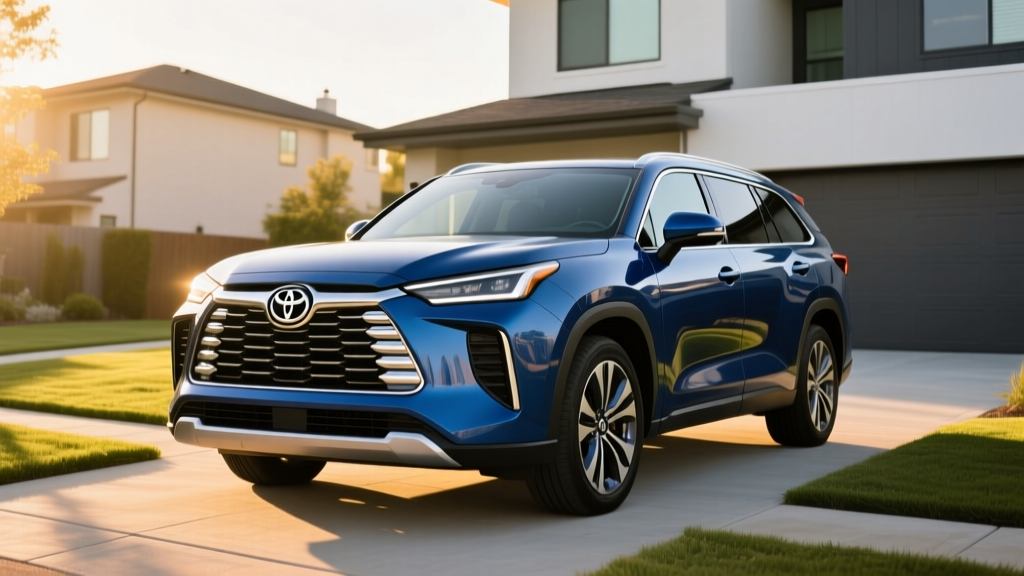
The Toyota Corolla Hybrid occupies a specific niche in the electrified-vehicle landscape: it's a conventional hybrid electric vehicle (HEV) that requires zero lifestyle changes. No plug, no range anxiety, no charging-app subscriptions. You fill it with gas and drive. For 2026, Toyota continues to offer the Corolla Hybrid with its proven fifth-generation hybrid powertrain, all-wheel-drive availability, and a price point that undercuts most electrified competitors.
But does a conventional hybrid still make sense when plug-in hybrids and full EVs dominate the headlines? This guide covers every number that matters — EPA and real-world MPG, powertrain output, battery longevity, warranty terms, and total cost of ownership — so you can decide whether the Corolla Hybrid fits your driving pattern or whether you should look at a PHEV or BEV instead.
HEV vs PHEV vs EV: Where the Corolla Hybrid Fits
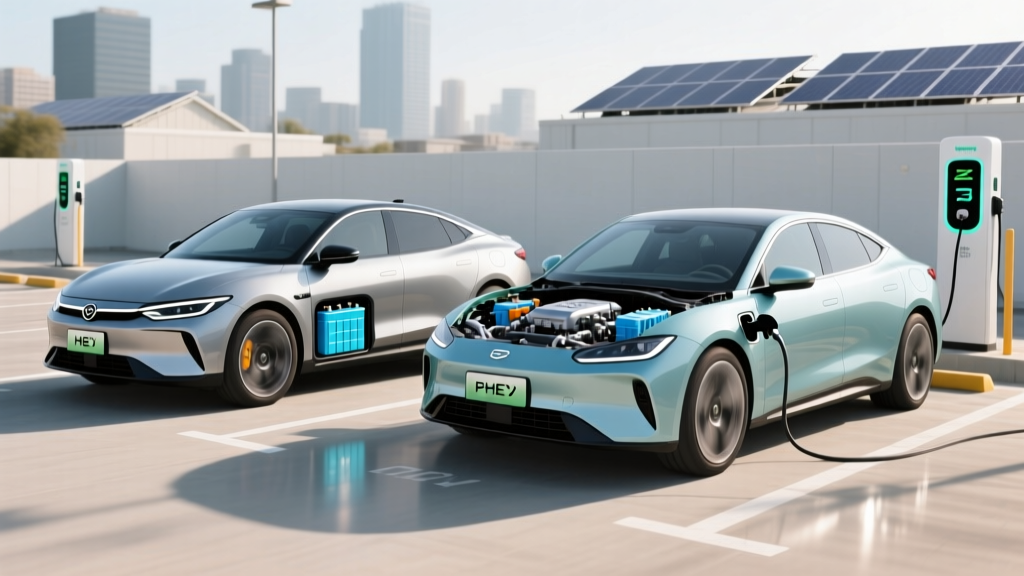
Before examining the specs, it's critical to understand what the Corolla Hybrid is not. It is a conventional hybrid (HEV), not a plug-in hybrid. That distinction changes everything about how you use it.
HEV vs PHEV vs BEV — Quick Reference
| Feature | HEV (Corolla Hybrid) | PHEV (e.g., Prius Prime) | BEV (e.g., Tesla Model 3) |
|---|---|---|---|
| Plugs in? | No | Yes | Yes |
| Electric-only range | ~0.5 mi at low speed | 25–45 mi typical | 250–350+ mi |
| Fuel source | Gasoline only | Gasoline + grid electricity | Grid electricity only |
| Federal tax credit (§30D) | Not eligible | Up to $7,500 (if eligible) | Up to $7,500 (if eligible) |
| Home charging needed? | No | Recommended | Essential |
| Battery size | ~1.0 kWh (small buffer) | 13–18 kWh usable | 50–85 kWh usable |
The Corolla Hybrid recovers energy through regenerative braking and engine-driven generation, storing it in a small traction battery that assists the gas engine during acceleration and enables brief electric-only movement at very low speeds. You never plug it in. You never need to think about charging. The car manages everything automatically.
2026 Corolla Hybrid Powertrain and Performance Specs
Toyota's fifth-generation hybrid system pairs a 1.8-liter four-cylinder Atkinson-cycle engine with one or two motor-generators, depending on drivetrain configuration. The result is adequate power with exceptional efficiency.
| Specification | FWD (LE) | AWD (SE/XLE) |
|---|---|---|
| Engine | 1.8L 4-cyl Atkinson | 1.8L 4-cyl Atkinson |
| Combined net horsepower | 138 hp | 138 hp |
| 0–60 mph (est.) | ~9.2 sec | ~9.5 sec |
| Drivetrain | Front-wheel drive | Electronic AWD (rear motor) |
| Hybrid battery | ~1.0 kWh lithium-ion | ~1.0 kWh lithium-ion |
| Transmission | eCVT | eCVT |
| Base MSRP | ~$23,500 | ~$26,000 |
The AWD system uses a separate rear-mounted electric motor (MM) that engages automatically during acceleration from a stop and in low-traction conditions. It does not provide a continuous torque split like a mechanical AWD system — it's an on-demand assist, which keeps weight and complexity down while still improving launch traction in rain and light snow.
EPA Fuel Economy and Real-World MPG
Fuel economy is the entire reason the Corolla Hybrid exists. Here are the official EPA numbers as published on fueleconomy.gov:
| Trim / Drivetrain | City MPG | Highway MPG | Combined MPG |
|---|---|---|---|
| LE (FWD) | 53 | 46 | 50 |
| SE (AWD) | 47 | 41 | 44 |
| XLE (AWD) | 47 | 41 | 44 |
Real-World MPG: What Owners Actually See
Conventional hybrids frequently exceed their EPA city rating in stop-and-go traffic because regenerative braking recovers energy that gas-only cars waste as heat. On the Corolla Hybrid FWD, many owners report 54–58 MPG in urban commuting during mild weather. However, highway driving at 75+ mph drops efficiency because the electric motor provides less assist at sustained high speed and aerodynamic drag dominates. Expect 40–44 MPG on long interstate trips in the FWD model. Cold weather (below 30°F) reduces fuel economy by roughly 5–10% due to increased engine run time for cabin heating and reduced battery efficiency.
For context, the non-hybrid 2026 Corolla gas model achieves approximately 32 combined MPG. The hybrid's 50 combined MPG (FWD) represents a 56% improvement in fuel consumption, which translates to roughly $500–$650 in annual fuel savings at 15,000 miles/year and $3.30/gallon regular unleaded.
Battery Warranty, Lifespan, and Replacement Cost
Hybrid battery longevity remains the single biggest concern for buyers considering a used or high-mileage Corolla Hybrid. Here's what Toyota provides and what the data shows.
Toyota Hybrid Battery Warranty
- Hybrid battery coverage: 10 years / 150,000 miles (whichever comes first)
- Hybrid system components: 8 years / 100,000 miles
- Capacity retention threshold: Toyota does not publish a specific degradation percentage trigger, but warranty covers defects and abnormal capacity loss
- Transferability: Fully transferable to subsequent owners
Toyota's hybrid batteries in the Corolla are small (~1.0 kWh) and operate within a narrow state-of-charge window — typically between 40% and 80% SoC. The car's computer never allows full charges or deep discharges, which is the primary reason these batteries last 150,000–200,000+ miles in practice. Toyota's Prius fleet has demonstrated hybrid battery survival well past 200,000 miles in taxi and rideshare service, and the Corolla Hybrid uses the same fundamental architecture.
If a replacement is needed out of warranty, a new OEM hybrid battery for the Corolla Hybrid costs approximately $2,500–$3,500 including labor. Refurbished/reconditioned units from third-party suppliers run $1,500–$2,200. This is dramatically less than a full EV battery replacement ($8,000–$18,000) because the hybrid battery is small and simple.
Pricing, Trims, and Tax Credit Eligibility
The 2026 Corolla Hybrid is offered in three trims. Here's the approximate MSRP breakdown (destination charges add ~$1,095):
- LE (FWD): ~$23,500 — the efficiency champion, 50 MPG combined
- SE (AWD): ~$26,000 — sport-tuned suspension, AWD, 44 MPG combined
- XLE (AWD): ~$28,500 — premium interior, SofTex seats, AWD, 44 MPG combined
Federal Tax Credit: Not Eligible
The Corolla Hybrid is a conventional hybrid (HEV), not a plug-in vehicle. Under IRS §30D rules, the federal clean vehicle credit applies only to plug-in electric vehicles (BEVs and PHEVs) with sufficient battery capacity. The Corolla Hybrid does not qualify for the $7,500 federal tax credit, nor does it qualify for most state EV rebates that require plug-in capability. Some states offer modest hybrid incentives (typically $250–$500), but these vary by jurisdiction — check your state's energy office for current programs.
Despite the lack of federal incentives, the Corolla Hybrid's low base price keeps it competitive. A comparably equipped gas-only Corolla LE starts around $22,500 — meaning the hybrid premium is roughly $1,000, which most drivers will recoup in fuel savings within 18–24 months.
Who Should Choose the Corolla Hybrid vs a PHEV or Full EV?
The Corolla Hybrid isn't the right electrified vehicle for everyone. Here's a practical decision framework:
Choose the Corolla Hybrid (HEV) If:
- You have no access to home or workplace charging (apartment, street parking, no garage)
- You want zero behavior change — no apps, no plug-in routines, no charging-station hunting
- Your budget is under $28,000 and you want maximum fuel savings per dollar
- You drive 12,000–20,000 miles/year and want to minimize fuel cost without a high upfront price
- You want Toyota's long-proven hybrid reliability track record
Consider a PHEV (Prius Prime, RAV4 Prime) Instead If:
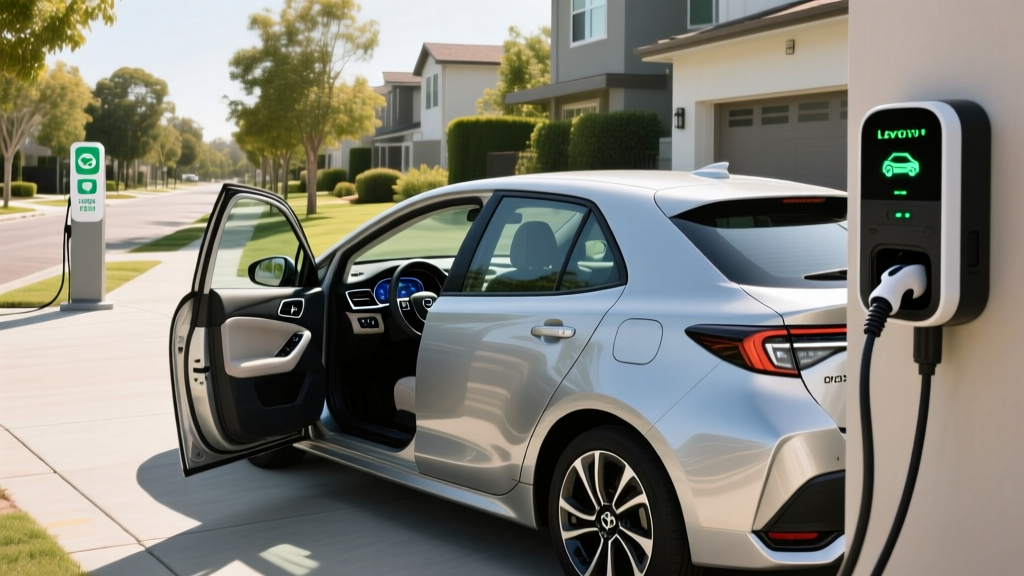
- You can charge at home (Level 1 outlet is sufficient for PHEVs)
- Your daily commute is under 40 miles round-trip — a PHEV covers that on electricity alone
- You want to qualify for the $7,500 federal tax credit (subject to income and sourcing rules)
- You want the option to drive electric most days but still take gas-powered road trips
Consider a Full EV (Model 3, Ioniq 6, Equinox EV) Instead If:
- You have reliable home Level 2 charging and your daily driving is under 250 miles
- You want to eliminate gasoline entirely and minimize per-mile fuel cost
- You want the lowest maintenance costs (no oil changes, no engine air filters, fewer moving parts)
- You want access to HOV lanes, state rebates, and the full $7,500 federal credit (eligibility dependent)
Ownership Costs: 5-Year Projection
To put the Corolla Hybrid's value in perspective, here's a simplified 5-year / 75,000-mile cost comparison against the gas-only Corolla and a representative EV:
| Cost Category | Corolla Hybrid LE | Corolla Gas LE | Tesla Model 3 RWD |
|---|---|---|---|
| Purchase price (MSRP) | $23,500 | $22,500 | $38,990 |
| Federal tax credit | $0 | $0 | −$7,500* |
| Fuel / energy (75k mi) | $4,950 | $7,735 | $2,250 |
| Maintenance (est.) | $2,200 | $2,800 | $1,200 |
| Net 5-year cost | $30,650 | $33,035 | $34,940 |
*Tax credit eligibility depends on buyer income, vehicle sourcing, and MSRP caps per IRS §30D. Fuel costs based on $3.30/gal regular and $0.15/kWh national average electricity. Actual costs vary by region and driving pattern.
The Corolla Hybrid wins on lowest total out-of-pocket cost over five years, primarily because its low purchase price doesn't require recouping a premium. The EV saves more per mile on fuel but starts from a significantly higher price. The gas Corolla costs the most over time due to fuel consumption.
Pros, Cons, and the Bottom Line
Pros
- 53 city / 50 combined MPG (FWD LE) — class-leading
- No plug-in charging required — zero lifestyle change
- ~$1,000 hybrid premium pays back in under 2 years
- 10-year / 150,000-mile hybrid battery warranty
- AWD available on SE and XLE trims
- Toyota Safety Sense 3.0 standard (AEB, lane-keep, adaptive cruise)
- Proven powertrain with millions of miles of fleet data
Cons
- Not eligible for $7,500 federal tax credit
- ~9.2-second 0–60 time — noticeably slow for highway merging
- eCVT drone under hard acceleration (no stepped gears)
- AWD trims drop to 44 MPG combined
- Tight rear seat and modest 13.1 cu-ft trunk
- No DC fast charging capability (it's an HEV — not applicable)
- Infotainment functional but dated vs competitors
The 2026 Toyota Corolla Hybrid is the most financially rational choice for drivers who want to cut fuel costs without altering their routine. It won't win a stoplight race, and it won't qualify for federal EV incentives. But at 50 MPG combined, under $25,000 to start, and with a battery warranty that outlasts most ownership periods, it remains the default answer for anyone who asks, "What's the cheapest car to own that I never have to plug in?"
Frequently Asked Questions
How many MPG does the Corolla Hybrid actually get?
The EPA rates the FWD Corolla Hybrid LE at 53 city / 46 highway / 50 combined MPG. In real-world city driving with frequent stops, many owners see 54–58 MPG thanks to aggressive regenerative braking. Highway driving at 75+ mph drops to approximately 40–44 MPG. AWD trims are rated at 47 city / 41 highway / 44 combined.
Does the Corolla Hybrid need to be plugged in?
No. The Corolla Hybrid is a conventional HEV. Its small battery charges exclusively through regenerative braking and engine-driven generation. You simply fill it with gasoline like any other car.
Is the Corolla Hybrid reliable, and what does a battery replacement cost?
Toyota's hybrid system is among the most proven in the industry, with the Prius platform accumulating billions of real-world miles. The hybrid battery is warrantied for 10 years / 150,000 miles. Out-of-warranty replacement runs $2,500–$3,500 for a new OEM unit or $1,500–$2,200 for a refurbished pack. Most hybrid batteries outlast 200,000 miles based on fleet data.
Does the Corolla Hybrid qualify for any tax credit?
The Corolla Hybrid does not qualify for the federal §30D clean vehicle credit, which requires plug-in capability and minimum battery capacity. Some states offer small hybrid incentives ($250–$500), but these vary widely. Check your state energy office or the Alternative Fuels Data Center for current state-level programs.
Should I buy the Corolla Hybrid or a Prius instead?
The 2026 Prius (up to 57 MPG combined, 196 hp available) is more efficient and significantly quicker, but starts around $28,500 — roughly $5,000 more than the Corolla Hybrid LE. If budget is the priority, the Corolla Hybrid delivers nearly identical real-world efficiency at a lower price. If you want more power, a hatchback cargo area, or available PHEV capability (Prius Prime, 44 miles electric-only), the Prius line is worth the premium.
How does the Corolla Hybrid compare to a full EV on cost?
Over five years and 75,000 miles, the Corolla Hybrid typically has the lowest total cost of any electrified vehicle due to its sub-$24,000 starting price, even though per-mile fuel costs are higher than an EV's. An EV like the Model 3 saves ~$2,700 more on fuel over that period but costs $8,000–$15,000 more upfront (even after the $7,500 credit). The math favors the Corolla Hybrid unless you drive well over 20,000 miles per year or electricity in your area is very cheap.