Quick Verdict: The Avalon Hybrid's Place in 2026
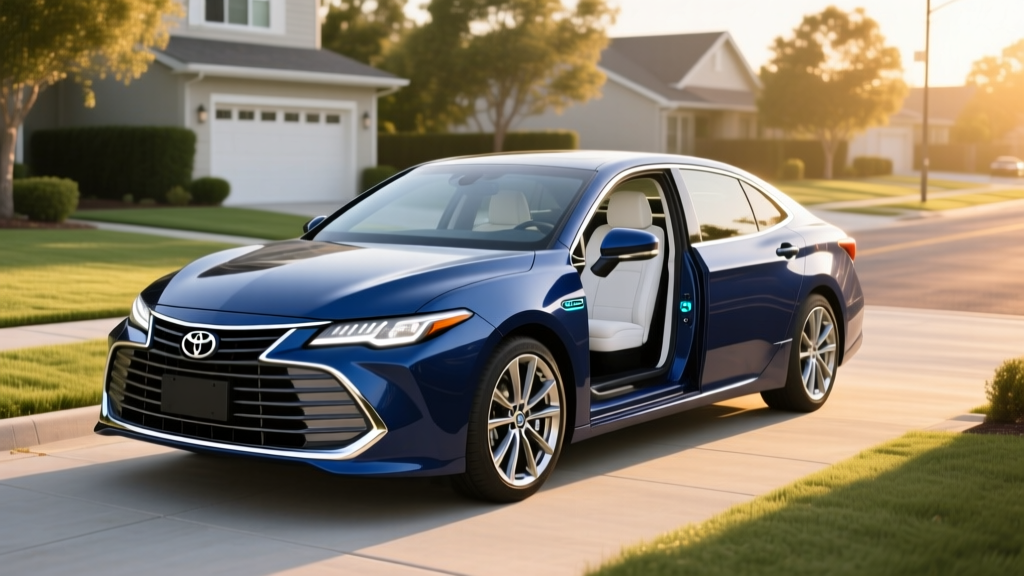
The Toyota Avalon Hybrid was discontinued after the 2022 model year when Toyota retired the Avalon nameplate in the U.S. market. But in 2026, it remains one of the most sought-after used full-size hybrid sedans — and for good reason. With an EPA-rated 44 MPG combined, a proven 2.5-liter four-cylinder hybrid powertrain, and Toyota's hybrid battery warranty, the avalon hybrid toyota continues to deliver sedan comfort with hybrid efficiency at a used-market price point that undercuts new hybrid alternatives like the Toyota Crown or Hyundai Sonata Hybrid.
This guide covers everything a 2026 buyer needs: real-world MPG, the HEV vs. PHEV distinction (the Avalon is a conventional hybrid, not a plug-in), battery longevity, reliability data, and whether this discontinued model still makes financial sense versus a new hybrid or full EV.
HEV vs. PHEV: Where the Avalon Hybrid Fits
Conventional Hybrid (HEV): The Toyota Avalon Hybrid is a self-charging hybrid. It has a small 1.6 kWh nickel-metal hydride (NiMH) battery that charges through regenerative braking and the gasoline engine. You never plug it in. It cannot drive on electric power alone for meaningful distances — the electric motor assists the gas engine and enables brief EV-mode creep at low speeds.
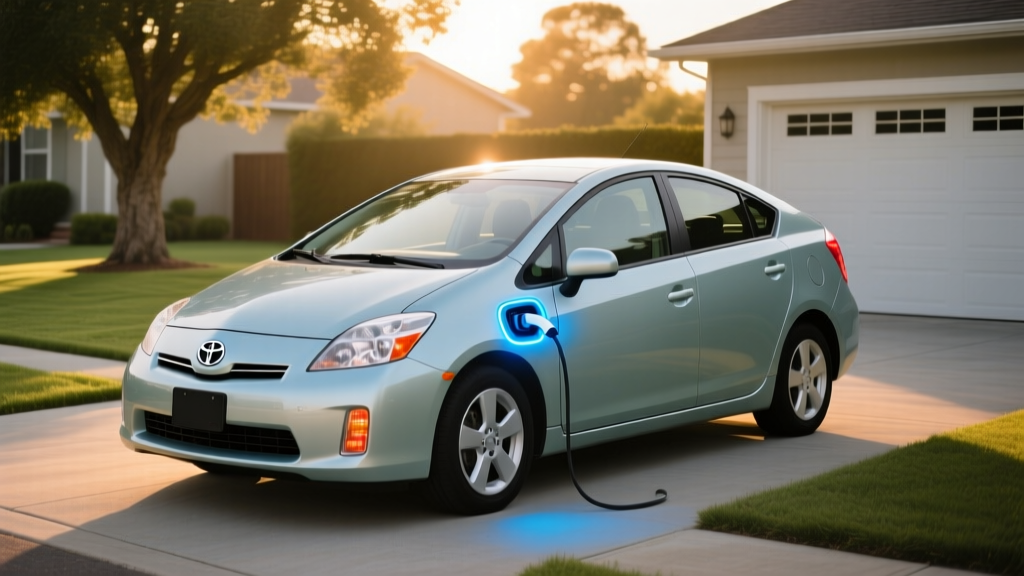
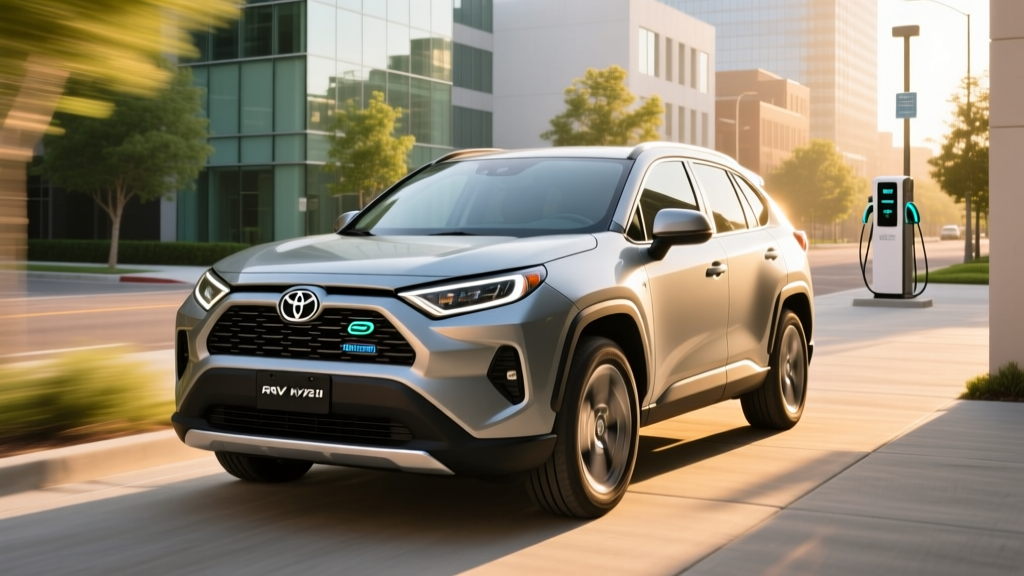
Plug-In Hybrid (PHEV): A PHEV like the Toyota RAV4 Prime or Prius Prime has a larger battery (typically 13–18 kWh), can travel 25–44 miles on electricity alone, and plugs into a Level 1 or Level 2 charger. If your commute is within that electric range, a PHEV eliminates daily gasoline use. The Avalon Hybrid does not offer this capability.
Bottom line: The Avalon Hybrid is ideal if you want hybrid efficiency without changing your fueling habits. If you have home charging access and want electric-only commuting, look at a PHEV or a full BEV instead.
Fuel Economy: EPA Ratings and Real-World MPG
The Avalon Hybrid's efficiency is its headline feature. Here are the official EPA figures for the final model years (2019–2022):
| Metric | EPA Rating | Real-World Expectation |
|---|---|---|
| City MPG | 43 MPG | 44–48 MPG |
| Highway MPG | 44 MPG | 40–43 MPG |
| Combined MPG | 44 MPG | 42–46 MPG |
| Total Range (13.2-gal tank) | ~581 miles | ~550–610 miles |
Why real-world often beats EPA in the city: Toyota's Hybrid Synergy Drive excels in stop-and-go traffic where regenerative braking recaptures energy and the electric motor handles low-speed propulsion. Owners on fueleconomy.gov frequently report 45–48 MPG in city-heavy driving. Highway driving at sustained 70–80 MPH speeds is where the Avalon Hybrid dips slightly below its EPA rating, as aerodynamic drag taxes the relatively modest 215-hp combined output.
⚡ Hybrid Battery Warranty: For 2020–2022 Avalon Hybrid models, Toyota covers the hybrid battery for 10 years or 150,000 miles (whichever comes first). For 2019 models, the original warranty was 8 years/100,000 miles. If you're buying a 2022 model in 2026, that battery warranty extends through 2032 or 150K miles — significant peace of mind for a used hybrid purchase.
Powertrain and Performance Specs
| Specification | Detail |
|---|---|
| Engine | 2.5L inline-4 (A25A-FXS) Atkinson cycle |
| Engine Output | 176 hp / 163 lb-ft torque |
| Electric Motor Output | 88 kW (118 hp) / 149 lb-ft torque |
| Net Combined Horsepower | 215 hp |
| Transmission | eCVT (planetary gearset, no belt) |
| Hybrid Battery | 1.6 kWh NiMH (sealed, self-charging) |
| Drivetrain | Front-wheel drive |
| 0–60 MPH | ~7.7 seconds |
| Fuel Tank | 13.2 gallons (regular 87 octane) |
| Curb Weight | ~3,700 lbs |
The Avalon Hybrid uses Toyota's fourth-generation Hybrid Synergy Drive, which pairs the 2.5L Atkinson-cycle engine with two motor-generators through a planetary gearset eCVT. This isn't a traditional belt-and-pulley CVT — it's a power-split device that seamlessly blends engine and electric motor output. The result is smooth, vibration-free acceleration with no gear hunting. At 215 combined horsepower, the Avalon Hybrid isn't sporty (a V6 Camry would outrun it), but it merges onto highways and passes with adequate confidence. The 7.7-second 0–60 time is competitive for a full-size efficiency sedan.
Reliability, Battery Lifespan, and Replacement Cost
Toyota's hybrid system is among the most proven in the industry, with over 25 years of real-world data since the original 1997 Prius. The Avalon Hybrid shares its core hybrid architecture with the Camry Hybrid and RAV4 Hybrid, meaning parts availability and technician familiarity are excellent.
Hybrid battery longevity: Toyota's NiMH hybrid batteries in the fourth-generation system have demonstrated strong durability. Data from fleet operators and long-term owners suggests these batteries routinely exceed 150,000 miles with minimal capacity loss. The battery is sealed and passively cooled, which reduces degradation risk compared to liquid-cooled packs in full EVs that undergo deep charge cycles.
Replacement cost if out of warranty: If the hybrid battery fails outside the 10-year/150,000-mile window, a new OEM replacement from a Toyota dealer typically runs $2,500–$4,000 including labor. Refurbished or aftermarket NiMH modules are available for $1,500–$2,500. This is dramatically less than a full EV battery replacement ($8,000–$20,000+), because the Avalon's 1.6 kWh pack is small and the NiMH chemistry is mature and inexpensive.
Common non-battery concerns: The Avalon Hybrid's conventional components (brakes, suspension, 12V battery) follow standard Toyota maintenance intervals. Regenerative braking actually extends brake pad life — many owners report original pads lasting 80,000+ miles. The 12V auxiliary battery (a standard lead-acid or AGM unit) typically needs replacement every 4–6 years at $150–$250.
For safety data, the 2022 Avalon earned the IIHS Top Safety Pick+ rating and a 5-Star overall rating from NHTSA.
Pricing and Tax Credit Eligibility in 2026
Since the Avalon Hybrid is discontinued, all 2026 purchases are on the used market. Here's what pricing looks like:
| Model Year / Trim | Original MSRP | Est. Used Price (2026) |
|---|---|---|
| 2019 XLE | $37,645 | $20,000–$24,000 |
| 2020 XLE | $37,945 | $22,000–$26,500 |
| 2021 Limited | $43,895 | $27,000–$32,000 |
| 2022 Limited | $44,295 | $29,000–$34,500 |
Federal tax credit — used EV credit (§25E): Under current IRS rules, the used clean vehicle credit provides up to $4,000 (30% of the sale price, capped at $4,000) for qualifying used hybrids and EVs. To qualify:
- The vehicle must be purchased from a licensed dealer (private-party sales do not qualify)
- Sale price must be $25,000 or less
- Buyer income must not exceed $75,000 (single), $112,500 (head of household), or $150,000 (joint)
- The vehicle must be at least 2 model years old
- Buyer cannot have claimed the used-vehicle credit in the prior 3 years
What this means in practice: A 2019 or 2020 Avalon Hybrid XLE priced at or below $25,000 from a dealer could net you the full $4,000 credit, effectively bringing the price to $16,000–$22,500. Higher-trim or newer models exceeding $25,000 do not qualify. Note: the §30D new vehicle credit ($7,500) does not apply since the Avalon is no longer sold new, and it never had plug-in capability to qualify anyway.
Avalon Hybrid vs. Alternatives: Which Should You Choose?
✓ Pros
- 44 MPG combined — excellent for a full-size sedan
- Spacious rear seat and 16.1 cu-ft trunk
- Proven Toyota hybrid reliability; 10yr/150K battery warranty
- Standard Toyota Safety Sense 2.5 (AEB, LTA, DRCC, RSA)
- Smooth, quiet ride quality
- Low cost of ownership (regular fuel, long brake life)
- Potential $4,000 used-vehicle tax credit
✗ Cons
- Discontinued — no new models, limited future dealer support
- No plug-in or electric-only driving capability
- Modest 215 hp; not a performance sedan
- FWD only — no AWD option
- Infotainment feels dated vs. 2026 competitors
- NiMH battery (older chemistry vs. lithium-ion in newer hybrids)
- Depreciation uncertainty as sedan market shrinks
Decision Framework: Is the Avalon Hybrid Right for You?
Choose the Avalon Hybrid if:
- You want maximum MPG in a spacious, comfortable sedan without plugging in
- Your driving is city-heavy (where the hybrid system shines at 45+ MPG)
- You value Toyota's proven hybrid reliability and long battery warranty
- You want a used-car value play with potential $4,000 tax credit
- You don't need AWD or towing capability
Look elsewhere if:
- You want electric-only commuting → Consider a PHEV (Prius Prime, RAV4 Prime) or a full BEV
- You need AWD for snow → Toyota Camry Hybrid AWD or a used RAV4 Hybrid
- You want the latest tech and infotainment → New Toyota Crown Hybrid or Hyundai Sonata Hybrid
- You drive mostly highway at 80 MPH → A diesel or a BEV may match or beat the Avalon's highway efficiency
Hybrid vs. PHEV vs. Full EV: Which Powertrain Fits?
The Avalon Hybrid occupies a specific niche. Here's how it compares to the other electrified options on the market:
| Factor | HEV (Avalon Hybrid) | PHEV (e.g., Prius Prime) | Full EV (e.g., Tesla Model 3) |
|---|---|---|---|
| Plug in required? | No | Optional (best when plugged in) | Yes — always |
| Electric-only range | ~1 mile (low speed) | 25–44 miles | 250–350+ miles |
| Fuel cost per mile | ~$0.07–0.09 | ~$0.03–0.04 (electric) / $0.08 (gas) | ~$0.03–0.05 |
| Home charging needed? | No | Recommended | Essential |
| Upfront cost (used/new) | $20K–$34K (used) | $33K–$40K (new) | $35K–$50K+ |
| Federal tax credit | Up to $4,000 (used §25E) | Up to $7,500 (§30D if eligible) | Up to $7,500 (§30D if eligible) |
The honest trade-off: The Avalon Hybrid gives you 44 MPG and zero lifestyle changes — no charging, no range planning, no electrical upgrades. A PHEV or full EV will save you more per mile if you can charge at home, but they demand a higher upfront investment and access to charging infrastructure. For apartment dwellers or those without reliable charging access, the Avalon Hybrid's HEV approach remains the most practical path to lower fuel costs.
Frequently Asked Questions
How many MPG does the Toyota Avalon Hybrid get?
The EPA rates the 2019–2022 Avalon Hybrid at 43 city / 44 highway / 44 combined MPG. In real-world city driving, many owners report 45–48 MPG thanks to regenerative braking. Highway driving at sustained high speeds typically yields 40–43 MPG. With its 13.2-gallon tank, expect 550–610 miles between fill-ups.
Can the Avalon Hybrid drive on electric power only?
Only for very short distances at low speeds (under ~25 MPH, typically less than 1 mile). The Avalon Hybrid is a conventional HEV with a small 1.6 kWh NiMH battery — it's designed for electric-motor assist, not electric-only propulsion. If you want meaningful electric-only range, you need a PHEV (25–44 miles) or a full BEV (250+ miles).
Is the Toyota Avalon Hybrid reliable?
Yes. Toyota's hybrid system is among the most reliable powertrains in the industry, with millions of units on the road globally. The Avalon Hybrid shares its core components with the Camry Hybrid, which has extensive long-term reliability data. The hybrid battery carries a 10-year/150,000-mile warranty on 2020+ models. Conventional maintenance costs are low, and regenerative braking extends brake pad life significantly.
What does a hybrid battery replacement cost for the Avalon?
An OEM replacement hybrid battery from a Toyota dealer typically costs $2,500–$4,000 including labor. Refurbished options are available for $1,500–$2,500. However, Toyota's NiMH hybrid batteries routinely last 150,000+ miles, and the 10-year/150,000-mile warranty on 2020–2022 models means most buyers won't face this expense during ownership.
Does the Toyota Avalon Hybrid qualify for any tax credit?
Since the Avalon is discontinued, the new-vehicle §30D credit ($7,500) does not apply. However, the used clean vehicle credit (§25E) offers up to $4,000 if you buy a qualifying 2019 or 2020 model from a dealer for $25,000 or less, and your income falls within IRS limits ($75K single / $150K joint). This credit can be applied at the point of sale starting in 2024. Check current IRS §25E guidelines before purchasing, as rules are subject to change.
Should I buy an Avalon Hybrid or a new Toyota Crown Hybrid?
The 2026 Toyota Crown Hybrid starts around $42,000 new and offers 41 MPG combined with a more modern interior, available AWD, and the new-vehicle warranty. The used Avalon Hybrid at $22,000–$34,000 delivers better MPG (44 vs. 41), lower cost, and potential tax credits — but with a dated infotainment system, no AWD option, and remaining factory warranty that shrinks each year. If budget is paramount and you don't need the latest tech, the Avalon Hybrid is the value play. If you want a warranty-backed new car with AWD, the Crown is worth the premium.