Do You Get a Tax Credit for Buying a Hybrid Car? The Short Answer
Most conventional hybrids (HEVs) do not qualify for a federal tax credit. Only plug-in hybrids (PHEVs) with sufficient battery capacity and compliant battery sourcing are eligible under IRS §30D — and even then, the credit ranges from $3,750 to $7,500 depending on critical-mineral and battery-component requirements. Income caps, MSRP limits, and point-of-sale transfer rules further narrow who actually receives it.
This guide breaks down exactly which hybrid types qualify, how the rules work in 2026, and which models deliver the best real-world value whether or not you claim a credit.
HEV vs PHEV: What's the Difference and Why It Matters for Tax Credits
Conventional Hybrid (HEV)
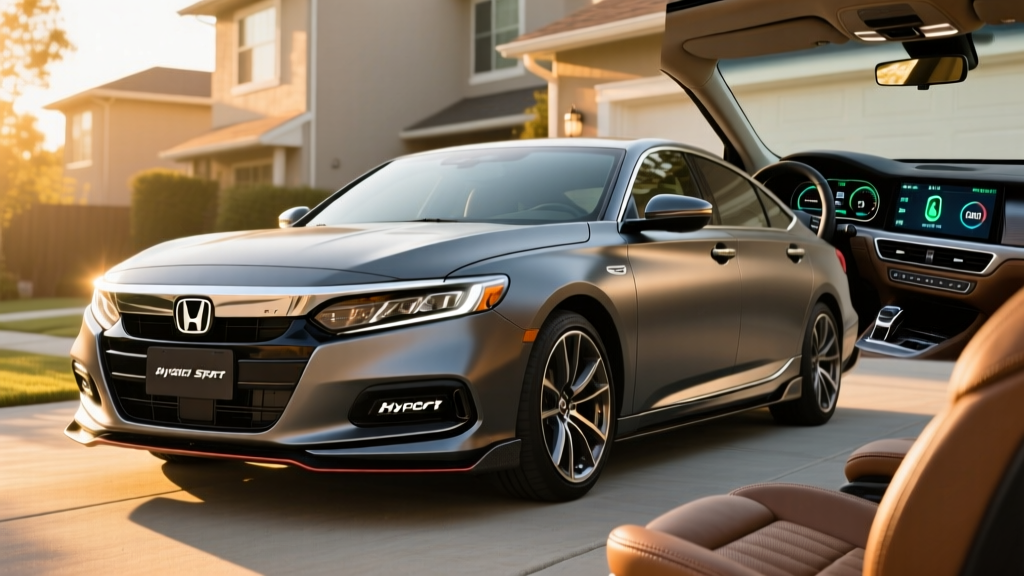
A conventional hybrid like the Toyota Prius or Honda Accord Hybrid pairs a gasoline engine with a small electric motor and a compact battery (typically 1.0–1.6 kWh). The battery recharges exclusively through regenerative braking and the engine — you never plug it in. HEVs optimize fuel economy but have no electric-only driving range beyond brief low-speed assists.
Plug-In Hybrid (PHEV)
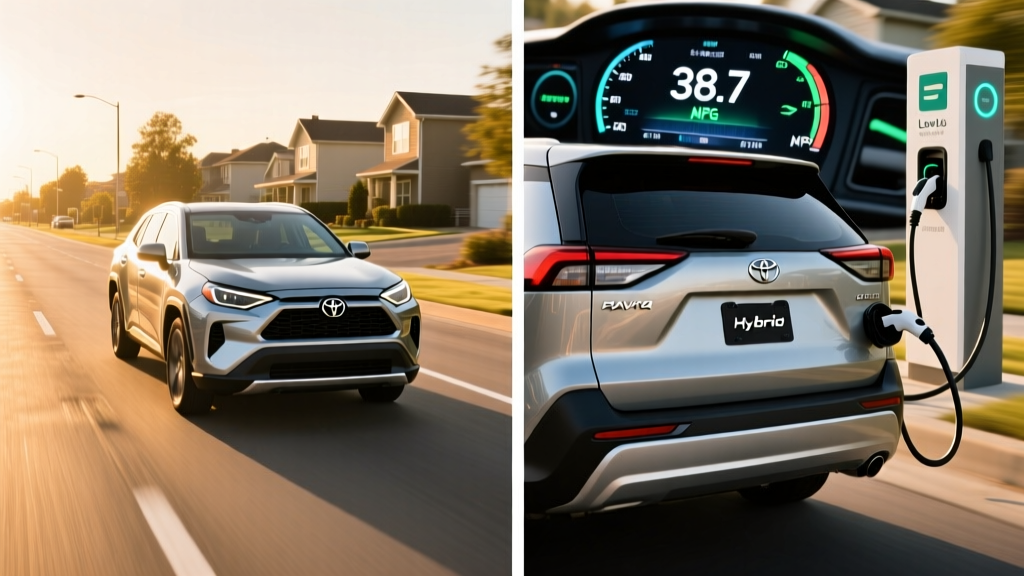
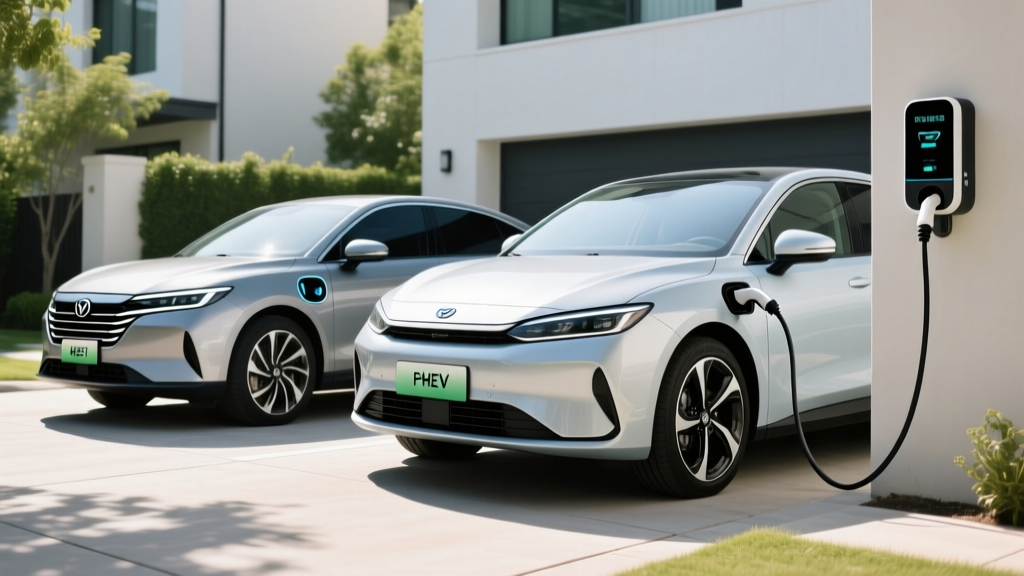
A PHEV like the Toyota RAV4 Prime or Chrysler Pacifica Hybrid carries a much larger battery (13–25 kWh) that you charge via a wall outlet or Level 2 charger. It delivers 20–45 miles of electric-only range before the gas engine engages. PHEVs are the only hybrid type potentially eligible for the federal §30D tax credit, provided they meet battery sourcing, MSRP, and buyer income requirements.
The IRS defines a qualified plug-in electric vehicle under §30D rules as having a battery capacity of at least 7 kWh, being rechargeable from an external source, and meeting North American final-assembly requirements. Conventional HEVs fail the first criterion immediately — their batteries are far too small and cannot be plugged in.
2026 Federal Tax Credit Rules: Which PHEVs Qualify?
§30D Eligibility Checklist for PHEVs (2026)
- Battery capacity: Minimum 7 kWh (all current PHEVs meet this)
- Final assembly: Must occur in North America (VIN verification required)
- Critical minerals requirement ($3,750): A specified percentage of critical minerals must be sourced from the U.S. or a free-trade-agreement country
- Battery components requirement ($3,750): A specified percentage of battery components must be manufactured or assembled in North America
- MSRP cap: Vans, SUVs, and trucks ≤ $80,000; sedans and other vehicles ≤ $55,000
- Buyer income cap: Modified AGI ≤ $150,000 (single), $225,000 (head of household), $300,000 (joint)
- Transfer option: Credit can be transferred to the dealer as a point-of-sale discount
The two sourcing requirements are independent — a PHEV may qualify for one ($3,750), both ($7,500), or neither. The DOE's fueleconomy.gov tax credit tool maintains a current list of eligible vehicles and their credit amounts. As of early 2026, qualifying PHEVs include the Chrysler Pacifica Hybrid ($7,500), certain Jeep Wrangler 4xe builds ($3,750–$7,500 depending on battery sourcing), and the Toyota RAV4 Prime ($3,750, meeting only the critical-minerals requirement). Always verify eligibility at point of purchase — sourcing rules tighten annually.
Fuel Economy Face-Off: Top Hybrids and PHEVs Compared
Whether or not a tax credit applies, fuel economy is where hybrids earn their keep. Here's how the top-selling electrified models stack up by EPA numbers, with real-world notes from owner data and testing.
| Model (2026) | Type | EPA City MPG | EPA Hwy MPG | EPA Combined | EV-Only Range | Total Range |
|---|---|---|---|---|---|---|
| Toyota Prius | HEV | 57 | 56 | 57 | N/A | ~620 mi |
| Toyota Prius Prime | PHEV | 52 (hybrid mode) | 48 (hybrid mode) | 50 (hybrid) / 127 MPGe | 44 mi | ~440 mi |
| Honda Accord Hybrid | HEV | 51 | 44 | 48 | N/A | ~580 mi |
| Toyota RAV4 Hybrid | HEV | 41 | 38 | 40 | N/A | ~580 mi |
| Toyota RAV4 Prime | PHEV | 40 (hybrid mode) | 36 (hybrid mode) | 38 (hybrid) / 94 MPGe | 42 mi | ~600 mi |
| Hyundai Tucson PHEV | PHEV | 38 (hybrid mode) | 38 (hybrid mode) | 38 (hybrid) / 80 MPGe | 33 mi | ~440 mi |
| Chrysler Pacifica Hybrid | PHEV | 30 (hybrid mode) | 31 (hybrid mode) | 30 (hybrid) / 82 MPGe | 32 mi | ~430 mi |
| Jeep Wrangler 4xe | PHEV | 20 (hybrid mode) | 20 (hybrid mode) | 20 (hybrid) / 49 MPGe | 21 mi | ~370 mi |
Real-World MPG vs. EPA Stickers
Conventional hybrids routinely exceed their EPA city ratings in stop-and-go driving because regenerative braking recaptures energy that gas-only cars waste as heat. Prius owners regularly report 60+ MPG in urban commutes. Highway driving tells a different story — aerodynamic drag at 75+ mph reduces the hybrid advantage, and real-world highway MPG may land 3–5 MPG below the EPA sticker.
For PHEVs, the efficiency picture depends entirely on your charging habits. A RAV4 Prime owner who charges nightly and commutes 30 miles may use zero gasoline for weeks, achieving an effective MPGe well above the EPA rating. The same vehicle driven 500 miles on a road trip without charging reverts to its ~38 MPG hybrid-mode rating. The tax credit's value multiplies when your daily mileage falls within the electric-only range.
PHEV Battery and Charging Specs: What You Need to Know
If you're considering a PHEV — the only hybrid type eligible for a tax credit — understanding the battery and charging picture is essential.
| Model | Battery (kWh) | Chemistry | Level 2 Charge Time (0–100%) | DC Fast Charge |
|---|---|---|---|---|
| Prius Prime | 13.6 kWh (usable ~11.0) | Lithium-ion (NMC) | ~4.0 hr (3.3 kW onboard) | No |
| RAV4 Prime | 18.1 kWh (usable ~14.9) | Lithium-ion (NMC) | ~2.5 hr (6.6 kW onboard) | No |
| Tucson PHEV | 13.8 kWh (usable ~11.3) | Lithium-ion (NMC) | ~2.0 hr (7.2 kW onboard) | No |
| Pacifica Hybrid | 16.0 kWh (usable ~13.0) | Lithium-ion (NMC) | ~2.0 hr (7.2 kW onboard) | No |
| Wrangler 4xe | 17.3 kWh (usable ~14.1) | Lithium-ion (NMC) | ~2.5 hr (7.2 kW onboard) | No |
Key takeaway: No mainstream PHEV currently supports DC fast charging. All PHEV charging happens via Level 1 (120V household outlet, ~12–16 hours for a full charge) or Level 2 (240V, 2–4 hours). This means PHEVs are designed for home charging — plug in overnight, wake up with a full battery and 25–44 miles of electric range. If you lack home or workplace charging access, a PHEV's electric advantage diminishes significantly, and you're essentially driving a heavier, more expensive conventional hybrid.
Hybrid Battery Longevity: Warranties, Replacement Costs, and Reliability
Hybrid Battery Warranty Coverage (2026 Models)
Federal emissions regulations mandate that hybrid and PHEV batteries carry a minimum warranty of 8 years / 100,000 miles (or 10 years / 150,000 miles in California Air Resources Board states). Most manufacturers meet or exceed this baseline:
- Toyota: 10 years / 150,000 miles on all hybrid batteries (nationwide since 2020)
- Honda: 8 years / 100,000 miles (10/150k in CARB states)
- Hyundai/Kia: 10 years / 100,000 miles (original owner; transfers to 5/60k for second owners)
- Stellantis (Chrysler/Jeep): 8 years / 100,000 miles
The warranty covers battery capacity falling below a threshold — typically 60–70% of original capacity — or outright failure.
How Long Do Hybrid Batteries Actually Last?
Real-world data from Toyota Prius fleets shows that modern nickel-metal-hydride and lithium-ion hybrid batteries routinely last 150,000–200,000+ miles before significant degradation. The shallow charge-discharge cycles used in HEVs (the battery typically operates between 40% and 80% state of charge) are far less stressful than the deep cycles in full EVs. Many original Prius batteries from the 2010–2015 era are still in service at well over 200,000 miles.
PHEV batteries experience slightly more stress due to deeper cycling (draining from 100% to near 0% in electric mode), but the larger battery size and active thermal management systems mitigate degradation. Reports of PHEV battery failure before 100,000 miles remain uncommon.
Battery Replacement Cost
Out-of-warranty hybrid battery replacement costs vary by model:
- Toyota Prius HEV: $2,000–$4,000 (refurbished) or $4,000–$6,000 (new OEM)
- Toyota RAV4 Prime PHEV: $8,000–$12,000 (larger lithium-ion pack)
- Honda Accord Hybrid: $3,000–$5,000
- Chrysler Pacifica Hybrid: $7,000–$10,000
These are worst-case scenarios. Given the warranty coverage and demonstrated longevity, most hybrid owners will never face an out-of-pocket battery replacement. Third-party refurbishers and aftermarket options are increasingly available at 40–60% below OEM pricing for older models.
Pricing and Value: Do the Savings Justify the Premium?
| Model (2026 Base Trim) | MSRP | Federal Tax Credit | Effective Price (if eligible) |
|---|---|---|---|
| Toyota Prius (HEV) | $29,445 | $0 | $29,445 |
| Toyota Prius Prime (PHEV) | $34,395 | $3,750 | $30,645 |
| Honda Accord Hybrid (HEV) | $34,990 | $0 | $34,990 |
| Toyota RAV4 Hybrid (HEV) | $33,425 | $0 | $33,425 |
| Toyota RAV4 Prime (PHEV) | $44,915 | $3,750 | $41,165 |
| Hyundai Tucson PHEV | $39,990 | $3,750 | $36,240 |
| Chrysler Pacifica Hybrid | $52,095 | $7,500 | $44,595 |
| Jeep Wrangler 4xe | $51,790 | $3,750–$7,500 | $44,290–$48,040 |
A few patterns emerge. Conventional hybrids like the Prius and RAV4 Hybrid carry no tax credit but have the lowest starting prices and no charging-infrastructure requirements. PHEVs command a $5,000–$12,000 premium over their HEV siblings, and even after the maximum $7,500 credit, you're still paying more upfront — but you gain 20–44 miles of daily electric driving that eliminates gasoline use for short commutes.
The Chrysler Pacifica Hybrid is a standout: it qualifies for the full $7,500 credit, dropping its effective price from $52,095 to $44,595 — competitive with a loaded gas Pacifica. For families who can charge at home and drive under 32 miles daily, the fuel savings are substantial.
Remember: the §30D credit is non-refundable unless you elect the point-of-sale transfer. If your tax liability is less than the credit amount, the transfer-to-dealer option ensures you still receive the full discount at purchase. Consult a tax professional to confirm your specific eligibility.
Hybrid vs PHEV vs EV: Which Powertrain Fits Your Life?
Choose a Conventional Hybrid (HEV) If:
- You want maximum MPG with zero lifestyle changes — no plugging in, no charging apps
- You lack access to home or workplace charging
- You drive a mix of city and highway and want 40–57 MPG combined
- You want the lowest upfront cost among electrified vehicles
- Example: Apartment dweller with a 45-mile mixed commute → Toyota Prius at 57 MPG combined
Choose a Plug-In Hybrid (PHEV) If:
- You can charge at home (Level 2 or even a standard 120V outlet)
- Your daily round-trip commute is under 40 miles — you'll drive mostly on electricity
- You want electric daily driving but need gas-engine range for road trips
- You qualify for the §30D tax credit and want to offset the PHEV premium
- Example: Homeowner with a 28-mile commute and weekend road trips → RAV4 Prime, 42 mi electric + 600 mi total
Choose a Full EV (BEV) If:
- You have reliable home Level 2 charging and your daily driving is under 250 miles
- You want zero tailpipe emissions and the lowest per-mile fuel cost
- You're eligible for the full $7,500 credit on a qualifying BEV (broader model selection)
- You're ready to plan around DC fast charging for road trips
- Example: Two-car household replacing the commuter car → Tesla Model 3, 341 mi EPA range
Frequently Asked Questions
Do you get a tax credit for buying a hybrid car that isn't a plug-in?
No. Conventional hybrids (HEVs) like the Toyota Prius, Honda Accord Hybrid, and Ford Maverick Hybrid do not qualify for the federal §30D clean vehicle credit. Their batteries are too small (under 2 kWh) and they cannot be charged from an external source. The only federal incentive that ever applied to HEVs — a much smaller credit that existed before 2023 — has expired. Some states offer separate incentives for hybrids, but these vary by jurisdiction. Check your state's energy office or AFDC incentive database for local programs.
Which PHEVs qualify for the full $7,500 tax credit in 2026?
As of early 2026, the Chrysler Pacifica Hybrid is one of the few PHEVs qualifying for the full $7,500 (meeting both critical-mineral and battery-component sourcing requirements). The Toyota RAV4 Prime, Hyundai Tucson PHEV, and Jeep Wrangler 4xe typically qualify for $3,750 (meeting the critical-minerals requirement only). Eligibility can shift as automakers adjust supply chains, so always verify via the fueleconomy.gov credit tool before purchasing.
How many MPG does a hybrid really get in the real world?
Real-world MPG for conventional hybrids often exceeds EPA city ratings in stop-and-go traffic. Prius owners report 58–65 MPG in urban driving; highway driving at 75+ mph may yield 48–52 MPG (below the 56 MPG EPA highway sticker). For PHEVs, MPG depends entirely on how often you charge — a Prius Prime driven 30 miles daily and charged nightly may use almost no gasoline, while the same vehicle on a 400-mile road trip returns ~50 MPG in hybrid mode.
How far can a PHEV go on electric only?
Current PHEVs offer 21–44 miles of EPA-rated electric-only range. The Toyota Prius Prime leads at 44 miles; the RAV4 Prime delivers 42 miles; the Tucson PHEV manages 33 miles; and the Jeep Wrangler 4xe offers 21 miles. Real-world electric range drops 10–20% in cold weather (below 40°F) due to cabin heating loads and reduced battery efficiency. Highway-speed electric driving also reduces range compared to the EPA's mixed-cycle test.
Is a hybrid battery expensive to replace and how long does it last?
Modern hybrid batteries typically last 150,000–200,000+ miles and are covered by warranties of 8–10 years / 100,000–150,000 miles. Out-of-warranty replacement costs range from $2,000–$6,000 for conventional hybrids and $7,000–$12,000 for PHEVs. In practice, battery failure before 150,000 miles is uncommon, and refurbished replacements are increasingly available at significant discounts.
Can I charge a PHEV on a regular household outlet?
Yes. All PHEVs include a Level 1 charging cord that plugs into a standard 120V household outlet. Charging is slow — a full charge takes 12–16 hours depending on battery size — but since PHEV batteries are small (13–18 kWh), overnight charging on Level 1 is often sufficient to replenish a day's electric range. A Level 2 (240V) home charger reduces this to 2–4 hours and typically costs $500–$1,500 installed.
Should I buy a hybrid, PHEV, or full EV?
If you can charge at home and commute under 40 miles daily, a PHEV gives you electric daily driving with road-trip flexibility — and potential tax-credit savings. If you can't charge at home, a conventional HEV delivers excellent MPG with zero infrastructure needs. If you have home charging, drive under 250 miles daily, and want the lowest operating cost and maximum tax credit, a full EV is the strongest choice. The right answer depends on your charging access, commute distance, and budget — not on which technology is "best" in the abstract.