Subaru Crosstrek Hybrid Gas Mileage: What Buyers Need to Know
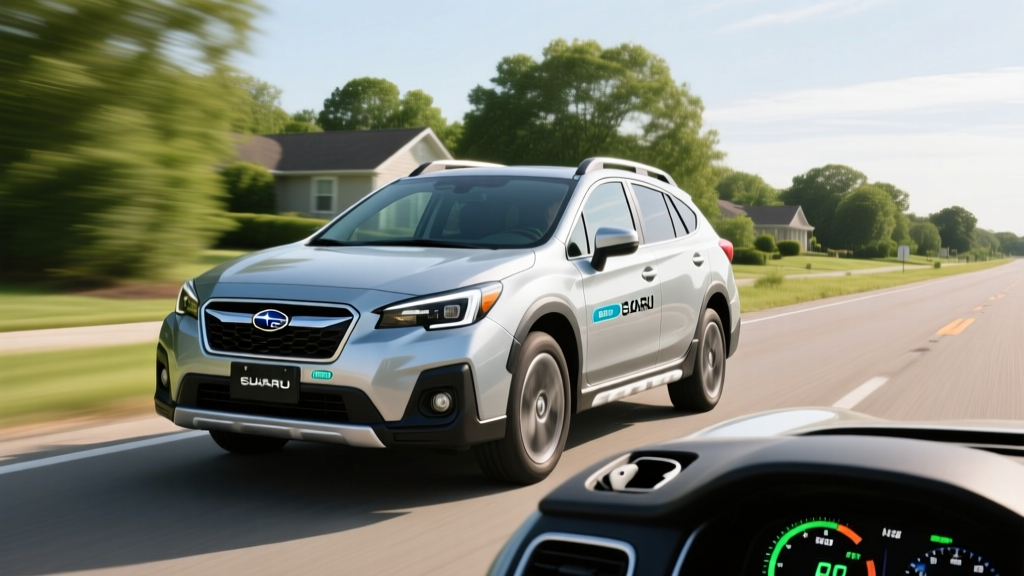
If you've been searching for Subaru Crosstrek hybrid gas mileage figures, you've likely noticed conflicting information. Part of the confusion stems from Subaru's shifting electrification strategy for the Crosstrek: the earlier plug-in hybrid (PHEV) version was discontinued after the 2023 model year, and for 2026 Subaru is offering the Crosstrek with a new mild-hybrid powertrain alongside the conventional gasoline model. Understanding exactly which version you're looking at—and what real-world fuel economy to expect—requires unpacking the specs carefully.
This guide covers the current Crosstrek hybrid landscape: the EPA-rated fuel economy, real-world MPG expectations, powertrain details, battery warranty coverage, and how this compact crossover stacks up against full hybrids, PHEVs, and battery-electric alternatives.
HEV vs. PHEV: Which Crosstrek Hybrid Are We Talking About?
Conventional Hybrid (HEV): Uses a small battery charged entirely by regenerative braking and the gasoline engine. No plug required. The 2026 Crosstrek Hybrid uses a mild-hybrid system in this category.
Plug-in Hybrid (PHEV): Carries a larger battery (typically 8-20 kWh) that can be charged from a wall outlet or public charger, enabling 17-40+ miles of electric-only driving before the gas engine kicks in. The Crosstrek PHEV (2019–2023) offered 17 miles of EV range with a 13.5 kWh battery.
For the 2026 model year, Subaru's electrified Crosstrek offering is a mild-hybrid system paired with the 2.5-liter BOXER engine. Unlike Toyota's full hybrid system (as found in the RAV4 Hybrid), Subaru's mild-hybrid setup uses a smaller electric motor primarily to assist acceleration and enable smoother stop-start operation—it cannot drive the vehicle on electric power alone. This distinction matters significantly for your MPG expectations.
If you want a true Crosstrek PHEV, you'll need to look at the used market for 2019–2023 models. Subaru has signaled future PHEV and EV plans for the Crosstrek lineup, but nothing has been confirmed for the current model year beyond the mild-hybrid.
EPA MPG Ratings and Real-World Fuel Economy
Fuel economy is the number one reason buyers cross-shop hybrid vehicles. Here's how the current and recent Crosstrek powertrains break down according to EPA data from fueleconomy.gov:
| Model / Powertrain | City MPG | Highway MPG | Combined MPG | MPGe (EV mode, PHEV only) |
|---|---|---|---|---|
| 2026 Crosstrek 2.5L Mild-Hybrid (est.) | 28 | 33 | 30 | N/A |
| 2026 Crosstrek 2.5L Gas (non-hybrid) | 27 | 32 | 29 | N/A |
| 2023 Crosstrek PHEV (discontinued) | — | — | — | 90 MPGe |
| 2023 Crosstrek Hybrid (PHEV, gas-only mode) | 36 | 34 | 35 | 90 MPGe |
| Toyota RAV4 Hybrid (AWD, comparison) | 41 | 38 | 39 | N/A |
Real-World MPG Note: Mild-hybrid systems like Subaru's typically deliver a modest 1-3 MPG improvement over their non-hybrid counterparts. Expect the 2026 Crosstrek Hybrid to return approximately 29-31 MPG combined in mixed driving. In city-heavy commuting, the stop-start assist and regenerative braking can push figures slightly higher. On sustained highway trips at 70+ mph, expect closer to 30-31 MPG. In cold weather (below 30°F), fuel economy typically drops 5-10% due to increased engine load and cabin heating demands.
By contrast, the discontinued Crosstrek PHEV's 35 MPG combined (gas-only) and 17 miles of electric-only range made it significantly more efficient for short commutes—if you charged regularly.
For context, the Crosstrek's mild-hybrid MPG figures trail full-hybrid competitors like the Toyota RAV4 Hybrid (39 MPG combined) and Honda CR-V Hybrid (40 MPG combined). Subaru's symmetrical all-wheel drive and BOXER engine architecture impose a slight efficiency penalty compared to front-wheel-drive-biased competitors, but the trade-off is Subaru's renowned all-weather traction.
Powertrain Specs: What's Under the Hood
| Specification | 2026 Crosstrek Mild-Hybrid | 2023 Crosstrek PHEV (Discontinued) |
|---|---|---|
| Engine | 2.5L BOXER 4-cylinder | 2.0L BOXER 4-cylinder |
| Electric Motor | Integrated mild-hybrid assist | Two AC synchronous motors (118 hp combined) |
| Combined Horsepower | ~182 hp (est.) | 148 hp combined |
| Battery Capacity | ~0.5 kWh (mild-hybrid) | 13.5 kWh (NMC lithium-ion) |
| EV-Only Range | None (assist only) | 17 miles (EPA) |
| Total Range | ~430 miles | ~480 miles (gas + electric) |
| Drivetrain | Symmetrical AWD | Symmetrical AWD |
| Transmission | CVT (Lineartronic) | CVT (Lineartronic) |
| 0-60 mph | ~8.2 seconds (est.) | ~9.2 seconds |
| Ground Clearance | 8.7 inches | 8.7 inches |
| Towing Capacity | 1,500 lbs | 1,000 lbs |
The mild-hybrid system's primary benefits are smoother acceleration from stop (the electric motor fills in torque before the engine reaches its power band) and reduced fuel consumption during city driving. It does not offer any electric-only driving capability, and the battery is far too small to plug in—it charges exclusively through regenerative braking and engine power.
Pricing, Tax Credits, and Ownership Costs
The 2026 Subaru Crosstrek with the mild-hybrid powertrain starts at an estimated $27,500–$29,000 MSRP depending on trim (Premium and Sport trims are expected to feature the hybrid system). This represents a modest premium over the base gasoline-only model.
Federal Tax Credit Eligibility: Under current IRS §30D rules, the federal clean vehicle credit of up to $7,500 applies only to battery electric vehicles (BEVs) and plug-in hybrids (PHEVs) that meet strict battery-sourcing, critical-mineral, MSRP cap, and buyer income requirements. Because the 2026 Crosstrek is a mild-hybrid (not a PHEV or BEV), it does not qualify for the federal EV tax credit.
If you purchase a used Crosstrek PHEV (2019–2023), you may be eligible for the Used Clean Vehicle Credit of up to $4,000 (30% of sale price, capped at $4,000), subject to income limits ($75,000 single / $150,000 joint) and the vehicle being sold for $25,000 or less through a licensed dealer.
| Cost Category | Crosstrek Mild-Hybrid (5 yr est.) | Crosstrek Gas (5 yr est.) | RAV4 Hybrid AWD (5 yr est.) |
|---|---|---|---|
| Purchase Price (base) | $28,500 | $26,500 | $33,500 |
| Fuel Cost (15k mi/yr) | $7,500 | $7,800 | $5,800 |
| Insurance (avg.) | $7,200 | $7,000 | $7,500 |
| Maintenance | $2,800 | $3,000 | $2,900 |
| 5-Year Total | $46,000 | $44,300 | $49,700 |
Fuel cost estimates based on $3.50/gallon regular unleaded, 15,000 miles/year. Actual costs vary by region and driving habits. Source: fueleconomy.gov and AAA fuel-price averages.
Battery Warranty, Reliability, and Replacement Costs
Hybrid battery longevity is consistently the top concern among buyers considering an electrified vehicle. Here's what Subaru covers:
2026 Crosstrek Mild-Hybrid Battery Warranty: Subaru covers the hybrid battery and related components for 8 years / 100,000 miles (whichever comes first) under the hybrid system warranty. In California Air Resources Board (CARB) states, hybrid battery coverage extends to 10 years / 150,000 miles.
2019–2023 Crosstrek PHEV Battery Warranty: Same 8-year/100,000-mile coverage (10/150k in CARB states). The 13.5 kWh NMC battery was sourced from Toyota's supply chain (shared with the Prius Prime platform), which carries a strong reliability track record.
Reliability: Subaru's BOXER engine and CVT combination has a well-documented history. The mild-hybrid system adds minimal complexity compared to full hybrids or PHEVs—the assist motor is small and the battery capacity is modest, reducing the likelihood of expensive failures. Consumer Reports and J.D. Power have rated recent Crosstrek model years as average to above-average in reliability.
Battery Replacement Cost: For the mild-hybrid system, replacement cost is estimated at $1,500–$3,000 if needed out of warranty—significantly less than full-hybrid or PHEV battery packs. The discontinued PHEV's 13.5 kWh battery would cost approximately $4,000–$6,500 to replace, though failures within the warranty period are rare. For comparison, a Toyota RAV4 Hybrid battery replacement runs $3,000–$5,000.
Crosstrek Hybrid vs. Full Hybrid vs. EV: Which Fits You?
Choose the Crosstrek Mild-Hybrid if:
- You want Subaru's standard AWD and 8.7 inches of ground clearance for snow, mud, or light trail use
- You drive 10,000–15,000 miles/year in mixed conditions and want a slight fuel-economy bump over the gas model
- You cannot charge at home (no garage, apartment living, no outlet access)
- You want a sub-$30,000 AWD crossover with proven reliability
Choose a full hybrid (Toyota RAV4 Hybrid, Honda CR-V Hybrid) if:
- Maximum fuel economy is your priority (39-40 MPG combined vs. ~30 MPG)
- You do heavy city driving where full-hybrid systems shine (41+ MPG city)
- You're willing to pay a $4,000–$6,000 premium for the efficiency gain
Choose a PHEV (used Crosstrek PHEV, Toyota RAV4 Prime) if:
- You have home charging and a commute under 20-40 miles round trip
- You want electric-only daily driving with gas-engine flexibility for road trips
- You want to reduce fuel consumption by 50-80% on typical commutes
Choose a full EV (Hyundai Ioniq 5, Tesla Model Y, Subaru Solterra) if:
- You have reliable home Level 2 charging
- Your daily driving is under 200 miles and you road-trip infrequently
- You want to eliminate gasoline costs entirely and qualify for the $7,500 federal credit (if eligible)
- You want near-zero drivetrain maintenance (no oil changes, fewer moving parts)
Pros and Cons at a Glance
Pros
- Standard symmetrical AWD with 8.7" ground clearance—best-in-class for off-pavement capability
- Mild-hybrid system adds minimal complexity and cost over the gas model
- Strong resale value and Subaru brand loyalty
- 8-year/100,000-mile hybrid battery warranty (10/150k in CARB states)
- Practical cargo space (54.7 cu ft with rear seats folded)
- EyeSight driver-assist system included standard (SAE Level 2)
Cons
- Mild-hybrid MPG (~30 combined) trails full hybrids by 9-10 MPG
- No electric-only driving capability
- No federal tax credit eligibility (mild-hybrid does not qualify under §30D)
- CVT can feel sluggish during hard acceleration
- PHEV version discontinued—no current plug-in option
- Infotainment system lags behind competitors in responsiveness
Frequently Asked Questions
How many MPG does the Subaru Crosstrek Hybrid get?
The 2026 Crosstrek mild-hybrid is estimated at approximately 28 city / 33 highway / 30 combined MPG. The discontinued 2023 Crosstrek PHEV rated 35 MPG combined in gas-only mode, plus 90 MPGe when using its 17 miles of electric-only range. Real-world figures for the mild-hybrid typically land between 28-32 MPG combined depending on driving style and conditions.
How far can the Crosstrek Hybrid go on electric only?
The current 2026 Crosstrek mild-hybrid cannot drive on electric power alone—the electric motor only assists the gasoline engine. The discontinued 2023 Crosstrek PHEV offered 17 miles of EPA-rated electric-only range from its 13.5 kWh battery, adequate for short commutes but less than competitors like the Toyota RAV4 Prime (42 miles EV range).
Does the Subaru Crosstrek Hybrid qualify for a tax credit?
No. The 2026 Crosstrek mild-hybrid does not qualify for the federal §30D clean vehicle tax credit, which is limited to plug-in hybrids (PHEVs) and battery electric vehicles (BEVs). Used Crosstrek PHEV models (2019–2023) may qualify for the up-to-$4,000 Used Clean Vehicle Credit if purchased through a licensed dealer for $25,000 or less and the buyer meets income requirements. Check IRS guidelines for current eligibility.
Is the Crosstrek Hybrid reliable? What does battery replacement cost?
Yes. Subaru's hybrid system is relatively simple, and the mild-hybrid battery is small (~0.5 kWh), reducing failure risk. The hybrid battery is warranted for 8 years/100,000 miles (10 years/150,000 miles in CARB states). Out-of-warranty mild-hybrid battery replacement is estimated at $1,500–$3,000. The discontinued PHEV battery replacement runs $4,000–$6,500. Most hybrid batteries last well beyond their warranty period based on industry data.
Should I buy the Crosstrek Hybrid or a full hybrid like the RAV4 Hybrid?
If maximizing fuel economy is your priority and you do significant city driving, the Toyota RAV4 Hybrid (39 MPG combined, ~41 city) delivers a meaningful advantage—saving roughly $1,700 in fuel over 5 years compared to the Crosstrek mild-hybrid. However, the Crosstrek offers superior ground clearance (8.7" vs. 8.1"), a lower starting price (~$28,500 vs. ~$33,500), and Subaru's AWD system, which many owners in snow-belt states prefer for winter confidence. Choose based on whether efficiency or off-pavement capability matters more to you.
Does the Crosstrek Hybrid need to be plugged in?
No. The 2026 Crosstrek mild-hybrid charges its small battery entirely through regenerative braking and the gasoline engine. You never plug it in. Only PHEV models (like the discontinued Crosstrek PHEV) require or benefit from plug-in charging.
Specifications and pricing reflect 2026 model-year estimates and available data at time of publication. Always verify current MSRP, EPA ratings, and tax-credit eligibility with fueleconomy.gov, your local Subaru dealer, and the IRS before purchasing. Tax-credit rules are subject to change.