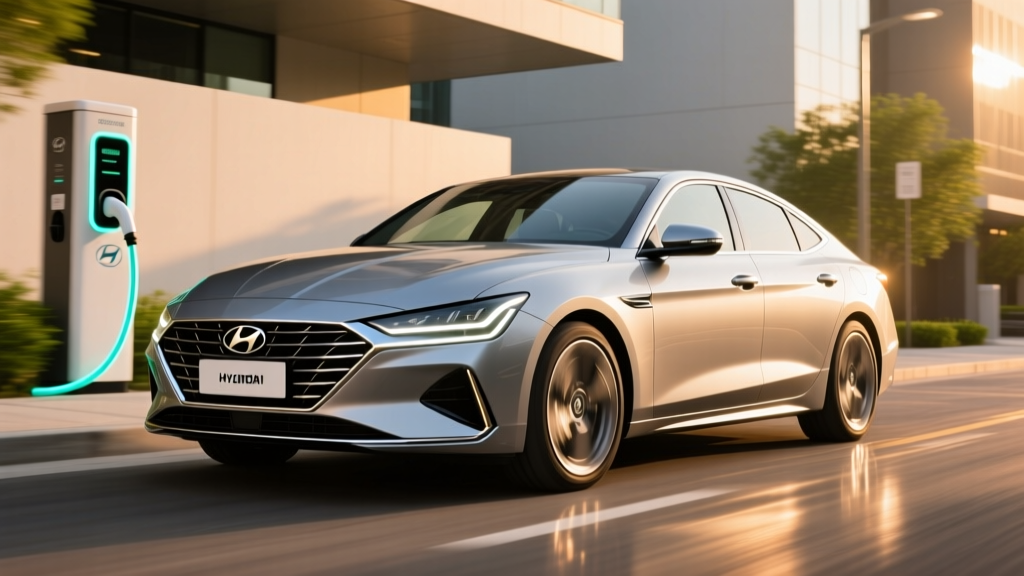
The Hyundai Sonata Hybrid occupies a precise niche in 2026: a midsize sedan that delivers near-50 MPG city driving without requiring a plug, a charging routine, or any change to how you refuel. For buyers weighing a conventional hybrid against a plug-in hybrid (PHEV) or a battery-electric vehicle (BEV), the Sonata Hybrid makes a compelling case on simplicity, range, and cost — provided its limitations are clearly understood.
This guide breaks down the 2026 Sonata Hybrid's EPA fuel economy, real-world MPG expectations, powertrain specs, battery longevity, pricing, and tax-credit eligibility — then answers the question every cross-shopping buyer asks: Is this the right electrified car for me, or should I look at a PHEV or full EV?
Sonata Hybrid Fuel Economy: EPA Numbers and Real-World MPG
The 2026 Hyundai Sonata Hybrid carries over the powertrain that debuted with the current generation's refresh, with EPA-estimated fuel economy that remains among the best in the midsize sedan segment.
| Trim | City MPG | Highway MPG | Combined MPG |
|---|---|---|---|
| Blue (base) | 50 | 54 | 52 |
| SEL / Limited | 44 | 51 | 47 |
The Blue trim achieves its 52 MPG combined through lower-weight wheels, slightly different gear ratios, and reduced accessory load. The SEL and Limited trims, which add larger alloy wheels, leather, and more electronics, drop to 47 combined — still excellent for a 3,300-lb sedan.
Hyundai's hybrid system, like Toyota's, tends to exceed its EPA city estimate in stop-and-go traffic, where regenerative braking recovers the most energy. In mixed suburban driving, owners frequently report 48–54 MPG in the Blue trim. Highway-only driving at 75+ MPH, however, can drop observed economy to 40–44 MPG, as aerodynamic drag overwhelms the electric motor's efficiency advantage. In cold weather (below 30°F), expect a 5–10% reduction due to engine running longer for cabin heat and reduced battery efficiency.
With a 13.2-gallon fuel tank, the Sonata Hybrid Blue delivers a theoretical range of 686 miles on a fill-up (52 × 13.2). In real-world mixed driving, plan for 580–640 miles between stops — still enough to make most road trips a one-stop affair.
Conventional Hybrid vs. Plug-In Hybrid: What the Sonata Offers
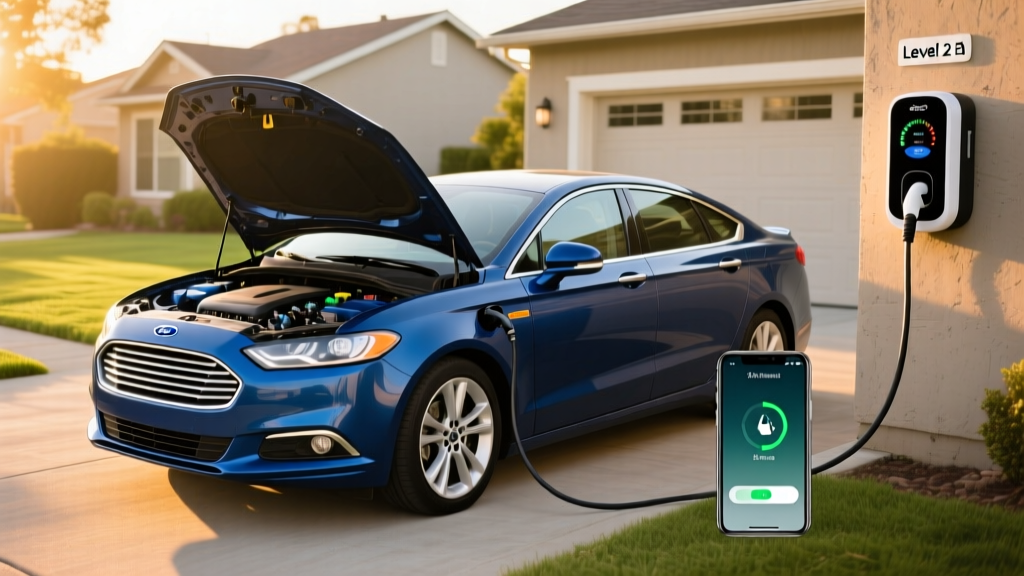
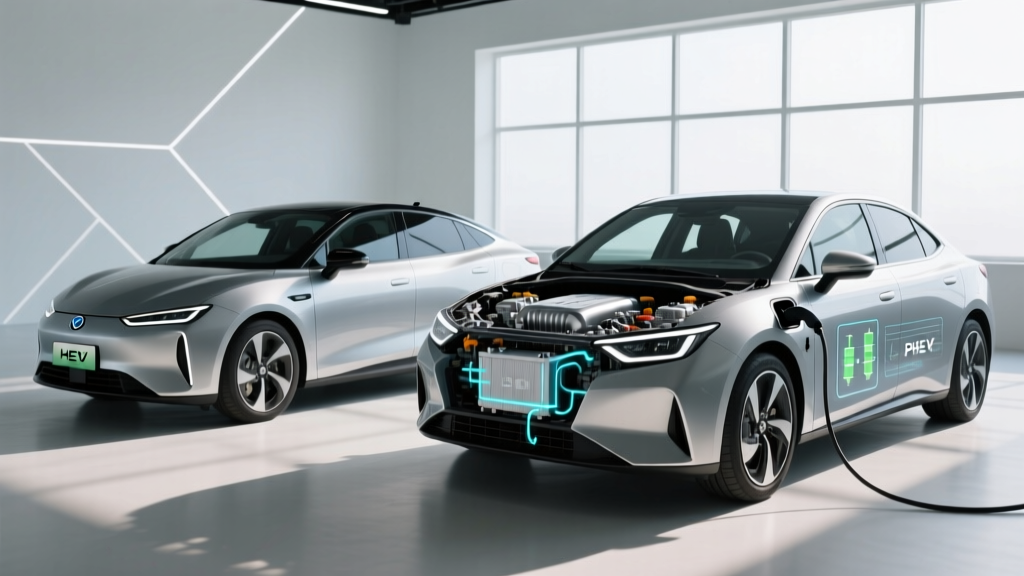
The 2026 Sonata lineup in the U.S. market is offered as a conventional hybrid (HEV). Hyundai previously sold a Sonata Plug-In Hybrid in earlier generations, but as of the 2026 model year, the plug-in variant is not available in the United States. This is a critical distinction for cross-shoppers.
| Feature | Sonata Hybrid (HEV) | Typical PHEV (e.g., Toyota Prius Prime) | Typical BEV (e.g., Tesla Model 3) |
|---|---|---|---|
| Plug-in charging required? | No | Yes (for EV range) | Yes (always) |
| Electric-only range | ~1 mile (low-speed creep) | 35–44 miles | 270–360 miles |
| Total range | ~600–680 miles | ~550–620 miles | 270–360 miles |
| Refueling / recharging | Gas station, 5 min | Gas + Level 2 (2–5 hr) | Level 2 or DC fast |
| Federal tax credit (§30D) | Not eligible | Up to $7,500* | Up to $7,500* |
| Starting MSRP (2026) | $30,950 | ~$33,000–$38,000 | ~$38,990–$47,000 |
* §30D credit eligibility depends on MSRP caps, buyer income limits, and battery-component/critical-mineral sourcing. See IRS.gov for current-year rules.
The Sonata Hybrid's advantage is zero behavior change. You fuel it at any gas station, never think about charging infrastructure, and still cut your fuel bill roughly in half compared to the gas-only Sonata (28 MPG combined). The trade-off: no electric-only commuting, no access to the §30D federal tax credit, and no HOV-lane access in most states.
Powertrain Specs: Engine, Motor, and Combined Output
| Engine | 2.0L inline-4 GDI (Smartstream) |
| Engine output | 150 HP / 139 lb-ft torque |
| Electric motor | 39 kW (52 HP) permanent-magnet synchronous |
| Combined system output | 194 HP / 271 lb-ft torque |
| Transmission | 6-speed automatic (no CVT) |
| Hybrid battery | 1.62 kWh lithium-ion polymer (self-charging) |
| 0–60 MPH | ~7.5 seconds (est.) |
| Drivetrain | Front-wheel drive |
| Curb weight | ~3,330–3,450 lbs (trim-dependent) |
Hyundai pairs its 2.0L naturally aspirated engine with a 39 kW electric motor sandwiched between the engine and a conventional 6-speed automatic — not a CVT. This matters: the Sonata Hybrid accelerates like a normal car with defined gear shifts, avoiding the rubber-band drone that plagues some hybrid competitors. The 194 combined horsepower is adequate for highway merging and passing, though not sporty. The electric motor fills in torque at low RPMs, giving responsive off-the-line behavior in city traffic.
The 1.62 kWh hybrid battery is small by EV standards — it exists to buffer regenerative energy and assist the engine, not to drive the car independently for meaningful distances. It charges entirely through regenerative braking and engine-driven generation. No plug-in charging is required or possible.
Pricing, Trims, and Tax Credit Eligibility
The 2026 Sonata Hybrid is offered in three trims. Pricing below includes destination charge:
| Trim | MSRP (incl. destination) | Key Features |
|---|---|---|
| Blue | $30,950 | 16" aero wheels, 12.3" digital cluster, wireless CarPlay/Android Auto, HDA2 |
| SEL | $34,350 | 17" alloys, heated front seats, blind-spot cameras, wireless charging pad |
| Limited | $38,750 | 19" wheels, panoramic sunroof, ventilated seats, leather, HUD, Highway Driving Assist |
- The Sonata Hybrid (HEV) does not qualify for the IRS §30D New Clean Vehicle Credit — that credit applies only to plug-in hybrids (PHEVs) and battery-electric vehicles (BEVs) with ≥7 kWh of battery capacity.
- Conventional hybrids are ineligible regardless of price or buyer income.
- Some states offer rebates for HEVs (e.g., partial HOV access or inspection exemptions), but these vary by jurisdiction. Check your state's energy or DMV website for current programs.
- If tax-credit eligibility is a priority, consider a PHEV (e.g., Toyota Prius Prime) or a BEV (e.g., Hyundai Ioniq 6) instead.
Battery Warranty, Longevity, and Replacement Cost
Hybrid battery anxiety is the single most common concern among first-time hybrid buyers. Here's what the data shows for the Sonata Hybrid:
- Hybrid battery: 10 years / 100,000 miles (whichever comes first)
- Hybrid system components (motor, inverter, converter): 10 years / 100,000 miles
- Powertrain (engine + transmission): 10 years / 100,000 miles
- New-vehicle limited warranty: 5 years / 60,000 miles
Source: Hyundai USA Warranty
The 1.62 kWh lithium-ion polymer battery in the Sonata Hybrid is far smaller and less stressed than an EV's traction battery. It operates in a narrow state-of-charge window (roughly 40–80%), which dramatically reduces degradation. Hyundai's hybrid batteries in the Sonata and Ioniq lines have shown strong longevity — failures within the warranty period are uncommon, and many units last well beyond 150,000 miles.
If replacement is needed out of warranty, a new OEM hybrid battery for the Sonata Hybrid typically costs $2,000–$3,500 (parts only), with labor adding $300–$600. This is a fraction of EV battery replacement costs ($8,000–$20,000+), reflecting the smaller capacity. Third-party remanufactured batteries are available for $1,200–$2,000 and are a viable option for high-mileage vehicles.
According to fueleconomy.gov, the Sonata Hybrid Blue carries an estimated annual fuel cost of approximately $900 (based on 15,000 miles/year and current fuel prices), compared to ~$1,650 for the gas-only Sonata — a savings of roughly $750 per year that accumulates meaningfully over a decade of ownership.
Real-World Ownership: What It's Actually Like
After extensive time with the Sonata Hybrid platform across multiple model years, several patterns emerge:
City driving is where it shines. The hybrid system recovers energy at every stoplight, and the electric motor handles low-speed crawling silently. Observed city MPG of 50–55 in the Blue trim is routine in warm weather. In dense urban traffic, the Sonata Hybrid can outperform its EPA rating.
Highway driving is competent but unremarkable. At 70–80 MPH, the engine does most of the work, and the hybrid advantage narrows. Expect 42–48 MPG on the highway in the Blue trim, dropping to 38–44 in the Limited with 19" wheels. This is still strong for the segment, but the city/highway split is inverted compared to gas cars (which typically rate higher on the highway).
The 6-speed automatic is a differentiator. Competitors like the Toyota Camry Hybrid use a CVT, which delivers marginally better efficiency but can feel disconnected under hard acceleration. The Sonata's conventional automatic provides more natural shift feel and engine braking, which many drivers prefer.
Cold weather reduces economy modestly. Below freezing, the engine runs more frequently to provide cabin heat (hybrid systems don't generate waste heat like gas-only cars). Expect a 5–10% MPG dip in sustained sub-30°F driving — far less than the 20–40% range loss EVs experience in the same conditions.
Who Should Choose the Sonata Hybrid vs. a PHEV or Full EV?
- You lack access to home or workplace charging (apartment, street parking, no garage)
- You want maximum range without planning fuel stops on road trips
- You prefer the lowest purchase price among electrified sedans
- You drive 15,000+ miles/year and want to cut fuel costs without behavioral change
- You live in an area with limited public charging infrastructure
- You can charge at home (Level 1 or Level 2) and commute under 40 miles round-trip
- You want electric-only daily driving with a gas engine for longer trips
- You want to qualify for the §30D federal tax credit (up to $7,500, income/MSRP/sourcing dependent)
- You're willing to pay $3,000–$7,000 more upfront for the plug-in capability
- You have reliable home Level 2 charging
- Your daily driving is under 250 miles and you road-trip infrequently
- You want zero tailpipe emissions and the lowest per-mile energy cost
- You qualify for the §30D credit and want maximum total-cost-of-ownership savings
Pros and Cons at a Glance
- 52 MPG combined (Blue) — top of the midsize hybrid sedan segment
- No plug-in charging required — zero behavior change
- 680+ mile total range eliminates road-trip fuel anxiety
- 10-year / 100,000-mile hybrid battery and powertrain warranty
- Conventional 6-speed automatic avoids CVT drone
- Competitive starting MSRP at $30,950
- Strong standard safety tech (HDA2, forward collision avoidance, blind-spot monitoring)
- Not eligible for the §30D federal tax credit
- No electric-only commuting capability
- 194 HP is adequate, not quick — 0–60 in ~7.5 seconds
- Higher trims (Limited at $38,750) approach PHEV and BEV pricing
- 19" wheels on Limited reduce MPG to 47 combined
- No AWD option (competitors like Camry Hybrid offer AWD)
- Regenerative braking feel takes adjustment for first-time hybrid drivers
Frequently Asked Questions
How many MPG does the 2026 Sonata Hybrid get?
The Sonata Hybrid Blue is EPA-rated at 50 city / 54 highway / 52 combined MPG. The SEL and Limited trims are rated at 44 city / 51 highway / 47 combined. Real-world city driving often exceeds EPA estimates; highway driving at high speeds may fall slightly below.
Does the Sonata Hybrid need to be plugged in?
No. The 2026 Sonata Hybrid is a conventional hybrid (HEV). Its 1.62 kWh battery charges entirely through regenerative braking and the gasoline engine. There is no plug, no charging cable, and no electric-only driving range beyond low-speed creeping.
Is there a Sonata Plug-In Hybrid available in 2026?
No. Hyundai discontinued the Sonata Plug-In Hybrid in the U.S. market after the previous generation. For a Hyundai plug-in option, consider the Tucson PHEV or Santa Fe PHEV (SUVs) or look at the Ioniq 6 for a fully electric sedan.
How long will the Sonata Hybrid battery last, and what does replacement cost?
Hyundai warranties the hybrid battery for 10 years / 100,000 miles. In practice, the small 1.62 kWh battery operates in a narrow charge window that minimizes degradation, and many units last 150,000+ miles. Out-of-warranty replacement costs approximately $2,000–$3,500 for OEM parts plus $300–$600 in labor. Remanufactured options are available for less.
Does the 2026 Sonata Hybrid qualify for any tax credit?
The Sonata Hybrid (HEV) does not qualify for the federal §30D New Clean Vehicle Credit, which is limited to PHEVs and BEVs with ≥7 kWh batteries. Some states may offer minor incentives for hybrids — check your state energy office. If the federal credit is important to you, a PHEV or BEV is required.
How does the Sonata Hybrid compare to the Toyota Camry Hybrid?
The Camry Hybrid (51 combined MPG, LE trim) matches the Sonata on efficiency and offers available AWD. The Sonata Hybrid counters with a conventional automatic (no CVT), a more upscale interior on higher trims, and Hyundai's 10-year powertrain warranty vs. Toyota's 10-year hybrid battery / 5-year powertrain coverage. Both are segment leaders — the choice often comes down to styling preference and AWD need.
What is the Sonata Hybrid's total cost of ownership vs. the gas-only Sonata?
At $30,950 starting MSRP, the Sonata Hybrid carries a ~$2,500 premium over the gas-only Sonata base. With fuel savings of approximately $750/year (based on 15,000 miles/year and EPA estimates from fueleconomy.gov), the hybrid premium pays for itself in roughly 3.3 years. Over a 10-year ownership period, total fuel savings can exceed $7,500 — more than offsetting the higher purchase price.