What Is a Series Hybrid Engine?
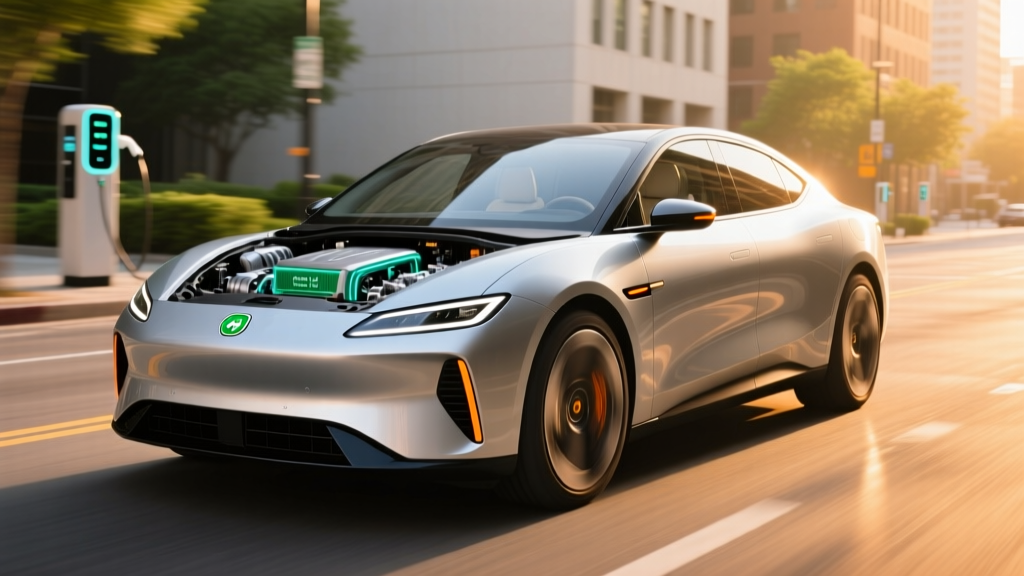
Most hybrids on the road use a parallel layout, where both the gasoline engine and the electric motor can turn the wheels directly. A series hybrid engine flips that arrangement: the gasoline engine never drives the wheels. Instead, it acts solely as a generator, producing electricity that either charges the onboard battery or feeds the electric motor that actually propels the vehicle. Engineers and marketers sometimes call this a range-extended electric vehicle (REEV) or an extended-range electric vehicle (EREV).
The driving experience is pure electric — instant torque, single-speed smoothness, regenerative braking — while a small, efficiently tuned combustion engine hums in the background to eliminate range anxiety. Think of it as an EV that carries its own power plant.
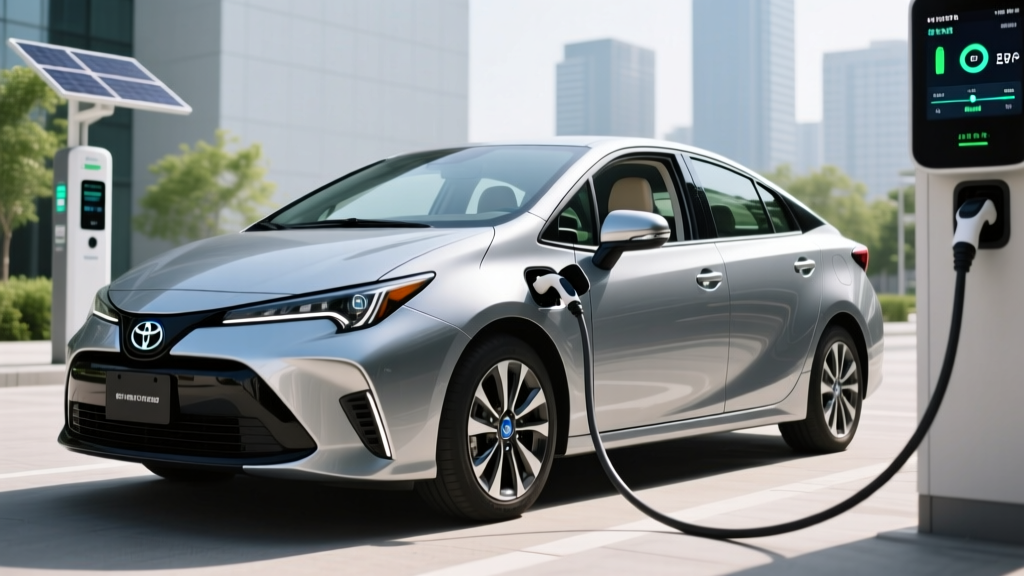
- Conventional Hybrid (HEV): Small battery (~1–2 kWh), no plug. Engine and motor both drive wheels (parallel). Example: Toyota Prius.
- Plug-in Hybrid (PHEV): Larger battery (~10–30 kWh), plug-in capable, 20–50 miles electric-only. Usually parallel or power-split. Example: Toyota RAV4 Prime.
- Series Hybrid / EREV: Engine is a generator only — never mechanically connected to wheels. Can be HEV (e.g., Nissan e-Power) or PHEV (e.g., BMW i3 REx, upcoming Ram 1500 REV).
In the 2026 model year, the series hybrid architecture is most visible in Nissan's e-Power lineup and in a handful of commercial and enthusiast vehicles. Several new EREV pickups and SUVs are also announced or entering production, signaling renewed automaker interest in the layout.
How a Series Hybrid Powertrain Works
The power flow in a series hybrid follows a single path:
- Battery pack supplies energy to the traction motor for initial and low-load driving.
- When battery State of Charge (SoC) drops below a threshold, the gasoline engine starts and spins a generator.
- The generator produces electricity that either powers the traction motor directly or recharges the battery — or both simultaneously.
- Regenerative braking recovers kinetic energy back into the battery during deceleration, just like a BEV.
Because the engine operates independently of vehicle speed, engineers can tune it to run at its most efficient RPM range almost continuously. This is the core efficiency advantage: a conventional engine must operate across a wide RPM band as vehicle speed changes, often far from its optimal efficiency island. A series hybrid's generator engine can stay near peak thermal efficiency (often 40% or above) for extended periods.
Series vs Parallel vs Power-Split
| Layout | Engine Drives Wheels? | EV Feel | Example |
|---|---|---|---|
| Parallel | Yes | Moderate | Honda CR-V Hybrid |
| Power-Split | Yes (via planetary gearset) | Moderate | Toyota Prius |
| Series | No (generator only) | Strong — like a BEV | Nissan Rogue e-Power |
2026 Models Using Series Hybrid Engines
The most accessible series hybrid vehicles in the U.S. market for 2026 come from Nissan's e-Power family. The Nissan Rogue e-Power (also badged X-Trail e-Power globally) is the volume player. Nissan's smaller e-Power models (Note, Kicks e-Power in some markets) are available overseas but have limited U.S. availability.
| Spec | Value |
|---|---|
| Powertrain Layout | Series hybrid (EREV/HEV) |
| Gasoline Engine | 1.5L VC-Turbo 3-cylinder (generator only) |
| Traction Motor Output | ~201 hp combined (front + rear e-AWD motors) |
| Battery | ~1.8–2.1 kWh lithium-ion (HEV, non-plug-in) |
| EPA Combined MPG (est.) | ~36–38 MPG combined |
| EPA City / Highway (est.) | ~37 city / 35 highway MPG |
| Electric-Only Range | Not applicable (HEV, no plug) |
| 0–60 mph (est.) | ~7.5 seconds |
| Drivetrain | e-AWD (dual motor) |
| Base MSRP (est.) | ~$36,000–$39,000 |
| Federal Tax Credit | Not eligible (§30D requires plug-in capability) |
Note: Nissan has not finalized 2026 U.S. Rogue e-Power specs at time of writing. Figures above are based on global X-Trail e-Power data and Nissan's published powertrain details. Check Nissan USA for confirmed specifications.
Other Series Hybrid / EREV Vehicles to Watch
- Ram 1500 REV (announced): Stellantis has confirmed an extended-range variant with a series-hybrid generator setup. Targeted 2026–2027 production. Preliminary specs suggest a large battery pack with a gasoline range-extender engine. Final specs TBD.
- Mazda MX-30 R-EV (PHEV series hybrid): Uses a rotary engine as a generator. Available in select markets with ~53 miles of electric-only range from a 17.8 kWh battery. U.S. availability remains limited.
- BMW i3 REx (discontinued): The iconic early EREV used a 647cc two-cylinder BMW Motorrad engine as a generator. No longer in production but widely available on the used market.
Fuel Economy: EPA MPG and Real-World Efficiency
| Vehicle | City MPG | Highway MPG | Combined MPG |
|---|---|---|---|
| Nissan Rogue e-Power (est.) | 37 | 35 | 36 |
| Toyota RAV4 Hybrid (parallel, baseline) | 41 | 38 | 39 |
| Honda CR-V Hybrid (parallel, baseline) | 43 | 36 | 40 |
Source: fueleconomy.gov for RAV4 and CR-V Hybrid. Rogue e-Power figures are estimates based on global testing; U.S. EPA certification pending.
Real-World MPG vs. EPA Sticker
Series hybrids share a trait with all hybrids: real-world efficiency varies significantly based on driving style and conditions.
- City driving: Series hybrids often exceed their EPA city rating. Stop-and-go traffic maximizes regenerative braking and keeps the generator engine at its optimal RPM. Expect 38–42 MPG in dense urban driving with the Rogue e-Power.
- Highway driving: Efficiency typically drops below EPA estimates at sustained 75+ mph. Aerodynamic drag rises with the square of speed, and the generator engine must work harder. Expect 30–33 MPG on the highway.
- Cold weather: Battery chemistry becomes less efficient below 40°F. The engine may run more frequently to maintain cabin heat and battery temperature. Plan for a 10–15% MPG reduction in winter conditions.
Battery, Warranty, and Long-Term Reliability
- Nissan e-Power: 8 years / 100,000 miles hybrid battery warranty (standard across Nissan's hybrid lineup)
- Industry standard: Most hybrid batteries carry 8–10 year / 100,000–150,000 mile warranties
- California-emission states: Some manufacturers extend to 10 years / 150,000 miles under CARB requirements
How Long Will a Series Hybrid Battery Last?
Series hybrid HEVs (like Nissan e-Power) use relatively small battery packs (~1.8–2.1 kWh). Because the pack is small and the engine-generator is always available to maintain charge, the battery rarely experiences deep discharge cycles — the primary driver of lithium-ion degradation. The battery operates in a narrow State of Charge window (typically 40–80%), which dramatically extends cycle life.
Based on data from Nissan's e-Power fleet in Japan (where the system has been in service since 2016), hybrid battery replacement before 150,000 miles is uncommon. When replacement is needed:
- Nissan e-Power battery replacement cost: Estimated $2,500–$4,000 (parts + labor) based on global service data
- Generator engine maintenance: Standard ICE maintenance — oil changes, spark plugs, coolant — but at reduced intervals because the engine runs fewer total hours than a conventional car
Reliability Considerations
Series hybrids have fewer mechanical wear points than parallel hybrids because there is no transmission, no clutch, and no mechanical linkage between engine and wheels. The traction motor has no brushes and essentially infinite service life. The generator engine runs at steady RPM, reducing thermal cycling stress.
However, the system adds complexity in the form of power electronics (inverters, DC-DC converters) and dual motor controllers (in AWD configurations). These components are generally reliable but expensive to replace if they fail outside warranty.
Pricing and Tax Credit Eligibility
| Vehicle | Est. Base MSRP | Federal §30D Credit | Notes |
|---|---|---|---|
| Nissan Rogue e-Power | ~$36,000–$39,000 | Not eligible | HEV (no plug) — §30D requires PHEV/BEV |
| Mazda MX-30 R-EV | ~$38,000 | Check eligibility | PHEV series hybrid — must meet battery sourcing rules |
| Ram 1500 REV (EREV) | TBA | Likely eligible (if MSRP ≤$80K) | Announced — final specs pending |
Federal Tax Credit Rules for Hybrids (§30D)
Under current IRS §30D rules, the federal clean vehicle credit applies only to plug-in electric vehicles — meaning battery-electric (BEV) and plug-in hybrid (PHEV) models. Conventional hybrids (HEV) that cannot be plugged in, like the Nissan Rogue e-Power, do not qualify for the federal credit regardless of their efficiency.
For PHEV series hybrids (like the Mazda MX-30 R-EV or the upcoming Ram 1500 REV EREV), eligibility depends on meeting all of the following criteria:
- Battery capacity: At least 7 kWh
- MSRP cap: ≤$55,000 for sedans; ≤$80,000 for SUVs, vans, and pickups
- Buyer income cap: AGI ≤$150,000 (single) / ≤$300,000 (joint)
- Battery component sourcing: Must meet escalating domestic-content and critical-mineral thresholds (rules tighten annually through 2032)
- Final assembly: Must occur in North America
Always verify eligibility at fueleconomy.gov before purchasing, as qualified model lists update frequently. Consider consulting a tax professional for your specific situation. Some states offer additional hybrid or PHEV rebates — check your state energy office for current programs.
Series Hybrid vs. PHEV vs. Full EV: Which Fits You?
Choose a series hybrid (HEV, e.g., Nissan e-Power) if:
- You want EV-like driving feel but have no access to home or workplace charging
- You drive primarily in city/suburban conditions where the series layout excels
- You want zero range anxiety and zero behavior change from your gas car
- You prioritize simplicity — no plug, no charging apps, no route planning
Choose a PHEV series hybrid (EREV, e.g., Ram 1500 REV) if:
Choose a full EV (BEV) if:
- You have reliable home Level 2 charging
- Your daily driving is under 250 miles and you can plan road-trip charging
- You want the lowest per-mile fuel cost and minimal maintenance
- You want to maximize federal and state incentives
- Pure electric driving feel — smooth, instant torque
- No plug required — works with existing gas-station infrastructure
- Engine runs at optimal RPM for better city efficiency
- No range anxiety — gasoline provides unlimited range
- Fewer mechanical wear points (no transmission)
- Energy conversion losses (mechanical → electrical → mechanical)
- Highway MPG often lower than optimized parallel hybrids
- HEV versions ineligible for federal tax credit
- Generator engine noise can feel disconnected from vehicle speed
- Limited model availability in the U.S. market
Ownership Costs: 5-Year Outlook
| Cost Category | Series Hybrid (Rogue e-Power est.) | Parallel Hybrid (RAV4 Hybrid) | Gasoline SUV (baseline) |
|---|---|---|---|
| Purchase Price | ~$37,500 | ~$34,000 | ~$31,000 |
| Fuel (75K mi) | ~$5,800 | ~$5,400 | ~$8,200 |
| Maintenance | ~$2,800 | ~$3,000 | ~$3,500 |
| Federal Tax Credit | $0 | $0 | $0 |
| 5-Year Total (est.) | ~$46,100 | ~$42,400 | ~$42,700 |
Assumes $3.50/gallon regular unleaded, 15,000 miles/year, 55% city driving. Actual costs vary by region and driving habits. Source: fueleconomy.gov cost estimator methodology.
Frequently Asked Questions
How many MPG does a series hybrid get?
The Nissan Rogue e-Power (the most prominent U.S.-market series hybrid) is estimated to achieve approximately 36–38 MPG combined, with slightly higher city figures (~37 MPG) than highway (~35 MPG). This city-biased efficiency profile is a hallmark of the series layout. Real-world city driving with heavy regenerative braking can push actual MPG above EPA estimates, while sustained highway driving at 75+ mph may drop to 30–33 MPG.
Can a series hybrid drive on electric power alone?
Yes — but only for very short distances in the HEV configuration. The Nissan e-Power's small ~2 kWh battery provides roughly 1–2 miles of electric-only driving at low speeds before the generator engine starts. In a PHEV series hybrid (EREV) like the Mazda MX-30 R-EV, the larger 17.8 kWh battery enables approximately 53 miles of electric-only range before the rotary generator kicks in.
Is a series hybrid more reliable than a conventional hybrid?
Series hybrids eliminate the transmission and mechanical coupling between engine and wheels, reducing mechanical failure points. The generator engine runs at steady RPM with less thermal cycling, potentially extending its life. However, the power electronics and dual-motor controllers add electrical complexity. Overall reliability data from Nissan's Japanese e-Power fleet (in service since 2016) suggests comparable or slightly better long-term reliability than parallel hybrids, though U.S.-market data is still limited.
What does it cost to replace a series hybrid battery?
For the Nissan e-Power system, estimated hybrid battery replacement costs range from $2,500 to $4,000 including parts and labor. The battery is covered under Nissan's 8-year/100,000-mile hybrid battery warranty. Because the battery operates in a narrow SoC window and is relatively small, full replacement before 150,000 miles is uncommon based on global fleet data.
Does a series hybrid qualify for the federal EV tax credit?
It depends on the configuration. A conventional series hybrid (HEV) like the Nissan Rogue e-Power does not qualify for the federal §30D clean vehicle credit because it cannot be plugged in. A plug-in series hybrid (EREV/PHEV) may qualify if it meets all IRS requirements including battery capacity (≥7 kWh), MSRP caps, buyer income limits, battery sourcing rules, and North American final assembly. Always verify at irs.gov before purchasing.
Why don't more automakers use series hybrids?
The primary disadvantage is the double energy conversion loss: the engine converts chemical energy to mechanical energy, the generator converts mechanical to electrical, and the motor converts electrical back to mechanical. Each step loses 3–8% of the energy. On the highway, where a parallel hybrid can send engine power directly to the wheels with minimal conversion, the series layout is inherently less efficient. Additionally, the U.S. tax code favors plug-in vehicles, giving automakers more incentive to develop PHEVs and BEVs than non-plug-in HEVs.
Is a series hybrid the same as an EREV?
Yes, in most practical usage. EREV (Extended-Range Electric Vehicle) is the marketing term most commonly applied to plug-in series hybrids with a large battery that provides meaningful electric-only range (30+ miles). The term "series hybrid" is the engineering description of the powertrain layout. Both describe the same fundamental architecture: engine as generator, motor as the sole wheel-drive source.
Editorial note: This article reflects information available as of early 2026. Hybrid and PHEV specifications, pricing, and tax-credit eligibility change frequently. Always confirm current figures with the manufacturer and the IRS before making a purchase decision.