Hybrid cars occupy a unique middle ground in 2026: they deliver meaningful fuel savings without the charging infrastructure dependency of a full battery-electric vehicle (BEV). But not all hybrids are created equal. Conventional hybrids (HEVs) and plug-in hybrids (PHEVs) serve fundamentally different use cases, and the wrong choice can leave money — and efficiency — on the table.
This guide breaks down the honest pros and cons of hybrid cars across both categories, using EPA data, real-world ownership patterns, and current pricing to help you decide whether an HEV, PHEV, or full EV fits your life.
HEV vs PHEV: The Fundamental Split
Before weighing advantages and drawbacks, you need to understand what separates these two powertrain types. A conventional hybrid (HEV) like the Toyota Prius or Honda Accord Hybrid uses a small battery (typically 1–2 kWh) charged entirely by regenerative braking and the gasoline engine. You never plug it in. A plug-in hybrid (PHEV) like the Toyota RAV4 Prime or Jeep Wrangler 4xe carries a much larger battery (15–25 kWh) that you charge from a wall outlet or public station, enabling 25–50 miles of electric-only driving before the gas engine engages.
| Feature | Conventional Hybrid (HEV) | Plug-in Hybrid (PHEV) |
|---|---|---|
| Battery size | 1–2 kWh (NiMH or Li-ion) | 13–25 kWh (Li-ion, often NMC) |
| Plug-in required? | No — self-charging | Yes — Level 1 or Level 2 |
| Electric-only range | ~1 mile or less at low speed | 25–50 miles (EPA) |
| Federal tax credit | None | Up to $7,500 (eligibility varies) |
| Starting MSRP range | $28,000–$38,000 | $38,000–$58,000 |
| Best for | No home charging access | Home charging + short commutes |
The Real Pros of Hybrid Cars
Exceptional City Fuel Economy (HEVs)
Conventional hybrids shine in stop-and-go traffic where regenerative braking recovers energy that a gas-only car wastes as heat. The 2026 Toyota Prius achieves an EPA-estimated 57 MPG city / 56 MPG highway / 57 MPG combined in its LE FWD trim, according to fueleconomy.gov. In real-world city driving, many Prius owners report exceeding 60 MPG because the electric motor handles low-speed acceleration almost entirely.
Electric-Only Commuting (PHEVs)
If your round-trip commute falls under 40 miles and you can charge at home, a PHEV effectively operates as an EV on weekdays. The 2026 Toyota RAV4 Prime delivers an EPA-rated 42 miles of electric-only range before the 2.5-liter four-cylinder engine fires up. That covers the daily driving of roughly 75% of American commuters without burning a drop of gasoline.
No Range Anxiety, No Charging Dependency
HEVs eliminate the two biggest barriers to EV adoption: you never need to find a charger, and your total range exceeds 500 miles on a single tank. PHEVs offer a similar safety net — once the battery depletes, the car operates as a conventional hybrid with full gas-station refueling.
Lower Upfront Cost Than BEVs
A 2026 Honda CR-V Hybrid starts around $36,000 MSRP, roughly $8,000–$12,000 less than a comparably equipped BEV SUV. Even after factoring in higher fuel costs over time, the lower purchase price makes hybrids accessible to buyers who can't stretch to EV pricing.
Proven Long-Term Reliability
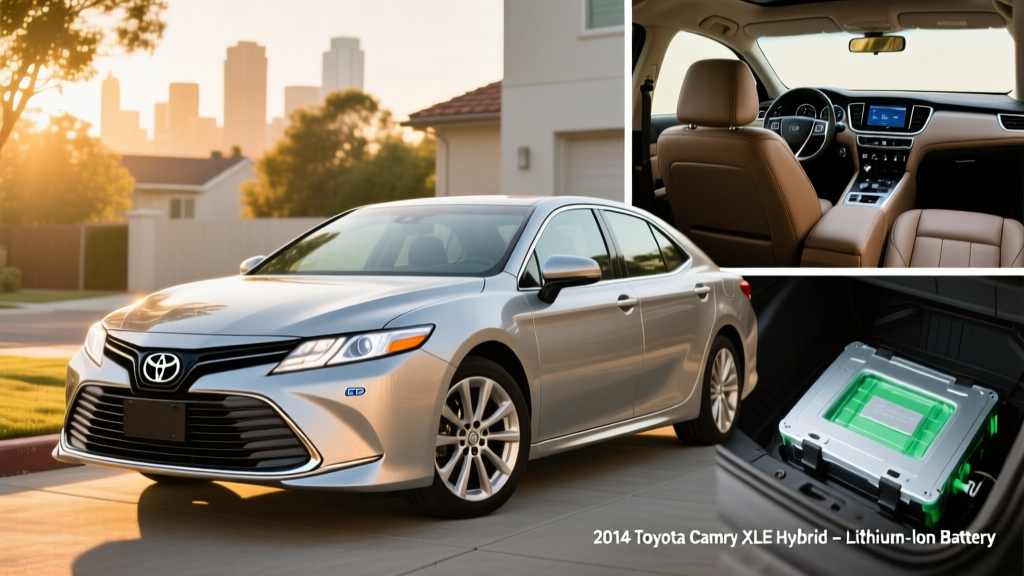
Toyota's Hybrid Synergy Drive has accumulated over two decades of real-world data. The Prius taxi fleets in cities like New York routinely exceed 300,000 miles on original hybrid batteries. Hybrid battery warranties typically cover 8 years / 100,000 miles (10 years / 150,000 miles in CARB states like California), with replacement costs between $2,000–$4,500 depending on the model.
The Honest Cons of Hybrid Cars
Higher Highway MPG Penalty (HEVs)
Hybrid efficiency advantages shrink at sustained highway speeds. The 2026 Honda Accord Hybrid rates at 51 MPG city but only 44 MPG highway. At 70+ mph, the gasoline engine does nearly all the work, and the added weight of the hybrid system (roughly 200–300 lbs over a gas-only equivalent) works against you. Some efficient turbocharged gas engines close the gap on the highway.
PHEV Complexity and Weight
Plug-in hybrids carry both a full gasoline powertrain and a substantial battery pack. The 2026 Jeep Wrangler 4xe weighs over 5,000 lbs, and once its 21 miles of electric range depletes, it returns a middling 20 MPG combined as a hybrid. You're hauling battery weight you're no longer using.
PHEVs Require Charging Discipline
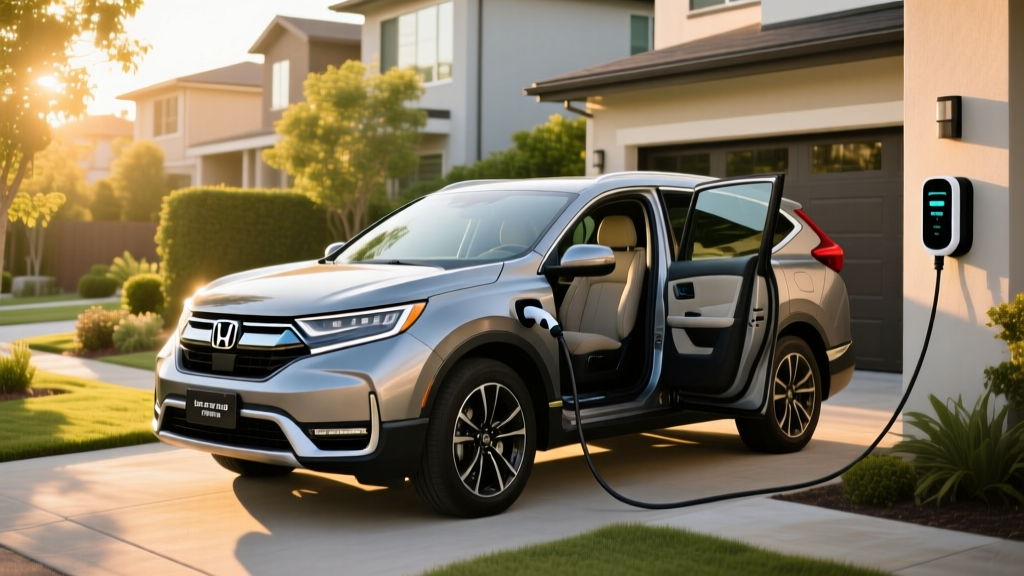
A PHEV you never plug in is just an expensive, heavy hybrid. If you lack access to home or workplace Level 2 charging (240V), the electric-range advantage disappears entirely. Charging a PHEV on a standard 120V Level 1 outlet takes 8–12 hours for a full charge — adequate for overnight but impractical for quick top-ups.
Reduced Cargo and Interior Space
Battery packaging cuts into cargo volume in some models. The Hyundai Tucson PHEV loses roughly 2 cubic feet of rear cargo space compared to its gas-only sibling. Always check cargo specs against your actual needs.
Limited Federal Incentives for HEVs
Conventional hybrids qualify for zero federal tax credits under current IRS §30D rules. Only PHEVs with sufficient battery capacity and compliant sourcing may qualify, and even then, MSRP caps ($80,000 for SUVs/pickups, $55,000 for sedans), buyer income limits ($150K single / $300K joint), and critical-mineral sourcing requirements apply. Always verify current eligibility at IRS.gov.
Fuel Economy Compared: Top 2026 Hybrids
Below are EPA-estimated figures for popular 2026 models. Real-world results vary: city-heavy driving tends to favor hybrids (often exceeding EPA estimates), while cold weather and highway-heavy trips reduce MPG by 5–15%.
| Vehicle (2026) | City MPG | Hwy MPG | Combined | EV Range (PHEV) | Base MSRP |
|---|---|---|---|---|---|
| Toyota Prius (HEV, FWD) | 57 | 56 | 57 | N/A | $28,550 |
| Toyota Prius Prime (PHEV) | 50 (hybrid) | 47 (hybrid) | 48 (hybrid) | 44 mi | $33,675 |
| Honda Accord Hybrid | 51 | 44 | 48 | N/A | $33,655 |
| Toyota RAV4 Prime (PHEV) | 40 (hybrid) | 36 (hybrid) | 38 (hybrid) | 42 mi | $44,515 |
| Honda CR-V Hybrid | 43 | 36 | 40 | N/A | $36,395 |
| Hyundai Tucson PHEV | 35 (hybrid) | 33 (hybrid) | 34 (hybrid) | 33 mi | $39,460 |
| Ford Maverick Hybrid | 42 | 33 | 38 | N/A | $29,495 |
Source: EPA estimates via fueleconomy.gov. Real-world highway MPG may be 5–12% lower. PHEV hybrid-mode MPG applies after battery depletion.
PHEV Battery, Charging, and Powertrain Specs
For buyers considering a plug-in hybrid, the electrical specs matter as much as the MPG sticker. Here's what the top PHEVs actually deliver:
| PHEV Model | Battery (kWh) | Combined HP | L2 Charge Time | DC Fast Charge? | Total Range |
|---|---|---|---|---|---|
| Prius Prime | 13.6 kWh | 220 hp | ~4 hrs (3.6 kW) | No | ~490 mi |
| RAV4 Prime | 18.1 kWh | 302 hp | ~2.5 hrs (6.6 kW) | No | ~520 mi |
| Tucson PHEV | 13.8 kWh | 261 hp | ~2 hrs (7.2 kW) | No | ~420 mi |
| Wrangler 4xe | 17.3 kWh | 375 hp | ~2.5 hrs (7.2 kW) | No | ~370 mi |
Key insight: Almost no PHEVs support DC fast charging. The batteries are too small to justify the cost and weight of DC hardware. Plan on Level 2 (240V) home charging for daily use. A standard 120V outlet adds roughly 4–6 miles of range per hour of charging — enough to recover overnight for shorter commutes.
Hybrid Battery Warranty & Replacement Cost
Every major manufacturer covers hybrid and PHEV batteries for a minimum of 8 years / 100,000 miles. In states that follow California Air Resources Board (CARB) standards — including CA, NY, WA, MA, and others — that extends to 10 years / 150,000 miles.
Replacement costs if you're out of warranty:
- HEV battery (Prius, Accord Hybrid): $2,000–$3,500
- PHEV battery (RAV4 Prime, Tucson PHEV): $4,000–$8,000
In practice, hybrid battery failures before 150,000 miles are rare. Toyota's nickel-metal hydride packs and modern lithium-ion packs from Hyundai/Kia have demonstrated strong longevity in fleet data.
Tax Credit Eligibility for Hybrids and PHEVs
This is where many buyers get confused. Under current IRS §30D rules for 2026:
- Conventional hybrids (HEVs): Do NOT qualify for any federal purchase tax credit. The battery is too small to meet the 7 kWh minimum threshold.
- Plug-in hybrids (PHEVs): May qualify for up to $7,500, but only if the vehicle meets all of the following criteria:
§30D PHEV Credit Requirements (2026)
- Battery capacity ≥ 7 kWh ✓ (most PHEVs qualify)
- Final assembly in North America ✓ (check VIN at NHTSA.gov)
- MSRP below cap: $80,000 (SUVs/pickups/vans) or $55,000 (sedans)
- Buyer AGI limits: $150K (single), $225K (HOH), $300K (joint)
- Battery components and critical minerals sourcing thresholds (phased annually — verify each model year)
- Credit can be transferred to dealer at point of sale for an immediate price reduction
Always confirm eligibility with a tax professional and check the latest sourcing compliance at IRS.gov before purchasing.
As of early 2026, PHEVs like the RAV4 Prime and Wrangler 4xe have qualified for partial or full credits depending on battery sourcing compliance, but these determinations shift as supply chains change. The Prius Prime's lower MSRP keeps it under the sedan cap, making it one of the most credit-accessible PHEVs on the market.
Hybrid vs PHEV vs Full EV: Which Is Right for You?
The decision comes down to three variables: charging access, daily mileage, and budget.
Decision Framework
Choose a conventional hybrid (HEV) if:
- You rent or live in an apartment without charging access
- Your budget is under $35,000
- You want maximum simplicity — no plugs, no apps, no charging planning
- You drive mostly in city traffic where hybrid efficiency peaks
Choose a plug-in hybrid (PHEV) if:
- You have reliable Level 2 home or workplace charging
- Your daily round-trip commute is under 45 miles
- You regularly take longer road trips where EV charging infrastructure is sparse
- You want EV-like daily operating costs with gas-engine backup
Choose a full battery-electric vehicle (BEV) if:
- You can install a Level 2 home charger and your apartment/workplace supports charging
- Your daily driving stays within 200–250 miles (well within modern BEV range)
- You want to eliminate gasoline costs and maintenance entirely (no oil changes, no spark plugs)
- You qualify for the full $7,500 federal credit and want the lowest per-mile fuel cost
Pros and Cons Summary
✓ Pros of Hybrid Cars
- 40–57 MPG combined (HEV) — best-in-class city efficiency
- 25–50 miles electric range (PHEV) covers most commutes
- No range anxiety — gas station backup always available
- Lower purchase price than comparable BEVs
- Proven battery longevity (200K+ miles common)
- 8–10 year hybrid battery warranty standard
- Strong resale value, especially Toyota/Honda models
- No home charging required (HEV)
✗ Cons of Hybrid Cars
- Highway MPG advantage narrows or disappears at 70+ mph
- PHEVs are heavy — reduced efficiency once battery depletes
- No federal tax credit for conventional HEVs
- PHEV credits subject to complex sourcing and income rules
- PHEVs require charging discipline or you waste the EV benefit
- Battery replacement costs $2,000–$8,000 out of warranty
- Some models lose cargo space to battery packaging
- Still require oil changes, spark plugs, and emissions maintenance
Frequently Asked Questions
How many MPG does a hybrid car actually get in real driving?
EPA estimates are a solid baseline, but hybrids often exceed them in city driving. The 2026 Toyota Prius rates at 57 MPG combined, and owners regularly report 58–62 MPG in urban stop-and-go conditions. Highway-only trips at 75+ mph tend to drop to 48–52 MPG. For PHEVs, once the battery depletes, expect hybrid-mode MPG to match or slightly trail a conventional hybrid due to the extra battery weight.
How far can a PHEV go on electric power alone?
Current PHEVs deliver between 25 and 50 miles of EPA-rated electric range. The Prius Prime leads at 44 miles, the RAV4 Prime at 42 miles, and the Tucson PHEV at 33 miles. Cold weather (below 32°F) can reduce electric range by 20–30% due to cabin heating demands and reduced battery efficiency. If your commute exceeds the electric range, the gas engine seamlessly takes over.
Is a hybrid car reliable, and what does battery replacement cost?
Hybrid powertrains from Toyota, Honda, and Hyundai/Kia have demonstrated excellent reliability over two decades. The hybrid battery is the most expensive component unique to these vehicles, but failures before 150,000 miles are uncommon. Out-of-warranty replacement runs $2,000–$3,500 for HEV batteries and $4,000–$8,000 for PHEV packs. Given the 8–10 year warranty coverage and typical ownership cycles, most buyers will never face this cost.
Does a hybrid qualify for any tax credit in 2026?
Conventional hybrids (HEVs) do not qualify for any federal purchase incentive. Plug-in hybrids (PHEVs) may qualify for up to $7,500 under IRS §30D, but eligibility depends on MSRP caps, buyer income limits, battery sourcing compliance, and North American assembly. The credit can now be transferred to the dealer at point of sale, reducing your out-of-pocket cost immediately. Verify your specific situation at IRS.gov and consult a tax professional.
Should I buy a hybrid, PHEV, or full EV?
If you lack home charging access, an HEV is the clear choice — zero infrastructure needed. If you can charge at home and commute under 45 miles daily, a PHEV gives you electric operating costs on weekdays with road-trip flexibility. If you have reliable charging and your daily driving stays under 250 miles, a full BEV offers the lowest operating cost, zero tailpipe emissions, and the strongest federal incentives. The "best" choice depends entirely on your charging situation and driving pattern — not on which technology is newest.
Do hybrid cars need to be plugged in?
No — conventional hybrids (HEVs) never require plugging in. They generate all their electrical energy through regenerative braking and the gasoline engine. Only plug-in hybrids (PHEVs) benefit from external charging, and even PHEVs will operate normally (as a conventional hybrid) if you forget to plug in — you just lose the electric-only range advantage.