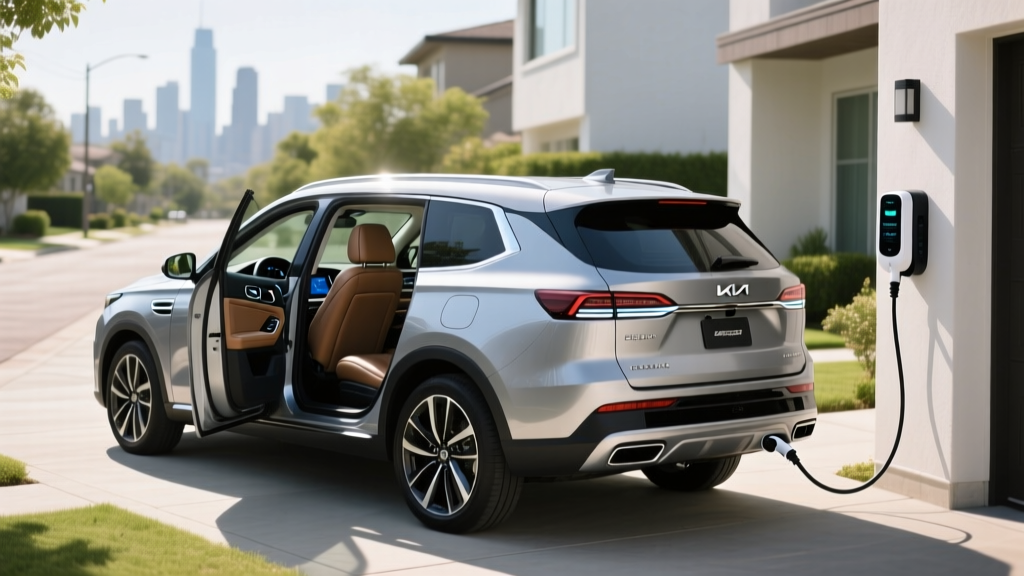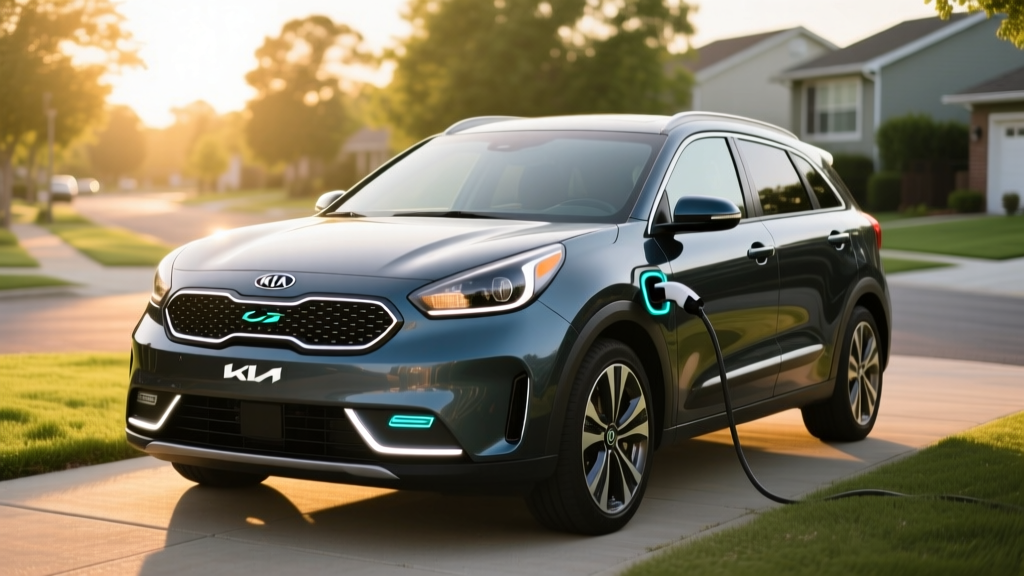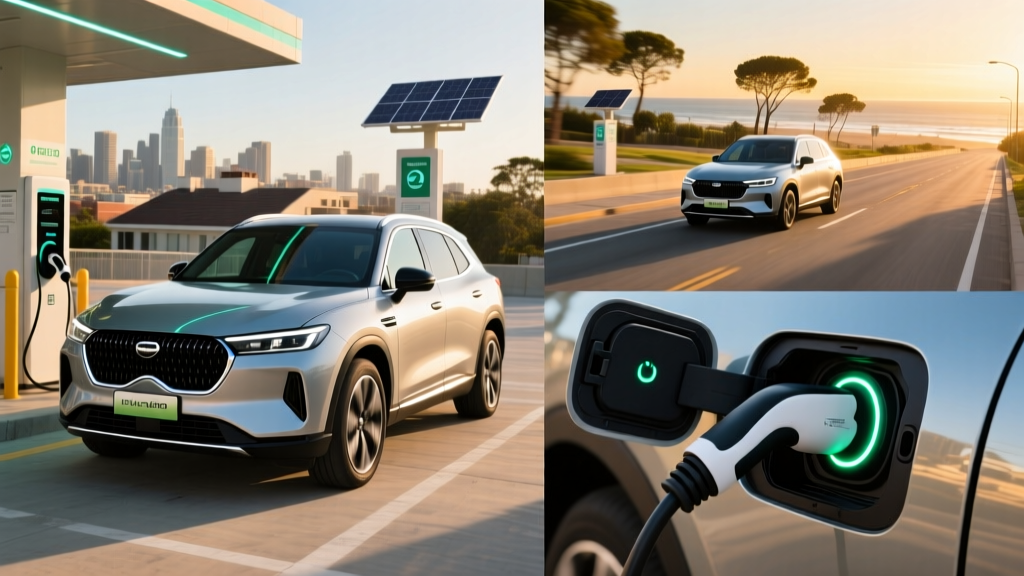
The automotive market in 2026 is fractured into three distinct camps: pure battery-electric vehicles (BEVs), conventional hybrids (HEVs), and the bridge technology that is the plugin electric hybrid (PHEV). For many buyers, the PHEV represents the most pragmatic entry into electrification. It offers the ability to commute on cheap, silent electricity while retaining a gasoline engine for road trips, eliminating the range anxiety that still plagues the BEV segment in rural or cold-weather regions.
However, the math only works if you understand the difference between a 'self-charging' hybrid and a plug-in. This guide breaks down the engineering, the economics, and the ownership reality of the modern plugin electric hybrid.
The Core Distinction: HEV vs. PHEV vs. BEV
To make an informed decision, you must first separate the powertrain architectures. A conventional Hybrid Electric Vehicle (HEV), like the standard Toyota Prius, uses a small battery (usually 1–2 kWh) that is recharged solely by the engine and regenerative braking. You never plug it in. A Plugin Electric Hybrid (PHEV), like the Toyota RAV4 Prime, carries a much larger battery (15–25 kWh) and an electric motor powerful enough to drive the car at highway speeds without the engine turning on.
| Feature | Conventional Hybrid (HEV) | Plugin Electric Hybrid (PHEV) | Battery Electric (BEV) |
|---|---|---|---|
| Battery Size | ~1–2 kWh | ~15–25 kWh | ~60–100+ kWh |
| Electric-Only Range | 1–2 miles (low speed) | 25–50 miles | 250–400+ miles |
| Plug-in Required? | No | Yes (to realize value) | Yes |
| Fuel Source | Gasoline | Gasoline + Electricity | Electricity |
| Tax Credit (§30D) | No | Up to $7,500 (varies) | Up to $7,500 (varies) |
Fuel Economy and Electric Range: The Real Numbers
The EPA measures PHEV efficiency in two ways: MPGe (miles per gallon equivalent) when running on electricity, and standard MPG when the battery is depleted and the engine takes over. A common mistake buyers make is looking only at the MPGe figure, which can be over 100. If you don't plug in, a PHEV is just a heavy hybrid, and its MPG may actually be slightly lower than a dedicated HEV due to the weight of the larger battery.
2026 Benchmark: Toyota RAV4 Prime (PHEV)
The RAV4 Prime remains the gold standard for the segment. It offers 42 miles of EPA-rated electric range and 38 MPG combined once the battery is empty. With a 14.5-gallon tank, total system range exceeds 600 miles.
| Mode | EPA Rating | Real-World Expectation |
|---|---|---|
| Electric Only | 94 MPGe | 35–42 miles range (weather dependent) |
| Hybrid Mode (Gas) | 38 MPG Combined | 36–40 MPG (highway/city mix) |
| City Driving (Gas) | 40 MPG | Often exceeds EPA due to regen braking |
Powertrain Performance and Charging Logistics
Modern plugin electric hybrids are no longer 'economy' cars; they are often the performance trims of their respective lineups. The combination of a turbocharged or Atkinson-cycle engine with a high-output electric motor frequently results in 0–60 mph times in the 5- to 6-second range.
| Spec | Typical PHEV Crossover (2026) |
|---|---|
| Combined Horsepower | 302 hp (e.g., RAV4 Prime) to 450+ hp (e.g., BMW X5 xDrive50e) |
| Battery Chemistry | NMC (Nickel Manganese Cobalt) or LFP (Lithium Iron Phosphate) |
| Level 1 Charging (120V) | ~12–18 hours for full charge (not recommended for daily use) |
| Level 2 Charging (240V) | 2.5–4 hours (typical 3.3 kW to 7.2 kW onboard charger) |
| DC Fast Charging | Rare; most PHEVs lack DCFC capability |
Charging Reality: Most PHEVs top out at 7.2 kW on Level 2. This means you must have home or workplace charging to make financial sense of the vehicle. Relying on public Level 2 chargers is impractical for a 18 kWh battery when you pay by the hour or session fee.
Battery Longevity, Reliability, and Warranty
Hybrid and PHEV batteries are engineered for longevity. Unlike early 2010s models, 2026-era battery management systems (BMS) use aggressive thermal buffering, meaning the car never lets you use 100% of the battery's gross capacity. This 'buffer' prevents the deep cycles that cause degradation.
Warranty Mandate
By federal law in the United States, hybrid and PHEV batteries must carry a minimum warranty of 8 years or 100,000 miles. In CARB states (California, New York, etc.), this is often extended to 10 years or 150,000 miles. If the battery capacity drops below a certain threshold (usually 60–70% of original), the manufacturer must replace it at no cost.
Out-of-warranty replacement costs for a PHEV battery typically range from $4,000 to $9,000 depending on the model, though refurbished units are becoming more common as the first generation of mass-market PHEVs ages out.
Tax Credits and Purchase Economics
The IRS §30D Clean Vehicle Credit is the primary financial incentive for PHEV buyers in 2026. However, the rules are complex. To qualify for the full $7,500, the vehicle must meet battery component and critical mineral sourcing requirements. Furthermore, the credit is now available as a point-of-sale rebate, reducing the dealer price directly.
- MSRP Caps: Vans, SUVs, and pickups must be under $80,000; sedans under $55,000.
- Income Caps: Adjusted Gross Income (AGI) must not exceed $300k (joint), $225k (head of household), or $150k (single).
- Battery Sourcing: Must meet annual increasing percentages of North American assembly and mineral sourcing.
Decision Framework: Which Powertrain Fits?
Choose a Plugin Electric Hybrid (PHEV) if:
- You have a predictable commute under 40 miles and can charge at home.
- You take frequent road trips where public charging infrastructure is sparse.
- You live in a region with extreme cold (below 20°F), where BEV range drops 20–30%.
Choose a Conventional Hybrid (HEV) or BEV if:
- HEV: You are an apartment dweller with zero access to charging plugs.
- BEV: You want minimal maintenance (no oil changes, no engine) and have reliable Level 2 home charging.
Frequently Asked Questions
Do I have to plug in a plugin electric hybrid?
Technically, no. The car will operate as a standard hybrid if you never plug it in. However, you will forfeit the fuel savings and the performance benefits of the electric motor, essentially paying for a battery you aren't using.
How long do PHEV batteries last?
Data from the last decade suggests modern PHEV batteries regularly exceed 150,000 miles with minimal degradation. The 'hybrid' nature of the car means the battery is rarely deep-cycled, which extends its life significantly compared to early BEVs.
Is a PHEV cheaper to maintain than a gas car?
It is a middle ground. You still have an engine requiring oil changes and spark plugs, but you use the engine less, potentially extending its life. Brake wear is also significantly reduced due to regenerative braking.
Where can I find official efficiency data?
Always verify the window sticker numbers at fueleconomy.gov, the official DOE source for EPA ratings.