Why the Used PHEV Market Is Heating Up in 2026
The search for a reliable plug-in used hybrid has never been more relevant. As 2026 unfolds, the pre-owned PHEV market is flush with 3-to-6-year-old models from Toyota, Ford, Hyundai, Jeep, and BMW — vehicles originally bought with the promise of electric commuting and gas-powered road trips. But buying a used plug-in hybrid comes with questions that don't apply to conventional used cars: How degraded is the battery? Does it still hold enough charge for daily errands? And does a used PHEV still qualify for any tax incentives?
This guide breaks down everything you need to evaluate before purchasing a used plug-in hybrid, including battery health checks, real-world efficiency data, and which models hold up best after 60,000+ miles.
HEV vs. PHEV: Know the Difference Before You Shop
A common mistake among used-car shoppers is conflating a conventional hybrid (HEV) with a plug-in hybrid (PHEV). They operate very differently and serve different use cases.
| Feature | Conventional Hybrid (HEV) | Plug-In Hybrid (PHEV) |
|---|---|---|
| Battery size | 1–2 kWh (small) | 8–25 kWh (large) |
| Plug-in charging | No — charges via engine & regen | Yes — Level 1/2 plug-in required for full benefit |
| Electric-only range | 0–1 mile at low speed | 20–45 miles (EPA) |
| EPA fuel economy | 40–57 MPG combined | 30–42 MPG combined (after battery depletes) + 80–105 MPGe blended |
| Federal tax credit (new) | None | Up to $7,500 (§30D, subject to eligibility) |
| Used vehicle credit | None | Up to $4,000 (§25E, income-limited) |
| Best for | Drivers who can't charge at home | Drivers with home/work charging who want electric commutes + gas flexibility |
If you can install a Level 2 charger at home or have reliable charging at work, a PHEV lets you drive most daily trips on electricity while keeping the gas engine for road trips. If charging access is uncertain, a conventional HEV like a used Toyota Camry Hybrid or Honda CR-V Hybrid may serve you better with zero plug-in hassle.
Top Used PHEV Models Worth Considering in 2026
Based on reliability records, battery warranty coverage, and real-world owner data, here are the strongest used plug-in hybrids on the 2026 pre-owned market.
Toyota RAV4 Prime (2021–2024 model years)
The RAV4 Prime remains the gold standard for used PHEV shoppers. With 42 miles of EPA-rated electric range, 302 combined horsepower, and a 94 MPGe blended rating, it delivers genuine electric commuting with legitimate acceleration. The 18.1 kWh battery is backed by Toyota's 10-year/150,000-mile hybrid battery warranty (in states following CARB standards; 10-year/100,000-mile in federal-epa states). Expect to pay $30,000–$38,000 for a 2022–2023 model with 30,000–50,000 miles.
Ford Escape PHEV (2020–2024)
The Escape PHEV offers 37 miles of electric range from its 14.4 kWh battery and a combined 210 horsepower. EPA rates it at 40 MPG combined once the battery is depleted and 105 MPGe in blended operation. Ford's hybrid battery warranty runs 8 years/100,000 miles. Used examples from 2022–2023 trade between $24,000 and $31,000.
Hyundai Tucson PHEV (2022–2024)
Hyundai's Tucson PHEV pairs a 1.6L turbocharged engine with a 66.9 kW electric motor for 261 combined horsepower. Its 13.8 kWh battery delivers 33 miles of EPA electric range, and the vehicle achieves 35 MPG combined on gas alone. Hyundai's 10-year/100,000-mile powertrain warranty is a standout, though note that the warranty may not fully transfer to second owners — verify with the dealer. Used pricing sits at $27,000–$34,000.
Jeep Wrangler 4xe (2021–2024)
The Wrangler 4xe is the off-road PHEV, offering 21 miles of electric range and 375 horsepower from its 2.0L turbo + dual-motor setup. It's the least efficient option here — just 20 MPG combined on gas — but it's the only PHEV you can take rock crawling. Battery capacity is 17.3 kWh. Used prices range from $28,000 to $40,000 depending on trim and mileage.
BMW 330e (2020–2024)
For luxury sedan buyers, the BMW 330e offers 22–23 miles of electric range (depending on model year), 288 combined horsepower, and 28 MPG combined on gas. Its 12.0 kWh usable battery charges in roughly 3 hours on Level 2. Pre-owned examples from 2022–2023 range from $30,000 to $42,000.
Real-World MPG and Electric Range: What Owners Actually See
EPA stickers tell only part of the story. In real-world driving, PHEVs often deviate from their ratings based on temperature, terrain, driving style, and whether the driver actually charges regularly.
| Model | EPA Electric Range | Real-World Electric Range | EPA MPG (gas) | Real-World MPG (gas) |
|---|---|---|---|---|
| Toyota RAV4 Prime | 42 mi | 35–40 mi (summer); 28–32 mi (winter) | 38 combined | 36–40 combined |
| Ford Escape PHEV | 37 mi | 30–35 mi (summer); 24–28 mi (winter) | 40 combined | 37–42 combined |
| Hyundai Tucson PHEV | 33 mi | 27–31 mi (summer); 22–26 mi (winter) | 35 combined | 32–36 combined |
| Jeep Wrangler 4xe | 21 mi | 17–20 mi (summer); 14–17 mi (winter) | 20 combined | 18–22 combined |
| BMW 330e | 22 mi | 18–21 mi (summer); 15–18 mi (winter) | 28 combined | 26–30 combined |
The pattern is clear: expect a 10–20% reduction in electric range during cold weather due to cabin heating demands and reduced battery efficiency. Gas-mode MPG tends to track closer to EPA estimates, with conventional hybrids often exceeding their city ratings in stop-and-go traffic where regenerative braking shines.
Battery Health, Degradation, and Warranty: The #1 Used PHEV Concern
The traction battery is the single biggest variable when buying any used electrified vehicle. Here's what you need to know about PHEV battery longevity.
Typical PHEV Battery Degradation
PHEV batteries are smaller than full EV batteries and cycle more frequently, which accelerates wear slightly. However, most manufacturers engineer aggressive buffer zones — the vehicle may use only 70–80% of the total cell capacity, leaving top and bottom buffers to protect longevity.
Based on owner-reported data from PHEV forums and fueleconomy.gov tracking:
- Year 1–3: 2–5% capacity loss (often imperceptible)
- Year 4–6: 5–12% capacity loss (electric range drops by 2–5 miles)
- Year 7–10: 10–20% capacity loss (noticeable but still functional for most commutes)
A 2021 RAV4 Prime with 60,000 miles might show 8–10% degradation, meaning its 42-mile electric range has dropped to roughly 37–38 miles. That's still very usable.
Battery Replacement Cost
If a PHEV battery fails outside warranty, replacement costs vary significantly:
- Toyota RAV4 Prime: $8,000–$12,000 (dealer); $4,000–$6,000 (independent hybrid specialist)
- Ford Escape PHEV: $7,000–$10,000
- Hyundai Tucson PHEV: $6,500–$9,000
- Jeep Wrangler 4xe: $9,000–$14,000
- BMW 330e: $10,000–$15,000 (dealer only in most markets)
Before purchasing, ask the seller or dealer for a battery health report. Toyota and Hyundai dealers can pull State of Health (SoH) data via OBD-II. For other brands, an independent shop with hybrid diagnostic tools can assess remaining capacity.
Charging a Used PHEV: What You Need at Home
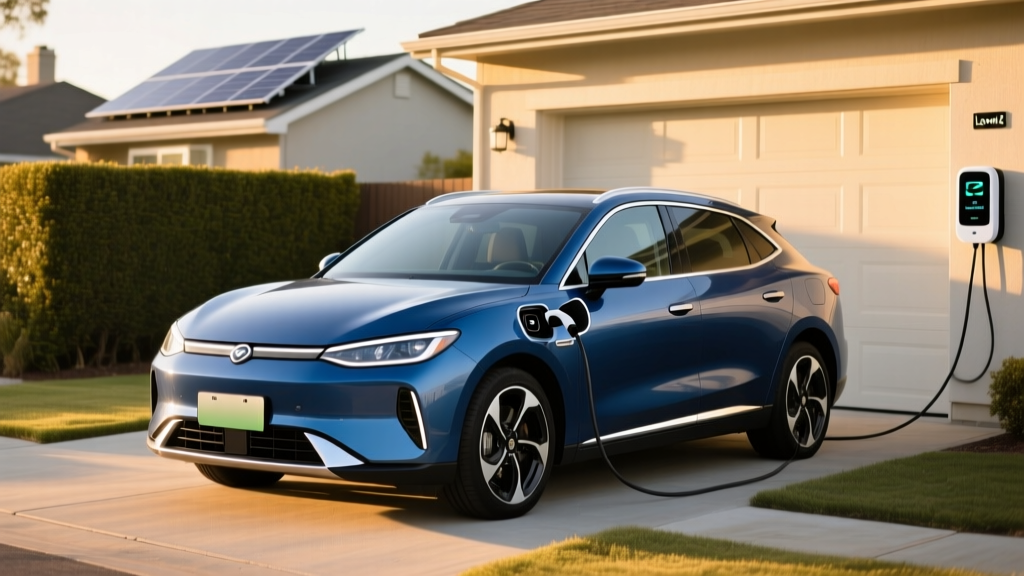
One advantage of PHEVs over full EVs: their smaller batteries mean faster, simpler charging. Most used PHEVs charge fully on a standard 120V household outlet (Level 1) overnight.
| Charging Level | Power (kW) | Typical Full Charge Time (PHEV) | Equipment Needed |
|---|---|---|---|
| Level 1 (120V outlet) | 1.2–1.4 kW | 8–14 hours | Included charging cord (verify it's present on used purchase) |
| Level 2 (240V) | 3.3–7.2 kW | 2–4 hours | Home Level 2 station ($300–$700 equipment + $500–$2,000 install) |
| DC Fast Charge | N/A for most PHEVs | N/A | Most PHEVs do NOT support DC fast charging |
Critical note: The vast majority of PHEVs — including the RAV4 Prime, Escape PHEV, Tucson PHEV, and BMW 330e — do not have DC fast-charging capability. Their onboard chargers max out at 3.3 kW to 7.2 kW on Level 2. This is intentional: with batteries under 20 kWh, a full charge takes only 2–4 hours on Level 2, making DC fast charging unnecessary for most owners.
One notable exception: the Jeep Wrangler 4xe does not support DC fast charging either, but its larger 17.3 kWh battery means Level 1 charging can take 12+ hours — plan accordingly.
Used-buyer checklist: Confirm the vehicle includes its original Level 1 charging cord. Replacement OEM cords cost $300–$600. If you plan to install a Level 2 charger, budget $800–$2,500 total (equipment plus licensed electrician), and verify your electrical panel has capacity for a 240V/40A circuit.
Tax Credits and Incentives for Used PHEVs
Here's where the math gets interesting. Under current IRS rules for 2026, the §25E Used Clean Vehicle Credit offers up to $4,000 (or 30% of the sale price, whichever is lower) on eligible pre-owned PHEVs and EVs.
- Sale price must be $25,000 or below
- Buyer income cap: $75,000 single / $112,500 head of household / $150,000 joint (modified AGI)
- Vehicle must be at least 2 model years old
- Must purchase from a licensed dealer (private-party sales do not qualify)
- Vehicle must have a battery capacity of at least 7 kWh
- Credit can only be claimed once per VIN (check history)
- Point-of-sale transfer available — the dealer applies the credit as a price reduction at purchase
Practical example: A 2022 Ford Escape PHEV priced at $24,500 from a dealer could qualify for the full $4,000 credit if your income is within limits, bringing your effective cost to $20,500. That's a significant discount that makes used PHEVs extremely compelling for budget-conscious electrification.
The $25,000 price cap is the biggest hurdle. Many used RAV4 Primes still sell above $30,000, disqualifying them from §25E. The Escape PHEV and some Tucson PHEV trims are more likely to fall under the cap.
Who Should Buy a Used PHEV — and Who Shouldn't
Choose a Used PHEV If:
- You have home or workplace charging access
- Your daily commute is under 40 miles round-trip
- You take 2+ road trips per year where charging infrastructure is sparse
- You want electric driving without committing to a full EV
- You qualify for the §25E used-vehicle credit (income and price caps)
- You live in an area with extreme cold that hampers full-EV range
Choose a Full EV Instead If:
- You have reliable home charging and rarely drive more than 250 miles in a day
- You want to eliminate oil changes, spark plugs, and exhaust maintenance entirely
- Your budget allows a new or CPO EV with 250+ miles of range
Choose a Conventional HEV Instead If:
- You cannot charge at home or work
- You want maximum MPG without any plug-in behavior
- Your budget is under $20,000 (used HEVs are cheaper than used PHEVs)
Used PHEV Pros
- Electric commuting with gas backup — true flexibility
- Lower fuel costs when charged regularly ($0.04–$0.12/mile on electricity vs. $0.14–$0.22/mile on gas)
- Eligible for up to $4,000 used-vehicle tax credit
- Proven powertrains with 8–10 year battery warranties
- No range anxiety on road trips
Used PHEV Cons
- Two powertrains to maintain (engine + electric motor/battery)
- Electric range drops 15–25% in cold weather
- Battery replacement cost ($6,500–$15,000) if out of warranty
- No DC fast charging on nearly all models
- Must charge regularly to justify the premium over a conventional HEV
Frequently Asked Questions
How many MPG does a used PHEV get?
It depends on whether the battery is charged. With a full charge, a PHEV like the RAV4 Prime achieves 94 MPGe blended. Once the battery depletes, it operates as a conventional hybrid at 35–40 MPG combined (EPA). Real-world gas-only MPG typically falls within 2–3 MPG of the EPA sticker. If you charge nightly and commute under 40 miles, you may use gas only a few times per month.
How far can a used PHEV go on electric only?
Most 3-to-5-year-old used PHEVs deliver 20–42 miles of electric range when new, minus 5–12% for battery degradation. A 2022 RAV4 Prime with moderate mileage will likely deliver 35–38 real-world electric miles in warm weather and 28–32 in winter. Always test-drive in electric mode and check the dash-indicated range before purchasing.
Is a used PHEV reliable, and what does battery replacement cost?
PHEV powertrains from Toyota, Hyundai, and Ford have demonstrated strong reliability records. The electric motor has fewer moving parts than a conventional transmission, and regenerative braking reduces wear on brake pads. The main risk is the traction battery: replacement runs $6,500–$15,000 depending on the model, but most used PHEVs from 2020 onward still carry remaining factory battery warranty (8–10 years from original in-service date). Always verify warranty status by VIN before purchase.
Does a used PHEV qualify for any tax credit?
Yes, potentially. The IRS §25E Used Clean Vehicle Credit provides up to $4,000 for eligible used PHEVs purchased from a dealer for $25,000 or less, subject to buyer income limits ($75K single / $150K joint). The vehicle must be at least 2 model years old and have a battery of 7+ kWh. The credit has never been claimed on that VIN before. Consult a tax professional to confirm your eligibility, as rules can change and individual circumstances vary.
Should I buy a used PHEV or a new one?
If you qualify for the §25E credit and find a well-maintained example under $25,000 with remaining battery warranty, a used PHEV offers outstanding value. If your budget exceeds $30,000 and you want the latest tech, longer electric range, and full warranty coverage, a new PHEV may be worth the premium — but you'll forfeit the used-vehicle credit and the new-vehicle §30D credit has strict battery-sourcing and MSRP-cap requirements that disqualify many models.
Can I charge a used PHEV on a regular outlet?
Yes. Every PHEV comes with (or should come with) a Level 1 charging cord that plugs into a standard 120V household outlet. At 1.2–1.4 kW, a full charge takes 8–14 hours depending on battery size. For most PHEV owners who charge overnight, this is sufficient. A Level 2 home charger ($800–$2,500 installed) cuts charge time to 2–4 hours and is worth considering if you drive more than one full electric cycle per day.
Buying a plug-in used hybrid in 2026 is one of the smartest paths to electrified driving on a budget. The key is verifying battery health, confirming remaining warranty, checking §25E credit eligibility, and honestly assessing whether your daily driving and charging habits will let you capture the electric-range benefit. Do those homework steps, and a used PHEV can deliver years of low-cost, low-stress electrified miles.