The Plug-In Hybrid Sweet Spot: Electric Commuting Without Range Anxiety
If you want to drive on electricity for your daily commute but aren't ready to commit to a full battery-electric vehicle, plug-in hybrid cars occupy a compelling middle ground. A PHEV pairs a gasoline engine with a larger battery than a conventional hybrid — one you can charge from a wall outlet — giving you 25 to 50 miles of electric-only driving before the gas engine kicks in seamlessly.
For the right buyer, that means zero-emission weekday commutes and a 400-plus-mile total range for weekend road trips, with no charging-infrastructure anxiety. But PHEVs aren't the right answer for everyone. This guide breaks down exactly how they work, what they cost, and how to decide whether a plug-in hybrid, a conventional hybrid (HEV), or a full EV is the smarter buy for your situation.
HEV vs. PHEV vs. BEV: What's the Difference?
The terminology trips up many shoppers. Here's the precise distinction:
| Feature | Conventional Hybrid (HEV) | Plug-In Hybrid (PHEV) | Battery Electric (BEV) |
|---|---|---|---|
| Plugs in? | No — charges via regen & engine | Yes — Level 1 or Level 2 | Yes — Level 1, 2, or DC fast |
| Battery size | 1–2 kWh | 12–25 kWh | 50–120+ kWh |
| Electric-only range | ~1 mile at low speed | 25–50 miles | 200–400+ miles |
| Gas engine | Yes (primary) | Yes (backup + highway assist) | No |
| Federal tax credit | No | Up to $7,500 (§30D, varies) | Up to $7,500 (§30D, varies) |
| Tailpipe emissions | Yes | Yes (when engine runs) | None |
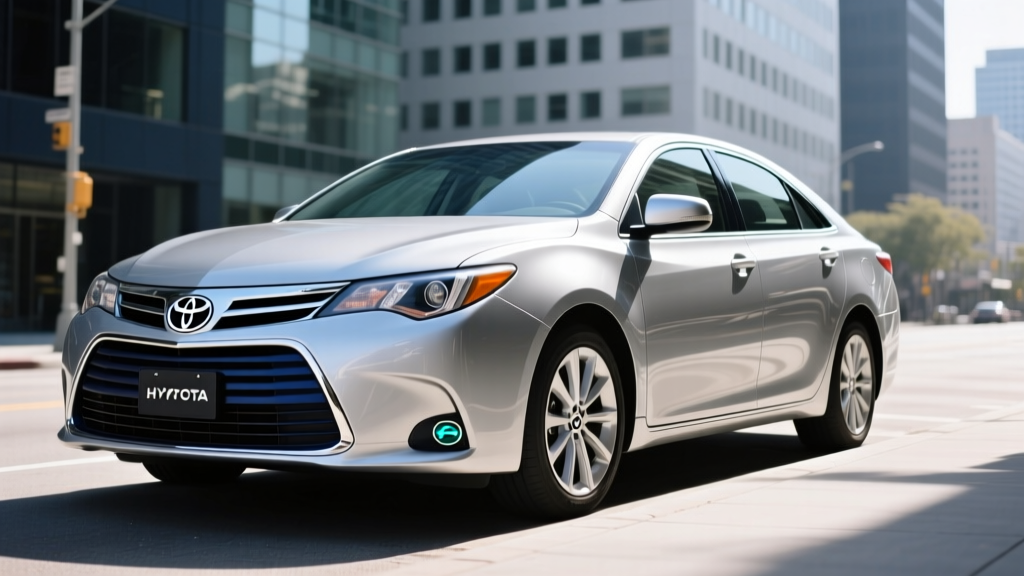
The key takeaway: a conventional hybrid (HEV) like the Toyota Camry Hybrid never plugs in. It uses a small battery and regenerative braking to assist the gas engine, improving fuel economy to the 44–52 MPG range. A plug-in hybrid (PHEV) like the Toyota RAV4 Prime has a much larger battery you charge externally, enabling genuine electric-only driving for most daily commutes.
Top Plug-In Hybrid Cars: EPA Range, MPG & Pricing
Here's how the most popular 2026-model-year PHEVs stack up on the numbers that matter. All figures from fueleconomy.gov (EPA) and manufacturer specifications unless noted.
| Model | EV Range | Combined MPG (gas) | MPGe (EV mode) | Battery (kWh) | Combined HP | 0–60 mph | Base MSRP |
|---|---|---|---|---|---|---|---|
| Toyota RAV4 Prime | 42 mi | 38 MPG | 94 MPGe | 18.1 | 302 hp | 5.7s | $44,415 |
| Jeep Wrangler 4xe | 22 mi | 20 MPG | 49 MPGe | 17.3 | 375 hp | 6.0s | $51,790 |
| Hyundai Tucson PHEV | 33 mi | 35 MPG | 80 MPGe | 13.8 | 261 hp | 7.1s | $39,400 |
| Chrysler Pacifica PHEV | 32 mi | 30 MPG | 82 MPGe | 16.0 | 260 hp | 7.5s | $51,095 |
| BMW X5 xDrive50e | 38 mi | 24 MPG | 56 MPGe | 25.7 | 483 hp | 4.6s | $74,400 |
| Ford Escape PHEV | 37 mi | 40 MPG | 105 MPGe | 14.4 | 210 hp | 8.0s | $38,700 |
Real-World Range Note: PHEV electric-only range is highly sensitive to temperature and driving style. Expect 15–30% less EV range in freezing weather and at sustained highway speeds above 70 mph. A RAV4 Prime rated at 42 miles may deliver 28–35 miles in winter or on the freeway. City driving with regenerative braking recovers the most range.
How Charging Works on Plug-In Hybrid Cars
PHEVs charge on Level 1 (standard 120V outlet) and Level 2 (240V home charger or public station). Most PHEVs cannot DC fast charge — the exception being a handful of models like the Mitsubishi Outlander PHEV, which supports CHAdeMO DC charging at up to 22 kW. For the vast majority, here's what to expect:
| Charging Level | Power (kW) | Time: 0–100% | Setup |
|---|---|---|---|
| Level 1 (120V household) | 1.2–1.4 kW | 8–14 hours | Standard outlet, no install |
| Level 2 (240V home/public) | 3.3–7.2 kW | 2–5 hours | Requires 240V outlet or hardwired charger |
| DC Fast (rare on PHEVs) | Up to 22 kW | ~30 min to 80% | Only select models (e.g., Outlander PHEV) |
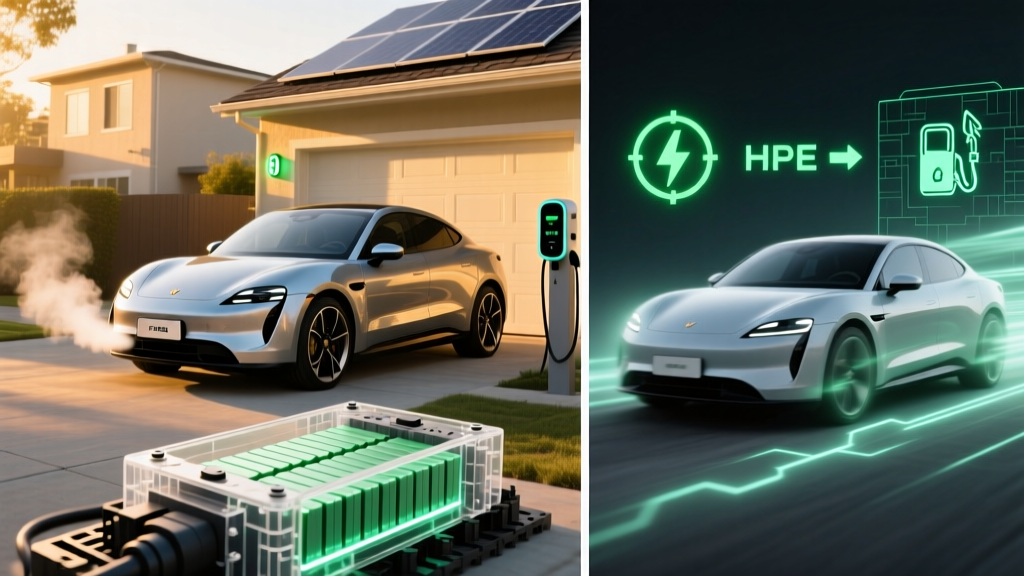
For most PHEV owners, Level 1 overnight charging is sufficient. A RAV4 Prime's 18.1 kWh battery fully replenishes in about 12 hours on a 120V outlet — more than enough if you plug in when you get home and unplug in the morning. A Level 2 home charger cuts that to roughly 2.5 hours, which matters if you want to top up midday.
kW vs. kWh reminder: kW (kilowatts) is the rate of power flow — how fast energy moves into the battery. kWh (kilowatt-hours) is the total energy stored. A PHEV with an 18 kWh battery charging at 3.6 kW takes about 5 hours from empty. Don't confuse the two.
Federal Tax Credits for Plug-In Hybrids: What Qualifies in 2026?
Under IRS §30D Clean Vehicle Credit rules, qualifying PHEVs can receive up to $7,500 in federal tax credits — the same maximum as full EVs. However, eligibility depends on several factors:
- Battery capacity: The vehicle must have a battery of at least 7 kWh (most PHEVs qualify).
- MSRP caps: Vans/SUVs/pickups must be under $80,000 MSRP; sedans under $55,000.
- Buyer income limits: AGI must not exceed $300,000 (joint), $225,000 (head of household), or $150,000 (single).
- Battery sourcing & critical minerals: Increasingly strict requirements on where battery components and minerals are sourced — this is why some PHEVs that previously qualified have lost eligibility.
- Point-of-sale transfer: As of 2024, you can transfer the credit to the dealer at purchase for an immediate price reduction, rather than waiting to claim it on your tax return.
Important caveat: Tax credit eligibility changes frequently as sourcing rules tighten and manufacturer caps apply. Always verify current eligibility on the fueleconomy.gov tax credit page and consult a tax professional before relying on the credit in your purchase decision.
Hybrid Battery Warranty: Federal emissions regulations require automakers to warranty hybrid and PHEV batteries for a minimum of 8 years / 100,000 miles. Many brands exceed this — Toyota covers its hybrid batteries for 10 years / 150,000 miles on current models. Real-world data shows most hybrid batteries last 150,000–200,000+ miles before significant degradation. Out-of-warranty replacement costs range from roughly $2,500–$6,000 depending on the model.
Real-World MPG: What Owners Actually See
PHEV real-world fuel economy depends entirely on how often you charge. If you plug in every night and your commute is within the EV range, you may use almost zero gasoline for months. Here's what to expect in practice:
- Always charging, short commute (under EV range): You'll rarely use gas. Expect 80–120 MPGe, with occasional fill-ups to keep fuel fresh.
- Charging most nights, mixed driving: Expect the combined MPGe/MPG to land between the EV-mode MPGe and gas-mode MPG ratings — often 50–70 MPGe equivalent on average.
- Rarely charging, highway-heavy driving: You'll operate as a conventional hybrid. Expect MPG close to or slightly below the gas-mode EPA rating, since you're carrying extra battery weight.
Conventional hybrids (HEVs) often exceed their EPA city rating in real-world stop-and-go driving because regenerative braking recovers the most energy at low speeds. A Toyota Prius rated at 57 MPG city can deliver 60+ MPG in urban traffic. PHEVs in gas-only mode behave similarly, though the heavier battery slightly reduces highway efficiency.
Who Should Buy a PHEV vs. a Full EV or Gas Car?
Choose a plug-in hybrid if:
- Your daily commute is under 40 miles round-trip and you can charge at home
- You take regular road trips beyond reliable charging infrastructure
- You live in a cold climate where EV range drops 20–30% in winter
- You want one vehicle for both electric commuting and long-distance travel
- You're not ready to rely solely on public charging networks
Choose a full EV (BEV) if:
- You have reliable home Level 2 charging and your daily driving is under 250 miles
- You want zero tailpipe emissions and minimal maintenance (no oil changes, no engine)
- You want the lowest per-mile "fuel" cost (electricity is cheaper than gasoline in most US markets)
- You value instant torque and a quieter driving experience
Choose a conventional hybrid (HEV) if:
- You cannot charge at home (apartment, no garage, no outlet access)
- You want better fuel economy without any behavior change — no plugging in required
- Your budget is tighter and you don't need electric-only driving
- You drive mostly highway miles where the PHEV's EV range offers less benefit
Reliability and Long-Term Ownership Costs
Hybrid and PHEV powertrains have an excellent reliability track record spanning over two decades. Toyota's Hybrid Synergy Drive, introduced in the 1997 Prius, has proven capable of 200,000–300,000 miles with minimal issues. The IIHS and NHTSA rate most mainstream PHEVs favorably for safety.
Key ownership considerations:
- Maintenance: PHEVs still require oil changes, spark plugs, and engine maintenance — though less frequently than gas-only cars since the engine runs fewer hours. Expect maintenance costs between a gas car and a full EV.
- Brake wear: Regenerative braking significantly extends brake pad life. Many hybrid owners report 80,000–100,000+ miles on original brake pads.
- Battery degradation: PHEV batteries degrade slowly. Expect 10–15% capacity loss over 10 years based on current lithium-ion data. The buffer built into the battery management system protects against deep-cycle wear.
- Insurance: PHEVs typically carry slightly higher insurance premiums than gas equivalents due to higher purchase prices and specialized repair costs. Get quotes before buying.
- Resale value: Toyota and Lexus hybrids hold value exceptionally well. Other brands vary. Check depreciation data for the specific model.
PHEV Advantages
- Electric commuting with gas-engine backup
- No range anxiety on road trips
- Eligible for up to $7,500 federal tax credit (if qualified)
- Lower fuel costs when regularly charged
- Strong reliability track record
PHEV Drawbacks
- Higher purchase price than HEV or gas equivalent
- Two powertrains to maintain (engine + electric)
- EV range drops significantly in cold weather
- Most cannot DC fast charge
- Heavier than gas or HEV equivalents, reducing highway efficiency
- Tax credit eligibility uncertain and model-dependent
Frequently Asked Questions About Plug-In Hybrid Cars
How many MPG does a plug-in hybrid get?
It depends on the model and how often you charge. In gas-only mode (battery depleted), expect 20–40 MPG combined depending on the vehicle — the Ford Escape PHEV achieves 40 MPG combined, while the Jeep Wrangler 4xe manages 20 MPG. When operating in EV mode, efficiency is measured in MPGe, ranging from 49 MPGe (Wrangler 4xe) to 105 MPGe (Escape PHEV). Your real-world average depends on how much of your driving happens within the electric-only range.
How far can a PHEV go on electric only?
Current 2026-model PHEVs offer 22 to 50 miles of EPA-rated electric-only range. The Toyota RAV4 Prime leads the mainstream market at 42 miles, while the BMW X5 xDrive50e achieves 38 miles with its larger 25.7 kWh battery. Real-world EV range will be 15–30% lower in cold weather or at sustained highway speeds. For most commuters with a sub-40-mile round trip and nightly charging, a PHEV covers daily driving entirely on electricity.
Do I need to plug in a PHEV, or does it charge itself?
You should plug in a PHEV to get the benefit of electric-only driving. While regenerative braking and the gas engine do maintain some charge, they cannot fully replenish the larger PHEV battery. If you never plug in, you're essentially driving a heavier, more expensive conventional hybrid — and your fuel economy will reflect that. If you can't charge at home, a conventional HEV is likely a better choice.
Is a PHEV reliable? What does battery replacement cost?
PHEVs are generally very reliable, backed by two decades of hybrid technology development. Federal law mandates a minimum 8-year/100,000-mile hybrid battery warranty; Toyota extends this to 10 years/150,000 miles. Real-world data shows most hybrid batteries outlast their warranties by a wide margin. Out-of-warranty battery replacement typically costs $2,500–$6,000 depending on the model, though this is rarely needed within the first 150,000 miles.
Does a plug-in hybrid qualify for a tax credit?
Some do, but eligibility is model-specific and subject to change. Under IRS §30D, qualifying PHEVs with batteries of 7+ kWh can receive up to $7,500 in federal tax credits, subject to MSRP caps ($80,000 for SUVs/trucks, $55,000 for sedans), buyer income limits, and increasingly strict battery-sourcing requirements. The credit can now be transferred to the dealer at point of sale for an immediate price reduction. Always check fueleconomy.gov for the latest eligibility list before purchasing, and consult a tax professional for your specific situation.
PHEV vs. EV: which is cheaper to own over 5 years?
A full EV is typically cheaper to operate (lower electricity vs. gasoline costs, no oil changes, less brake wear) but may have a higher purchase price. A PHEV offers lower fuel costs than a gas car but retains engine maintenance expenses. The break-even point depends on your local electricity rates, gas prices, annual mileage, and whether the vehicle qualifies for the federal tax credit. For drivers who charge nightly and rarely exceed EV range, a PHEV's operating cost approaches that of a full EV. For high-mileage drivers who frequently exceed EV range, a full EV or a conventional HEV may be more economical.