For many drivers, a plug-in hybrid car (PHEV) represents the perfect middle ground between the familiarity of a gas engine and the efficiency of an electric vehicle (EV). But with varying electric ranges and complex tax credit rules, choosing the right electrified vehicle requires looking past the marketing stickers.
HEV vs. PHEV: Understanding the Powertrain
Before comparing models, it is critical to distinguish between a conventional hybrid (HEV) and a plug-in hybrid (PHEV). A conventional hybrid, like the standard Toyota Prius, uses a small battery recharged solely by regenerative braking and the gas engine. It never plugs in. A PHEV, however, features a larger battery pack and an electric motor capable of driving the car on electricity alone for a specific distance before the gas engine engages.
Hybrid (HEV) vs. Plug-In Hybrid (PHEV)
| Feature | Conventional Hybrid (HEV) | Plug-In Hybrid (PHEV) |
|---|---|---|
| Plugs In? | No | Yes (Level 1 or Level 2) |
| Electric-Only Range | 0–1 miles (low speed only) | 20–50+ miles (highway capable) |
| Battery Size | ~1–2 kWh | ~13–25 kWh |
| Tax Credit Eligibility | None (Federal) | Up to $7,500 (if §30D compliant) |
Top Plug-In Hybrid Cars of 2026: Specs & Range
We’ve analyzed the current market leaders to see how their EPA estimates and real-world capabilities stack up.
| Model | Battery (kWh) | EV Range | Combined MPG | HP | Starting MSRP |
|---|---|---|---|---|---|
| Toyota RAV4 Prime | 18.1 | 42 mi | 94 MPGe / 38 MPG | 302 | $44,500 |
| Jeep Wrangler 4xe | 17.3 | 21 mi | 49 MPGe / 20 MPG | 375 | $51,000 |
| Hyundai Tucson PHEV | 13.8 | 33 mi | 80 MPGe / 35 MPG | 261 | $39,500 |
Real-World MPG vs. EPA Estimates
How many MPG does a hybrid get in reality? In city driving, PHEVs often exceed their EPA ratings because regenerative braking is most effective in stop-and-go traffic. However, on the highway, once the battery is depleted, you are carrying the extra weight of the battery and motor. Expect a 2026 RAV4 Prime to achieve 42 miles of pure electric driving in mild weather, but note that cold temperatures (below 40°F) can reduce that electric range by 15–25%.
Charging Logistics: The PHEV Advantage
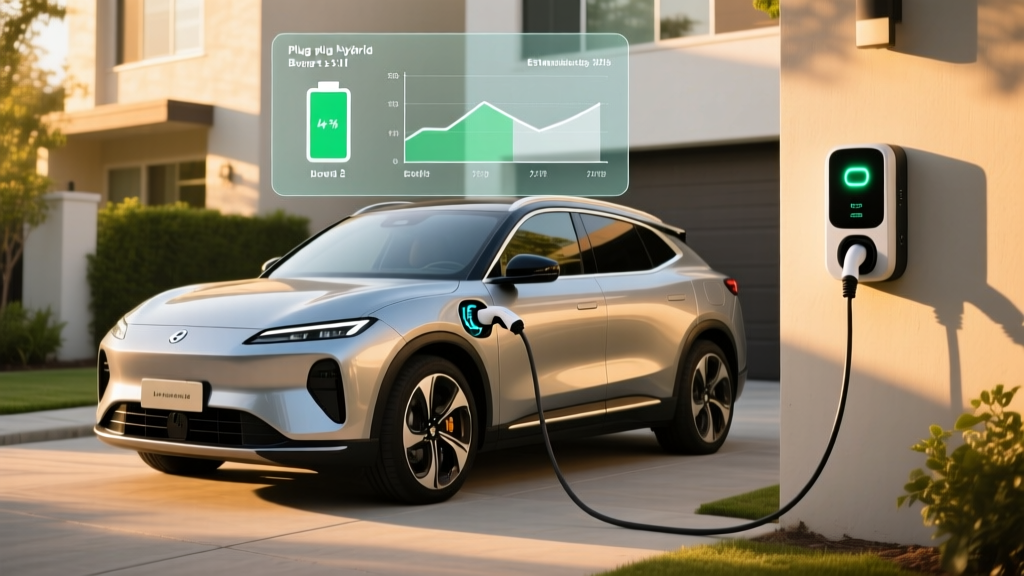
Most PHEVs charge fully overnight on a standard 120V (Level 1) outlet. While some newer models support DC fast charging, the majority are limited to Level 2 (240V) speeds of 3.3 kW to 7.2 kW. For a 15 kWh battery, a 7.2 kW home charger will provide a full recharge in roughly 2.5 hours.
Battery Reliability and Warranty Coverage
Is this hybrid reliable? Modern PHEV batteries are engineered for longevity, often outlasting the vehicle itself. Manufacturers are required to provide specific coverage for these high-voltage components.
Standard Hybrid/PHEV Battery Warranty
Most manufacturers offer an 8-year/100,000-mile warranty (10 years/150,000 miles in CARB states). This covers defects and capacity loss below a certain threshold (usually 60–70%). Out-of-warranty replacement costs typically range from $4,000 to $9,000 depending on the model.
Tax Credits: The §30D Factor
Does it qualify for a tax credit? Under current IRS §30D rules, many PHEVs qualify for up to $7,500, provided they meet battery sourcing and MSRP caps ($80,000 for SUVs/pickups). Your personal eligibility also depends on income limits. Note that many PHEVs can now be transferred to the dealer at the point of sale for an immediate price reduction.
Decision Framework: PHEV vs. EV vs. HEV
- Choose a PHEV if: You want electric commuting but need gas flexibility for long road trips without charging stops.
- Choose an EV if: You have home charging and want near-zero maintenance and the lowest cost-per-mile.
- Choose an HEV if: You have no access to charging and want better fuel economy without changing your habits.
Frequently Asked Questions
Can I drive a PHEV without ever plugging it in?
Yes, but you will lose the efficiency and cost benefits. The car will operate as a heavier, less efficient conventional hybrid.
Do PHEVs require more maintenance than gas cars?
PHEVs have two powertrains, but because the electric motor handles most city driving, engine wear is often reduced. You still require standard oil changes and fluid checks.