If you've shopped for a new car in the last few years, you've probably seen the term "mild hybrid vehicle" buried in the spec sheet — often on models you didn't even realize were electrified. Unlike a Toyota Prius or a plug-in hybrid you charge in your garage, a mild hybrid (MHEV) doesn't drive on electric power alone. Instead, it uses a small 48-volt motor-generator to assist the gas engine, smooth out stop-start events, and recapture braking energy. The result? A modest but real fuel-economy bump — typically 2 to 5 MPG combined — without any change to how you fuel up or maintain the car.
This guide breaks down exactly how mild-hybrid systems work in 2026 models, what kind of MPG improvement you can expect, how they stack up against full hybrids (HEVs), plug-in hybrids (PHEVs), and battery-electric vehicles (BEVs), and whether the technology is worth seeking out — or just a marketing checkbox.
What Is a Mild Hybrid Vehicle, Exactly?
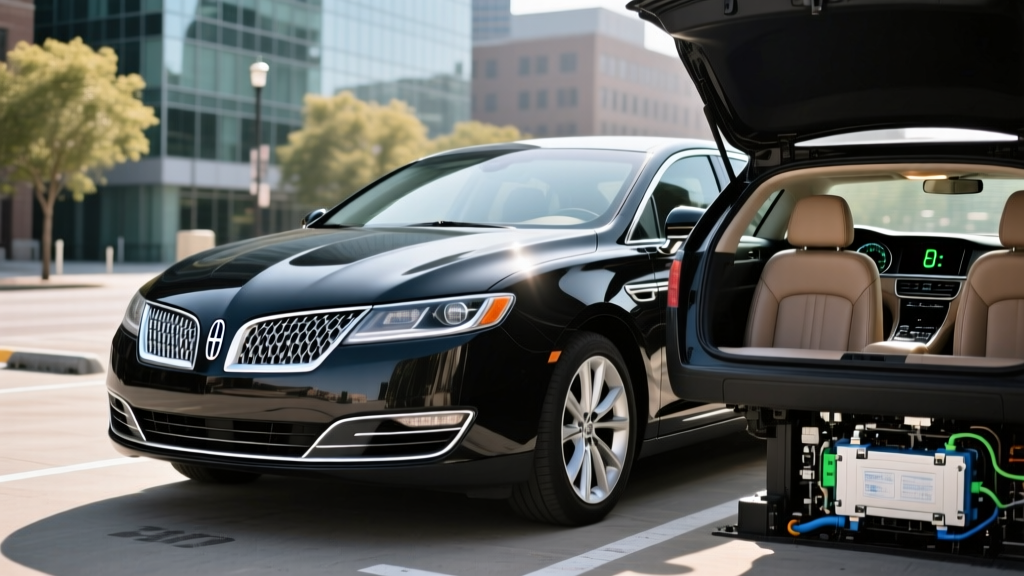
A mild hybrid vehicle pairs a conventional internal-combustion engine with a small electric motor-generator (typically rated between 10 and 20 kW) and a compact 48-volt lithium-ion battery pack usually under 1 kWh in capacity. That motor cannot propel the car on its own — there's no electric-only driving mode. Instead, it serves three purposes:
- Engine assist under acceleration: The motor fills in torque while the turbo spools or the transmission downshifts, reducing the load on the gas engine.
- Regenerative braking: Kinetic energy normally lost as heat is captured to recharge the 48V battery.
- Smarter stop-start: The integrated starter-generator restarts the engine almost imperceptibly at traffic lights, and can shut the engine off while coasting to save fuel.
You'll find mild-hybrid systems on everything from the Ram 1500 with its 3.6L Pentastar eTorque to various Mercedes-Benz, Audi, Volvo, and Kia models. In most cases, automakers don't heavily market the MHEV badge — it's simply part of the powertrain.
Mild Hybrid vs. Full Hybrid vs. PHEV vs. EV: Which Powertrain Fits You?
Buyers often conflate all "hybrid" labels. Here's how a mild hybrid vehicle compares to the other electrified powertrains available in 2026, with concrete numbers.
| Attribute | Mild Hybrid (MHEV) | Full Hybrid (HEV) | Plug-In Hybrid (PHEV) | Battery Electric (BEV) |
|---|---|---|---|---|
| Electric-only driving | No | Very short, low speed | 25–50 miles typical | 200–400+ miles |
| Battery capacity | <1 kWh (48V) | 1–2 kWh | 12–25 kWh | 60–120 kWh |
| Plug-in charging | No | No | Yes (Level 1/2; some DC) | Yes (Level 1/2/DC) |
| EPA MPG / MPGe (combined) | 22–30 MPG (varies) | 40–57 MPG | 25–35 MPG + 80–100 MPGe | 100–135 MPGe |
| Federal tax credit (§30D) | Not eligible | Not eligible | Up to $7,500 (if eligible) | Up to $7,500 (if eligible) |
| Price premium over gas equivalent | $0–$1,500 | $1,000–$3,000 | $4,000–$8,000 | $5,000–$15,000+ |
| Home charging needed | No | No | Recommended | Essential |
The mild hybrid sits at the entry point of electrification. You get a small efficiency gain and smoother stop-start behavior, but none of the transformative benefits — electric-only commuting, massive fuel savings, tax credits — that come with stepping up to a PHEV or BEV.
Real-World MPG: How Much Does a Mild Hybrid Actually Save?
The honest answer: not a lot, but enough to notice at the pump over a year. Most 48-volt mild-hybrid systems deliver a 5–12% improvement in combined fuel economy over an equivalent non-hybrid powertrain. That typically translates to 2 to 5 MPG combined.
| Vehicle (2026 MHEV Example) | EPA City | EPA Highway | EPA Combined | Real-World Expectation |
|---|---|---|---|---|
| Compact SUV (e.g., 2.5L turbo MHEV) | 24 | 29 | 26 | 25–28 combined; city stop-and-go sees most benefit |
| Midsize sedan (e.g., 2.0L turbo MHEV) | 27 | 36 | 30 | 29–33 combined; highway coasting assist helps |
| Full-size pickup (e.g., 3.5L V6 MHEV) | 20 | 25 | 22 | 20–23 combined; towing negates most gains |
Where mild hybrids shine is city driving. The regenerative braking and frequent engine shut-off at lights capture the most energy in stop-and-go traffic. On the highway, benefits taper — coasting assist and reduced alternator load help, but the gains are smaller. If your commute is 80% freeway, a mild hybrid won't dramatically change your fuel bill. If it's 80% urban, you'll see the upper end of the improvement range.
For reference, a comparable full hybrid like the Toyota Camry Hybrid achieves an EPA-estimated 52 MPG combined — nearly double what most mild-hybrid sedans deliver. The gap is substantial.
How Mild-Hybrid Powertrains Work: The 48-Volt System
The core hardware in a mild hybrid vehicle is straightforward:
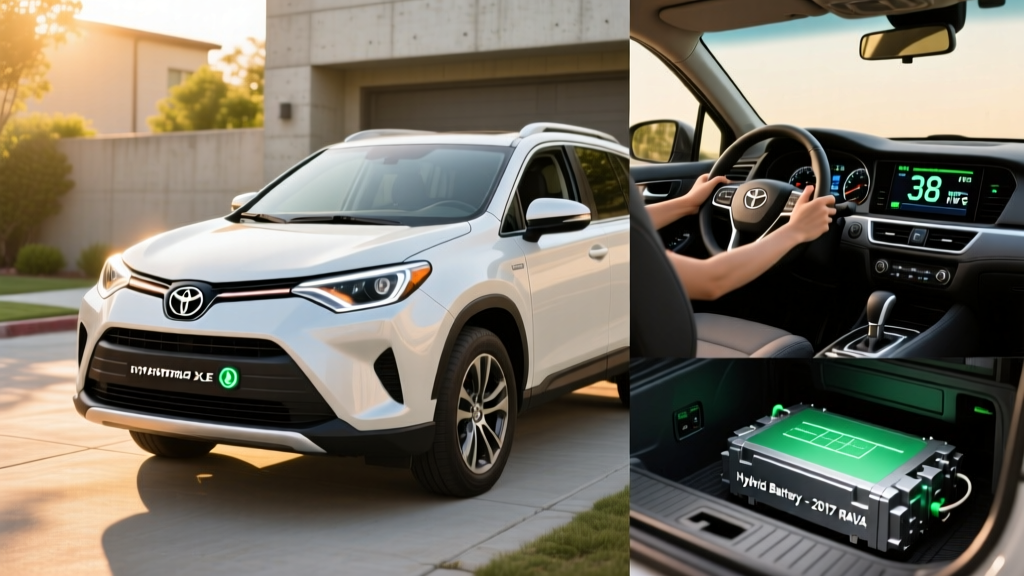
- 48V lithium-ion battery (typically 0.5–0.9 kWh): Mounted under the trunk, rear seat, or in the engine bay. It's far smaller than even a conventional hybrid's pack.
- Integrated starter-generator (ISG) or belt-driven starter-generator (BSG): An electric motor rated 10–20 kW that replaces or supplements the traditional alternator and starter motor. An ISG sits between the engine and transmission (more powerful, more seamless); a BSG connects via the accessory belt (cheaper, slightly less refined).
- DC-DC converter: Steps the 48V system down to 12V to run accessories (lights, infotainment, ECU).
Combined system horsepower varies by application, but the electric motor typically adds 15–30 lb-ft of torque at low RPM — enough to smooth out turbo lag and make the engine feel more responsive, even if the peak horsepower number barely changes. For example, a 2.0L turbo four-cylinder rated at 255 HP might see its low-end torque curve fattened by the MHEV system without a change to the advertised peak output.
Reliability, Battery Warranty, and Replacement Cost
One of the most common buyer concerns with any hybrid is battery longevity. Here's where mild hybrids have a structural advantage: the 48V battery is small, operates within a narrow state-of-charge window (typically 20–80% SoC), and never undergoes the deep discharge cycles that stress larger hybrid and EV batteries.
Replacement cost: If the 48V battery fails out of warranty, replacement typically runs $800 to $2,000 including labor — far less than a full hybrid battery ($2,000–$4,000) or an EV traction battery ($5,000–$20,000+). The smaller pack and simpler chemistry keep costs manageable.
Overall reliability: Mild-hybrid systems add modest complexity — one additional battery, a motor-generator, and a DC-DC converter — but they lack the high-voltage contactors, large inverter, and electric drive axle found in full hybrids and PHEVs. Long-term reliability data from brands like Mercedes-Benz (which has used 48V EQ Boost across its lineup since 2019) and Ram (eTorque since 2019) suggests the systems are generally robust, though isolated reports of BSG belt wear and 48V battery sensor faults exist. The NHTSA complaint database and owner forums are worth checking for model-specific patterns.
Tax Credits, Pricing, and Ownership Economics
Let's be direct: a mild hybrid vehicle does not qualify for the federal §30D clean vehicle tax credit. The IRS §30D rules require a vehicle to have a battery capacity of at least 7 kWh and the ability to be recharged from an external source — criteria that exclude both mild hybrids and conventional (non-plug-in) HEVs.
However, the pricing proposition of a mild hybrid is different from a PHEV or EV. In most 2026 models, the MHEV system is either standard equipment (bundled into the base powertrain at no extra cost) or adds a modest $500–$1,500 to the MSRP. You're not paying a $5,000–$8,000 electrification premium that needs to be recouped through fuel savings or tax credits.
| Factor | Gas Only | Mild Hybrid (MHEV) | PHEV (with home charging) |
|---|---|---|---|
| Upfront price premium | Baseline | +$0 to $1,500 | +$4,000 to $8,000 |
| Federal tax credit | $0 | $0 | Up to $7,500 (eligibility varies) |
| Annual fuel cost (est.) | ~$2,200 | ~$1,950 | ~$900 (electric + gas) |
| 5-year fuel cost | ~$11,000 | ~$9,750 | ~$4,500 |
| 5-year net savings vs. gas | — | ~$1,250 | ~$6,500 + potential credit |
The math is clear: a mild hybrid saves you roughly $250 per year in fuel compared to an equivalent gas-only model. Over five years, that's about $1,250 — enough to justify the system if it comes standard, but not enough to pay a significant premium. A PHEV with home charging access, by contrast, can cut fuel costs by more than half and may net a $7,500 federal credit at point of sale, fundamentally changing the ownership equation.
Who Should Buy a Mild Hybrid — And Who Shouldn't?
Choose a Mild Hybrid If:
- You want slightly better fuel economy without changing your fueling habits
- You can't install a home charger (apartment, street parking)
- You frequently tow or haul and need a gas engine's range and power
- The MHEV system comes standard at no extra cost on the model you want
- You live in an area with limited public charging infrastructure
- You want the smoothest possible stop-start experience in city traffic
Skip the Mild Hybrid — Choose HEV, PHEV, or EV If:
- You want major fuel savings (a full HEV or PHEV delivers 2–4× the MPG improvement)
- You qualify for the §30D tax credit and want to use it (PHEV/BEV only)
- You have a short commute and home charging access (PHEV or BEV eliminates most gas use)
- You want to reduce tailpipe emissions substantially
- You plan to keep the vehicle 10+ years and want the lowest total cost of ownership
- You want electric-only driving for quiet, zero-emission neighborhood trips
The mild hybrid vehicle occupies a narrow lane: it's the right pick for buyers who want a gas car that's slightly more refined and slightly more efficient, with zero lifestyle changes. If you're ready to plug in, even occasionally, the savings and benefits scale dramatically with a PHEV or BEV.
Frequently Asked Questions
How many MPG does a mild hybrid vehicle get?
It depends entirely on the base vehicle. A mild-hybrid compact SUV might achieve 26 MPG combined (EPA), while a mild-hybrid sedan could reach 30 MPG combined. The MHEV system typically adds 2–5 MPG over the equivalent non-hybrid version. Check the specific model's EPA fuel-economy listing for exact city/highway/combined figures.
Does a mild hybrid need to be plugged in?
No. A mild hybrid vehicle has no charging port. The 48V battery recharges exclusively through regenerative braking and the engine-driven motor-generator. You fuel it exactly like a conventional gas car.
Can a mild hybrid drive on electric power alone?
No. The electric motor in a mild hybrid is too small (typically 10–20 kW) to propel the vehicle independently. It only assists the gas engine during acceleration and enables smoother stop-start and coasting functions.
Is a mild hybrid reliable? What does battery replacement cost?
Mild-hybrid systems are generally reliable, with fewer high-voltage components than full hybrids or EVs. The 48V battery is typically warranted for 8 years/100,000 miles. Out-of-warranty replacement runs approximately $800–$2,000 — significantly less than full hybrid or EV battery replacements.
Does a mild hybrid qualify for any tax credit?
No. Under current IRS §30D rules, the federal clean vehicle credit requires a plug-in vehicle with at least 7 kWh of battery capacity. Mild hybrids and conventional (non-plug-in) HEVs do not qualify. Some states may offer minor incentives for efficient vehicles, but these are rare for MHEVs specifically.
Mild hybrid vs. full hybrid — which saves more fuel?
A full hybrid (HEV) saves substantially more. While a mild hybrid might improve fuel economy by 5–12%, a full hybrid like a Toyota Camry Hybrid or Honda Accord Hybrid can achieve 45–52 MPG combined — a 50–100% improvement over a comparable gas-only model. If fuel savings are your priority, a full HEV is the clear step up.