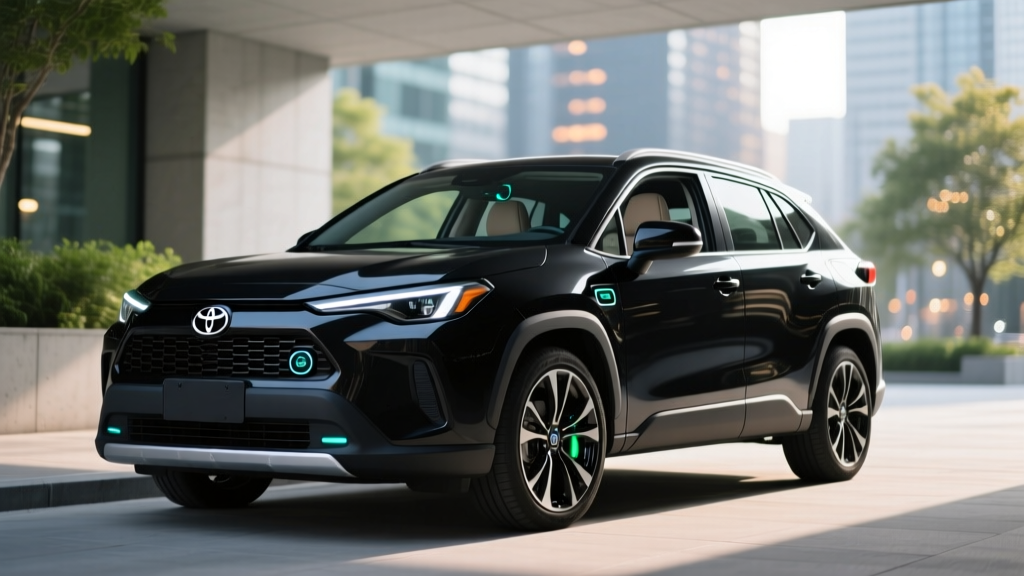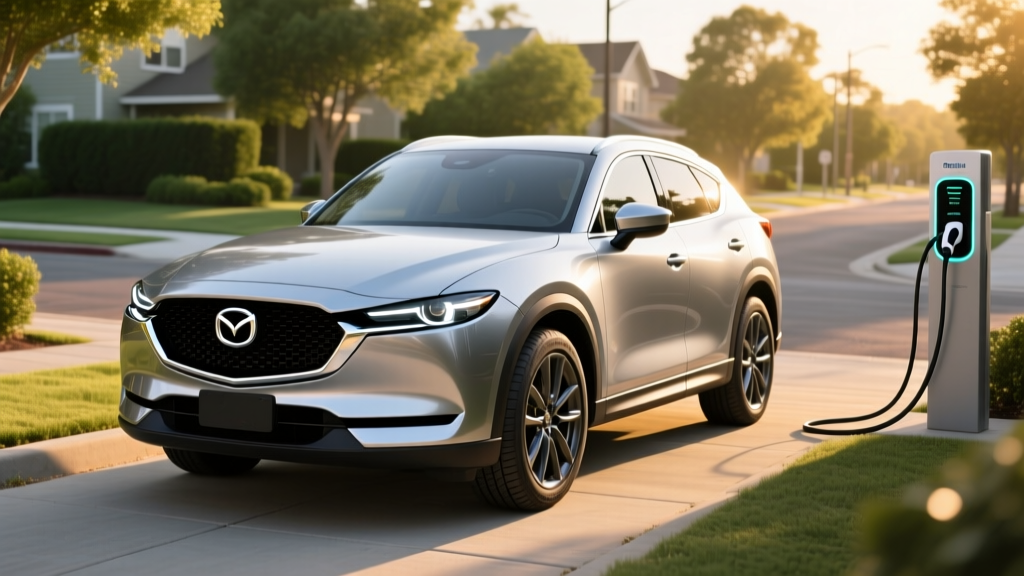
The Mazda CX-50 Hybrid pairs Toyota's proven hybrid powertrain with Mazda's rugged crossover styling, delivering a compelling middle ground for buyers who want electrified efficiency without plugging in. But the sticker MPG is only part of the story. Below, we dissect the 2026 Mazda CX-50 Hybrid's fuel economy, real-world performance, ownership costs, and where it fits in the broader hybrid-versus-EV decision.
How Many MPG Does the Mazda CX-50 Hybrid Get?
The 2026 Mazda CX-50 Hybrid is rated by the EPA at 39 MPG city / 37 MPG highway / 38 MPG combined for the front-wheel-drive-biased AWD configuration it ships with. These numbers come from the same 2.5-liter four-cylinder hybrid system found in the Toyota RAV4 Hybrid, retuned for Mazda's driving dynamics.
| Metric | Value |
|---|---|
| City MPG | 39 |
| Highway MPG | 37 |
| Combined MPG | 38 |
| Fuel Tank Capacity | 14.5 gallons |
| Total Driving Range | ~551 miles |
| Annual Fuel Cost (15,000 mi) | ~$1,650 (at $3.50/gal) |
Source: fueleconomy.gov
Real-World MPG: What Owners Actually See
EPA estimates are a baseline, not a guarantee. The CX-50 Hybrid's real-world efficiency depends heavily on driving patterns:
- City driving (sub-45 mph): 38–42 MPG. Hybrids excel here because regenerative braking recaptures energy and the electric motor handles low-speed loads. Many owners report exceeding the EPA city rating in stop-and-go traffic.
- Highway cruising (70–80 mph): 33–36 MPG. Aerodynamic drag increases with the square of speed, and the CX-50's boxy, truck-inspired profile works against it. Sustained 80 mph on the interstate will pull numbers below the EPA highway rating.
- Cold weather (below 35°F): Expect a 10–15% drop, landing around 32–34 MPG combined. The engine runs more often to provide cabin heat, and battery efficiency drops in cold temperatures.
- Mixed suburban commuting: 36–39 MPG. This is where most owners live, and it's where the hybrid system operates closest to its EPA combined rating.
The key takeaway: if your commute is mostly city and suburban, you'll likely meet or exceed 38 MPG. If it's predominantly high-speed highway, plan for 33–36 MPG.
HEV vs PHEV vs EV — Which Fits Your Lifestyle?
The CX-50 Hybrid is a conventional hybrid (HEV). It does not plug in, has no electric-only driving range, and cannot operate as a pure EV. It's important to distinguish this from plug-in hybrids and battery-electric vehicles:
| Feature | HEV (CX-50 Hybrid) | PHEV (e.g., RAV4 Prime) | BEV (e.g., Tesla Model Y) |
|---|---|---|---|
| Plug-in Required | No | Yes (Level 1/2) | Yes (Level 2/DC) |
| Electric-Only Range | 0 mi | 35–42 mi | 280–330 mi |
| Total Range | ~551 mi | ~580 mi | 280–330 mi |
| Fuel/Charge Cost | Gas only | Gas + electricity | Electricity only |
| Federal Tax Credit | Not eligible (§30D) | Up to $7,500* | Up to $7,500* |
| Home Charging Needed | No | Recommended | Essential |
| Best For | No plug access, want efficiency | Short commutes + road trips | Home charging, mostly local |
*§30D federal tax credit eligibility depends on MSRP caps ($80K SUVs, $55K sedans), buyer income limits, and battery sourcing requirements. Verify current rules at IRS.gov.
The CX-50 Hybrid makes sense if you lack reliable access to home or workplace charging, want the simplicity of a gas station fill-up, and prioritize a 30–40% fuel economy improvement over a gas-only CX-50 (which rates at 26 MPG combined).
Powertrain: Toyota Hybrid Muscle in a Mazda Shell
Mazda sourced the CX-50 Hybrid's powertrain directly from Toyota, leveraging the fourth-generation Toyota Hybrid System (THS). Here's the hardware:
- Engine: 2.5L inline-4 Atkinson-cycle, 176 HP / 163 lb-ft torque
- Electric Motor: Permanent magnet synchronous, integrated with transaxle
- Combined System Output: 219 HP
- Drivetrain: Electronic AWD (eAWD) — rear wheels driven by a separate electric motor, no mechanical driveshaft
- Transmission: eCVT (planetary gearset, not a belt-driven CVT)
- 0–60 mph: ~7.2 seconds (estimated, based on RAV4 Hybrid platform)
The eAWD system is a standout: it provides traction in rain and light snow without the weight and friction losses of a traditional mechanical AWD system. The rear electric motor activates on demand, improving efficiency compared to full-time AWD setups.
Pricing and Trim Breakdown
The 2026 CX-50 Hybrid is available in three trims, all equipped with eAWD:
| Trim | MSRP | Key Features |
|---|---|---|
| Preferred Hybrid | $35,395 | 18" wheels, heated front seats, power liftgate |
| Premium Hybrid | $38,595 | 20" wheels, Bose 12-speaker audio, panoramic roof |
| Premium Plus Hybrid | $41,395 | Nappa leather, ventilated front seats, 360° camera |
Tax Credit Eligibility
The CX-50 Hybrid is a conventional HEV and does not qualify for the federal §30D clean vehicle tax credit. That credit is reserved for plug-in hybrids (PHEVs) and battery-electric vehicles (BEVs) meeting battery sourcing and critical mineral requirements.
Some states offer modest incentives for hybrids, but these vary widely and are often limited to PHEVs. Check your state's energy or DMV website for current programs. The CX-50 Hybrid's value proposition is fuel savings, not tax incentives.
Battery Warranty and Longevity
Hybrid battery anxiety is common among first-time hybrid buyers, but the data is reassuring:
- Warranty: Mazda covers the hybrid battery for 8 years / 100,000 miles (10 years / 150,000 miles in CARB states: CA, CT, ME, MD, MA, NJ, NY, OR, RI, VT, WA).
- Chemistry: Nickel-metal hydride (NiMH) — a mature, well-proven technology used in millions of Toyota and Lexus hybrids since 1997.
- Expected Lifespan: 150,000–200,000+ miles with normal use. Many Prius and Camry Hybrid owners report original batteries lasting well past 200K miles.
- Replacement Cost: If the battery fails outside warranty, replacement runs $3,000–$4,500 including labor. Refurbished units are available for $1,500–$2,500.
The CX-50 Hybrid uses a relatively small hybrid battery (~1.6 kWh), which is far less expensive to replace than a 75–100 kWh BEV pack. The NiMH chemistry is also less prone to the degradation concerns associated with early lithium-ion packs.
Who Should Buy the CX-50 Hybrid?
The CX-50 Hybrid occupies a specific niche. Here's the decision framework:
Choose the CX-50 Hybrid if:
- You don't have access to home or workplace Level 2 charging
- You want 35–40% better fuel economy than a gas CX-50 without changing your refueling habits
- You regularly take road trips exceeding 300 miles and don't want to plan around DC fast chargers
- You value AWD traction for rain and snow but want better efficiency than mechanical AWD
- You prefer Mazda's interior quality and driving dynamics over the Toyota RAV4 Hybrid
Consider a PHEV (RAV4 Prime, Tucson PHEV) if:
- You can install a Level 2 charger at home
- Your daily commute is under 40 miles round-trip (you'd drive mostly on electricity)
- You want eligibility for the federal tax credit
Consider a full BEV (Model Y, Ioniq 5) if:
- You have reliable home charging and your daily driving is under 250 miles
- You want zero tailpipe emissions and the lowest per-mile fuel cost
- You're comfortable with DC fast charging on road trips (20–30 min stops every 200–250 miles)
Pros and Cons
Pros:
- 38 MPG combined — real-world city driving can exceed 40 MPG
- 219 HP with smooth, linear acceleration from the hybrid system
- No plug-in required — fills up at any gas station in 3 minutes
- eAWD provides confident traction without the efficiency penalty of mechanical AWD
- Mazda's premium interior materials and quiet cabin
- Proven Toyota hybrid powertrain with 25+ years of reliability data
- 8-year/100K-mile hybrid battery warranty (10 years in CARB states)
Cons:
- No federal tax credit (HEVs are ineligible under §30D)
- Highway MPG drops to 33–36 at sustained 75+ mph speeds
- No electric-only driving mode — always burns some fuel
- Cargo space slightly reduced vs gas CX-50 due to hybrid battery placement
- Higher base price than the gas CX-50 (though fuel savings offset over time)
- eCVT can feel disconnected under hard acceleration (common to all planetary hybrid systems)
Frequently Asked Questions
Does the Mazda CX-50 Hybrid need to be plugged in?
No. The CX-50 Hybrid is a conventional hybrid (HEV). It charges its small battery through regenerative braking and the gas engine. You never plug it in — just fill up at a gas station like any other car.
How far can the CX-50 Hybrid drive on a full tank?
With a 14.5-gallon fuel tank and 38 MPG combined, the CX-50 Hybrid can travel approximately 551 miles between fill-ups. City-heavy driving may push this closer to 580–600 miles; highway-heavy trips will reduce it to around 500 miles.
Is the CX-50 Hybrid more reliable than a gas car?
Toyota's hybrid system is one of the most reliable powertrains ever produced, with millions of units in service worldwide. The eCVT has no belts, clutches, or bands to wear out — it's a simple planetary gearset. Hybrid owners often report lower long-term maintenance costs than gas-only vehicles because regenerative braking reduces brake wear and the engine runs fewer hours.
What's the difference between the CX-50 Hybrid and the RAV4 Hybrid?
Both use the same 2.5L Toyota hybrid powertrain rated at 219 HP combined. The CX-50 Hybrid shares EPA ratings of 38 MPG combined (the RAV4 Hybrid rates at 39–41 MPG depending on trim, due to lighter weight and more aerodynamic shape). The CX-50 trades a few MPG for a more premium interior, Mazda's i-Activsense safety suite, and a more rugged exterior design.
Will the hybrid battery need replacement, and what does it cost?
The hybrid battery is covered for 8 years / 100,000 miles (10 years / 150,000 miles in CARB states). Real-world data from Toyota and Lexus hybrids shows many original batteries lasting 150,000–200,000+ miles. If replacement is needed out of warranty, expect to pay $3,000–$4,500 for a new OEM battery, or $1,500–$2,500 for a refurbished unit.
Does the CX-50 Hybrid qualify for any tax incentives?
No federal tax credit is available for conventional hybrids under the current §30D rules. Some states may offer small rebates or HOV lane access for hybrids, but these programs vary and are often limited to PHEVs and BEVs. Check your state's energy office or DMV for current offerings.
How does the CX-50 Hybrid perform in snow and rain?
The eAWD system provides excellent traction in adverse weather. The rear electric motor activates automatically when the front wheels slip, providing torque to the rear axle without the lag of a mechanical AWD system. Combined with Mazda's i-Activsense stability control, the CX-50 Hybrid handles snow and rain confidently, though winter tires are still recommended for severe snow conditions.