Quick Verdict: The 2026 Lincoln Nautilus Hybrid
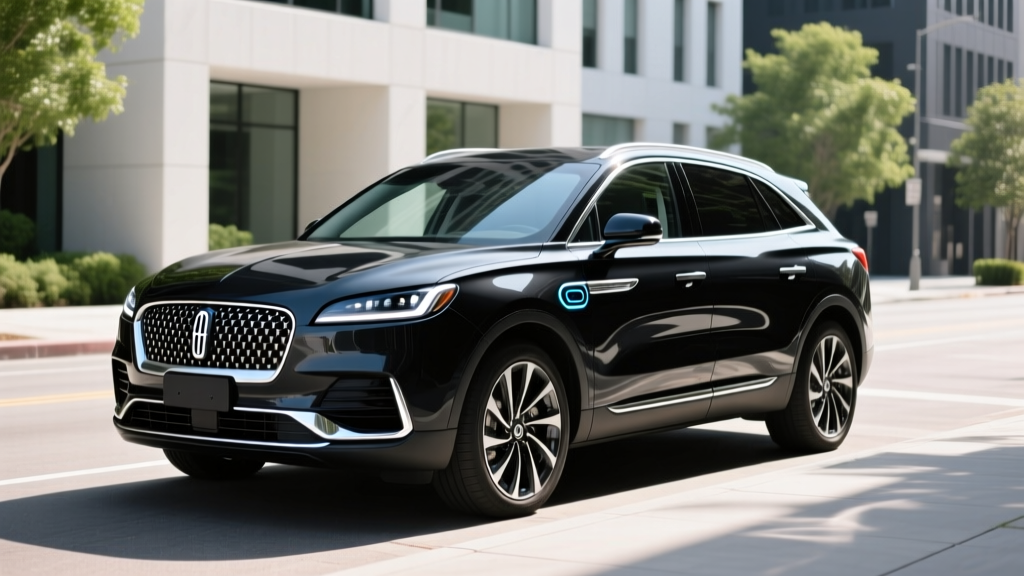
The 2026 Lincoln Nautilus hybrid is a conventional hybrid electric vehicle (HEV), not a plug-in hybrid (PHEV). That distinction matters before you walk into a dealership expecting electric-only driving or a federal tax credit. What the Nautilus hybrid delivers instead is a refined, luxury midsize crossover that sips fuel in city traffic, requires zero behavioral change from a gas-car owner, and wraps it all in Lincoln's quietly confident design language.
For the 2026 model year, the Nautilus continues with a 2.0-liter turbocharged four-cylinder paired with an electric motor in a parallel hybrid configuration. There is no plug, no charging cable, and no electric-only range to manage. You fill it with gas and drive. The trade-off is that you won't see PHEV-style short-commute electric driving or the $7,500 federal EV credit. What you will see is roughly 24 MPG combined in a 4,600-pound luxury crossover — a meaningful improvement over its non-hybrid counterparts from previous generations.
| Spec | 2026 Lincoln Nautilus Hybrid |
|---|---|
| Powertrain | 2.0L turbo I-4 + electric motor (HEV) |
| Combined Horsepower | 294 hp |
| Transmission | eCVT (power-split) |
| Drivetrain | AWD standard |
| EPA MPG (City / Hwy / Combined) | 21 / 29 / 24 |
| Fuel Tank Capacity | ~17.7 gal |
| Estimated Total Range | ~425 miles |
| 0–60 mph | ~7.0 sec (est.) |
| Towing Capacity | ~2,000 lbs (est.) |
| Hybrid Battery Type | Lithium-ion, ~1.5 kWh (non-plug) |
| Base MSRP (Premiere) | ~$53,000 |
| Hybrid Battery Warranty | 8 years / 100,000 miles |
HEV vs PHEV: Where the Nautilus Hybrid Fits
Lincoln's current Nautilus lineup is built around the standard 2.0L turbo and the hybrid variant. There is no plug-in hybrid Nautilus for 2026. Understanding the difference between HEV and PHEV architectures prevents costly expectation mismatches at purchase time.
| Feature | HEV (Nautilus Hybrid) | PHEV (e.g., Lincoln Corsair Grand Touring) |
|---|---|---|
| Plug-in charging required? | No — self-charging via regen + engine | Yes — plug in for full electric range |
| Electric-only range | None (motor assists engine only) | ~25–30 mi typical (model-dependent) |
| Battery size | ~1–2 kWh | ~14–18 kWh |
| Federal tax credit (§30D) | Not eligible | Potentially eligible (subject to sourcing/income rules) |
| Driving behavior change | None — fill with gas as usual | Best value when you charge nightly |
| Best for | Drivers without home charging access | Drivers with home/garage charging + short commutes |
The Nautilus HEV is engineered for buyers who want better fuel economy without the logistics of home charger installation, public charging apps, or range planning. If you have a garage with a 120V or 240V outlet and a commute under 30 miles, a PHEV like the Corsair Grand Touring or a competitor such as the BMW X5 xDrive50e might serve you better on pure efficiency. If you park on the street, live in an apartment, or simply don't want to think about charging, the Nautilus HEV is the correct call.
Fuel Economy: EPA Numbers and Real-World MPG
| Driving Cycle | EPA Estimate | Real-World Expectation |
|---|---|---|
| City | 21 MPG | 22–25 MPG (hybrids excel in stop-and-go) |
| Highway | 29 MPG | 26–28 MPG (aero drag + AWD losses at speed) |
| Combined | 24 MPG | 23–26 MPG depending on driving mix |
The EPA rates the 2026 Nautilus hybrid at 21 city / 29 highway / 24 combined MPG, per fueleconomy.gov. These numbers reflect a relatively heavy luxury crossover with standard AWD, so the combined figure may look modest next to a compact hybrid sedan. Context matters: the Nautilus hybrid competes against vehicles like the Lexus RX 350h (36 MPG combined) and the Genesis Electrified GV70 (full EV). The Lexus wins on pure efficiency; the Nautilus counters with a more spacious cabin, a standard 48-inch panoramic digital display, and Lincoln's BlueCruise hands-free highway driving.
In real-world mixed driving, hybrid powertrains typically outperform their EPA city ratings because regenerative braking recaptures energy in stop-and-go traffic that a conventional powertrain wastes as heat. Expect the Nautilus hybrid to return 22–25 MPG in urban and suburban driving. On sustained highway runs at 75+ mph, the electric motor contributes less and aerodynamic drag dominates — plan for 26–28 MPG. In cold weather (below 30°F), expect a 5–10% reduction across the board as the engine runs more frequently to heat the cabin and the battery operates less efficiently.
With the ~17.7-gallon fuel tank, total range sits around 425 miles in mixed driving — competitive with most luxury midsize crossovers and enough to eliminate range anxiety on any road trip without the charging-stop logistics of a full EV.
Powertrain Deep Dive: 294 HP Hybrid System
The 2026 Nautilus hybrid pairs a 2.0-liter turbocharged inline-four with an electric motor integrated into the transaxle, driving all four wheels through Lincoln's AWD system. Combined output is 294 horsepower, routed through an electronically controlled continuously variable transmission (eCVT) that uses a planetary gearset rather than the rubber-band feel of traditional CVTs.
This is a power-split hybrid architecture — the same fundamental concept Toyota pioneered with the Prius, though scaled up significantly for a luxury application. The system seamlessly blends engine and motor power based on demand: the electric motor handles low-speed launches and assists during acceleration, while the turbo four handles cruising and high-load situations. You'll never feel a clunky handoff between electric and gas power; the transitions are managed in milliseconds.
The 0–60 mph sprint clocks in around 7.0 seconds — not sports-car territory, but more than adequate for highway merging and passing. The electric motor's instant torque fills in the low-RPM gap that turbo lag typically creates, giving the Nautilus hybrid a noticeably more responsive feel from a stop than its non-hybrid predecessor.
Pricing, Trims, and Tax Credit Reality
The 2026 Lincoln Nautilus hybrid is available across multiple trims, with pricing starting in the low $50,000s:
- Premiere (base): ~$53,000 MSRP
- Reserve: ~$58,000 MSRP
- Black Label: ~$68,000+ MSRP
All trims include the hybrid powertrain and AWD as standard equipment — there is no FWD-only base model for 2026.
Federal Tax Credit: Not Eligible
The 2026 Lincoln Nautilus hybrid is a conventional HEV, not a plug-in hybrid or battery electric vehicle. Under current IRS §30D rules, only vehicles with plug-in capability and minimum battery capacity thresholds qualify for the federal clean vehicle credit. The Nautilus HEV does not qualify for the $7,500 credit, the $4,000 used-EV credit, or the point-of-sale transfer option. Some states offer modest hybrid rebates or HOV-lane access — check your state's energy office for current programs, but do not factor a federal credit into your purchase math.
Without the federal credit, the Nautilus hybrid's value proposition rests on its fuel savings versus a comparable non-hybrid luxury crossover, its standard equipment levels, and Lincoln's ownership experience. Over five years and 75,000 miles at $3.50/gallon, the hybrid's ~24 MPG combined versus a hypothetical 20 MPG non-hybrid saves roughly $1,600–$2,000 in fuel — meaningful but not transformative. The real value is the smoother, more responsive driving experience and the reduced emissions in city driving.
Hybrid Battery Warranty and Longevity
The lithium-ion hybrid battery pack in the Nautilus is small (~1.5 kWh) and is not user-serviceable or upgradeable. It's designed to last the life of the vehicle under normal conditions.
Warranty Coverage
- Hybrid battery: 8 years / 100,000 miles (whichever comes first)
- Hybrid system components: 8 years / 100,000 miles
- Bumper-to-bumper: 4 years / 50,000 miles
- Powertrain: 6 years / 70,000 miles
Hybrid battery replacement cost, should it be needed out of warranty, typically ranges from $2,500 to $4,500 including parts and labor for this class of vehicle. However, modern hybrid battery packs rarely fail catastrophically. The more common scenario is gradual capacity loss over 10–15 years, which slightly reduces the electric motor's assist contribution but does not disable the vehicle. Many first-generation Toyota Prius hybrid batteries are still functioning at 200,000+ miles, though with reduced electric-assist contribution.
The Nautilus hybrid's battery management system keeps the pack within a narrow state-of-charge window (roughly 40–80%) to maximize longevity. You cannot overcharge or deeply discharge it — the system handles this automatically. There are no maintenance requirements specific to the hybrid battery; simply follow Lincoln's standard service schedule.
For reliability context, Lincoln's parent company Ford has extensive hybrid powertrain experience dating to the 2005 Escape Hybrid. The 2.0L turbo hybrid system in the Nautilus shares architecture with the Ford Maverick hybrid and Escape hybrid, both of which have demonstrated solid reliability in fleet and consumer use. Check IIHS and NHTSA for the latest safety ratings as they become available for the 2026 model year.
Nautilus Hybrid vs PHEV vs Full EV: Which Is Right for You?
Choose the Nautilus HEV If:
- You lack access to home or workplace charging
- You want zero change to your fueling routine
- You frequently take long road trips and don't want to plan charging stops
- You want a luxury midsize crossover under $60,000 with AWD
- City and suburban driving make up most of your miles
Consider a PHEV Instead If:
- You have a garage or dedicated parking spot with outlet access
- Your daily commute is under 30 miles round-trip
- You want to drive on electricity most days with gas as a backup
- You want potential federal tax credit eligibility (model-dependent)
Consider a Full EV Instead If:
- You have Level 2 home charging (240V) and your daily driving is under 250 miles
- You want the lowest per-mile fuel cost ($0.04–$0.06/mile on home electricity vs ~$0.15/mile on gas)
- You qualify for the full $7,500 federal credit on an eligible EV
- You want zero tailpipe emissions and minimal drivetrain maintenance
- You're comfortable with public DC fast charging for road trips (3–4 stops per 1,000 miles)
The honest calculus: if you can charge at home and your commute is short, a PHEV or EV will save you more money and produce fewer emissions. If charging access is uncertain or your driving patterns are unpredictable, the Nautilus hybrid is the pragmatic choice — it improves your fuel economy without demanding infrastructure you may not have.
Ownership Costs Over 5 Years
| Cost Category | Nautilus Hybrid (5 yr / 75k mi) | Comparable Gas Crossover |
|---|---|---|
| Fuel (est. $3.50/gal) | ~$10,900 | ~$13,100 (at 20 MPG) |
| Maintenance | ~$3,500 | ~$4,000 |
| Insurance (avg.) | ~$9,500 | ~$9,000 |
| Depreciation (est.) | ~$22,000 | ~$24,000 |
| Total Estimated | ~$45,900 | ~$50,100 |
The Nautilus hybrid saves approximately $4,000–$4,500 over five years versus a comparable non-hybrid luxury crossover, primarily through fuel savings and slightly better projected resale value. Insurance premiums for hybrids are typically 3–5% higher than gas equivalents due to the specialized powertrain components, but the gap has narrowed as hybrid adoption has increased.
Frequently Asked Questions
How many MPG does the 2026 Lincoln Nautilus hybrid get?
The EPA rates the 2026 Nautilus hybrid at 21 city / 29 highway / 24 combined MPG. Real-world city driving often returns 22–25 MPG thanks to regenerative braking, while sustained highway driving at 75+ mph typically yields 26–28 MPG.
Is the Lincoln Nautilus a plug-in hybrid?
No. The 2026 Nautilus hybrid is a conventional HEV (hybrid electric vehicle). It has no plug, no charging port, and no electric-only driving range. The small lithium-ion battery charges through regenerative braking and the gasoline engine. Lincoln does not currently offer a PHEV version of the Nautilus.
Does the Nautilus hybrid qualify for any tax credit?
No. The federal §30D clean vehicle credit applies only to plug-in hybrids and battery electric vehicles that meet battery-sourcing, MSRP, and buyer-income requirements. As a conventional HEV, the Nautilus hybrid does not qualify. Some states may offer minor hybrid incentives — check your state's energy office.
How long will the Nautilus hybrid battery last?
Lincoln covers the hybrid battery for 8 years or 100,000 miles. Based on industry data from Ford and Toyota hybrid systems, modern hybrid battery packs commonly last 150,000–200,000+ miles before significant capacity degradation. Replacement cost, if needed out of warranty, is estimated at $2,500–$4,500.
Is the Nautilus hybrid reliable?
The 2.0L turbo hybrid powertrain shares architecture with Ford's proven hybrid systems used in the Maverick and Escape. Ford has over two decades of hybrid powertrain experience. The Nautilus hybrid carries Lincoln's full warranty suite, and the hybrid-specific components are covered for 8 years / 100,000 miles. Long-term reliability data for the 2026 model year will mature over the next few years.
Should I buy the Nautilus hybrid or a full EV?
If you have reliable home Level 2 charging, drive fewer than 250 miles daily, and want the lowest operating cost, a full EV like the Tesla Model Y, BMW iX, or Genesis Electrified GV70 will save you more money long-term. If you lack charging access, take frequent long trips, or want zero disruption to your fueling routine, the Nautilus hybrid is the better fit. It's not either/or — it's about matching the powertrain to your infrastructure and driving patterns.