If you have been searching for Lexus UX hybrid lease deals in 2026, you are likely drawn to the brand's reputation for bulletproof reliability, premium interiors, and strong fuel economy in a compact luxury crossover. The Lexus UX 300h remains one of the most accessible entry points into the Lexus lineup, and leasing can be a smart way to drive one without committing to long-term ownership of a segment that is evolving quickly.
But before you sign a lease, you need the real numbers: actual EPA MPG, what the monthly payment looks like in 2026, whether the UX qualifies for any tax credits, and how the conventional hybrid (HEV) powertrain compares to plug-in alternatives. This guide covers everything a prospective lessee needs to know.
2026 Lexus UX 300h: HEV Powertrain and Performance Specs
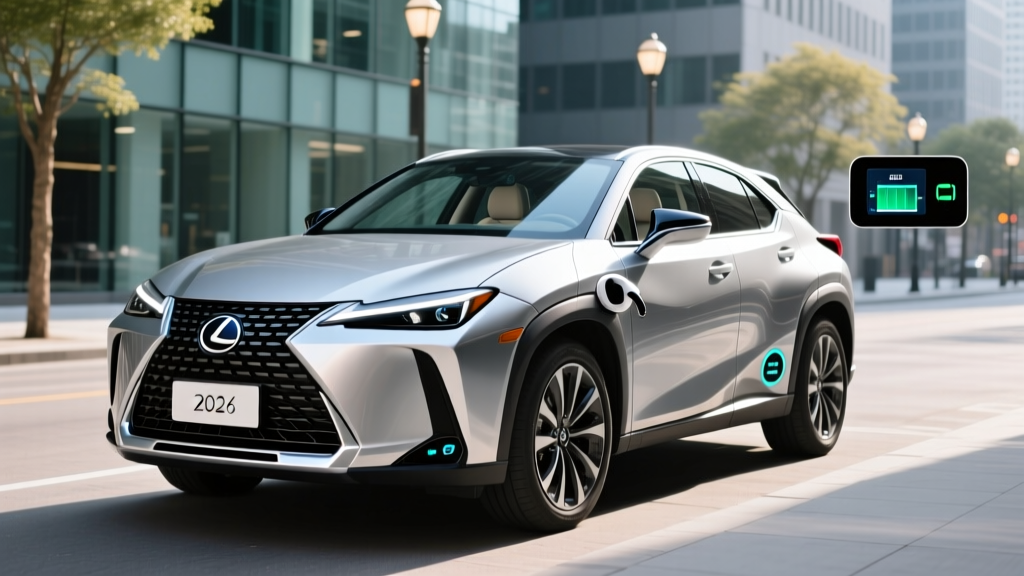
The 2026 Lexus UX 300h is a conventional hybrid electric vehicle (HEV) — not a plug-in hybrid. That means it has no plug, no electric-only driving range to manage, and no charging cable to deal with. It generates its own electricity through regenerative braking and the gasoline engine, storing it in a small nickel-metal hydride (NiMH) traction battery.
| Specification | 2026 Lexus UX 300h |
|---|---|
| Powertrain | 2.0L 4-cylinder + 2 electric motors (AWD) |
| Combined Horsepower | 181 hp |
| Drivetrain | Electronic AWD (E-Four) |
| Battery Type | NiMH (hybrid traction battery) |
| 0–60 mph | ~7.8 seconds (est.) |
| EPA MPG (City / Hwy / Combined) | 43 / 41 / 42 |
| Fuel Tank | 10.6 gallons |
| Total Driving Range | ~445 miles |
| Base MSRP (UX 300h Premium) | ~$39,350 |
| Hybrid Battery Warranty | 10 years / 150,000 miles |
The 2.0-liter Atkinson-cycle four-cylinder engine pairs with two front-mounted electric motor-generators and a rear-axle motor for electronic all-wheel drive. Combined output is 181 horsepower, routed through an electronically controlled continuously variable transmission (eCVT). It is not a sporty powertrain, but it delivers smooth, linear acceleration ideal for urban commuting.
EPA MPG Breakdown and Real-World Fuel Economy
The EPA rates the 2026 UX 300h at 43 mpg city, 41 mpg highway, and 42 mpg combined with all-wheel drive, according to fueleconomy.gov. That is a strong result for a luxury-branded compact crossover with AWD.
| Driving Condition | EPA Estimate | Real-World Expectation |
|---|---|---|
| City / Stop-and-Go | 43 mpg | 44–47 mpg (hybrids excel here) |
| Highway (70+ mph) | 41 mpg | 37–40 mpg (aero drag, less regen benefit) |
| Combined | 42 mpg | 40–44 mpg depending on driving mix |
| Cold Weather (below 32°F) | — | 35–38 mpg (engine runs more for cabin heat) |
As with most Toyota/Lexus hybrids, real-world city MPG often exceeds the EPA estimate because stop-and-go driving maximizes regenerative braking and electric-motor assist. Highway driving tells the opposite story: above 70 mph, the gasoline engine does most of the work and the UX's boxy crossover shape creates aerodynamic drag. Expect roughly 37–40 mpg on sustained highway trips.
In cold weather, fuel economy dips noticeably. The gasoline engine runs more frequently to provide cabin heat and keep the catalytic converter warm, reducing the hybrid system's efficiency advantage. Plan for mid-to-upper 30s in freezing temperatures.
Understanding the UX 300h: HEV vs. PHEV Explained
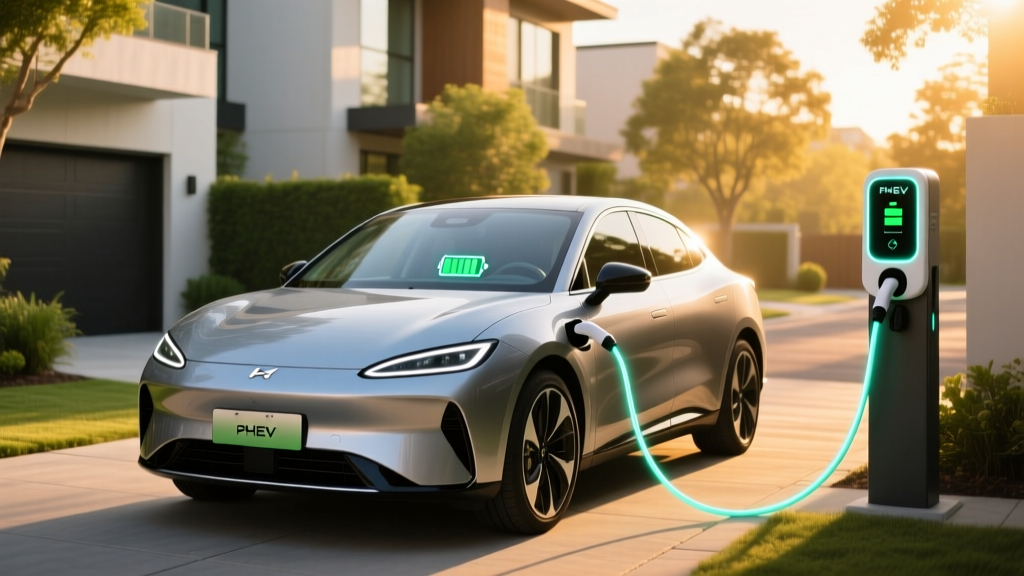
A common point of confusion among shoppers is whether the UX 300h needs to be plugged in. It does not. Here is how the two hybrid types differ:
| Feature | HEV (UX 300h) | PHEV (e.g., Toyota RAV4 Prime) |
|---|---|---|
| Plug-In Charging | No — self-charging | Yes — plug in for EV range |
| Electric-Only Range | ~1 mile at low speed | 35–42 miles typical |
| Battery Size | ~1.4 kWh (NiMH) | 18.1 kWh (lithium-ion) |
| Federal Tax Credit (§30D) | Not eligible | Up to $7,500 (if eligible) |
| Best For | No home charging access | Home charging + short commutes |
Lexus does not currently offer a plug-in hybrid (PHEV) version of the UX in the United States. If electric-only commuting is a priority, you would need to look at PHEV alternatives like the Toyota RAV4 Prime (42 miles EV range) or step up to a full BEV like the Lexus RZ 450e. For lessees who want the simplest possible ownership experience — just fill up with gas and go — the HEV is the right call.
2026 Lexus UX Hybrid Lease Pricing and Deals
Lease pricing fluctuates by region, dealer, and current incentive programs, but here is what to expect for a 2026 UX 300h lease in the current market:
- Typical lease structure: 36 months / 10,000–12,000 miles per year
- Estimated monthly payment: $479–$599/month depending on trim and money down
- Capitalized cost (negotiated price): $37,000–$42,000
- Money factor: Typically 0.00175–0.00225 (equivalent to ~4.2–5.4% APR)
- Residual value: 54–58% at 36 months (Lexus residuals are historically strong)
- Due at signing: $2,500–$4,000 (first month + fees + cap cost reduction)
Lexus Financial Services frequently offers lease cash incentives on the UX, particularly at the end of model-year quarters. Check the official Lexus UX 300h page or your local dealer for current offers. Premium and F SPORT Handling trims tend to carry slightly higher lease payments, while the base Premium trim delivers the best value proposition.
Lease tip: Negotiate the capitalized cost (sale price) just as you would if buying. Many lessees focus only on the monthly payment, but a lower cap cost directly reduces your total lease cost. Aim for $500–$1,500 below MSRP depending on local market conditions.
Tax Credits: Does the UX 300h Qualify?
The short answer: No. The Lexus UX 300h is a conventional hybrid (HEV), and the IRS §30D federal tax credit applies only to plug-in electric vehicles (PHEVs and BEVs) with a battery capacity of at least 7 kWh and the ability to be recharged from an external source.
Federal Tax Credit Eligibility for the UX 300h:
- §30D New EV Credit ($7,500): Not eligible — HEV, not plug-in
- §25D Used EV Credit ($4,000): Not eligible — applies only to plug-in vehicles
- State hybrid incentives: Some states (e.g., California, Colorado) offer rebates or HOV lane access for hybrids — check your state's energy office
- Insurance discounts: Some insurers offer green-vehicle discounts of 5–10% for hybrids
While the lack of a federal credit is a disadvantage versus PHEVs, the UX 300h's lower base price (~$39,350 vs. $45,000+ for most PHEV competitors) and 42 mpg combined often result in lower total ownership costs over a 3–5 year period. The math depends on your annual mileage, local gas prices, and whether you have access to home charging for a PHEV.
Battery Warranty, Reliability, and Replacement Cost
Hybrid battery longevity is one of the most common concerns among first-time hybrid buyers. Lexus addresses this with an industry-leading warranty.
2026 Lexus UX 300h Hybrid Battery Warranty:
- Coverage: 10 years or 150,000 miles (whichever comes first)
- What's covered: Hybrid battery pack, hybrid control module, inverter, electric motors
- Capacity threshold: Lexus warrants the battery against defects and abnormal degradation
- Transferable: Yes — warranty transfers to subsequent owners
Lexus (and parent company Toyota) has the deepest track record in hybrid technology of any automaker, with over 25 years of hybrid production since the original Prius. Real-world data consistently shows Toyota/Lexus hybrid batteries lasting 150,000–200,000+ miles before significant degradation. The UX 300h's relatively small NiMH battery is less stressed than larger lithium-ion packs, which works in its favor for longevity.
If replacement is needed outside warranty, a refurbished UX hybrid battery costs approximately $2,000–$3,500 installed, while a new OEM battery runs $4,000–$5,500. However, given Lexus's reliability record and the 10-year/150,000-mile warranty, most original owners will never face this expense — and lessees certainly will not, since a 36-month lease ends well within the warranty window.
The IIHS typically rates the UX well in crashworthiness, and Lexus consistently ranks at or near the top of J.D. Power's Vehicle Dependability Study. For lessees prioritizing worry-free ownership, this is a strong selling point.
Who Should Lease the UX 300h — And Who Should Look Elsewhere?
Lease the UX 300h If:
- You want a luxury-badged crossover under $45,000
- You lack access to home or workplace EV charging
- Your commute is mostly city/suburban (where hybrids shine)
- You value reliability and low maintenance costs over sporty driving dynamics
- You want AWD without the fuel-economy penalty of a gas-only AWD vehicle
- You plan to keep the vehicle for 3 years or less (ideal for leasing)
Look Elsewhere If:
- You want electric-only driving or plug-in capability
- You need more than 21.7 cu-ft of cargo space (UX is compact)
- You prioritize fast acceleration (7.8 sec 0–60 is leisurely)
- You want to claim the $7,500 federal EV tax credit
- You regularly drive long highway stretches (a BEV or diesel may be more efficient)
- You need third-row seating or significant towing capacity
The bottom line: The 2026 Lexus UX 300h is an excellent lease candidate for urban and suburban drivers who want premium badging, outstanding fuel economy, and Toyota-grade reliability without the complexity of plug-in charging. It is not the most exciting vehicle in its class, but it is one of the most sensible — and in a lease, you get the best years of its reliability curve while avoiding long-term depreciation risk.
Frequently Asked Questions
How many MPG does the 2026 Lexus UX 300h get?
The EPA rates the UX 300h at 43 mpg city, 41 mpg highway, and 42 mpg combined. In real-world city driving, many owners report 44–47 mpg thanks to frequent regenerative braking. Highway driving at speeds above 70 mph typically yields 37–40 mpg.
Does the Lexus UX 300h need to be plugged in?
No. The UX 300h is a conventional hybrid (HEV), not a plug-in hybrid. It charges its own small battery through regenerative braking and the gasoline engine. You simply fill it with gasoline like any other car.
Does the UX 300h qualify for the $7,500 federal tax credit?
No. The §30D federal tax credit is only available for plug-in electric vehicles (PHEVs and BEVs). The UX 300h is a self-charging hybrid and does not qualify. Some states may offer smaller incentives for hybrid vehicles — check your state's energy office.
How long will the Lexus UX hybrid battery last?
Lexus covers the hybrid battery for 10 years or 150,000 miles. Based on Toyota/Lexus's decades-long track record, hybrid batteries routinely last 150,000–200,000+ miles. Replacement cost, if needed, ranges from $2,000 (refurbished) to $5,500 (new OEM).
Is the Lexus UX 300h a good lease deal in 2026?
For the right buyer, yes. Monthly lease payments typically range from $479–$599 on a 36-month term. The UX 300h offers luxury features, 42 mpg combined, standard AWD, and Lexus reliability at a base price around $39,350. Strong residuals and frequent Lexus lease incentives make it competitive against rivals like the BMW X1 and Audi Q3, which get significantly lower fuel economy.
What is the difference between the UX 300h and the UX 250h?
For the 2026 model year, Lexus designates the hybrid UX as the UX 300h. The previous-generation UX 250h was renamed to reflect updated powertrain output and features. Both are conventional hybrids — there is no plug-in variant offered in the US market.