Quick Verdict: The Lexus LS 500h Hybrid in 2026
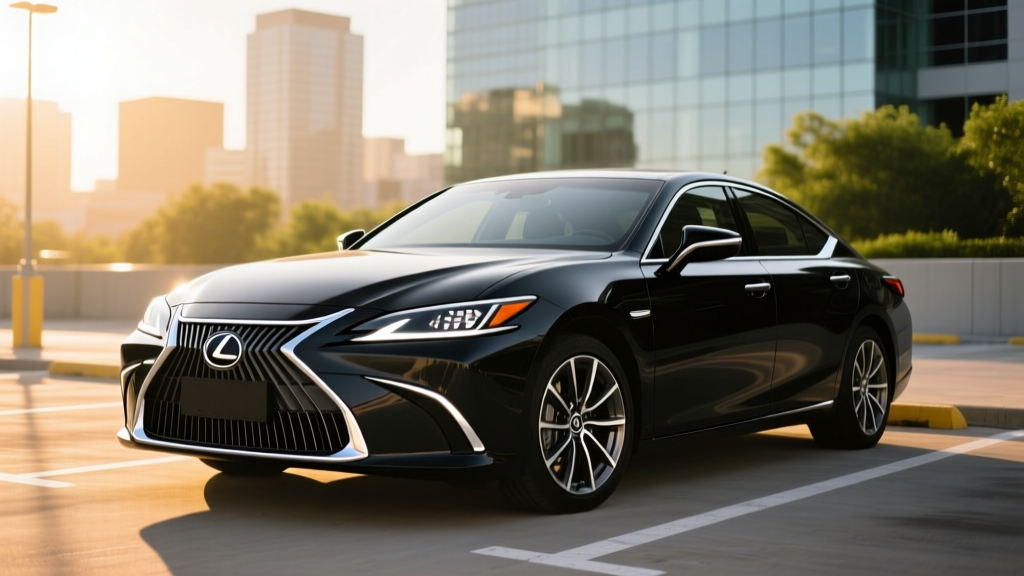
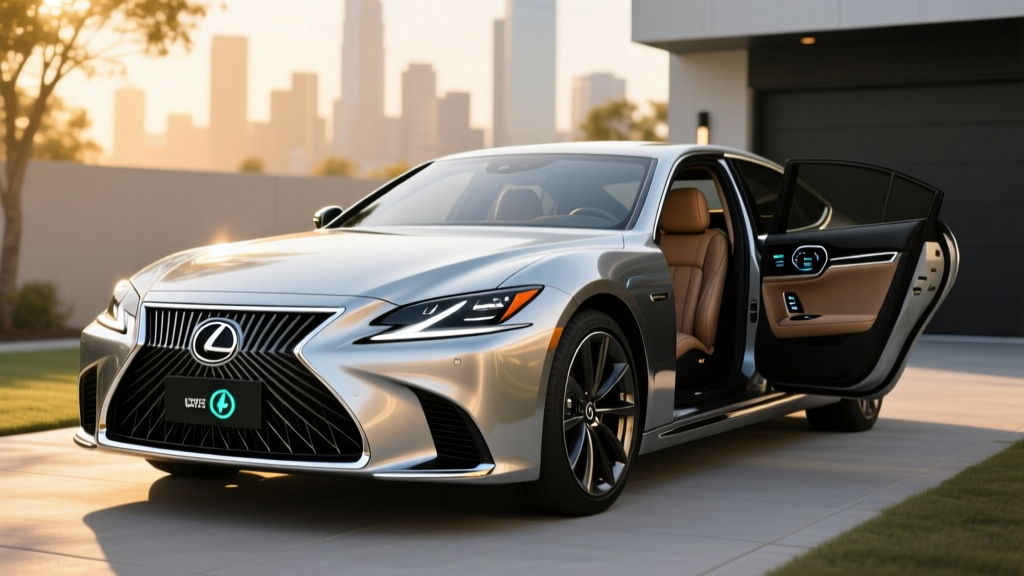
The 2026 Lexus LS 500h occupies a narrow but compelling lane: full-size luxury sedan with genuine hybrid efficiency, no plug required. Unlike BMW's plug-in hybrid 7 Series or Mercedes' EQS electric flagship, the LS 500h is a conventional hybrid (HEV) — it recovers energy through regenerative braking and never needs to be plugged in. For executives and luxury buyers who want V8-class refinement with 4-cylinder fuel bills, the LS 500h delivers 25 MPG EPA combined from a 354-horsepower multi-stage hybrid powertrain, starting around $84,000.
This guide breaks down the LS 500h's real-world fuel economy, powertrain engineering, hybrid battery longevity, and total ownership costs — with honest comparisons to plug-in hybrid and full-electric alternatives.
HEV vs PHEV vs EV: Where the LS 500h Fits
Understanding the Three Electrified Paths
Conventional Hybrid (HEV) — Lexus LS 500h: A small battery (1.1 kWh) paired with a gasoline engine. The battery charges via regenerative braking and engine power. No plug, no range anxiety, no charging infrastructure needed. You simply drive and refuel with gas.
Plug-in Hybrid (PHEV) — Example: BMW 750e xDrive: A larger battery (18-20 kWh) that provides 30-40 miles of electric-only range before the gas engine engages. Requires home or public charging to realize efficiency gains. If you never plug in, a PHEV operates as a heavier, less efficient conventional hybrid.
Battery Electric Vehicle (BEV) — Example: Mercedes EQS: No gas engine at all. 300+ miles of range from a 100+ kWh battery. Requires home Level 2 charging and access to DC fast chargers for road trips. Zero tailpipe emissions but higher upfront cost and charging logistics.
The LS 500h is strictly a conventional hybrid. Lexus has not offered a plug-in variant of the LS, and the brand's electrification strategy for its flagship sedan remains HEV-focused through the 2026 model year. This is a deliberate choice: Lexus prioritizes seamless ownership over maximum electrification for this segment.
Fuel Economy: EPA Ratings vs Real-World MPG
| Driving Condition | EPA Estimate | Real-World Expectation |
|---|---|---|
| City | 25 MPG | 26-28 MPG (hybrids excel in stop-and-go) |
| Highway | 24 MPG | 22-24 MPG (aero drag and speed reduce hybrid advantage) |
| Combined | 25 MPG | 24-26 MPG depending on driving mix |
Source: EPA Fuel Economy Guide
Why real-world city MPG often exceeds the EPA sticker: Conventional hybrids recapture kinetic energy during braking and deceleration, converting it to battery charge. In city driving with frequent stops, the LS 500h's electric motor handles low-speed propulsion, reducing engine load. Owners who drive primarily in urban environments frequently report 27-28 MPG — beating the EPA city estimate.
Highway reality check: At sustained 70-80 mph speeds, the hybrid system provides minimal assistance. The 3.5-liter V6 engine does most of the work, and aerodynamic drag dominates. Expect highway MPG to match or slightly fall below the EPA estimate, particularly in cold weather or with climate control running at maximum.
Cold-weather impact: Hybrid fuel economy drops 10-15% in sub-freezing temperatures. The engine runs more frequently to maintain cabin heat and battery temperature. In winter conditions, expect 21-23 MPG combined until temperatures moderate.
Powertrain Deep Dive: 354 HP Multi-Stage Hybrid System
| Specification | 2026 Lexus LS 500h |
|---|---|
| Engine | 3.5L V6 Atkinson-cycle direct injection |
| Electric Motors | Two motor/generators (MG1, MG2) |
| Combined System Output | 354 horsepower |
| Transmission | Multi-stage hybrid (4-speed automatic + e-CVT) |
| Hybrid Battery | 1.1 kWh lithium-ion |
| Drivetrain | Rear-wheel drive (AWD available) |
| 0-60 mph | 5.1 seconds (RWD), 5.0 seconds (AWD) |
| Fuel Tank | 21.7 gallons |
| Total Range | ~540 miles (combined EPA) |
The LS 500h's powertrain is engineering-dense but driver-friendly. Lexus uses a "multi-stage hybrid system" that combines a traditional e-CVT (electronically controlled continuously variable transmission) with a 4-speed automatic gearbox. The result: 10 simulated gear ratios that eliminate the "rubber band" sensation typical of older CVT hybrids. Acceleration feels linear and responsive, with the electric motor providing instant torque fill while the V6 builds power.
Atkinson-cycle efficiency: The 3.5L V6 uses the Atkinson cycle, which keeps the intake valve open longer during the compression stroke. This reduces pumping losses and improves thermal efficiency at the cost of peak power density — an acceptable trade-off when electric motors supplement acceleration.
Regenerative braking: Lift off the accelerator and the LS 500h immediately begins converting kinetic energy to battery charge. The brake pedal blends regenerative and friction braking seamlessly, with none of the grabby feel that plagued early hybrids. Drivers report natural pedal feel indistinguishable from a conventional luxury sedan.
Battery Longevity, Warranty & Replacement Cost
Hybrid Battery Coverage
Warranty: 10 years / 150,000 miles (whichever comes first) in California Air Resources Board (CARB) states; 8 years / 100,000 miles in other states.
Capacity retention: Lexus hybrid batteries are engineered to retain 80%+ capacity over the warranty period. Real-world data from Toyota/Lexus hybrids shows most batteries last 150,000-200,000 miles before significant degradation.
Replacement cost (out of warranty): $3,000-$5,000 for a refurbished or new hybrid battery pack, plus $500-$1,000 labor.
Why Lexus hybrid batteries outlast early EV batteries: The LS 500h's 1.1 kWh battery operates in a narrow state-of-charge window (typically 40-60% SoC). The hybrid control system never fully charges or fully depletes the pack, minimizing stress on lithium-ion cells. This shallow cycling, combined with active thermal management, extends battery life far beyond the aggressive charge/discharge cycles seen in battery electric vehicles.
Real-world reliability data: Lexus and Toyota hybrids have accumulated over 20 years of field data. Independent surveys from Consumer Reports and J.D. Power consistently rank Lexus hybrids among the most reliable vehicles in their segments. The LS 500h's hybrid system has proven robust, with battery failures rare before 150,000 miles in normal use.
Battery replacement economics: If your LS 500h requires a new hybrid battery at 180,000 miles (outside warranty), expect a $4,000-$6,000 total cost. This is a fraction of EV battery replacement ($10,000-$20,000+) and comparable to a major engine repair on a conventional luxury sedan. Many owners report the hybrid battery lasting the life of the vehicle.
Pricing, Trims & Tax Credit Eligibility
| Trim Level | MSRP (2026) | Federal Tax Credit |
|---|---|---|
| LS 500h RWD | $84,000 | $0 (not eligible) |
| LS 500h AWD | $87,000 | $0 (not eligible) |
| LS 500h Luxury | $96,000 | $0 (not eligible) |
| LS 500h Executive | $108,000 | $0 (not eligible) |
Federal tax credit reality: The LS 500h does not qualify for the IRS §30D Clean Vehicle Credit. This credit applies only to plug-in electric vehicles (PHEVs and BEVs) with battery capacity of at least 7 kWh. The LS 500h's 1.1 kWh hybrid battery falls far below this threshold. Conventional hybrids like the LS 500h have not qualified for federal purchase incentives since 2010.
State incentives: A handful of states offer modest rebates for conventional hybrids (typically $500-$1,500), but these programs are inconsistent and often income-restricted. Check your state's energy office or DMV website for current hybrid incentive programs. Most state incentives have shifted toward plug-in vehicles.
Total cost of ownership advantage: While the LS 500h receives no purchase incentives, its fuel savings are substantial. Compared to the gas-only LS 500 (20 MPG combined), the LS 500h saves approximately $600-$800 per year in fuel costs at 15,000 miles annually and $3.50/gallon premium fuel. Over a 5-year ownership period, that's $3,000-$4,000 in fuel savings — offsetting a portion of the hybrid premium.
Who Should Choose the LS 500h Hybrid?
Choose the LS 500h If:
- You want luxury sedan refinement with 25+ MPG and no lifestyle changes
- You lack home charging access (apartment, street parking, no garage)
- You drive 15,000+ miles per year and want fuel cost savings
- You prioritize reliability and low maintenance (hybrid systems reduce brake wear)
- You want V8-class acceleration (354 hp, 0-60 in 5.1 sec) with 4-cylinder fuel economy
- You plan to keep the vehicle 8-10 years (battery warranty covers this period)
Look Elsewhere If:
- You want electric-only driving or zero tailpipe emissions (choose a BEV)
- You qualify for the $7,500 federal tax credit and want to maximize purchase incentives (choose a PHEV/BEV)
- You drive primarily short trips under 10 miles (a PHEV's electric range is more efficient here)
- You want the latest EV technology (large screens, over-the-air updates, one-pedal driving)
- You need 300+ miles of range without refueling (the LS 500h delivers ~540 miles, but requires gas stops)
The LS 500h buyer profile: This hybrid appeals to traditional luxury sedan buyers who value Lexus reliability, quiet refinement, and fuel efficiency without the complexity of plug-in charging. It's ideal for owners who lack Level 2 home charging infrastructure, frequently take long road trips, or simply prefer the simplicity of gas-station refueling. The LS 500h is a bridge technology — more efficient than gas, less disruptive than electric.
LS 500h vs Plug-In Hybrid & Electric Alternatives
| Vehicle | Powertrain | MPG / MPGe | Electric Range | MSRP | Federal Credit |
|---|---|---|---|---|---|
| Lexus LS 500h | HEV | 25 MPG | N/A | $84,000 | $0 |
| BMW 750e xDrive | PHEV | 26 MPG + 55 MPGe | 34 miles | $107,000 | $7,500* |
| Mercedes EQS 450+ | BEV | 97 MPGe | 390 miles | $105,000 | $7,500* |
*Federal tax credit eligibility subject to MSRP caps, buyer income limits, and battery sourcing requirements. Verify current rules at IRS.gov.
BMW 750e xDrive (PHEV): Offers 34 miles of electric-only range for daily commuting, then operates as a hybrid. If you have home Level 2 charging and a short commute, the 750e can run on electricity most days. However, it costs $23,000 more than the LS 500h (before tax credit) and requires charging infrastructure.
Mercedes EQS (BEV): Full electric with 390 miles of range and 97 MPGe efficiency. Zero tailpipe emissions and minimal maintenance. But you'll need reliable home charging, must plan road trips around DC fast chargers, and face higher insurance costs. The EQS is a technology showcase but demands lifestyle adaptation.
The LS 500h advantage: No plug, no range anxiety, no charging logistics. You drive it like any other luxury sedan and simply enjoy better fuel economy. For buyers who want electrification without disruption, the LS 500h remains the pragmatic choice.
Frequently Asked Questions
How many MPG does the Lexus LS 500h hybrid get?
The 2026 Lexus LS 500h achieves 25 MPG EPA combined (25 city / 24 highway). Real-world fuel economy often reaches 26-28 MPG in city driving due to regenerative braking efficiency. Highway MPG typically matches or slightly falls below the EPA estimate at 22-24 MPG.
Does the Lexus LS hybrid need to be plugged in?
No. The LS 500h is a conventional hybrid (HEV), not a plug-in hybrid (PHEV). The hybrid battery charges through regenerative braking and engine power. You never plug it in — simply refuel with premium gasoline at any gas station.
How long does the Lexus LS hybrid battery last?
Lexus hybrid batteries are warrantied for 10 years/150,000 miles in CARB states and 8 years/100,000 miles in other states. Real-world data shows most Lexus hybrid batteries last 150,000-200,000 miles before requiring replacement. Out-of-warranty replacement costs $4,000-$6,000.
Is the Lexus LS 500h reliable?
Yes. Lexus consistently ranks at the top of J.D. Power and Consumer Reports reliability surveys. The LS 500h's hybrid system has proven robust over 20+ years of Toyota/Lexus hybrid production. Major hybrid component failures are rare before 150,000 miles.
Does the Lexus LS hybrid qualify for any tax credit?
No. The federal §30D Clean Vehicle Credit applies only to plug-in electric vehicles (PHEVs and BEVs) with battery capacity of at least 7 kWh. The LS 500h's 1.1 kWh hybrid battery does not qualify. Some states offer modest hybrid rebates ($500-$1,500), but these are inconsistent and often income-restricted.
Hybrid vs PHEV vs EV — which should I choose?
Choose a hybrid (HEV) like the LS 500h if: You lack home charging, want no lifestyle changes, and prioritize simplicity.
Choose a PHEV like the BMW 750e if: You have home Level 2 charging, a short commute (under 35 miles), and want electric-only daily driving.
Choose a BEV like the Mercedes EQS if: You have reliable home charging, want zero tailpipe emissions, and are comfortable planning road trips around DC fast chargers.
How much does it cost to fuel the LS 500h vs the gas-only LS 500?
At 15,000 miles per year and $3.50/gallon premium fuel, the LS 500h (25 MPG) costs ~$2,100 annually in fuel. The gas-only LS 500 (20 MPG) costs ~$2,625 annually. The hybrid saves approximately $525 per year, or $2,625 over 5 years.
Final Assessment: The Pragmatic Luxury Hybrid
The 2026 Lexus LS 500h is not the most electrified luxury sedan you can buy. It won't qualify for federal tax credits, doesn't offer electric-only range, and lacks the technology showcase appeal of a Mercedes EQS or BMW i7. But it delivers exactly what its target buyer wants: genuine luxury, 354-horsepower performance, 25 MPG real-world efficiency, and zero disruption to your driving routine.
For luxury sedan buyers who lack home charging infrastructure, frequently drive long distances, or simply prefer the reliability and simplicity Lexus is known for, the LS 500h remains the smart choice. It's electrification without compromise — just better fuel economy and lower operating costs, wrapped in a flagship sedan that will reliably serve you for 200,000 miles.