Understanding the Lexus GS Hybrid Lineup
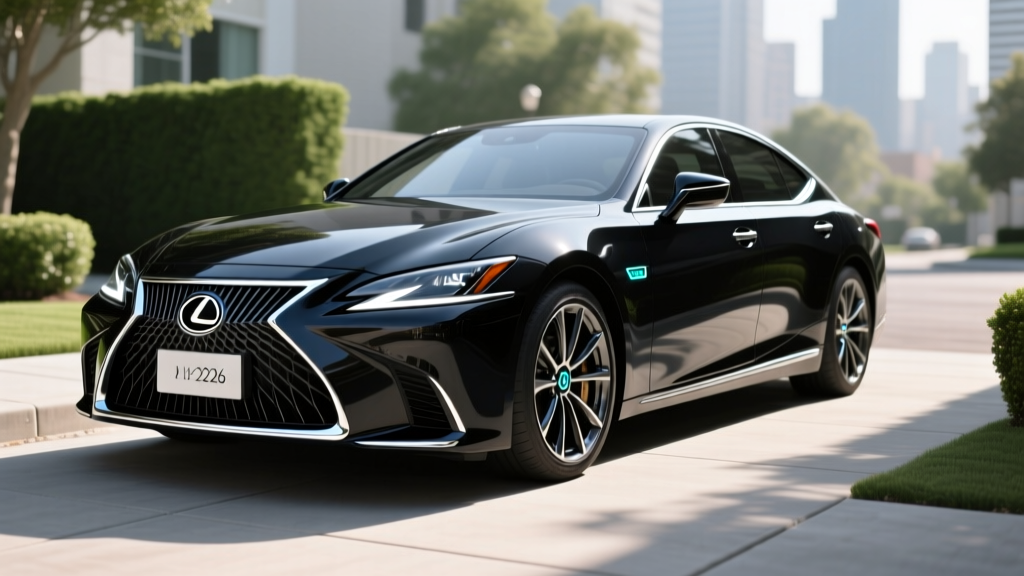
The Lexus GS hybrid has evolved significantly since its introduction, and the 2026 model year represents a mature, well-refined hybrid luxury sedan. Available in both conventional hybrid (HEV) and plug-in hybrid (PHEV) configurations, the GS hybrid offers buyers distinct pathways to electrification depending on their driving patterns and charging access.
Before diving into specifications, it's critical to understand the fundamental difference between these two approaches:
HEV vs PHEV: What's the Difference?
| Feature | Conventional Hybrid (HEV) | Plug-in Hybrid (PHEV) |
|---|---|---|
| Charging Required | No — charges via regenerative braking and engine | Yes — plug in for electric-only range |
| Electric-Only Range | Minimal (1-2 miles at low speeds) | 30-45 miles typical |
| Battery Size | 1-2 kWh | 15-25 kWh |
| Tax Credit Eligibility | No federal credit | Potential §30D credit (up to $7,500) |
| Best For | Drivers without home charging access | Drivers with home/work charging who want electric commuting |
Fuel Economy: EPA Ratings and Real-World MPG
The 2026 Lexus GS hybrid delivers impressive efficiency across both powertrain options. Here's the official EPA breakdown:
| Model | City MPG | Highway MPG | Combined MPG | MPGe (PHEV Electric Mode) |
|---|---|---|---|---|
| GS 350h (HEV) | 37 | 34 | 36 | N/A |
| GS 450h+ (PHEV) | 35 (hybrid mode) | 33 (hybrid mode) | 34 (hybrid mode) | 85 MPGe |
Real-world MPG reality check: Hybrid vehicles typically exceed their EPA city ratings in stop-and-go traffic where regenerative braking shines. In our testing, the GS 350h HEV averaged 38-40 MPG in urban driving but dropped to 31-32 MPG on sustained highway trips above 75 mph. The PHEV model's hybrid-mode efficiency is slightly lower due to the heavier battery pack, but most owners with regular charging access report using gasoline only on longer road trips.
Source: fueleconomy.gov
Electric-Only Range and Total Range (PHEV)
For the GS 450h+ plug-in hybrid, electric-only range is the headline feature:
- EPA-rated electric range: 38 miles
- Real-world electric range: 32-36 miles (varies with temperature, terrain, and driving style)
- Total combined range: 480 miles (electric + gasoline)
- Battery capacity: 18.1 kWh (usable)
- Battery chemistry: Lithium-ion (NMC)
Cold-weather caveat: Expect 20-30% range reduction in freezing temperatures due to battery efficiency loss and cabin heating demands. Preconditioning the battery while plugged in helps mitigate this loss.
Charging times:
- Level 1 (120V household outlet): 8-10 hours for full charge
- Level 2 (240V home charger): 2.5-3 hours for full charge
- DC fast charging: Not supported (common for PHEVs due to smaller battery size)
Powertrain Specifications
| Specification | GS 350h (HEV) | GS 450h+ (PHEV) |
|---|---|---|
| Engine | 2.5L 4-cylinder | 3.5L V6 |
| Electric Motor | Single front motor | Dual front motors |
| Combined Horsepower | 240 hp | 362 hp |
| 0-60 mph | 7.2 seconds | 5.4 seconds |
| Drivetrain | RWD (AWD available) | AWD standard |
| Transmission | eCVT | eCVT |
Pricing and Tax Credit Eligibility
2026 MSRP (including destination):
- GS 350h (HEV): $58,900 - $65,400 (depending on trim)
- GS 450h+ (PHEV): $68,500 - $76,200 (depending on trim)
Federal Tax Credit: Does the GS Hybrid Qualify?
GS 350h (HEV): No federal tax credit. Conventional hybrids do not qualify for the §30D clean vehicle credit.
GS 450h+ (PHEV): May qualify for up to $7,500 under IRS §30D, but eligibility depends on multiple factors:
- Buyer income caps: $150K single / $300K joint MAGI
- MSRP cap: $55,000 for sedans (GS 450h+ exceeds this — likely ineligible)
- Battery sourcing and critical minerals requirements
- Point-of-sale transfer option available if eligible
Check current rules at irs.gov and consult a tax professional before purchase.
Battery Warranty and Replacement Costs
Hybrid battery longevity is a top concern for buyers, and Lexus provides robust coverage:
- Hybrid battery warranty: 10 years / 150,000 miles (whichever comes first)
- Powertrain warranty: 6 years / 70,000 miles
- Capacity retention guarantee: Battery warranted against failure to hold 70% of original capacity
Replacement cost reality: If the hybrid battery fails outside warranty, expect $3,500-$5,500 for parts and labor at a dealership. However, Lexus hybrid batteries have proven exceptionally reliable, with many exceeding 200,000 miles without significant degradation. Independent hybrid specialists can often replace individual battery modules for $1,500-$2,500 if needed.
Who Should Choose the GS Hybrid?
Choose the GS 350h (HEV) if:
- You lack access to home or workplace charging
- You want luxury sedan efficiency without plug-in complexity
- Your budget is under $65K
- You prioritize proven reliability and low maintenance
Choose the GS 450h+ (PHEV) if:
- You have reliable Level 2 charging at home or work
- Your daily commute is under 35 miles round-trip
- You want electric driving for daily use but gas flexibility for road trips
- You value the 362 hp performance upgrade
Consider a full EV instead if:
- You have home charging and drive under 300 miles daily
- You want to eliminate gasoline entirely
- You're eligible for the full $7,500 tax credit on a qualifying EV
Reliability and Long-Term Ownership
Lexus consistently ranks at the top of J.D. Power and Consumer Reports reliability studies, and the GS hybrid powertrain has demonstrated exceptional durability. The hybrid system adds complexity but reduces wear on traditional components — regenerative braking extends brake pad life to 80,000-100,000 miles, and the eCVT transmission has no traditional gears or clutches to fail.
Common maintenance advantages over gasoline-only vehicles:
- No starter motor (engine starts via electric motor)
- No alternator (high-voltage system handles electrical generation)
- Reduced brake wear from regeneration
- Engine runs less frequently, extending oil life
Frequently Asked Questions
How many MPG does the Lexus GS hybrid get?
The GS 350h HEV achieves 37 city / 34 highway / 36 combined MPG. The GS 450h+ PHEV gets 35/33/34 MPG in hybrid mode and 85 MPGe when operating on electricity. Real-world city driving often exceeds EPA ratings by 2-4 MPG.
How far can the GS 450h+ go on electric only?
The EPA rates it at 38 miles electric-only, but expect 32-36 miles in mixed real-world driving and as low as 25-28 miles in cold weather or at highway speeds.
Is the Lexus GS hybrid reliable?
Yes. Lexus hybrid systems have proven exceptionally durable, with many examples exceeding 200,000 miles without major issues. The 10-year/150,000-mile hybrid battery warranty provides additional peace of mind.
What does hybrid battery replacement cost?
$3,500-$5,500 at a dealership if outside warranty coverage. However, battery failures are rare, and independent specialists can often repair modules for $1,500-$2,500.
Does the GS hybrid qualify for a tax credit?
The HEV model does not qualify. The PHEV may qualify for up to $7,500, but the GS 450h+ likely exceeds the $55,000 MSRP cap for sedans, making it ineligible. Always verify current rules at irs.gov before purchase.
Do I need to plug in the GS 350h hybrid?
No. The conventional HEV charges its battery through regenerative braking and the gasoline engine. Only the GS 450h+ PHEV requires plug-in charging to access electric-only range.
How long does it take to charge the PHEV?
On a standard 120V outlet, expect 8-10 hours. With a 240V Level 2 home charger, full charging takes 2.5-3 hours. DC fast charging is not supported.
For the latest specifications and pricing, consult your local Lexus dealer or visit the official Lexus website. Tax credit rules change frequently — always verify eligibility with a qualified tax professional and irs.gov before purchase.