Quick Verdict: The Efficiency Bargain of the Compact Crossover Class
If you want to slash fuel costs without changing your driving habits or installing a home charger, the 2026 Kia Niro Hybrid (HEV) remains one of the most compelling options on the market. With an EPA-estimated 53 MPG combined, a starting MSRP under $29,000, and Kia's 10-year powertrain warranty, it bridges the gap between a conventional gas crossover and a full battery-electric vehicle — without the range anxiety or charging infrastructure concerns.
But the Niro lineup also includes a plug-in hybrid (PHEV) variant that adds roughly 33 miles of electric-only driving. Which version is right for you depends on your commute, charging access, and budget. This guide breaks down every number that matters.
HEV vs PHEV: Understanding the Two Niro Powertrains
Niro Hybrid (HEV)
The conventional hybrid charges its small battery through regenerative braking and the gasoline engine. You never plug it in. It operates like a normal car — fill up at any gas station — but the hybrid system dramatically reduces fuel consumption, especially in stop-and-go city driving.
Niro Plug-In Hybrid (PHEV)
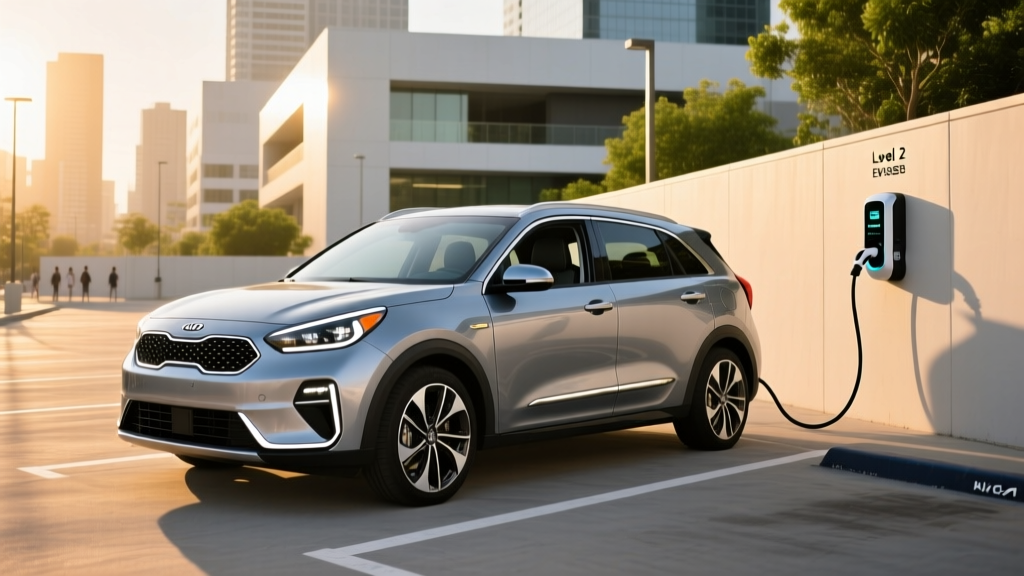
The PHEV adds a larger battery pack and a more powerful electric motor. Plug it in overnight at home (Level 1 or Level 2) and you get roughly 33 miles of pure electric driving before the gasoline engine kicks in. After the battery depletes, it functions as a conventional hybrid.
The distinction matters for your wallet and your daily routine. If you have a garage or driveway where you can install a Level 2 charger and your commute is under 30 miles round-trip, the PHEV can operate as an EV most days while retaining gas-engine flexibility for road trips. If you lack home charging access or simply want maximum simplicity, the HEV is the pragmatic choice.
Fuel Economy: EPA Ratings and Real-World MPG
Fuel economy is the headline reason buyers cross-shop the Niro. Here are the official EPA figures from fueleconomy.gov for the 2026 model year:
| Model | City MPG | Highway MPG | Combined MPG | Annual Fuel Cost* |
|---|---|---|---|---|
| Niro Hybrid (HEV) | 53 | 54 | 53 | ~$1,050 |
| Niro Plug-In Hybrid (PHEV) — charge-depleting | 108 MPGe | — | 108 MPGe | ~$600 (electric + gas mix) |
| Niro PHEV — charge-sustaining (hybrid mode) | 49 | 47 | 48 | — |
*Based on 15,000 miles/year, $3.50/gallon regular unleaded, 55% city / 45% highway driving. Actual costs vary by region and driving style.
Real-World MPG vs. EPA Sticker
Kia's hybrid system uses a 1.6-liter four-cylinder engine paired with an electric motor through a 6-speed dual-clutch automatic — not a CVT like the Toyota Prius. In real-world testing, the Niro HEV routinely meets or slightly exceeds its EPA city rating of 53 MPG in urban and suburban driving thanks to aggressive regenerative braking and frequent engine shut-off. Highway cruising at 75+ mph tends to pull figures down to 46-49 MPG. In cold weather (below 30°F), expect a 5-10% reduction as the engine runs more frequently for cabin heat and battery warming.
For the PHEV, the 33-mile electric-only range is achievable in mild weather at moderate speeds. Highway driving at 70 mph and cold temperatures can reduce that to 25-28 miles before the engine engages.
Powertrain and Performance Specs
| Specification | Niro HEV | Niro PHEV |
|---|---|---|
| Engine | 1.6L GDI 4-cylinder | 1.6L GDI 4-cylinder |
| Engine HP / Torque | 104 hp / 109 lb-ft | 104 hp / 109 lb-ft |
| Electric Motor HP | 43 hp (32 kW) | 83 hp (62 kW) |
| Combined System Output | 139 hp / 195 lb-ft | 180 hp / 195 lb-ft |
| Transmission | 6-speed DCT | 6-speed DCT |
| 0-60 mph (est.) | ~9.5 sec | ~7.2 sec |
| Drivetrain | FWD | FWD |
| Towing Capacity | Not rated | Not rated |
The PHEV's larger electric motor gives it a noticeable acceleration advantage — nearly 2.5 seconds quicker to 60 mph. Both models use a 6-speed dual-clutch transmission rather than the rubber-band feel of a CVT, which makes highway passing feel more natural. Neither variant offers all-wheel drive; if you need AWD in a compact hybrid crossover, the Toyota RAV4 Hybrid or Hyundai Tucson Hybrid are the alternatives to cross-shop.
PHEV Battery, Electric Range, and Charging
The Niro PHEV uses an 11.1 kWh lithium-ion polymer battery pack (roughly 9.0 kWh usable) paired with the more powerful 83-hp electric motor. Here's what that translates to in daily use:
| PHEV Charging Spec | Detail |
|---|---|
| Battery Capacity (total / usable) | 11.1 kWh / ~9.0 kWh |
| EPA Electric-Only Range | 33 miles |
| Total Range (electric + gas) | ~430 miles |
| Level 1 Charging (120V, 12A) | ~9 hours (0-100%) |
| Level 2 Charging (240V, 32A) | ~2 hours 45 min (0-100%) |
| DC Fast Charging | Not available |
| Charge Port | J1772 (Level 1/2) |
A critical note for PHEV shoppers: the Niro PHEV does not support DC fast charging. This is standard for most plug-in hybrids — the battery is small enough that Level 2 charging fully replenishes it in under three hours, which covers overnight home charging needs. If you need DC fast charging capability, you're looking at a full battery-electric vehicle like the Kia EV6 or Hyundai Ioniq 5.
Pricing, Trims, and Tax Credit Eligibility
The 2026 Niro Hybrid lineup starts at an accessible price point, though the PHEV commands a significant premium due to its larger battery and motor:
| Trim | Model | MSRP (incl. destination) |
|---|---|---|
| LX | HEV | $28,790 |
| EX | HEV | $31,490 |
| SX Touring | HEV | $35,290 |
| EX | PHEV | $35,890 |
| SX | PHEV | $38,490 |
Federal Tax Credit for the PHEV
The Niro PHEV may qualify for a partial federal tax credit under IRS §30D Clean Vehicle Credit, but eligibility is not guaranteed and depends on several factors that change periodically:
- MSRP Cap: SUVs/crossovers must be under $80,000 — the Niro PHEV clears this easily.
- Buyer Income Cap: Modified AGI must not exceed $150,000 (single), $225,000 (head of household), or $300,000 (joint). Check IRS guidelines for current-year thresholds.
- Battery Sourcing: The credit is split into two halves ($3,750 each) — one tied to critical minerals sourcing and one to battery component manufacturing. PHEVs must meet minimum battery capacity thresholds (at least 7 kWh; the Niro's 11.1 kWh qualifies). However, sourcing requirements tighten annually, and the exact credit amount available for the Niro PHEV in 2026 depends on Kia's supply chain compliance at time of purchase.
- Point-of-Sale Transfer: If eligible, you can transfer the credit to the dealer at purchase for an immediate price reduction rather than waiting for a tax refund.
Important: The conventional Niro HEV does not qualify for any federal tax credit — §30D applies only to plug-in vehicles. Always consult a tax professional and verify current eligibility on the IRS website before relying on credit assumptions in your purchase budget.
Battery Warranty, Reliability, and Replacement Cost
Kia Hybrid Battery Warranty
Kia covers the high-voltage hybrid battery in both the HEV and PHEV for 10 years or 100,000 miles (whichever comes first). In states that follow California Air Resources Board (CARB) emissions standards — including California, New York, Massachusetts, and several others — that coverage extends to 10 years or 150,000 miles. The 12V auxiliary battery carries a separate 3-year/36,000-mile warranty. The basic vehicle warranty is 5 years/60,000 miles, and the powertrain warranty is 10 years/100,000 miles.
Hybrid battery reliability has proven strong across the industry over two decades of real-world data. Toyota's hybrid systems have demonstrated batteries lasting 200,000+ miles with minimal degradation, and Kia's lithium-ion polymer packs have shown similar durability in the Niro since its 2017 debut. The hybrid battery is not a wear item like brake pads — it's designed to last the life of the vehicle under normal use.
Should a replacement be needed out of warranty, expect to pay between $2,500 and $4,500 for a new hybrid battery pack (HEV) or $5,000 to $7,500 for the larger PHEV pack, including labor. Refurbished packs are available for less. Given Kia's generous warranty window, most original owners will never face this cost.
For reliability ratings, check the latest IIHS crash-test scores and J.D. Power dependability data for the current model year.
Niro Hybrid vs PHEV vs Full EV: Which Is Right for You?
Choose the Niro HEV If:
- You don't have access to home or workplace charging
- Your budget is under $35,000
- You want maximum simplicity — no plugs, no charging apps, no behavior change
- You drive a mix of city and highway and want strong MPG everywhere
- You plan to keep the car 8-10+ years (warranty coverage peace of mind)
Choose the Niro PHEV If:
- You have a garage or driveway where you can install a Level 2 (240V) charger
- Your daily round-trip commute is under 30 miles
- You want EV-like quiet, instant-torque driving on most days but gas flexibility for road trips
- You can take advantage of the federal tax credit, narrowing the price gap with the HEV
- You're not ready to commit to a full EV due to apartment living, road-trip habits, or charging-desert concerns
Choose a Full EV (like the Kia EV6 or Hyundai Ioniq 5) If:
- You have reliable home Level 2 charging and your daily driving is under 250 miles
- You want the lowest per-mile "fuel" cost (electricity vs. gasoline)
- You want to eliminate oil changes, spark plugs, and emissions system maintenance entirely
- You qualify for the full $7,500 federal EV credit, which can make a more expensive EV competitive with the PHEV on price
5-Year Cost of Ownership Snapshot
| Cost Category | Niro HEV (LX) | Niro PHEV (EX) | Comparable Gas Crossover (~28 MPG) |
|---|---|---|---|
| Purchase Price (MSRP) | $28,790 | $35,890 | $28,000 |
| Est. Federal Tax Credit | $0 | $0–$7,500* | $0 |
| Fuel / Energy (5 yr / 75,000 mi) | ~$5,250 | ~$2,800** | ~$9,375 |
| Maintenance (5 yr) | ~$2,200 | ~$2,000 | ~$3,500 |
| Insurance (5 yr est.) | ~$7,500 | ~$7,800 | ~$7,200 |
| Estimated 5-Year Total | ~$43,740 | ~$40,990–$48,490 | ~$48,075 |
*PHEV credit depends on sourcing compliance and buyer income. **PHEV fuel cost assumes 70% of miles driven on electricity at $0.14/kWh and 30% on gasoline at $3.50/gal.
The PHEV's higher sticker price is partially offset by lower fuel costs and potential tax credits. If you qualify for even a partial credit, the PHEV can break even with or beat the HEV on 5-year total cost — especially if most of your driving falls within the 33-mile electric range.
Pros and Cons
Pros
- 53 MPG combined (HEV) — among the best in the compact crossover segment
- 10-year / 100,000-mile hybrid battery and powertrain warranty
- Comfortable ride quality and surprisingly spacious cargo area (22.8 cu ft behind rear seats)
- 6-speed DCT avoids the droning CVT feel common in competitors
- PHEV offers genuine 33-mile EV range for daily commuting
- Low starting price for a hybrid crossover
- Standard wireless Apple CarPlay and Android Auto
Cons
- No all-wheel-drive option on any trim
- Modest acceleration in the HEV (0-60 in ~9.5 seconds)
- PHEV does not support DC fast charging
- Road noise becomes noticeable above 70 mph
- HEV is not eligible for any federal tax credit
- Rear visibility is compromised by thick C-pillars (blind-spot monitor recommended)
- Infotainment screen is smaller than some rivals at base trim
Frequently Asked Questions
How many MPG does the Kia Niro Hybrid get?
The 2026 Kia Niro Hybrid (HEV) is EPA-rated at 53 city / 54 highway / 53 combined MPG. In real-world city driving, owners frequently report matching or slightly exceeding these numbers. Highway driving at sustained speeds above 70 mph typically yields 46-49 MPG.
How far can the Niro PHEV go on electric only?
The EPA rates the Niro PHEV at 33 miles of electric-only range. In moderate weather at city and suburban speeds, this is achievable. Cold temperatures and sustained highway driving can reduce that to roughly 25-28 miles. After the battery depletes, the PHEV operates as a conventional hybrid at approximately 48 MPG combined.
Does the Niro Hybrid need to be plugged in?
No. The conventional Niro Hybrid (HEV) charges its battery entirely through regenerative braking and the gasoline engine. You never plug it in. Only the Niro Plug-In Hybrid (PHEV) benefits from being plugged in to recharge its larger battery for electric-only driving.
Is the Kia Niro Hybrid reliable?
Kia's hybrid system has proven reliable since the Niro's introduction in 2017. The 10-year / 100,000-mile hybrid battery warranty is one of the strongest in the industry and provides long-term peace of mind. Industry data from J.D. Power and Consumer Reports generally rates Kia's hybrid powertrains as average to above-average in dependability.
What does it cost to replace the Niro hybrid battery?
Out of warranty, a replacement hybrid battery for the HEV typically costs $2,500-$4,500 including labor. The PHEV's larger battery runs $5,000-$7,500. However, most hybrid batteries last well beyond 150,000 miles, and Kia's 10-year warranty covers the vast majority of ownership periods.
Does the Niro Hybrid qualify for a tax credit?
The conventional Niro HEV does not qualify for any federal tax credit. The Niro PHEV may be eligible for up to $7,500 under the IRS §30D Clean Vehicle Credit, but the actual amount depends on battery sourcing requirements, buyer income limits, and MSRP caps that are subject to change. Always verify current eligibility on irs.gov and consult a tax professional before purchasing.
Hybrid vs PHEV vs EV — which should I choose?
If you lack home charging, the HEV is the clear answer — 53 MPG with zero lifestyle change. If you can charge at home and commute under 33 miles daily, the PHEV gives you EV-like daily driving with gas-engine backup. If you have reliable home charging, drive under 250 miles daily, and want the lowest operating cost, a full EV like the Kia EV6 eliminates gasoline entirely. The right choice depends on your charging access, commute length, and willingness to adapt.