Kia has built one of the most comprehensive hybrid lineups in the mainstream market. Whether you want a no-plug conventional hybrid (HEV) that squeezes every mile from a gallon of gas, or a plug-in hybrid (PHEV) that handles daily commutes on electricity alone, the 2026 Kia hybrid auto range covers three distinct vehicles across multiple body styles. This guide breaks down the Niro, Sportage, and Sorento hybrid families with the exact EPA figures, pricing, powertrain specs, and ownership data you need to decide which one — if any — fits your driving life.
HEV vs PHEV: What Kia Hybrid Buyers Need to Know First
Before comparing models, it's essential to understand the fundamental split in Kia's hybrid lineup. Kia sells both conventional hybrids and plug-in hybrids, and they serve different use cases.
Conventional Hybrid (HEV)
How it works: A small battery (typically 1.5–2.0 kWh) recharges through regenerative braking and the gasoline engine. You never plug it in. The electric motor assists the engine during acceleration and enables low-speed electric-only driving for brief stretches.
Best for: Drivers without home charging access, apartment dwellers, or anyone who wants better fuel economy without changing their refueling habits.
Plug-In Hybrid (PHEV)
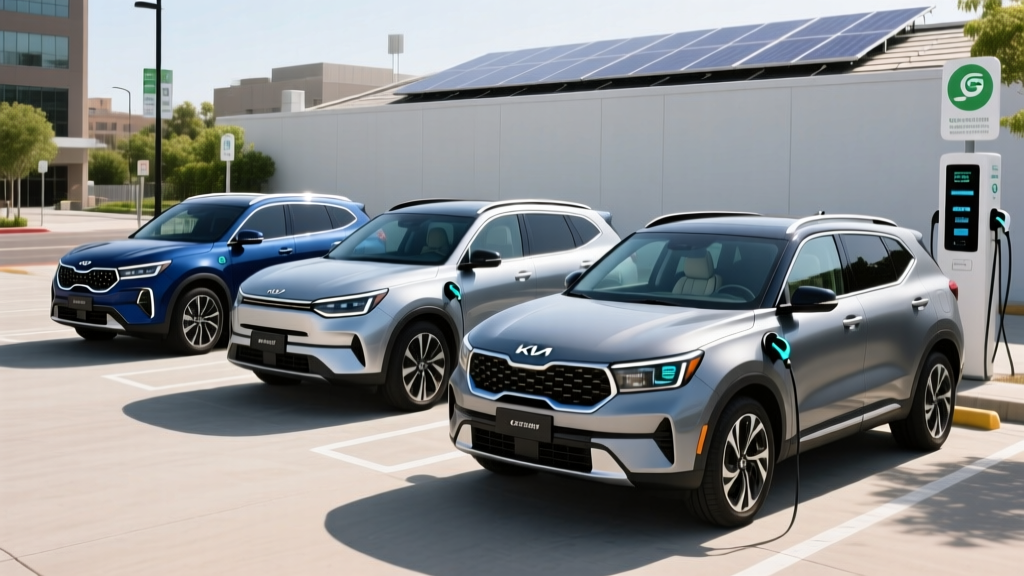
How it works: A larger battery (11–18 kWh usable) provides 30–40+ miles of electric-only range. You plug in at home (Level 1 or Level 2) to recharge. Once the battery depletes, the vehicle operates as a conventional hybrid.
Best for: Drivers with home or workplace charging who commute under 40 miles round-trip and want EV-like daily driving with gas-engine backup for road trips.
A conventional hybrid never requires plugging in. A PHEV can be driven without plugging in (it simply runs as a heavier, less efficient hybrid), but you lose the core benefit. Choose based on your charging access and commute distance.
2026 Kia Niro Hybrid: The Efficiency Leader
The Kia Niro remains the brand's most fuel-efficient hybrid auto, available as both an HEV and a PHEV. Redesigned for the current generation, it's a compact crossover that prioritizes efficiency over performance.
Niro HEV Powertrain and Specs
| Spec | 2026 Kia Niro HEV |
|---|---|
| Engine | 1.6L 4-cyl GDI |
| Combined HP | 139 hp |
| Battery | ~1.56 kWh lithium-ion |
| Transmission | 6-speed dual-clutch automatic |
| EPA MPG (City / Hwy / Combined) | 53 / 48 / 51 (LX trim) |
| Drivetrain | FWD only |
| Starting MSRP | ~$29,390 |
Niro PHEV Powertrain and Specs
| Spec | 2026 Kia Niro PHEV |
|---|---|
| Engine | 1.6L 4-cyl GDI |
| Combined HP | 180 hp |
| Battery (usable) | ~11.1 kWh lithium-ion polymer |
| EPA Electric-Only Range | 33 miles |
| EPA MPGe (charge-sustaining) | 108 MPGe / 48 MPG (gas only) |
| Level 2 Charge Time (0–100%) | ~2 hr 45 min (3.3 kW onboard charger) |
| DC Fast Charging | Not available |
| Starting MSRP | ~$35,590 |
Real-World MPG: Niro HEV
The Niro HEV's EPA rating of 51 MPG combined is among the highest of any non-plug-in crossover. In real-world city driving, owners frequently report 54–58 MPG because hybrids recapture the most energy in stop-and-go traffic. On sustained highway trips at 70–75 mph, expect 44–47 MPG — slightly below the EPA highway estimate, which is typical for hybrids optimized for urban efficiency. According to fueleconomy.gov, the Niro HEV's combined rating holds for the LX and EX trims; the SX Touring trim drops to approximately 49 MPG combined due to larger wheels and added weight.
2026 Kia Sportage Hybrid: The Practical Compact Crossover
The Sportage is Kia's volume-selling compact SUV, and its hybrid variants add meaningful efficiency without sacrificing the cargo space and available AWD that buyers in this segment demand.
Sportage HEV
| Spec | 2026 Kia Sportage HEV |
|---|---|
| Engine | 1.6L turbo 4-cyl GDI |
| Combined HP | 232 hp |
| Battery | ~1.49 kWh lithium-ion |
| Transmission | 6-speed automatic |
| EPA MPG (City / Hwy / Combined) | 42 / 44 / 43 (FWD) · 38 / 38 / 38 (AWD) |
| Drivetrain | FWD or AWD |
| Starting MSRP | ~$31,490 |
Sportage PHEV
| Spec | 2026 Kia Sportage PHEV |
|---|---|
| Engine | 1.6L turbo 4-cyl GDI |
| Combined HP | 261 hp |
| Battery (usable) | ~13.8 kWh lithium-ion polymer |
| EPA Electric-Only Range | 34 miles |
| EPA MPGe (charge-sustaining) | 84 MPGe / 35 MPG (gas only) |
| Level 2 Charge Time (0–100%) | ~3 hr 30 min (3.3 kW onboard charger) · ~1 hr 15 min (7.2 kW optional) |
| DC Fast Charging | Not available |
| Drivetrain | AWD standard |
| Starting MSRP | ~$40,490 |
The Sportage PHEV's 34-mile electric range covers the average American's one-way commute (approximately 16 miles, per Census Bureau data) with margin to spare. On a full charge plus a full tank, total combined range exceeds 430 miles. Real-world electric range in warm weather with moderate speeds can stretch to 37–39 miles; in freezing temperatures with cabin heat, expect 26–29 miles before the engine engages.
2026 Kia Sorento Hybrid: Three-Row Family Hauler
The Sorento is the only three-row SUV in Kia's hybrid lineup, making it the default choice for families who need six or seven seats but want to cut fuel costs. It's available as both an HEV and a PHEV.
Sorento HEV
| Spec | 2026 Kia Sorento HEV |
|---|---|
| Engine | 1.6L turbo 4-cyl GDI |
| Combined HP | 232 hp |
| Battery | ~1.49 kWh lithium-ion |
| EPA MPG (City / Hwy / Combined) | 36 / 36 / 36 (FWD) · 33 / 34 / 34 (AWD) |
| Drivetrain | FWD or AWD |
| Starting MSRP | ~$38,590 |
Sorento PHEV
| Spec | 2026 Kia Sorento PHEV |
|---|---|
| Engine | 1.6L turbo 4-cyl GDI |
| Combined HP | 261 hp |
| Battery (usable) | ~13.8 kWh lithium-ion polymer |
| EPA Electric-Only Range | 32 miles |
| EPA MPGe (charge-sustaining) | 79 MPGe / 33 MPG (gas only) |
| Level 2 Charge Time (0–100%) | ~3 hr 30 min (3.3 kW) · ~1 hr 15 min (7.2 kW optional) |
| DC Fast Charging | Not available |
| Drivetrain | AWD standard |
| Starting MSRP | ~$51,590 |
For a three-row SUV, the Sorento HEV's 36 MPG combined is genuinely impressive. Real-world city driving often yields 37–40 MPG in warm weather; highway cruising at 75 mph drops to roughly 32–34 MPG. The Sorento PHEV sacrifices a few MPG in charge-sustaining mode (33 MPG combined) due to the added battery mass, but 32 miles of electric range means school runs, grocery trips, and most errands happen without burning fuel.
Side-by-Side MPG and Range Comparison
| Model | Type | City MPG | Hwy MPG | Combined | EV Range | Total Range |
|---|---|---|---|---|---|---|
| Niro HEV (LX) | HEV | 53 | 48 | 51 | — | ~560 mi |
| Niro PHEV | PHEV | 48* | 48* | 48* | 33 mi | ~510 mi |
| Sportage HEV (FWD) | HEV | 42 | 44 | 43 | — | ~520 mi |
| Sportage PHEV (AWD) | PHEV | 35* | 35* | 35* | 34 mi | ~430 mi |
| Sorento HEV (FWD) | HEV | 36 | 36 | 36 | — | ~480 mi |
| Sorento PHEV (AWD) | PHEV | 33* | 34* | 33* | 32 mi | ~440 mi |
* Charge-sustaining MPG (after battery is depleted). See fueleconomy.gov for full MPGe ratings.
Battery Warranty, Reliability, and Replacement Costs
Kia Hybrid Battery Warranty
HEV models: 10 years / 100,000 miles (whichever comes first) on the hybrid battery and hybrid-system components. This applies to the original owner; subsequent owners may see coverage reduced to 5 years / 60,000 miles depending on state and transfer rules.
PHEV models: 10 years / 100,000 miles on the high-voltage battery pack and PHEV-specific components, with a capacity-retention threshold — Kia warrants that the battery will retain at least 70% of its original capacity during the warranty period.
Standard powertrain warranty: 10 years / 100,000 miles for all Kia models, covering the engine, transmission, and drivetrain.
Long-Term Reliability Data
Kia's hybrid systems use a parallel-hybrid architecture with a conventional transmission (6-speed automatic or DCT) rather than the planetary-gear e-CVT found in Toyota hybrids. This is mechanically simpler in some ways but has historically shown slightly more transmission-related service events in early model years. The current-generation Sportage and Sorento hybrid powertrains (introduced for 2023) have matured past initial teething issues, and Kia's 10-year powertrain warranty provides a substantial backstop.
Battery Replacement Cost Estimates
If a hybrid battery fails outside the warranty window, replacement costs vary by model:
- Niro HEV (1.56 kWh): $2,000–$3,500 (parts + labor)
- Sportage/Sorento HEV (1.49 kWh): $2,000–$3,500
- Sportage/Sorento PHEV (13.8 kWh): $6,000–$9,000
- Niro PHEV (11.1 kWh): $5,000–$7,500
These are out-of-warranty dealer estimates. Independent hybrid-battery refurbishment shops can sometimes repair individual cells for significantly less. Lithium-ion hybrid batteries in Kia vehicles have shown 8–12% degradation over 100,000 miles in typical use — well within the warranty threshold. Complete failure before 150,000 miles is uncommon based on current fleet data.
Tax Credits and Incentives for Kia Hybrids and PHEVs
Under current IRS §30D rules, the federal tax credit landscape for Kia's hybrid lineup requires careful navigation:
- Kia Niro HEV, Sportage HEV, Sorento HEV: Conventional hybrids do not qualify for the federal §30D clean vehicle credit. That credit applies only to plug-in electric vehicles (BEVs and PHEVs).
- Kia Niro PHEV, Sportage PHEV, Sorento PHEV: May qualify for up to $7,500 under §30D, but eligibility depends on multiple factors that change frequently.
§30D Credit Requirements (2026)
To qualify for the full $7,500 on a Kia PHEV, the buyer and vehicle must meet all of the following per IRS guidelines:
- MSRP cap: The vehicle's MSRP must not exceed $80,000 for SUVs (all Kia PHEVs clear this).
- Buyer income cap: Modified AGI ≤ $150,000 (single) or ≤ $300,000 (joint).
- Battery sourcing: A percentage of critical minerals and battery components must be sourced from the U.S. or free-trade-agreement countries. These thresholds increase annually and may disqualify some trims or model years mid-cycle.
- Final assembly: Must occur in North America. The Niro is assembled in South Korea, which may disqualify it. The Sportage and Sorento PHEVs are assembled in Georgia, which satisfies this requirement.
- Point-of-sale transfer: Buyers can transfer the credit to the dealer at purchase, reducing the sale price directly — no need to wait for tax filing.
Always verify current eligibility on fueleconomy.gov before purchasing, as sourcing and assembly rules change.
Who Should Buy a Kia Hybrid vs a Full EV or Gas Car?
Choose a Kia HEV If:
- You lack access to home or workplace charging (apartment, street parking, no 240V outlet).
- Your daily driving is a mix of city and highway with no consistent pattern.
- You want maximum fuel savings with zero behavioral change — just fill up at any gas station.
- You drive 12,000–15,000 miles/year and want to cut fuel costs by 35–50% versus a gas-only equivalent.
Choose a Kia PHEV If:
- You can install a Level 2 charger at home (or have reliable workplace charging).
- Your daily commute is under 35 miles round-trip — you'll run almost entirely on electricity on weekdays.
- You take road trips several times per year and don't want to plan around DC fast-charging infrastructure.
- You want to "test-drive" the EV lifestyle before committing to a full battery-electric vehicle.
Choose a Full EV (e.g., Kia EV6 or EV9) If:
- You have reliable home Level 2 charging and your daily driving is under 250 miles.
- You want to eliminate gas entirely and minimize maintenance (no oil changes, no transmission fluid).
- You qualify for the full $7,500 federal tax credit and your state offers additional EV incentives.
- You're comfortable planning road-trip charging stops around networks like Electrify America or Tesla Superchargers.
Kia Hybrid Lineup — Pros
- Class-leading fuel economy (Niro at 51 MPG combined)
- 10-year / 100,000-mile powertrain and hybrid battery warranty
- AWD available on Sportage and Sorento (HEV and PHEV)
- PHEVs offer 32–34 miles of real electric range for daily commuting
- No charging infrastructure required for HEV models
- Three-row seating available (Sorento)
Kia Hybrid Lineup — Cons
- PHEV models lack DC fast charging — Level 2 only
- Niro is FWD only; no AWD option
- Niro PHEV assembled in South Korea — may not qualify for §30D credit
- AWD on Sportage HEV drops combined MPG from 43 to 38
- Sorento PHEV starting price above $51,000 (before incentives)
- Hybrid battery replacement cost is significant out of warranty ($5,000–$9,000 for PHEV)
Frequently Asked Questions
How many MPG does a Kia hybrid get?
It depends on the model and drivetrain. The 2026 Kia Niro HEV leads at 53 city / 48 highway / 51 combined MPG. The Sportage HEV achieves 42/44/43 MPG (FWD), and the Sorento HEV delivers 36/36/36 MPG (FWD). AWD reduces all figures by 2–5 MPG. In real-world city driving, Kia hybrids often exceed their EPA city ratings by 2–4 MPG thanks to aggressive regenerative braking in stop-and-go traffic.
How far can a Kia PHEV go on electric only?
The 2026 Niro PHEV provides 33 miles of EPA-rated electric-only range, the Sportage PHEV offers 34 miles, and the Sorento PHEV delivers 32 miles. In warm weather with gentle acceleration, expect 2–5 miles more than the EPA figure. In freezing temperatures with cabin heating, expect 20–25% less — roughly 24–28 miles — before the gasoline engine engages.
Hybrid vs PHEV vs EV — which Kia is right for me?
If you can't charge at home, choose an HEV (Niro, Sportage, or Sorento). If you can charge at home and commute under 35 miles daily, a PHEV gives you electric commuting with gas-engine flexibility for longer trips. If you can charge at home, drive under 250 miles daily, and want zero tailpipe emissions with minimal maintenance, consider a full EV like the Kia EV6 or EV9 instead.
Are Kia hybrids reliable, and what does battery replacement cost?
Kia's current-generation hybrid powertrains (2023+) have shown solid reliability, backed by an industry-leading 10-year / 100,000-mile hybrid battery and powertrain warranty. Out-of-warranty battery replacement ranges from approximately $2,000–$3,500 for HEV models (small battery) to $5,000–$9,000 for PHEV models (larger battery). Real-world degradation data suggests 8–12% capacity loss over 100,000 miles, meaning most batteries will outlast the warranty period without needing replacement.
Does a Kia hybrid qualify for a tax credit?
Conventional Kia hybrids (HEV) do not qualify for the federal §30D clean vehicle credit — that credit is reserved for plug-in vehicles. Kia PHEVs (Sportage PHEV, Sorento PHEV, Niro PHEV) may qualify for up to $7,500, subject to buyer income limits ($150K single / $300K joint), MSRP caps, battery-sourcing requirements, and North American final assembly. The Sportage and Sorento PHEVs (assembled in Georgia) are more likely to qualify than the Niro PHEV (assembled in South Korea). Always verify current eligibility at irs.gov before purchasing, as rules update throughout the year.
Do Kia PHEVs support DC fast charging?
No. None of Kia's current PHEVs (Niro, Sportage, or Sorento) support DC fast charging. They charge exclusively via Level 1 (120V household outlet, ~10–12 hours for a full charge) or Level 2 (240V, ~1.25–3.5 hours depending on the onboard charger rating). This is typical for the PHEV segment — the batteries are small enough that Level 2 fully replenishes them overnight, and adding DC fast-charging hardware would increase cost and weight for minimal practical benefit.