Quick Verdict: The Kia Carnival Hybrid Fills a Minivan Gap
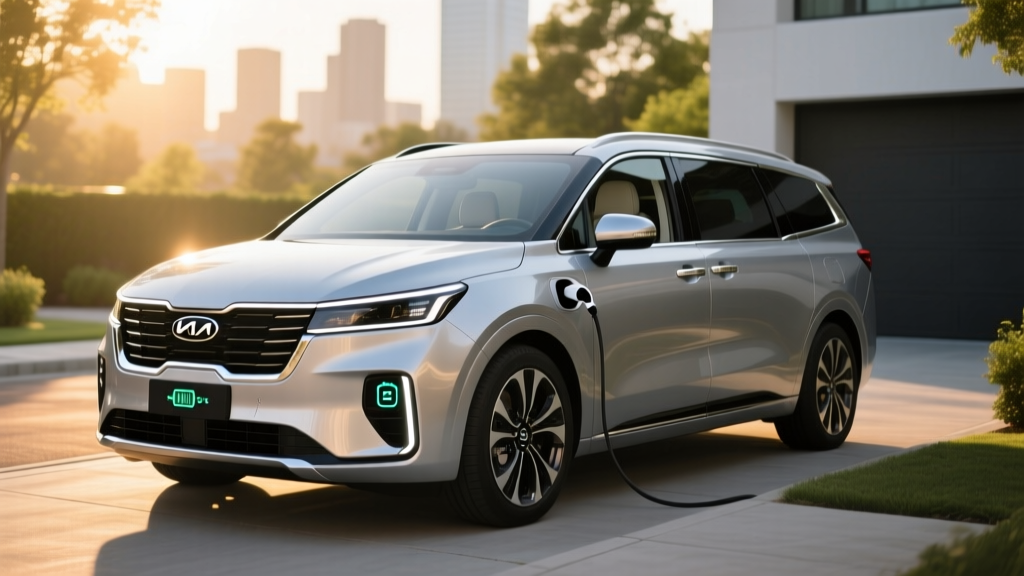
If you've been searching for a Kia Carnival MPV hybrid for sale in your area — whether in Mount Pleasant or elsewhere in the Southeast — you're looking at one of the few hybrid minivans on the US market that isn't a Toyota Sienna or Chrysler Pacifica. The 2026 Kia Carnival Hybrid (HEV) pairs a 1.6-liter turbocharged four-cylinder with an electric motor for 245 combined horsepower and an EPA-estimated 33 MPG combined. It's a conventional hybrid — no plug, no range anxiety, no charging infrastructure required — and it delivers meaningful fuel savings over the standard gas-only Carnival's 22 MPG combined.
But before you visit a dealer, there are real-world nuances to understand: this is a hybrid-electric vehicle (HEV), not a plug-in hybrid (PHEV). It does not have an electric-only driving mode, it does not qualify for the federal §30D EV tax credit, and its highway fuel economy dips below its city rating. Here's every number you need to make an informed purchase decision.
HEV vs PHEV: What the Carnival Hybrid Actually Is
This distinction matters for your wallet and your daily routine. The 2026 Kia Carnival is offered as a conventional hybrid (HEV) only in the US market. There is no plug-in hybrid (PHEV) variant available.
| Feature | Kia Carnival Hybrid (HEV) | Typical PHEV Minivan (e.g., Pacifica PHEV) |
|---|---|---|
| Plugs in to charge? | No — self-charging via regen and engine | Yes — Level 1/Level 2 charging |
| Electric-only range | None (motor assists engine at all times) | 30–32 miles EPA electric-only |
| Battery size | ~1.49 kWh (small, buffered) | ~16 kWh usable |
| Federal tax credit (§30D) | Not eligible | Eligible up to $7,500 (subject to rules) |
| Best for | No home charging access, want simplicity | Home charging available, short daily commutes |
The Carnival Hybrid recovers energy through regenerative braking and uses its small battery pack to assist the gas engine during acceleration and low-speed driving. You never plug it in. You fuel it like a regular car and simply enjoy better MPG, especially in city driving where the electric motor does the most work.
Fuel Economy: EPA Ratings and Real-World MPG
The headline number is 33 MPG combined, but the city/highway split tells a more useful story for how you'll actually drive this minivan.
| Driving Cycle | EPA Estimate | Real-World Expectation |
|---|---|---|
| City | 34 MPG | 33–36 MPG (hybrids often beat EPA in stop-and-go) |
| Highway | 31 MPG | 28–31 MPG (aero drag and sustained speeds reduce hybrid advantage) |
| Combined | 33 MPG | 30–33 MPG depending on driving mix |
Why real-world can exceed EPA in the city: Conventional hybrids like the Carnival HEV recapture kinetic energy every time you brake. In stop-and-go traffic, school drop-off lines, and suburban errands, the electric motor handles more of the load, pushing real-world city MPG above the sticker. On long highway stretches at 75+ mph, the gas engine carries most of the burden, and the hybrid advantage shrinks.
Cold-weather note: In winter conditions (below 40°F), expect a 5–10% reduction in fuel economy. The engine runs more frequently to provide cabin heat and maintain battery temperature. This is normal for all hybrids and is far less severe than the 20–30% range loss a full EV experiences in cold weather.
For comparison, the gas-only 2026 Kia Carnival with the 3.5L V6 achieves just 22 MPG combined (19 city / 26 highway) per fueleconomy.gov. That's an 11 MPG improvement with the hybrid — roughly 33% less fuel consumed per mile.
Powertrain Specs: 245 HP Turbo Hybrid
Kia's hybrid system in the Carnival is not a carryover economy setup. It's a turbocharged powertrain designed to move a 4,700-pound minivan with passengers and cargo without strain.
| Specification | Detail |
|---|---|
| Engine | 1.6L turbocharged 4-cylinder (Smartstream G1.6 T-GDi) |
| Engine output | 180 hp / 195 lb-ft torque |
| Electric motor | 47.7 kW (64 hp) integrated into transmission |
| Combined system output | 245 hp / 271 lb-ft torque |
| Transmission | 6-speed automatic (torque converter, not CVT) |
| Drivetrain | Front-wheel drive (FWD) only — no AWD option |
| 0–60 mph | ~7.8 seconds (est.) |
| Towing capacity | 3,500 lbs (when properly equipped) |
| Battery type | Lithium-ion polymer, ~1.49 kWh |
The 6-speed automatic is a deliberate choice over a CVT. It provides more natural shift feel and better highway passing response, though it sacrifices a small amount of efficiency compared to the continuously variable transmissions found in the Toyota Sienna Hybrid. The trade-off: the Carnival Hybrid feels more like a traditional vehicle to drive, which many minivan buyers prefer.
FWD limitation: The Carnival Hybrid is front-wheel drive only. If you need all-wheel drive for snow or wet conditions, you'll have to look at the Toyota Sienna (AWD available on hybrid trims) or the gas-only Carnival with AWD. This is a significant constraint for buyers in northern climates.
Pricing, Trims, and Tax Credit Eligibility
The 2026 Kia Carnival Hybrid is positioned as a premium minivan option, starting above $40,000. Here's the current trim breakdown:
| Trim | MSRP (incl. destination) | Key Features |
|---|---|---|
| LXS Hybrid | $41,900 | 8-passenger, dual-zone climate, 12.3" touchscreen, Smart Cruise Control |
| EX Hybrid | $44,500 | Leatherette seats, power sliding doors, power liftgate, heated front seats |
| SX Hybrid | $47,900 | Leather seats, dual 12.3" displays, Highway Driving Assist, Bose audio |
| SX Prestige Hybrid | $52,500 | Nappa leather, ventilated front seats, rear entertainment, surround-view camera |
Federal Tax Credit: Not Eligible
The Kia Carnival Hybrid is a conventional HEV, not a plug-in vehicle. Under current IRS §30D rules, only battery electric vehicles (BEVs) and plug-in hybrids (PHEVs) with sufficient battery capacity qualify for the federal Clean Vehicle Credit. The Carnival Hybrid's ~1.49 kWh battery is far below the 7 kWh minimum threshold.
Bottom line on incentives: No federal tax credit for the Carnival Hybrid. Some states or municipalities may offer small rebates for hybrid purchases — check your local energy provider or state environmental agency. However, the fuel savings alone (roughly $600–$900/year vs. the gas Carnival at current fuel prices) provide the economic case.
Reliability and Battery Warranty
Hybrid battery longevity is the top concern for buyers spending $40K+ on a minivan they plan to keep for a decade. Here's what Kia provides:
| Component | Coverage |
|---|---|
| Hybrid battery pack | 10 years / 100,000 miles |
| Hybrid system components (motor, inverter) | 10 years / 100,000 miles |
| Powertrain (engine, transmission) | 10 years / 100,000 miles |
| Bumper-to-bumper | 5 years / 60,000 miles |
Battery replacement cost (out of warranty): Based on current hybrid battery pricing for Kia's 1.6T hybrid platform, expect $2,500–$4,000 for a replacement pack plus labor. However, hybrid battery failure before 150,000 miles is uncommon. Toyota's hybrid batteries (a comparable benchmark) routinely exceed 200,000 miles with minimal degradation. Kia's lithium-ion polymer pack, being smaller and less stressed than an EV battery, has a strong longevity outlook.
Reliability data: The Carnival Hybrid powertrain shares its 1.6T hybrid system with the Kia Sorento Hybrid and Hyundai Tucson Hybrid, both of which have been on the market since 2022 with no widespread battery failure patterns. The Carnival platform itself received a refresh for the 2025 model year. Check NHTSA.gov for the latest recall and complaint data on the current generation.
Who Should Buy the Carnival Hybrid (and Who Shouldn't)
Choose the Carnival Hybrid If:
- You drive 12,000–20,000 miles/year and want fuel savings without plugging in
- You don't have access to home or workplace charging (no garage, apartment living)
- You want a minivan but prefer Kia's design and tech over Toyota/Chrysler
- Most of your driving is city/suburban (school runs, errands, commuting)
- You plan to keep the vehicle 8+ years (warranty covers the hybrid system)
Look Elsewhere If:
- You need AWD — the Carnival Hybrid is FWD only (consider Sienna Hybrid AWD)
- You want electric-only driving for short trips (consider Chrysler Pacifica PHEV)
- You qualify for the $7,500 federal EV/PHEV credit and want to maximize incentives
- You frequently tow over 3,500 lbs (the gas V6 Carnival handles heavy loads better)
- You mostly drive highway miles — the hybrid advantage narrows at sustained speeds
Hybrid vs PHEV vs Full EV: Which Minivan Fits You?
| Scenario | Best Choice | Why |
|---|---|---|
| No home charging, mixed driving | Kia Carnival Hybrid (HEV) | No plug needed, 33 MPG combined |
| Home charging, short daily commute (<30 mi) | Chrysler Pacifica PHEV | 32 mi electric-only, then gas engine for longer trips |
| Home charging, want maximum efficiency | Toyota Sienna Hybrid (AWD available) | 36 MPG combined, AWD option, proven reliability |
| Ready for full EV, home Level 2 charger | No full-electric minivan yet (2026) | Wait for upcoming electric minivans or consider a 3-row EV SUV |
Local Buying Considerations: Finding a Carnival Hybrid Near Mount Pleasant
The Kia Carnival Hybrid has been in high demand since its introduction, and dealer inventory in the Southeast — including the Mount Pleasant, SC metro area — can be tight. Here's what to expect when shopping locally:
- Dealer markups: Some dealers add $1,500–$3,000 above MSRP on Hybrid trims due to limited allocation. The SX Prestige Hybrid is most affected.
- Wait times: If your preferred trim/color isn't in stock, factory orders typically take 6–10 weeks for the hybrid powertrain.
- Test drive tip: Ask for a hybrid-specific test drive. The regen braking feel and engine shut-off at stops are different from the gas Carnival. Make sure the driving experience suits you before committing.
- Compare locally: The Toyota Sienna Hybrid (36 MPG combined, AWD available) is the direct competitor. Cross-shop both before deciding.
For the latest safety ratings, check IIHS.org for crash-test results on the current-generation Carnival.
Frequently Asked Questions
How many MPG does the Kia Carnival Hybrid get?
The EPA rates the 2026 Kia Carnival Hybrid at 34 city / 31 highway / 33 combined MPG. In real-world city-heavy driving, owners often see 33–36 MPG thanks to regenerative braking. Highway-only trips at 75+ mph may drop to 28–30 MPG.
Does the Kia Carnival Hybrid need to be plugged in?
No. The Carnival Hybrid is a conventional hybrid (HEV). It charges its small battery through regenerative braking and the gas engine. You never plug it in — just fuel it at any gas station.
Does the Carnival Hybrid qualify for any tax credit?
No federal tax credit is available. The IRS §30D Clean Vehicle Credit requires a minimum 7 kWh battery and plug-in capability, which the Carnival Hybrid does not have. Some state or utility rebates may apply — check your local programs.
Is the hybrid battery reliable, and what does replacement cost?
Kia covers the hybrid battery for 10 years / 100,000 miles. Out-of-warranty replacement costs approximately $2,500–$4,000. Based on Kia's shared hybrid platform (Sorento, Tucson), battery failures before 150,000 miles are rare.
Is there a plug-in hybrid (PHEV) version of the Carnival?
Not in the US market as of 2026. Kia offers the Carnival as a gas or conventional hybrid only. If you need plug-in minivan capability, the Chrysler Pacifica PHEV (32 miles electric-only) is the current option.
Does the Carnival Hybrid have all-wheel drive?
No. The Carnival Hybrid is front-wheel drive only across all trims. If AWD is essential, the Toyota Sienna Hybrid offers available AWD, or consider the gas-only Carnival with AWD (22 MPG combined).
How does the Carnival Hybrid compare to the Toyota Sienna Hybrid?
The Sienna Hybrid achieves 36 MPG combined (3 MPG better), offers AWD, and has a longer track record of hybrid reliability. The Carnival Hybrid counters with more cargo volume, a more premium interior on upper trims, and Kia's 10-year powertrain warranty vs Toyota's 8-year hybrid warranty.