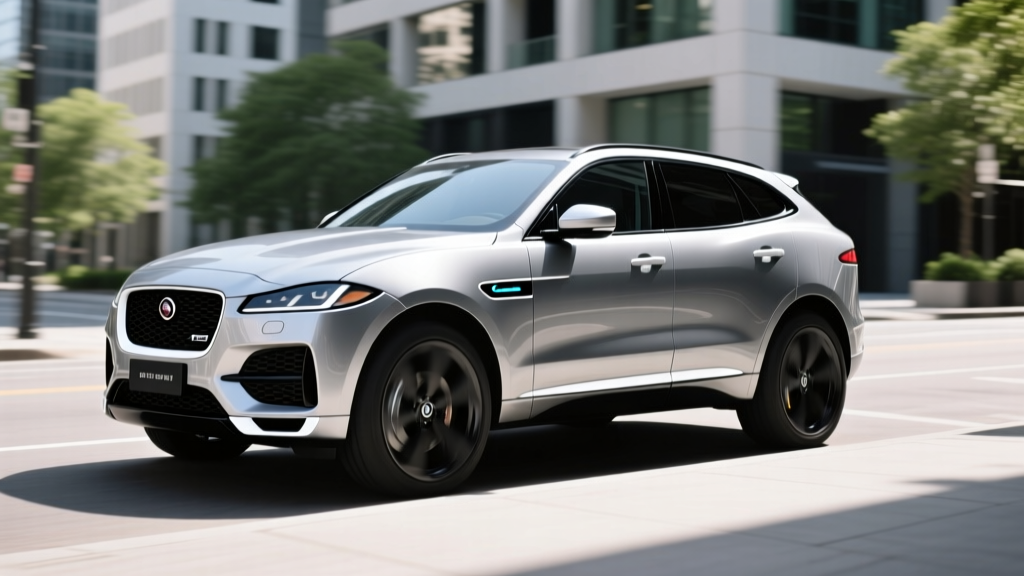
Jaguar's electrification strategy has pivoted hard toward full battery-electric vehicles, but for buyers who want luxury SUV practicality without range anxiety, the brand's plug-in hybrid lineup remains a compelling bridge. The 2026 Jaguar F-PACE P400e is the sole nameplate carrying the Jaguar hybrid cars torch in the U.S. market, pairing a turbocharged four-cylinder with a robust electric motor and a 19.2 kWh battery. It is not a conventional hybrid you simply fill with gas and forget — it is a plug-in hybrid (PHEV) that rewards owners who charge daily with genuine electric-only commuting capability.
This guide breaks down every number that matters: EPA MPG, real-world electric range, charging times, powertrain output, pricing, federal tax credit eligibility, and long-term battery reliability. If you have been searching for Jaguar hybrid cars and wondering whether a PHEV fits your garage, this is the data-driven walkthrough you need.
HEV vs PHEV: What Jaguar Actually Offers
Before diving into specs, it is critical to distinguish between the two hybrid architectures, because Jaguar only sells one of them in the United States.
| Feature | Conventional Hybrid (HEV) | Plug-In Hybrid (PHEV) |
|---|---|---|
| Battery size | 1–2 kWh (small buffer) | 15–25+ kWh (usable) |
| Plug-in charging | No — regenerates from braking/engine | Yes — Level 1/Level 2 AC charging |
| Electric-only range | 0–1 mile at low speed | 20–50+ miles (EPA rated) |
| Federal tax credit | None | Up to $3,750–$7,500 (varies by sourcing rules) |
| Jaguar availability (US) | Not offered | F-PACE P400e |
Jaguar does not sell a conventional self-charging hybrid (HEV) in the U.S. Every Jaguar hybrid car available stateside is a PHEV, meaning you plug it in to unlock its electric range. If you never plug it in, it functions as a heavy, less-efficient gasoline SUV. This distinction matters enormously for total cost of ownership and daily usability.
2026 Jaguar F-PACE P400e: Powertrain and Performance Specs
The F-PACE P400e uses Jaguar Land Rover's Ingenium 2.0-liter turbocharged inline-four paired with a 105 kW (141 HP) electric motor integrated into the eight-speed automatic transmission. The result is a combined system output that makes this luxury SUV genuinely quick.
| Specification | 2026 F-PACE P400e |
|---|---|
| Engine | 2.0L turbocharged I-4 (296 HP / 295 lb-ft) |
| Electric motor | 105 kW (141 HP) |
| Combined system output | 398 HP / 472 lb-ft torque |
| Transmission | 8-speed automatic (ZF) |
| Drivetrain | AWD (electric rear axle assist) |
| 0–60 mph | 5.1 seconds |
| Battery (usable) | 19.2 kWh (NMC chemistry) |
| EPA electric-only range | 33 miles |
| Total combined range | ~420 miles (gas + electric) |
| EPA combined MPG (gas only) | 21 MPG |
| MPGe (electric + gas) | 52 MPGe |
| Base MSRP | $69,900 |
The 398 combined horsepower figure is substantial. The electric motor provides instant torque fill at low RPMs, eliminating the turbo lag typical of four-cylinder luxury SUVs. In practice, the P400e feels more like a six-cylinder from behind the wheel, with seamless handoffs between electric and gasoline power.
Fuel Economy: EPA Numbers vs Real-World MPG
Hybrid and PHEV fuel economy is notoriously dependent on driving habits and charging discipline. Here is the official EPA breakdown alongside what owners typically experience.
| Driving Scenario | EPA Estimate | Real-World Expectation |
|---|---|---|
| City (gas engine) | 20 MPG | 22–25 MPG (regen helps in stop-and-go) |
| Highway (gas engine) | 22 MPG | 19–21 MPG (aero drag, heavy curb weight) |
| Combined (gas engine) | 21 MPG | 20–23 MPG |
| Electric-only (MPGe) | 52 MPGe | 45–50 MPGe in cold weather |
The critical insight: if you charge nightly and your commute is under 33 miles round-trip, you may use almost no gasoline for weeks. Owners who plug in regularly report effective "MPG" figures well above 50 because most miles are electric. Those who never charge will see 19–21 MPG — unremarkable for a 4,700-lb luxury SUV and worse than many non-hybrid competitors.
Highway driving also erodes electric range faster than the EPA sticker suggests. At 75 mph, expect roughly 24–27 electric miles before the gas engine fires up. Cold weather (below 40°F) further reduces battery range by 15–25%, dropping electric-only capability to roughly 25 miles in winter conditions.
Charging the F-PACE P400e: Times, Connectors, and Costs
PHEV charging is straightforward but limited compared to full EVs. The F-PACE P400e uses a J1772 connector for AC charging and does not support DC fast charging — a common limitation among PHEVs due to smaller battery packs and cost packaging.
| Charging Level | Power (kW) | 0–100% Time | Notes |
|---|---|---|---|
| Level 1 (120V outlet) | ~1.4 kW | ~14 hours | Emergency/top-up only |
| Level 2 (240V, 32A) | 7.4 kW | ~2.5 hours | Standard home/public AC charging |
| DC Fast Charging | N/A | N/A | Not supported |
A Level 2 home charger is practically mandatory for PHEV ownership. At 7.4 kW, a full charge takes about 2.5 hours — meaning you can easily top off during the workday if your office has charging, or fully replenish overnight. Using a standard 120V household outlet, expect 14 hours for a full charge, which barely covers overnight replenishment and is not practical as a primary strategy.
Cost to charge: At the U.S. average residential electricity rate of ~$0.16/kWh (per EIA data), a full 19.2 kWh charge costs roughly $3.07 — delivering 33 miles of range for less than a gallon of premium gasoline.
Pricing, Trims, and Federal Tax Credit Eligibility
The 2026 F-PACE P400e starts at $69,900 (destination included). Jaguar typically offers the PHEV powertrain in a single well-equipped trim, with optional packages for premium leather, adaptive dynamics, and the Meridian surround-sound system pushing the sticker toward $78,000–$82,000.
Federal tax credit eligibility for PHEVs falls under IRS §30D, the same statute governing full EVs. However, the credit amount for PHEVs is calculated based on battery capacity and is subject to critical-mineral and battery-component sourcing requirements that have tightened significantly since 2024.
- Maximum credit: Up to $3,750–$7,500 depending on critical-mineral and battery-component sourcing compliance
- MSRP cap: SUVs/vans must be under $80,000 MSRP — the F-PACE P400e base qualifies, but heavily optioned units may exceed the cap
- Buyer income cap: AGI must not exceed $150,000 (single) / $300,000 (joint) / $225,000 (head of household)
- Point-of-sale transfer: Eligible buyers can apply the credit as an immediate dealer discount rather than waiting for tax filing
- Verification: Always check the current fueleconomy.gov tax credit page for the specific VIN's eligibility status
Given the F-PACE P400e's base MSRP of $69,900, it sits comfortably under the $80,000 SUV cap at base trim. However, adding the Premium Interior Package, Adaptive Dynamics, and 22-inch wheels can push the sticker past $80,000 — eliminating credit eligibility. Buyers targeting the tax credit should work with their dealer to confirm the final MSRP before signing.
State incentives vary widely. California's CVRP has been restructured, while states like Colorado and New York offer additional credits. Consult your state's energy office for current programs.
Battery Warranty, Reliability, and Replacement Costs
Jaguar Land Rover provides an 8-year/100,000-mile warranty on the P400e's high-voltage battery, covering defects and capacity loss below a specified threshold (typically 60–70% of original capacity, though exact retention guarantees vary by model year).
Coverage: 8 years / 100,000 miles
Capacity retention threshold: ~60–70% of original 19.2 kWh
What's covered: Defects, abnormal degradation, cell/module failure
What's not covered: Normal gradual degradation within threshold, damage from accidents or improper charging
Jaguar's PHEV battery uses NMC (nickel manganese cobalt) chemistry, which offers higher energy density than LFP but is more sensitive to sustained high states of charge. For maximum longevity, set the charge limit to 80–90% for daily use and avoid leaving the vehicle at 100% for extended periods.
Reliability context: Jaguar's overall brand reliability ratings from J.D. Power and Consumer Reports have historically trailed Japanese and Korean competitors. The PHEV powertrain adds complexity — two power sources, a high-voltage system, and regenerative braking integration — that introduces more potential failure points than a conventional gas powertrain. That said, the hybrid system components (motor, inverter, battery) are covered under the longer 8-year warranty, and most reported issues in JLR PHEVs have involved software integration and 12V battery management rather than traction-battery failure.
Battery replacement cost: Out-of-warranty replacement for the 19.2 kWh pack is estimated at $8,000–$12,000 including labor, based on JLR PHEV service data. This is substantially less than a full-EV battery replacement (which can exceed $15,000–$20,000) because the PHEV pack is smaller. Most owners will never face this cost within typical ownership periods, as PHEV batteries are designed for 10–15 years of service life under normal use.
F-PACE P400e vs Full EV vs Gas: Which Is Right for You?
The F-PACE P400e occupies a specific niche. Here is a decision framework based on real ownership patterns.
- Your daily commute is under 30 miles round-trip and you can charge at home
- You take regular road trips exceeding 250 miles where charging infrastructure is uncertain
- You want a luxury badge with AWD capability and towing capacity (5,291 lbs rated)
- You are not ready to commit to a full EV but want to reduce fuel consumption
- You have reliable home Level 2 charging
- Your trips rarely exceed 250 miles, or you are comfortable planning DC fast-charge stops
- You want zero tailpipe emissions and lower per-mile fuel costs
- You prefer fewer moving parts and lower long-term maintenance
- You cannot charge at home or work (apartment/condo without charging access)
- You tow frequently over long distances
- You want the lowest upfront purchase price and simpler ownership
The PHEV's worst-case scenario is an owner who never plugs in. A 4,700-lb SUV with a small four-cylinder engine and dead battery weight returns mediocre 19–21 MPG — worse than purpose-built hybrid SUVs like the Toyota Highlander Hybrid (35 MPG combined, per fueleconomy.gov). The P400e rewards charging discipline; it punishes neglect.
Pros and Cons: Honest Assessment
- 33 miles electric-only covers most daily commutes
- 398 HP provides genuine performance (5.1s to 60 mph)
- Premium interior with Jaguar's latest Pivi Pro infotainment
- AWD with 5,291-lb towing capacity
- Below $80K MSRP cap at base trim (tax credit eligible)
- 2.5-hour Level 2 charge time is practical for daily use
- No DC fast charging — road trips rely on gasoline
- 21 MPG combined on gas is poor for a hybrid
- Jaguar brand reliability ratings lag competitors
- Limited to one PHEV model — no sedan or smaller SUV option
- Premium gasoline required (91 octane)
- Heavy curb weight (4,717 lbs) hurts highway efficiency
Frequently Asked Questions
How many MPG does the Jaguar F-PACE P400e get?
The EPA rates the 2026 F-PACE P400e at 20 city / 22 highway / 21 combined MPG when operating on gasoline. In real-world driving, owners who charge regularly see far less gasoline use overall, with effective efficiency reaching 52 MPGe when factoring in electric miles. Without charging, expect 19–21 MPG — unremarkable for the segment.
How far can the F-PACE P400e go on electric only?
The EPA rates it at 33 miles of electric-only range. Real-world results vary: expect 27–31 miles in moderate-temperature mixed driving, 24–27 miles at highway speeds, and as low as 22–25 miles in cold weather below 40°F. The 19.2 kWh battery is sized for commuting, not road-trip electric driving.
Does the Jaguar F-PACE P400e qualify for a federal tax credit?
Potentially yes, under IRS §30D. The base MSRP of $69,900 falls under the $80,000 SUV cap. However, eligibility depends on battery-component and critical-mineral sourcing requirements, buyer income limits ($150K single / $300K joint), and the final configured MSRP. Check fueleconomy.gov and consult a tax professional before relying on the credit.
Is the Jaguar PHEV reliable, and what does battery replacement cost?
Jaguar's brand reliability scores are below average for the luxury segment, though the PHEV powertrain itself has proven reasonably durable in JLR's Range Rover Sport and Defender applications. The high-voltage battery carries an 8-year/100,000-mile warranty. Out-of-warranty replacement is estimated at $8,000–$12,000 — less than a full EV battery, but still a significant expense.
Do Jaguar hybrid cars need to be plugged in?
Yes — every Jaguar hybrid sold in the U.S. is a plug-in hybrid (PHEV), not a conventional self-charging hybrid. The F-PACE P400e must be plugged into a Level 1 or Level 2 charger to replenish its electric battery. Without plugging in, it operates solely on gasoline and returns modest fuel economy for its weight class.
Can the F-PACE P400e DC fast charge?
No. The F-PACE P400e supports only AC charging: Level 1 (120V, ~1.4 kW) and Level 2 (240V, up to 7.4 kW). DC fast charging is not available, which is typical for PHEVs with smaller battery packs. A full Level 2 charge takes approximately 2.5 hours.
The 2026 Jaguar F-PACE P400e is a performance-oriented luxury PHEV that rewards disciplined charging with low running costs and strong acceleration, but punishes neglect with middling gas-only fuel economy. For buyers searching for Jaguar hybrid cars who have home charging access and commutes under 33 miles, it delivers a compelling blend of electric daily driving and gasoline road-trip freedom. For those without reliable charging, a conventional hybrid from Toyota or a full EV with 300+ miles of range will serve better.