Quick Verdict: The Sonata Hybrid's Efficiency Sweet Spot
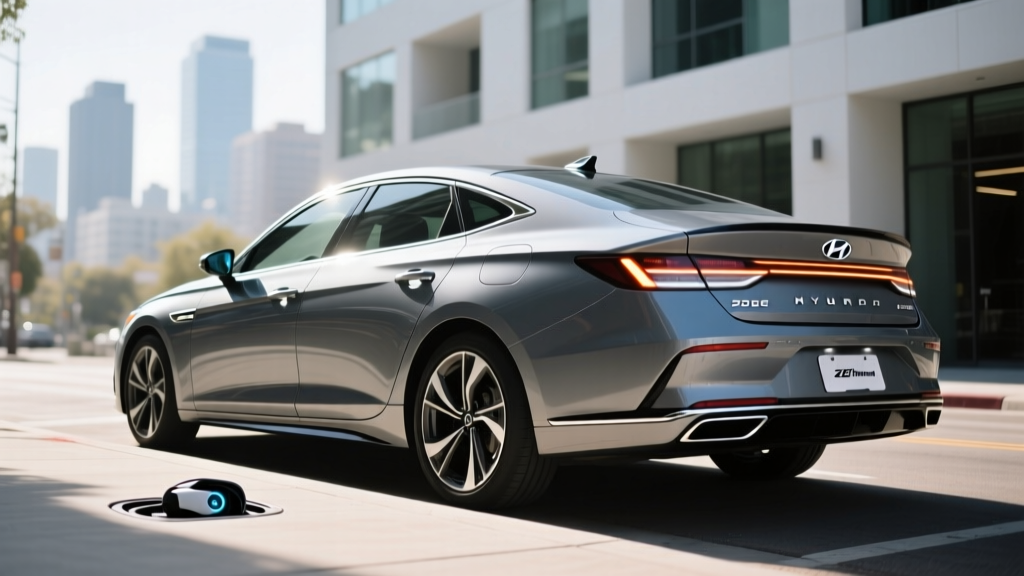
If you're researching Hyundai Sonata Hybrid gas mileage, the headline number is compelling: the EPA rates it at 47 MPG combined (50 city / 45 highway) for the Blue trim. That places it among the most fuel-efficient midsize sedans on the market — and in real-world city driving, many owners report exceeding that figure thanks to the hybrid system's regenerative braking advantage in stop-and-go traffic.
The Sonata Hybrid is a conventional hybrid electric vehicle (HEV), meaning it never needs to be plugged in. It generates electricity through regenerative braking and its gasoline engine. For buyers who want plug-in capability and short electric-only commutes, Hyundai does not currently offer a Sonata PHEV for the 2025–2026 model years in the U.S. — those shoppers should cross-shop the Toyota Prius Prime or Hyundai Tucson PHEV instead.
| Trim | City MPG | Highway MPG | Combined MPG | Est. Range (mi) |
|---|---|---|---|---|
| Blue (base hybrid) | 50 | 45 | 47 | ~630 |
| SEL / Limited | 44 | 38 | 41 | ~550 |
Source: fueleconomy.gov. Range estimates based on a 13.2-gallon fuel tank. Higher trims lose MPG due to larger 18-inch wheels and added equipment weight.
HEV vs PHEV: What the Sonata Hybrid Actually Is
A common source of confusion in hybrid shopping is the difference between a conventional hybrid (HEV) and a plug-in hybrid (PHEV). The Sonata Hybrid is an HEV — here's what that means in practice:
| Factor | HEV (Sonata Hybrid) | PHEV (e.g., Prius Prime) | BEV (e.g., Ioniq 6) |
|---|---|---|---|
| Plug in to charge? | No — self-charging | Yes — optional but beneficial | Yes — required |
| Electric-only range | 0 mi (motor assists engine) | 25–44 mi typical | 250–360 mi typical |
| Gas engine | Yes — primary power source | Yes — backup after battery depletes | No |
| Home charging needed | No | Recommended (Level 2) | Essential |
| Federal tax credit | No | Up to $7,500 (varies) | Up to $7,500 (varies) |
| Best for | No home charging access; long highway commutes | Short commute + home charging; road-trip flexibility | Home charging + mostly under 250 mi/day |
The Sonata Hybrid's 1.6 kWh lithium-ion battery is small by EV standards — it exists to buffer energy recaptured from braking and to enable brief low-speed electric assist, not to drive the car on electricity alone for meaningful distances. You will never need to search for a charging station or install a home charger.
Powertrain Specs: What Moves the Sonata Hybrid
| Specification | Detail |
|---|---|
| Engine | 2.0L Smartstream GDI 4-cylinder |
| Engine output | 150 hp / 139 lb-ft torque |
| Electric motor | 39 kW (52 hp) permanent-magnet synchronous |
| Combined system output | 192 hp |
| Transmission | 6-speed automatic (no CVT) |
| Hybrid battery | ~1.6 kWh lithium-ion (HEV buffer) |
| 0–60 mph (est.) | ~7.5 seconds |
| Drivetrain | Front-wheel drive |
Hyundai's choice of a traditional 6-speed automatic rather than a CVT (continuously variable transmission) is a deliberate one. The result is more natural-feeling acceleration without the "rubber-band" drone that CVT-equipped hybrids like the Toyota Camry Hybrid can exhibit under hard throttle. The 192 combined horsepower is adequate for merging and passing, though this is an efficiency-first sedan — not a performance car.
Real-World MPG: How the Sonata Hybrid Actually Performs
EPA figures are a baseline, not a guarantee. Based on aggregated owner reports and independent testing, here's what Sonata Hybrid drivers can expect in varied conditions:
- City driving (stop-and-go): 48–53 MPG. Hybrids thrive here — regenerative braking recaptures energy at every stop, and the electric motor handles low-speed acceleration where gasoline engines are least efficient.
- Highway cruising (65–75 mph): 39–44 MPG. At sustained highway speeds, the gasoline engine does most of the work. The Blue trim's lower rolling-resistance tires and lighter weight give it a measurable edge.
- Cold weather (below 32°F): Expect a 5–10% MPG reduction. The engine runs richer during warm-up, cabin heating demands fuel, and battery efficiency drops in cold temperatures. Winter city MPG may settle around 43–46.
- Combined real-world average: Most owners report 44–49 MPG over mixed driving, with Blue trim drivers frequently hitting or exceeding the 47 EPA combined figure.
The Sonata Hybrid's real-world advantage over its EPA sticker in city driving is a hallmark of conventional hybrids — the opposite of EVs, which typically fall short of EPA range in cold and highway conditions.
Pricing, Trims, and Tax Credit Eligibility
| Trim | MSRP (est.) | Key Features |
|---|---|---|
| Blue | ~$31,450 | 17-inch alloy wheels, 12.3-inch dual displays, SmartSense ADAS, heated front seats |
| SEL | ~$34,500 | 18-inch wheels, synthetic leather, wireless charging, dual-zone climate |
| Limited | ~$38,200 | Leather seats, panoramic sunroof, HUD, Highway Driving Assist, surround-view monitor |
Destination charges (~$1,100) not included. Pricing is estimated based on current model-year trends; verify with dealer.
Federal Tax Credit: Does the Sonata Hybrid Qualify?
No. The Sonata Hybrid is a conventional HEV and does not qualify for the IRS §30D Clean Vehicle Credit, which requires plug-in capability and a minimum battery capacity of 7 kWh. The Sonata Hybrid's ~1.6 kWh battery falls far short of this threshold.
If a federal tax credit is a priority in your purchase decision, consider a PHEV like the Hyundai Tucson PHEV or a full BEV like the Hyundai Ioniq 5 or Ioniq 6. Under current IRS §30D rules, qualifying plug-in vehicles may be eligible for up to $7,500 — subject to MSRP caps ($55,000 for sedans, $80,000 for SUVs/trucks), buyer income limits, and battery sourcing requirements. Always consult a tax professional before relying on credit eligibility.
Hybrid Battery Longevity, Warranty, and Replacement Cost
Battery lifespan is the single most common concern among first-time hybrid buyers. Here's the data:
| Coverage | Duration |
|---|---|
| Hybrid battery | 10 years / 100,000 miles (original owner) |
| Hybrid system components | 10 years / 100,000 miles |
| Powertrain (engine, transmission) | 10 years / 100,000 miles |
| New vehicle limited | 5 years / 60,000 miles |
Source: Hyundai USA Warranty. Warranty terms may differ for second owners — verify transferability.
Real-world longevity: Hyundai's hybrid batteries are designed to last the life of the vehicle under normal use. The 1.6 kWh battery operates within a conservative state-of-charge window (never fully charged or fully depleted), which dramatically reduces degradation compared to the larger batteries in BEVs that cycle through wider ranges. Taxi fleets using Hyundai/Kia hybrid platforms have logged 200,000+ miles without battery replacement.
Replacement cost if out of warranty: A Sonata Hybrid battery replacement typically runs $2,000–$3,500 including parts and labor at a dealership. Independent hybrid specialists may offer refurbished units for $1,200–$2,000. Given the 10-year/100,000-mile warranty and the battery's conservative operating profile, most owners will never face this expense.
Sonata Hybrid vs the Competition
| Model | Combined MPG | HP | Starting MSRP | Tax Credit |
|---|---|---|---|---|
| Hyundai Sonata Hybrid Blue | 47 | 192 | ~$31,450 | No |
| Toyota Camry Hybrid LE | 52 | 225 | ~$30,500 | No |
| Honda Accord Hybrid Sport | 44 | 204 | ~$33,500 | No |
| Toyota Prius (standard hybrid) | 57 | 196 | ~$29,500 | No |
The Camry Hybrid edges out the Sonata on pure MPG (52 vs 47 combined), but the Sonata counters with a more conventional automatic transmission feel, Hyundai's longer 10-year warranty, and a slightly more upscale interior at the Limited trim. The Accord Hybrid offers sportier handling at the cost of a few MPG. The Prius is the efficiency king but sacrifices interior space and rides on a smaller platform.
Pros
- 47 MPG combined (Blue) — real-world city driving often exceeds 50 MPG
- 6-speed automatic avoids CVT drone
- 10-year / 100,000-mile hybrid battery and powertrain warranty
- No plug-in charging required — ideal for apartment dwellers
- Spacious rear seat and 16.0 cu-ft trunk (no battery intrusion)
- Comprehensive SmartSense ADAS standard on all trims
Cons
- SEL and Limited trims drop to 41 MPG combined
- No federal tax credit eligibility (HEV)
- 192 hp is adequate, not quick — 0–60 in ~7.5 seconds
- No PHEV variant available for electric-only commuting
- Hyundai's hybrid sedan market share trails Toyota's dominance
Who Should Buy the Sonata Hybrid — and Who Shouldn't
Choose the Sonata Hybrid if:
- You lack access to home or workplace charging (apartment, street parking)
- Your commute involves heavy stop-and-go city traffic where hybrids shine
- You want 600+ miles of total range without ever searching for a charger or gas station
- You value a long factory warranty and plan to keep the car 8–10 years
- You want a midsize sedan with genuine rear-seat room and trunk space
Choose a PHEV or BEV instead if:
- You have home Level 2 charging and a commute under 30 miles (a PHEV eliminates most gas use)
- A $7,500 federal tax credit would meaningfully change your purchase math
- You want zero tailpipe emissions for daily driving (a BEV delivers this)
- You're ready to commit to full electrification and have reliable charging access
Frequently Asked Questions
How many MPG does the Hyundai Sonata Hybrid get?
The EPA rates the Sonata Hybrid Blue at 50 city / 45 highway / 47 combined MPG. Higher SEL and Limited trims are rated at 44 city / 38 highway / 41 combined. In real-world city driving, many owners of the Blue trim report 48–53 MPG thanks to regenerative braking efficiency in stop-and-go conditions.
Does the Sonata Hybrid need to be plugged in?
No. The Sonata Hybrid is a conventional HEV. Its small 1.6 kWh battery charges through regenerative braking and the gasoline engine. There is no plug, no charging cable, and no need for any charging infrastructure.
Is there a Sonata plug-in hybrid (PHEV) available?
Hyundai does not offer a Sonata PHEV in the U.S. for the 2025–2026 model years. If you want a Hyundai with plug-in capability, the Tucson PHEV (33 miles electric-only, up to $7,500 tax credit potential) is the closest alternative. For a plug-in sedan, the Toyota Prius Prime offers 44 miles of electric-only range.
How long will the Sonata Hybrid battery last?
Hyundai covers the hybrid battery for 10 years or 100,000 miles. In practice, the battery's conservative charge window (it never fully charges or fully depletes) means most units last well beyond the warranty period. Replacement cost, if needed out of warranty, is typically $2,000–$3,500 at a dealership.
Does the Hyundai Sonata Hybrid qualify for a tax credit?
No. The federal §30D Clean Vehicle Credit requires a plug-in vehicle with a battery of at least 7 kWh. The Sonata Hybrid's ~1.6 kWh battery does not meet this threshold. Some states may offer small rebates for efficient hybrids — check your state's energy office or fueleconomy.gov's incentive finder for local programs.
How does the Sonata Hybrid compare to the Camry Hybrid on gas mileage?
The Toyota Camry Hybrid LE achieves 52 MPG combined versus the Sonata Hybrid Blue's 47 MPG — a 5 MPG advantage for Toyota. Over 15,000 miles per year at $3.50/gallon, that difference saves roughly $130 annually in fuel. However, the Sonata offers a more traditional driving feel (6-speed automatic vs CVT) and Hyundai's longer 10-year warranty.
Is the Sonata Hybrid good for highway driving?
It's competent, but highway is where hybrids are least efficient. Expect 39–44 MPG at sustained 65–75 mph speeds. If your driving is overwhelmingly highway miles, the fuel-economy gap between the Sonata Hybrid and a very efficient gas sedan narrows. The hybrid's biggest advantage is in city and mixed driving.