Quick Verdict: A Compact Crossover That Bridges the Gap
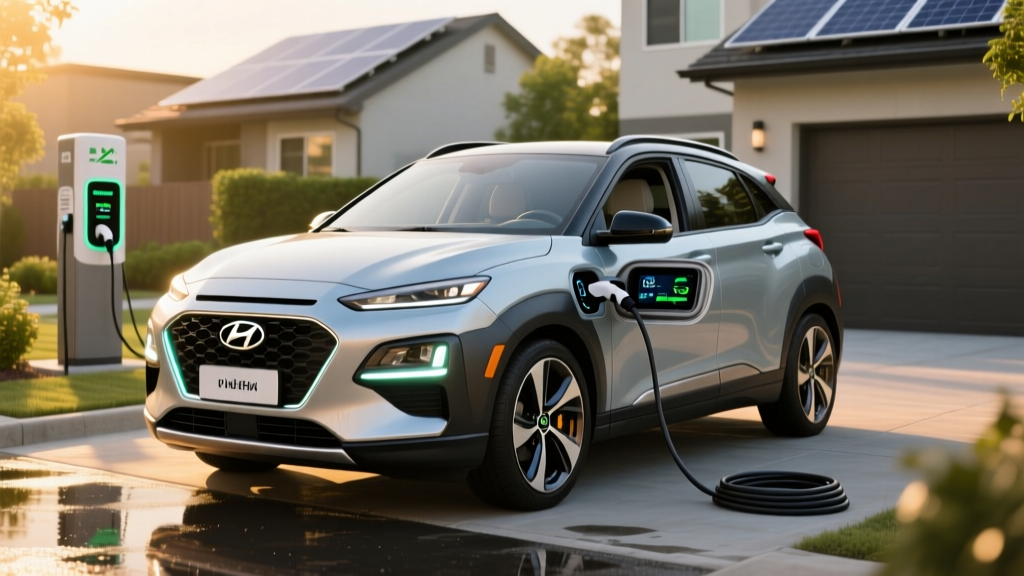
The 2026 Hyundai Kona Plug-In Hybrid occupies a narrow but practical lane: it's a subcompact crossover that lets you commute on electricity alone while preserving the freedom of a gas engine for road trips. With an EPA-estimated 33 miles of electric-only range and a combined 180 horsepower from its parallel hybrid powertrain, the Kona PHEV targets buyers who want EV-like daily driving without committing to a full battery-electric vehicle. Starting at $33,475 MSRP before destination, it undercuts many PHEV rivals while offering Hyundai's 10-year/100,000-mile powertrain warranty.
But the Kona PHEV isn't for everyone. If you can charge at home and your daily commute is under 30 miles, a full EV like the Kona Electric delivers lower operating costs and zero tailpipe emissions. If you never plan to plug in, the conventional Kona Hybrid (HEV) saves you money upfront and still achieves strong fuel economy. This guide breaks down the exact specs, real-world expectations, and ownership math so you can decide which version fits.
HEV vs PHEV vs EV: Which Kona Is Right for You?
Hyundai sells the Kona in three electrified flavors for 2026. Understanding the distinction is the single most important decision before you visit a dealer.
| Attribute | Kona Hybrid (HEV) | Kona Plug-In Hybrid (PHEV) | Kona Electric (EV) |
|---|---|---|---|
| Plugs in? | No — self-charging via regen | Yes — plug in for EV range | Yes — fully electric |
| EPA Electric Range | N/A | 33 miles | 261 miles |
| EPA Combined MPG / MPGe | ~49 MPG combined | 105 MPGe (EV mode) / ~45 MPG (gas) | 110 MPGe |
| Battery Size | ~1.6 kWh | 18.0 kWh (usable ~15.3 kWh) | 65.4 kWh |
| Base MSRP (2026) | ~$29,475 | $33,475 | $34,975 |
| Federal Tax Credit (§30D) | Not eligible | Not eligible (no DC fast charge) | Up to $7,500 (eligibility varies) |
The conventional hybrid (HEV) uses a small battery recharged entirely by regenerative braking and the gas engine. You never plug it in. It's the simplest path to better fuel economy.
The plug-in hybrid (PHEV) carries a larger battery you can charge from a wall outlet or Level 2 charger. Drive within its electric range and you burn zero gas. Exceed that range and the gas engine seamlessly takes over — no range anxiety.
The full electric (EV) has no gas engine. It's the cheapest to "fuel" and requires the least maintenance, but demands reliable access to charging infrastructure.
Choose the Kona PHEV if: You have home charging (even a standard 120V outlet works overnight), your daily round-trip commute is 25–35 miles or less, and you take road trips where charging infrastructure is sparse.
Choose the Kona HEV if: You have no access to any plug, you want the lowest purchase price, or your commute is mostly highway where PHEV electric range provides less benefit.
Choose the Kona Electric if: You can install a Level 2 home charger, your daily driving rarely exceeds 200 miles, and you want the lowest per-mile operating cost and zero tailpipe emissions.
Fuel Economy and Electric Range: The Numbers That Matter
For plug-in hybrids, the EPA provides two separate efficiency ratings: MPGe in electric mode (how efficiently it uses stored electricity) and MPG in hybrid mode (how efficiently it burns gas once the battery is depleted).
| Mode | City | Highway | Combined |
|---|---|---|---|
| Electric (MPGe) | 115 MPGe | 96 MPGe | 105 MPGe |
| Hybrid / Gas (MPG) | 46 MPG | 43 MPG | 45 MPG |
Source: fueleconomy.gov, 2026 model year data.
Real-World MPG vs. EPA Estimates
Hybrids and PHEVs typically exceed their EPA city rating in stop-and-go traffic because regenerative braking recaptures energy that a gas car wastes as heat. On a city-heavy commute with frequent stops, expect the Kona PHEV to achieve 47–50 MPG in hybrid mode — slightly above the 46 MPG EPA city figure.
Highway driving is the opposite story. At sustained speeds above 70 mph, the electric motor contributes less and aerodynamic drag dominates. Expect 39–42 MPG on the highway in hybrid mode, a few ticks below the 43 MPG EPA highway estimate.
In electric mode, the 33-mile EPA range assumes moderate temperatures and mixed driving. In practice:
- Ideal conditions (65°F, city/suburban, no HVAC): 34–37 miles
- Highway at 70 mph: 27–30 miles
- Cold weather (below 30°F with heater): 22–26 miles
This cold-weather reduction is typical for PHEVs and EVs alike — lithium-ion batteries lose efficiency and cabin heating draws significant energy. The Kona PHEV uses an engine-heat-assisted cabin system, which partially mitigates this but still reduces electric range in winter.
Battery, Charging, and Powertrain Specs
| Specification | 2026 Hyundai Kona PHEV |
|---|---|
| Battery Capacity (total / usable) | 18.0 kWh / ~15.3 kWh usable |
| Battery Chemistry | NMC (Nickel Manganese Cobalt) |
| Engine | 1.6L GDI 4-cylinder, 104 hp |
| Electric Motor | Permanent magnet synchronous, 61 hp (45 kW) |
| Combined System Output | 180 hp / 195 lb-ft torque |
| Transmission | 6-speed dual-clutch automatic (DCT) |
| 0–60 mph | ~7.3 seconds (est.) |
| EPA Electric-Only Range | 33 miles |
| Total Range (EV + Gas) | ~440 miles (11.4-gal tank) |
| Level 1 Charging (120V / 12A) | ~11 hours (0–100%) |
| Level 2 Charging (240V / 32A) | ~2.75 hours (0–100%) |
| DC Fast Charging | Not available |
| Charge Port | J1772 (Level 1 & 2) |
Charging Realities: No DC Fast Charging
The most important charging caveat: the Kona PHEV cannot DC fast charge. Its maximum charge rate is approximately 7.2 kW on a Level 2 (240V) connection. This is standard for most PHEVs — the battery is small enough that Level 2 fills it in under three hours, making DC fast charging unnecessary for daily use.
Here's what charging looks like in practice:
- Overnight on a standard 120V outlet (Level 1): Plug in at 8 PM, wake up to a full charge by 7 AM. This is sufficient for most PHEV owners who drive within the 33-mile electric range daily.
- Level 2 home charger (240V, 32A): A full charge takes roughly 2 hours 45 minutes. Useful if you need to top up mid-day or want maximum flexibility.
- Public Level 2 chargers: You can use any public J1772 Level 2 station, but at 2.75 hours for a full charge, it's impractical unless you're parked for an extended period (work, shopping mall).
Installation of a Level 2 home charger typically costs $600–$1,500 for the equipment and electrician, assuming your electrical panel has capacity. If a panel upgrade is needed, add $1,000–$2,500.
Pricing, Trims, and Tax Credit Eligibility
The 2026 Kona PHEV is offered in two trims:
- SE: $33,475 MSRP (+ $1,395 destination)
- Limited: $38,475 MSRP (+ $1,395 destination) — adds leather, heated/ventilated front seats, Bose audio, and Highway Driving Assist
Federal Tax Credit: Does the Kona PHEV Qualify?
No. Under current IRS §30D rules, the Kona PHEV does not qualify for the federal plug-in vehicle tax credit. The credit requires a minimum battery capacity and specific critical-mineral and battery-component sourcing that the Kona PHEV does not meet for the 2026 model year. Additionally, the vehicle must have a battery of at least 7 kWh (which it does at 18.0 kWh total), but the critical minerals and battery component sourcing requirements effectively disqualify it.
§30D Tax Credit Eligibility Checklist (2026):
- ✅ Battery ≥ 7 kWh — Kona PHEV passes (18.0 kWh)
- ✅ MSRP under $80,000 (SUVs) — Kona PHEV passes
- ❌ Critical minerals sourcing requirement — Kona PHEV does not meet threshold
- ❌ Battery component manufacturing requirement — Kona PHEV does not meet threshold
- ⚠️ Buyer income cap applies: $150K single / $300K joint
Verify current rules at IRS.gov §30D. Tax credit eligibility changes frequently and depends on battery sourcing, MSRP caps, and buyer income limits. Consult a tax professional for your specific situation.
Some states and utilities offer their own incentives for PHEVs. California's Clean Vehicle Rebate, Colorado's state tax credit, and various utility-company rebates may apply. Check AFDC's state incentive database for current local programs.
Reliability, Battery Lifespan, and Warranty Coverage
Hyundai's warranty coverage is among the strongest in the industry, and it extends to the PHEV-specific components:
- Hybrid battery: 10 years / 100,000 miles (whichever comes first)
- Powertrain (engine, motor, transmission): 10 years / 100,000 miles
- New vehicle limited warranty: 5 years / 60,000 miles
- Roadside assistance: 5 years / unlimited miles
How Long Will the PHEV Battery Last?
PHEV batteries experience less stress than full EV batteries because they operate in a narrower state-of-charge window (the system never fully drains or fully charges the pack to preserve longevity). Hyundai's NMC battery in the Kona PHEV is designed to retain at least 70% of its original capacity at the end of the 10-year/100,000-mile warranty period. In practice, most owners report minimal degradation in the first 5–6 years — typically 5–10% capacity loss, translating to 1–3 fewer miles of electric range.
Battery Replacement Cost
Out-of-warranty replacement of the Kona PHEV's 18.0 kWh battery pack is estimated at $4,500–$6,500 including labor. However, individual module replacement (if only one cell group degrades) may cost $800–$1,500. Given the 10-year warranty and the moderate stress profile of PHEV use, full battery replacement during the vehicle's typical ownership period is uncommon.
The 1.6L GDI engine and 6-speed DCT are proven components shared across Hyundai's lineup. The Kona platform has earned strong reliability scores from Consumer Reports and J.D. Power in prior model years, with no systemic powertrain failures reported.
Driving Experience and Technology
The Kona PHEV's 180 combined horsepower makes it noticeably quicker than many hybrid crossovers. The 6-speed dual-clutch transmission shifts crisply, though it can occasionally hesitate from a stop as the system decides between electric and gas power. In EV mode, acceleration is smooth and silent up to about 45 mph, after which the gas engine seamlessly engages for higher-speed driving.
Hyundai's SmartSense suite is standard across all trims:
- Forward collision-avoidance assist with pedestrian detection
- Lane keeping assist and lane following assist
- Blind-spot collision-avoidance assist
- Rear cross-traffic collision-avoidance assist
- Driver attention warning
The Limited trim adds Highway Driving Assist (HDA), which combines adaptive cruise control with lane centering on divided highways. This is a SAE Level 2 driver-assistance system — you must keep your hands on the wheel and remain fully engaged at all times. It is not autonomous driving.
Pros
- 33-mile EV range covers most daily commutes
- 180 hp combined — peppy for a PHEV crossover
- 10-year/100,000-mile battery and powertrain warranty
- Charges on a standard 120V outlet overnight
- Standard SmartSense safety suite on all trims
- ~440-mile total range eliminates road-trip anxiety
Cons
- No DC fast charging
- Does not qualify for §30D federal tax credit
- Cargo space reduced vs. gas Kona (~20.2 cu ft vs 25.5 cu ft)
- Only two trims available (SE and Limited)
- Electric range drops to ~22–26 miles in cold weather
- MSRP $4,000+ more than conventional Kona Hybrid
Total Cost of Ownership: Kona PHEV vs. Alternatives
| Cost Factor (5 Years / 75,000 mi) | Kona PHEV | Kona HEV | Kona Electric |
|---|---|---|---|
| Purchase Price (base MSRP + dest.) | $34,870 | $30,870 | $36,370 |
| Federal Tax Credit | $0 | $0 | Up to $7,500* |
| Effective Purchase Price | $34,870 | $30,870 | ~$28,870* |
| Fuel / Electricity (est.) | $3,200 | $5,100 | $2,700 |
| Maintenance (est.) | $2,800 | $3,000 | $1,400 |
| Insurance (est.) | $7,500 | $6,800 | $7,200 |
| 5-Year Total (before resale) | ~$48,370 | ~$45,770 | ~$40,170* |
*Kona Electric tax credit assumes full §30D eligibility, which varies by buyer income, sourcing rules, and model year. Verify at fueleconomy.gov.
The PHEV's fuel cost estimate assumes 60% of miles are driven in electric mode (at $0.14/kWh national average) and 40% on gas (at $3.40/gallon). If you charge nightly and drive within the 33-mile EV range, your fuel costs will be closer to the Kona Electric. If you rarely plug in, the PHEV operates as a slightly heavier conventional hybrid and fuel costs rise accordingly.
Frequently Asked Questions
How many MPG does the Hyundai Kona Plug-In Hybrid get?
The EPA rates the 2026 Kona PHEV at 46 MPG city / 43 MPG highway / 45 MPG combined when operating in hybrid (gas) mode. In electric mode, it achieves 105 MPGe combined. Real-world city driving often yields 47–50 MPG thanks to regenerative braking, while sustained highway driving at 70+ mph typically returns 39–42 MPG.
How far can the Kona PHEV go on electric only?
The EPA estimates 33 miles of electric-only range. In ideal conditions (moderate temperature, city/suburban driving), expect 34–37 miles. Highway driving at 70 mph reduces this to 27–30 miles, and cold weather below 30°F can drop it to 22–26 miles. Once the battery is depleted, the gas engine takes over seamlessly with no interruption.
Does the Kona PHEV qualify for the federal tax credit?
No. Under current IRS §30D rules for 2026, the Kona PHEV does not qualify for the federal clean vehicle tax credit due to battery sourcing requirements. Some state and utility incentives may still apply — check the AFDC incentive database for your area.
Is the Hyundai Kona PHEV reliable? What does battery replacement cost?
Hyundai's hybrid systems have a strong reliability track record, and the Kona PHEV is backed by a 10-year/100,000-mile hybrid battery warranty. Out-of-warranty battery replacement is estimated at $4,500–$6,500, but PHEV batteries typically experience minimal degradation (5–10% over 5–6 years) due to the narrow state-of-charge operating window.
Can I charge the Kona PHEV at a DC fast charger?
No. The Kona PHEV supports only Level 1 (120V) and Level 2 (240V, up to 7.2 kW) AC charging via a J1772 connector. This is standard for plug-in hybrids — the battery is small enough that a Level 2 charger fills it in under three hours.
Hybrid vs PHEV vs EV — which Kona should I buy?
If you have home charging and a daily commute under 35 miles, the PHEV gives you electric commuting with gas-engine flexibility. If you can't plug in at all, the conventional HEV is the better value. If you have a Level 2 home charger and rarely drive more than 200 miles in a day, the Kona Electric offers the lowest operating costs and qualifies for the federal tax credit.
Does the Kona PHEV have all-wheel drive?
No. The 2026 Kona PHEV is front-wheel drive only. If AWD is a priority, consider the Kona gas model with AWD or look at the Tucson PHEV, which offers AWD with a larger battery and more electric range.