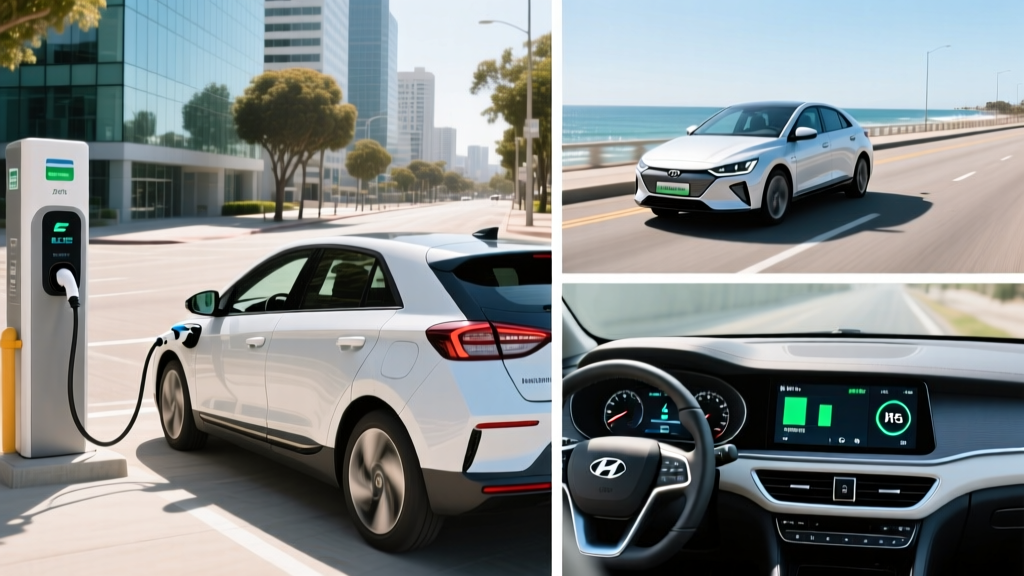
Shoppers searching for a Hyundai Ioniq PHEV in 2026 face an important reality check: the original Ioniq Plug-in Hybrid (sold 2017–2022) has been discontinued in the United States. Hyundai replaced the Ioniq nameplate with the Ioniq 5 (all-electric crossover) and redirected plug-in hybrid buyers toward the Tucson PHEV and Santa Fe PHEV. However, the used and certified pre-owned market for the Ioniq PHEV remains strong, and its powertrain architecture still serves as a benchmark for compact PHEV efficiency.
This guide covers the final-generation Hyundai Ioniq PHEV (2020–2022 model years) with current 2026 ownership economics, real-world efficiency data, battery longevity projections, and a clear framework for whether you should buy one on the used market, step up to a Tucson PHEV, or go full electric.
Hyundai Ioniq PHEV at a Glance: Core Specifications
| Specification | Value |
|---|---|
| EPA Electric-Only Range | 29 miles |
| Total Combined Range | ~630 miles (electric + gas) |
| EPA MPGe (EV Mode) | 119 MPGe combined |
| EPA MPG (Hybrid Mode) | 52 combined (54 city / 50 highway) |
| Battery Capacity | 8.9 kWh usable (11.5 kWh total, lithium-ion polymer) |
| Electric Motor Output | 44.5 kW (60 hp) |
| Gas Engine | 1.6L GDI 4-cylinder (104 hp) |
| Combined System Output | 139 hp / 195 lb-ft torque |
| Transmission | 6-speed dual-clutch automatic (DCT) |
| Level 2 Charging (240V) | ~2 hours 15 minutes (0–100%) |
| Level 1 Charging (120V) | ~7 hours (0–100%) |
| DC Fast Charging | Not supported |
| 0–60 mph | ~9.7 seconds |
| Original Base MSRP (2022) | $27,825 (SE trim, before incentives) |
| Battery Warranty (Original) | 10 years / 100,000 miles |
Sources: EPA Fuel Economy — 2022 Hyundai Ioniq PHEV, Hyundai USA historical specifications.
HEV vs PHEV vs EV: Which Ioniq Is Right for You?
The Hyundai Ioniq family was unique in offering three distinct powertrains on the same platform. Understanding the difference is critical before shopping the used market:
| Feature | Ioniq Hybrid (HEV) | Ioniq Plug-in Hybrid (PHEV) | Ioniq Electric (EV) |
|---|---|---|---|
| Plug-in Required? | No — self-charging | Yes — plug in for EV range | Yes — sole energy source |
| Electric-Only Range | None (motor assists engine) | 29 miles EPA | 170 miles EPA (2020 model) |
| Combined MPG / MPGe | 58 MPG combined | 52 MPG + 119 MPGe | 133 MPGe |
| Battery Size | 1.56 kWh | 8.9 kWh usable | 38.3 kWh usable |
| Can Drive Gas-Free? | No | Yes, ~29 miles | Yes, always |
| Best For | No home charging access | Short commute + road trips | Home charging + daily driving |
The conventional Ioniq Hybrid (HEV) never needs plugging in. It regenerates energy during braking and deceleration to charge its small 1.56 kWh battery, which assists the gas engine for improved efficiency. You cannot drive on electric power alone for meaningful distances.
The Ioniq PHEV bridges the gap: plug it in overnight for a 29-mile electric-only commute, then the gas engine kicks in seamlessly for longer trips. This is the version that qualifies for certain incentives when purchased new — more on tax credits below.
The Ioniq Electric (EV) is a pure battery-electric vehicle with no gas engine at all. It was discontinued after 2021 in the US, replaced by the Ioniq 5.
Real-World MPG and Electric Range: What Owners Actually See
The EPA rates the Ioniq PHEV at 52 MPG combined in hybrid mode and 29 miles of electric-only range. But real-world results vary significantly based on driving conditions:
EPA Sticker: 29 miles EV range | 52 MPG combined (hybrid mode)
Real-World Expectations:
- Electric range (mild weather, city): 27–32 miles — regenerative braking in stop-and-go traffic can extend range beyond EPA
- Electric range (highway, 70 mph): 22–25 miles — aerodynamic drag and no regen opportunity reduce range
- Electric range (cold weather, below 32°F): 19–23 miles — battery chemistry loses efficiency; cabin heating draws from battery
- Hybrid-mode MPG (city): 50–56 MPG — hybrids often exceed EPA city estimates because regen braking recovers energy
- Hybrid-mode MPG (highway): 46–51 MPG — sustained high-speed driving is the least efficient scenario for any hybrid
- Hybrid-mode MPG (cold weather): 44–48 MPG — engine runs richer, cabin heat demands more energy
Owners who charge nightly and commute under 25 miles round-trip report using gasoline only a handful of times per month. Those with longer commutes or who forget to plug in effectively drive a very efficient 52-MPG hybrid. The Ioniq PHEV rewards consistent charging habits more than almost any other vehicle in its class.
Charging the Ioniq PHEV: Speeds, Connectors, and Home Setup
| Charging Level | Power (kW) | Time (0–100%) | Miles Added per Hour |
|---|---|---|---|
| Level 1 (120V household outlet) | ~1.4 kW | ~7 hours | ~4 miles/hr |
| Level 2 (240V home/public) | ~3.3 kW | ~2 hours 15 min | ~13 miles/hr |
| DC Fast Charging | N/A | Not supported | N/A |
The Ioniq PHEV uses a standard J1772 connector for Level 1 and Level 2 AC charging. It does not support DC fast charging — this is typical for PHEVs with smaller batteries. The 8.9 kWh usable battery is small enough that Level 2 charging fully replenishes it in just over two hours, making overnight charging more than sufficient.
Key distinction — kW vs kWh: The Ioniq PHEV charges at a maximum rate of 3.3 kW (power — how fast energy flows in), and its battery holds 8.9 kWh (energy — total capacity). Think of kW as the width of a pipe and kWh as the size of the tank.
Home charging cost: At the US average electricity rate of ~$0.16/kWh, a full charge from empty costs roughly $1.42 — enough for 29 miles of electric driving. That works out to approximately $0.05 per mile in EV mode, compared to ~$0.12/mile driving on gasoline at $3.50/gallon and 52 MPG.
Powertrain Deep Dive: How the Ioniq PHEV Makes 139 HP
The Ioniq PHEV pairs a 1.6-liter GDI inline-4 engine (104 hp, 109 lb-ft) with a 44.5 kW permanent-magnet synchronous electric motor (60 hp, 125 lb-ft) integrated into the 6-speed dual-clutch transmission. Combined system output is 139 horsepower and 195 lb-ft of torque.
Unlike Toyota's planetary-gear hybrid system (e-CVT), Hyundai uses a traditional dual-clutch automatic. This gives the Ioniq PHEV more natural shift feel and direct power delivery, but it can occasionally hunt for gears during gentle acceleration. The electric motor fills torque gaps between shifts, smoothing the experience.
In EV mode, the gas engine remains completely off unless you demand full acceleration (kickdown), exceed ~75 mph, or the battery depletes below its buffer threshold. The transition from electric to hybrid mode is nearly imperceptible — one of the Ioniq PHEV's strongest engineering achievements.
Pricing, Tax Credits, and 2026 Used Market Value
Since the Ioniq PHEV was discontinued after the 2022 model year, no new units are available. Here's what the market looks like in 2026:
| Category | Estimated Cost |
|---|---|
| Original MSRP (2022 SE) | $27,825 |
| Original MSRP (2022 Limited) | $33,045 |
| Used Market (2020–2022, 30k–60k mi) | $18,000–$24,500 |
| Certified Pre-Owned (CPO) | $21,000–$26,000 |
Federal Tax Credit Eligibility
When purchased new, the Ioniq PHEV qualified for a federal plug-in tax credit under the previous IRS §30D rules (amount based on battery capacity — approximately $4,543 for the Ioniq PHEV's 8.9 kWh battery). However, since the vehicle is discontinued and only available used:
Used Clean Vehicle Credit (§25E) — 2026 Rules:
- Credit amount: 30% of sale price, up to $4,000 maximum
- Vehicle must be at least 2 model years old (Ioniq PHEV qualifies)
- Sale price must be $25,000 or less
- Buyer AGI limits: $75,000 (single) / $112,500 (head of household) / $150,000 (joint)
- Must purchase from a licensed dealer (private sales excluded)
- Vehicle must have a battery capacity of at least 7 kWh (Ioniq PHEV's 8.9 kWh qualifies)
- First-time transfer since August 16, 2022 — check vehicle history carefully
Source: IRS — Used Clean Vehicle Credit
If you find a qualifying Ioniq PHEV at a dealer for under $25,000 and meet income requirements, you could receive up to $4,000 as a point-of-sale rebate or tax credit. Always verify eligibility with a tax professional before finalizing a purchase.
Battery Longevity, Warranty, and Replacement Costs
Original Hyundai PHEV Battery Warranty: 10 years / 100,000 miles (whichever comes first) for the original owner. For subsequent owners, coverage transfers as 10 years / 100,000 miles from the original in-service date on Hyundai's CPO vehicles, but may reduce to 5 years/60,000 miles on non-CPO used sales — confirm with your dealer.
Capacity Retention Threshold: Hyundai considers the battery defective if it falls below approximately 70% of original capacity within the warranty period.
Real-World Battery Degradation
The Ioniq PHEV's lithium-ion polymer battery has proven durable in owner reports. Based on aggregated owner data from Ioniq forums and fleet studies:
- Year 1–3: Minimal degradation (~2–4% capacity loss)
- Year 4–6: Gradual loss (~5–8% total from new)
- Year 7–10: Projected ~10–15% total degradation under normal use
A 2020 Ioniq PHEV in 2026 (6 years old) might show 25–26 miles of EV range instead of the original 29 — a noticeable but manageable reduction. Factors that accelerate degradation include frequent 100% charging in hot climates, deep discharges, and repeated Level 2 charging in extreme heat without thermal preconditioning.
Battery Replacement Cost
If the battery fails outside of warranty, replacement costs for the Ioniq PHEV's 8.9 kWh pack typically range from $3,500 to $6,000 including parts and labor at a Hyundai dealer. Third-party hybrid battery refurbishment shops may offer rebuilt packs for $2,000–$3,500. Given the battery's track record and generous warranty, out-of-pocket replacement is rare for this model.
Who Should Buy the Hyundai Ioniq PHEV in 2026?
Pros
- Outstanding 52 MPG hybrid-mode efficiency — among the best ever in a PHEV
- 29-mile EV range covers most daily commutes gas-free
- Low cost per mile in EV mode (~$0.05/mi)
- No range anxiety — gas engine provides 630+ total miles
- Strong remaining battery warranty on 2020–2022 models
- Eligible for up to $4,000 used-EV tax credit if under $25k
- Hatchback cargo versatility (23.8 cu ft behind rear seats)
Cons
- Discontinued — only available used, limited inventory
- No DC fast charging capability
- Modest 139 hp — not a performance vehicle (9.7s 0–60)
- Compact rear seat and cargo area vs crossover PHEVs
- Level 2 charging only — no rapid top-ups on road trips
- Infotainment feels dated vs 2026 models
Choose the Ioniq PHEV (used) if:
- Your commute is under 30 miles round-trip and you can charge at home
- You want to eliminate most gas usage without committing to a full EV
- You take road trips where charging infrastructure is unreliable
- Your budget is $18,000–$25,000 for an efficient, reliable PHEV
Choose a Tucson PHEV or Santa Fe PHEV instead if:
- You need crossover cargo space and all-wheel drive
- You want a new vehicle with full factory warranty
- You need more than 139 hp for highway merging and mountain driving
Choose a full EV (Ioniq 5, Tesla Model 3) if:
- You have reliable home Level 2 charging
- Your daily driving is under 200 miles
- You want to eliminate oil changes, spark plugs, and gas-engine maintenance entirely
- You qualify for the full $7,500 new-EV federal tax credit on a qualifying model
Frequently Asked Questions
How many MPG does the Hyundai Ioniq PHEV get?
The EPA rates the Ioniq PHEV at 52 MPG combined (54 city / 50 highway) when operating in hybrid mode after the battery is depleted. In real-world driving, owners frequently report 50–56 MPG in city conditions thanks to regenerative braking, and 46–51 MPG on the highway. When charged and driven in EV mode, it achieves 119 MPGe.
How far can the Ioniq PHEV go on electric only?
The EPA rates the Ioniq PHEV at 29 miles of electric-only range. In mild weather with city driving, expect 27–32 miles. On the highway at 70+ mph, expect 22–25 miles. In freezing temperatures, expect 19–23 miles due to reduced battery efficiency and cabin heating demands.
Does the Hyundai Ioniq PHEV qualify for any tax credit in 2026?
Since it's only available used, the Ioniq PHEV may qualify for the IRS §25E Used Clean Vehicle Credit: up to $4,000 (30% of sale price) if purchased from a dealer for $25,000 or less, and the buyer meets income limits ($75k single / $150k joint). It no longer qualifies for the new-vehicle §30D credit since production ended. Consult a tax professional and verify current rules at IRS.gov.
Is the Hyundai Ioniq PHEV reliable, and what does battery replacement cost?
The Ioniq PHEV has a strong reliability record. Hyundai's hybrid/PHEV powertrain components are covered by a 10-year/100,000-mile warranty from the original in-service date. The lithium-ion polymer battery shows minimal degradation in owner reports (~10–15% over 7–10 years). Out-of-warranty battery replacement costs approximately $3,500–$6,000 at a dealer, though this is rarely needed. The conventional hybrid components (engine, DCT, motor) have proven durable well past 150,000 miles.
What's the difference between the Ioniq Hybrid and Ioniq PHEV?
The Ioniq Hybrid (HEV) never plugs in — it charges its small 1.56 kWh battery through regenerative braking and engine power. It gets 58 MPG combined but has no electric-only driving range. The Ioniq PHEV has a larger 8.9 kWh battery that you plug in to charge, giving you 29 miles of gas-free electric driving before seamlessly switching to hybrid mode at 52 MPG. The PHEV is the better choice if you can charge at home; the HEV is ideal if you lack charging access.
Can I DC fast charge the Ioniq PHEV?
No. The Ioniq PHEV only supports AC charging: Level 1 (120V, ~7 hours) and Level 2 (240V, ~2 hours 15 minutes). This is standard for PHEVs — the battery is small enough that overnight Level 2 charging fully replenishes it. DC fast charging is only available on full battery-electric vehicles.
Should I buy a used Ioniq PHEV or a new Tucson PHEV?
The used Ioniq PHEV ($18k–$25k) wins on efficiency (52 MPG vs 35 MPG), cost per mile, and price. The new Tucson PHEV ($36k–$42k) wins on cargo space, all-wheel drive, modern safety tech, full factory warranty, and potential eligibility for new-vehicle incentives. If you prioritize efficiency and budget, the Ioniq PHEV is the better value. If you need a crossover with AWD and warranty peace of mind, the Tucson PHEV is the right choice.
Editor's note: The Hyundai Ioniq PHEV was discontinued after the 2022 model year. All specifications in this article reflect the 2022 model year (final US version). Pricing estimates reflect the 2026 used market. Tax credit rules are current as of 2026 and subject to change — always verify with IRS.gov and a qualified tax professional.