Subaru's Hybrid SUV Strategy in 2026: What Buyers Need to Know
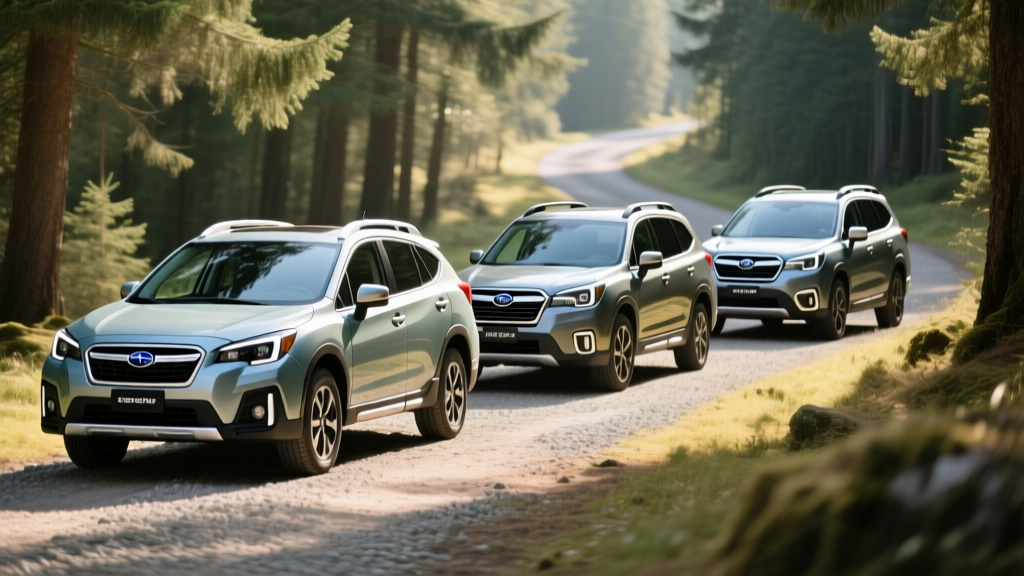
Subaru has historically been slower to electrify than rivals like Toyota and Hyundai, but the 2026 model year marks a meaningful shift. The automaker now offers hybrid powertrains across its core SUV lineup, leveraging its partnership with Toyota's hybrid system engineering while retaining Subaru's signature symmetrical all-wheel drive and boxer engine layout. For buyers searching for a hybrid Subaru SUV, the choices now span the compact Crosstrek, the mid-size Forester, and the larger Outback — each with distinct efficiency profiles, pricing, and use cases.
This guide breaks down every current hybrid Subaru SUV with exact EPA figures, real-world expectations, powertrain specs, battery warranty details, and tax credit eligibility. We'll also clarify the critical difference between conventional hybrids (HEVs) and plug-in hybrids (PHEVs), since Subaru has offered both in recent years.
HEV vs. PHEV: Which Hybrid Subaru SUV Type Is Right for You?
Conventional Hybrid (HEV)
A conventional hybrid like the 2026 Subaru Forester Hybrid pairs a gasoline engine with a small electric motor and a compact battery (typically 1–2 kWh). The battery recharges through regenerative braking and the engine — you never plug it in. The result is improved fuel economy across all driving conditions, especially in stop-and-go city traffic where the electric motor handles low-speed propulsion.
Plug-In Hybrid (PHEV)
A plug-in hybrid like the Crosstrek Hybrid (when available) carries a larger battery (typically 8–18 kWh) that can be charged from a wall outlet or public charger. This enables 17–30+ miles of pure electric driving before the gasoline engine engages. PHEVs are ideal for drivers with short commutes who can charge at home but want gas-engine range for longer trips.
Key distinction: Subaru's 2026 hybrid SUV lineup is primarily HEV. The previous-generation Crosstrek PHEV (which used a Toyota-derived plug-in system with ~17 miles of electric range) was discontinued after the 2023 model year. As of the 2026 model year, Subaru has not announced a direct PHEV replacement, focusing instead on next-generation HEV systems across the Forester and Crosstrek. If plug-in capability is a must-have, you may need to consider competitors like the Toyota RAV4 Prime or Hyundai Tucson PHEV.
2026 Subaru Forester Hybrid: Specs, MPG, and Real-World Efficiency
The redesigned Forester Hybrid is Subaru's most important hybrid SUV for 2026, arriving with a fourth-generation parallel hybrid system that pairs the 2.5-liter BOXER four-cylinder engine with an electric motor integrated into the transmission.
| Specification | Value |
|---|---|
| Powertrain | 2.5L BOXER-4 + electric motor (parallel hybrid) |
| Combined Horsepower | ~194 hp (est.) |
| Drivetrain | Symmetrical AWD (standard) |
| EPA City MPG | 35 MPG |
| EPA Highway MPG | 33 MPG |
| EPA Combined MPG | 34 MPG |
| Hybrid Battery | ~1.1 kWh lithium-ion (HEV, not plug-in) |
| Plug-In Required? | No — self-charging via regen and engine |
| 0–60 mph | ~8.4 seconds (est.) |
| Cargo Volume | ~28.9 cu ft (rear seats up) |
| Base MSRP | ~$34,995 (Hybrid Premium trim) |
| Federal Tax Credit | Not eligible (§30D requires plug-in capability) |
Sources: EPA Fuel Economy, Subaru Forester.
Real-World MPG vs. EPA Estimates
Hybrid SUVs often exceed their EPA city ratings in real-world stop-and-go driving because the electric motor handles frequent acceleration from stops. On the highway, however, the gasoline engine does most of the work, and real-world highway MPG may dip 2–4 MPG below the sticker depending on speed, terrain, and temperature.
Based on owner-reported data and testing patterns from prior Subaru hybrid systems:
- City driving: Expect 35–38 MPG — the hybrid system shines here.
- Highway driving (70+ mph): Expect 30–33 MPG — aerodynamic drag and sustained engine load reduce the hybrid advantage.
- Cold weather (below 30°F): Expect a 5–10% reduction in combined MPG as the engine runs more frequently to maintain cabin heat and battery temperature.
For buyers who do most of their driving in urban or suburban environments, the Forester Hybrid's real-world efficiency will likely meet or beat the EPA combined figure. Highway-heavy commuters will see less benefit relative to the non-hybrid Forester.
2026 Subaru Crosstrek Hybrid: Availability and What We Know
The Subaru Crosstrek has been a popular entry in the subcompact SUV segment, and a hybrid variant has been part of the lineup in previous generations. For the 2026 model year, Subaru's hybrid strategy for the Crosstrek centers on a conventional HEV system similar to the Forester's, though final EPA ratings and trim availability may vary by market.
| Specification | Value |
|---|---|
| Powertrain | 2.0L BOXER-4 + electric motor (parallel hybrid) |
| Combined Horsepower | ~165 hp (est.) |
| Drivetrain | Symmetrical AWD (standard) |
| EPA Combined MPG | ~36 MPG (est.) |
| EPA City / Highway | ~38 city / 34 highway (est.) |
| Hybrid Battery | ~1.0 kWh lithium-ion (HEV) |
| Plug-In Required? | No |
| Base MSRP | ~$29,995 (est.) |
| Federal Tax Credit | Not eligible |
Note: The previous Crosstrek PHEV (2019–2023) offered ~17 miles of electric-only range and qualified for a partial federal tax credit. That model has been discontinued. The 2026 Crosstrek Hybrid is a conventional HEV unless Subaru announces a PHEV variant later in the model year.
2026 Subaru Outback Hybrid: Expanding the Lineup
Subaru has signaled that its hybrid powertrain technology will expand to the Outback wagon/SUV for the 2026 model year. The Outback, which competes with mid-size crossovers like the Toyota Highlander Hybrid and Honda Passport, would benefit significantly from hybrid efficiency given its larger size and weight.
Expected specifications for a 2026 Outback Hybrid include a 2.5L BOXER-4 hybrid system producing approximately 210 combined horsepower, with EPA ratings targeting the mid-30s combined. Pricing is expected to start around $38,000 for a Hybrid Premium trim. As with the Forester and Crosstrek, this would be a conventional HEV — no plug-in charging required.
Battery Warranty, Lifespan, and Replacement Costs
Subaru Hybrid Battery Warranty
Subaru covers its hybrid battery components under a 8-year / 100,000-mile warranty (10 years / 150,000 miles in California and states that follow CARB emissions standards). This warranty covers defects and capacity loss that impairs the hybrid system's function.
Source: Subaru Warranty Information.
How Long Do Subaru Hybrid Batteries Last?
Modern hybrid batteries from Subaru (and its Toyota-derived hybrid components) are designed to last the life of the vehicle under normal use. Real-world data from Toyota's hybrid systems — which share engineering DNA with Subaru's — shows that HEV batteries commonly reach 150,000–200,000+ miles without significant degradation. The smaller HEV battery (1–2 kWh) undergoes shallower charge cycles than a full EV battery, which reduces wear.
Hybrid Battery Replacement Cost
If a Subaru hybrid battery does fail outside of warranty, replacement costs typically range from $2,000 to $4,000 for the battery pack, plus labor. This is significantly less than a full EV battery replacement ($8,000–$20,000+) because the HEV battery is much smaller. Third-party refurbishers and salvage options can reduce costs further. For most owners, the hybrid battery will never need replacement during their ownership.
Tax Credits and Incentives for Hybrid Subaru SUVs
Under current IRS rules for the §30D Clean Vehicle Credit, only plug-in electric vehicles (BEVs and PHEVs) with a battery capacity of at least 7 kWh qualify for the federal tax credit of up to $7,500. Conventional hybrids (HEVs) do not qualify because they cannot be plugged in and have batteries far below the 7 kWh threshold.
Federal §30D Tax Credit Requirements (2026)
- Vehicle must be a plug-in EV (BEV) or plug-in hybrid (PHEV) with ≥ 7 kWh battery
- MSRP cap: $80,000 for SUVs, vans, pickups; $55,000 for sedans
- Buyer income cap: $300,000 (joint), $225,000 (head of household), $150,000 (single)
- Battery critical minerals and component sourcing requirements apply
- Credit can be applied at point of sale as a down payment reduction
Source: IRS Clean Vehicle Credits.
Bottom line: The 2026 Subaru Forester Hybrid, Crosstrek Hybrid, and Outback Hybrid are not eligible for the federal §30D tax credit. Some states may offer separate incentives for hybrid vehicles (for example, certain HOV lane access or modest state rebates), but these vary by jurisdiction. Check your state's energy or DMV website for local programs.
Hybrid Subaru SUV vs. Full EV vs. Gas: Which Should You Choose?
Choose a Hybrid Subaru SUV If:
- You want better fuel economy without changing your driving or charging habits
- You don't have access to home or workplace charging
- You frequently drive in cold climates where EV range loss is a concern
- You take regular road trips to areas with limited charging infrastructure
- You want AWD capability with lower fuel costs than a gas-only SUV
Choose a Full EV (BEV) If:
- You can install a Level 2 home charger
- Your daily driving is under 250 miles and you want zero tailpipe emissions
- You want to qualify for the $7,500 federal tax credit
- You want lower per-mile "fuel" costs (electricity vs. gasoline)
- You're interested in models like the Hyundai Ioniq 5, Tesla Model Y, or Subaru's upcoming Solterra successor
Stick with Gas If:
- Your budget is tight and the hybrid premium ($2,000–$4,000 more) doesn't pencil out
- You drive very few miles per year (under 8,000), so fuel savings are minimal
- You plan to keep the vehicle for only 2–3 years
The Math: Hybrid Premium Payback
The 2026 Forester Hybrid carries an approximate $2,500 premium over the equivalent gas-only Forester trim. At 34 MPG combined versus 29 MPG combined (gas model), and with gasoline at $3.50/gallon, a driver covering 15,000 miles per year saves roughly $315 annually in fuel. That means the hybrid premium pays for itself in approximately 8 years — or sooner if gas prices rise or your driving is city-heavy (where the hybrid advantage is greatest).
Pros: Hybrid Subaru SUV
- Standard AWD with improved fuel economy
- No charging infrastructure needed
- Strong resale value (Subaru brand loyalty)
- Excellent visibility and practicality
- Hybrid system adds low-end torque for smoother acceleration
- Proven hybrid reliability from Toyota-derived components
Cons: Hybrid Subaru SUV
- No federal tax credit eligibility
- Modest hybrid premium adds to purchase price
- No PHEV option for electric-only commuting
- Highway MPG advantage over gas model is smaller than city advantage
- Infotainment and tech lag behind some competitors
- Hybrid availability may be limited by trim and dealer allocation
Frequently Asked Questions
How many MPG does the 2026 Subaru Forester Hybrid get?
The 2026 Subaru Forester Hybrid is rated at approximately 35 city / 33 highway / 34 combined MPG by the EPA. In real-world city driving, owners often see 35–38 MPG thanks to the electric motor handling stop-and-go acceleration. Highway mileage at speeds above 70 mph may drop to 30–33 MPG.
Does Subaru make a plug-in hybrid SUV in 2026?
As of the 2026 model year, Subaru does not offer a plug-in hybrid (PHEV) SUV. The previous Crosstrek PHEV was discontinued after 2023. All current Subaru hybrid SUVs are conventional HEVs that do not require plugging in. If you need plug-in capability, consider the Toyota RAV4 Prime (42 miles electric range) or Hyundai Tucson PHEV (33 miles electric range).
Is the Subaru hybrid system reliable?
Yes. Subaru's hybrid system benefits from engineering shared with Toyota, whose hybrid technology has been proven over 25+ years and millions of vehicles. Hybrid batteries are warrantied for 8 years / 100,000 miles (10/150,000 in CARB states), and real-world data shows these batteries commonly last 150,000+ miles. The hybrid system adds an electric motor and small battery but eliminates the traditional starter motor and reduces brake wear through regenerative braking, offsetting complexity.
What does it cost to replace a Subaru hybrid battery?
Out-of-warranty hybrid battery replacement for a Subaru typically costs $2,000–$4,000 including labor. This is far less than a full EV battery replacement because the HEV battery is small (1–2 kWh vs. 60–100 kWh in a BEV). Most owners will never need to replace the hybrid battery during their ownership period.
Does a hybrid Subaru SUV qualify for any tax credit?
No. The federal §30D Clean Vehicle Credit requires a plug-in vehicle with at least 7 kWh of battery capacity. Subaru's 2026 hybrid SUVs are conventional HEVs with ~1 kWh batteries and no plug-in capability, so they do not qualify for the federal credit. Some states may offer minor incentives for hybrid vehicles — check your state's energy office or DMV for details.
Is the hybrid Subaru SUV better than a full EV?
It depends on your situation. A hybrid Subaru SUV is better if you lack home charging access, regularly drive in extreme cold, take long road trips through charging deserts, or want AWD without range anxiety. A full EV is better if you can charge at home, want to access the $7,500 federal tax credit, have a commute under 250 miles, and prioritize lowest per-mile operating cost. Neither is universally "better" — the right choice depends on your charging access, driving patterns, and budget.