The Manual Transmission Is Almost Gone — Hybrids Accelerated the Shift
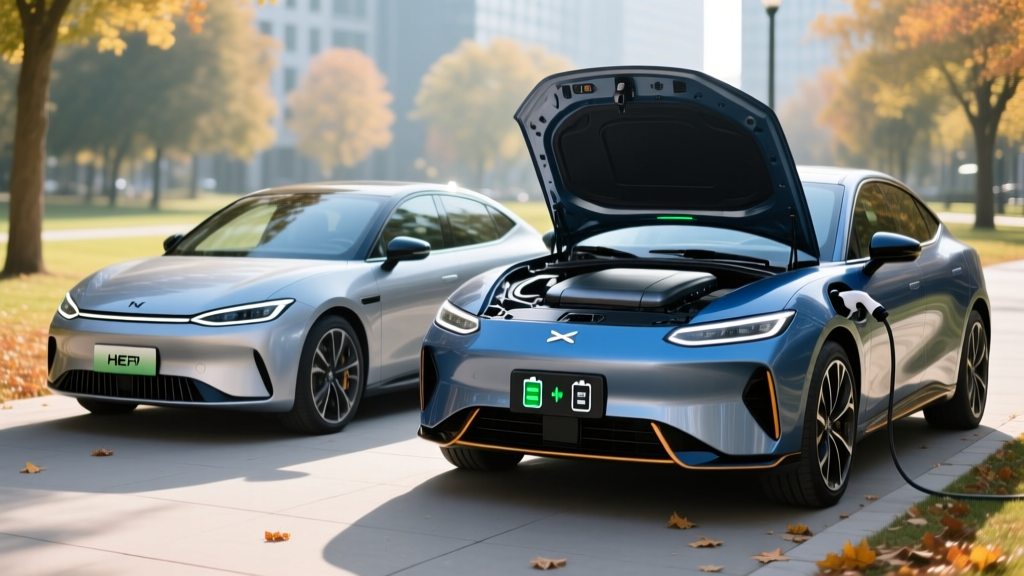
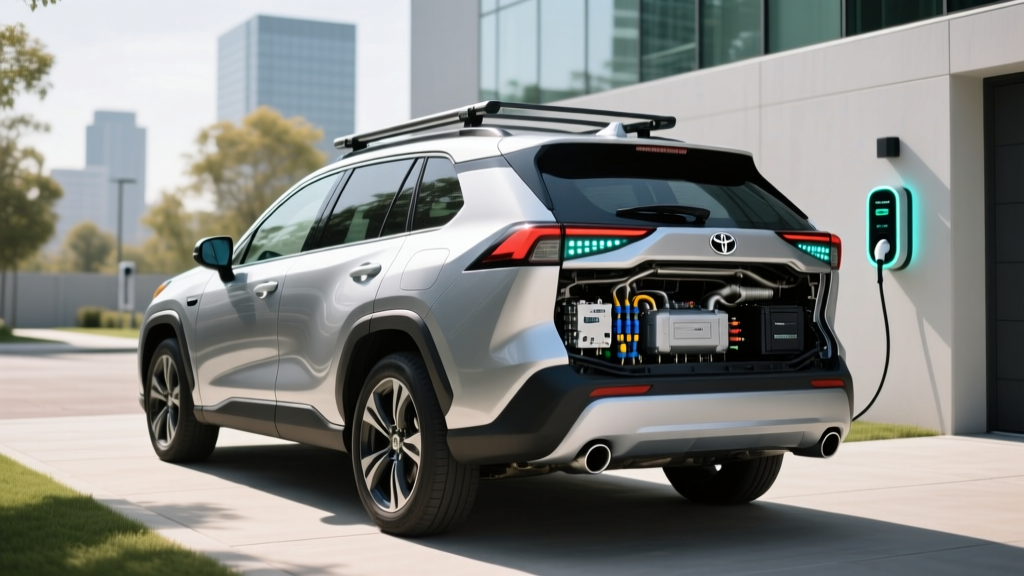
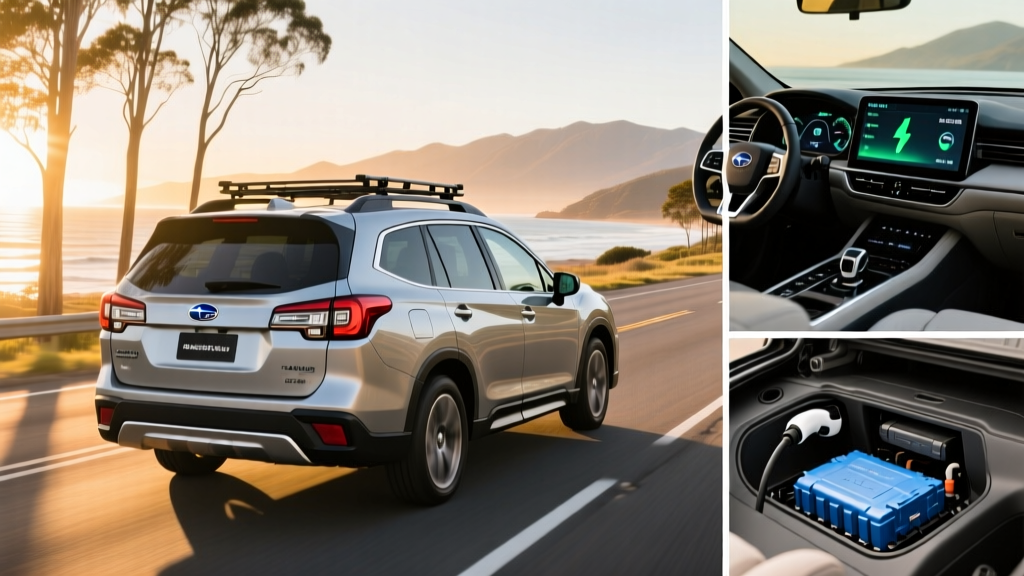
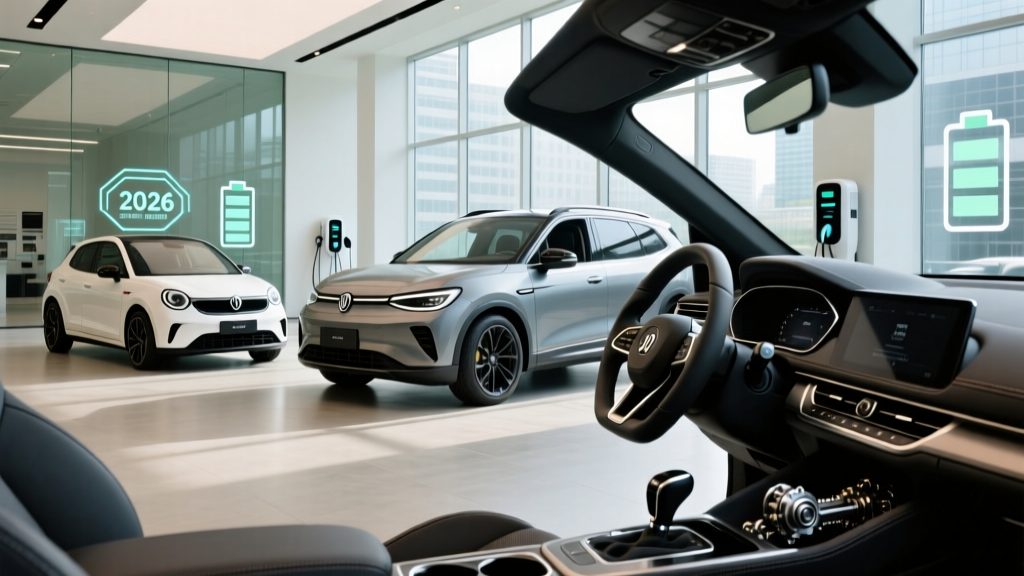
If you've been searching for a hybrid manual transmission vehicle in 2026, you already know the pickings are slim. The manual gearbox — once the default for fuel-conscious drivers and driving enthusiasts alike — has been systematically phased out across the industry. Hybrids and plug-in hybrids (PHEVs) are partly to blame: their electric motors and continuously variable or multi-speed automatic transmissions simply don't pair well with a traditional clutch-and-gearstick setup.
But the story isn't over entirely. A handful of models still offer some form of manual engagement in a hybrid powertrain, and understanding what's available — and what isn't — requires separating myth from mechanical reality. This guide covers every angle: which vehicles qualify, what kind of MPG they deliver, whether any plug-in hybrids still offer a manual, and what your realistic options are if you refuse to give up three pedals.
HEV vs PHEV: Understanding What You're Buying
Before we get to specific models, it's essential to distinguish between the two hybrid categories, because their relationship to manual transmissions differs significantly.
| Feature | Conventional Hybrid (HEV) | Plug-In Hybrid (PHEV) |
|---|---|---|
| Plug-in charging required? | No — charges via regenerative braking and engine | Yes — plug in for electric-only range |
| Battery size | 0.6–1.6 kWh (small buffer) | 10–25+ kWh (usable) |
| Electric-only range | None (electric assist only) | 20–50 miles typical |
| Federal tax credit (§30D) | Not eligible | Up to $7,500 if eligible (see IRS rules) |
| Transmission type common | eCVT, multi-speed auto | Multi-speed auto, dedicated hybrid transaxle |
| Manual availability (2026) | Extremely limited | None currently on sale in US |
The key takeaway: conventional hybrids (HEVs) do not need to be plugged in. They generate electricity internally through regenerative braking and the gasoline engine. Plug-in hybrids (PHEVs) have larger batteries that give you real electric-only miles but require charging infrastructure to maximize their benefit.
Which Hybrids Still Offer a Manual Transmission in 2026?
The honest answer is: almost none in the US market. Here's the landscape as of the 2026 model year:
Honda CR-Z (Discontinued)
The Honda CR-Z was the last widely available hybrid with a true 6-speed manual transmission in the US. Produced from 2011–2016, it paired a 1.5L i-VTEC engine with Honda's IMA (Integrated Motor Assist) hybrid system and a manual gearbox. Combined output was 130 hp. EPA fuel economy was rated at 31 city / 38 highway / 34 combined MPG with the manual. It's now available only on the used market.
Toyota GR Corolla (Mild-Hybrid Adjacent)
While the Toyota GR Corolla comes with a 6-speed intelligent manual transmission (iMT), its 1.6L turbocharged 3-cylinder engine is not a hybrid powertrain — it's a pure gasoline engine producing 300 hp. Toyota has not announced any hybrid variant of the GR Corolla for 2026. It's included here because many manual enthusiasts cross-shop it against hybrid options.
International Models Not Sold in the US
Some markets outside the US have seen hybrid-manual combinations. Certain European-spec mild-hybrid diesels from Volkswagen Group and Stellantis have offered manual gearboxes with 48V mild-hybrid systems. However, these are classified as mild hybrids (MHEV) — they cannot drive on electric power alone and provide only marginal fuel savings (typically 3–5% improvement). They are not available in the United States.
| Model | Type | Transmission | Combined HP | EPA Combined MPG | Status (2026) |
|---|---|---|---|---|---|
| Honda CR-Z | HEV | 6-speed manual | 130 hp | 34 MPG | Discontinued (used market only) |
| Toyota GR Corolla | Gas (not hybrid) | 6-speed iMT | 300 hp | 24 MPG | Current production |
| VW Golf eTSI (EU) | Mild Hybrid (48V) | 6-speed manual | ~150 hp | N/A (WLTP) | Not sold in US |
Why Hybrids and Manual Transmissions Don't Mix Well
The disappearance of the hybrid manual transmission isn't a conspiracy — it's engineering physics and economics colliding.
1. Hybrid Systems Rely on Seamless Motor-Engine Blending
A hybrid's fuel-economy advantage comes from seamlessly switching between electric motor and gasoline engine, or running both simultaneously. A conventional manual transmission requires the driver to disengage the clutch during shifts, which interrupts torque delivery and makes it far harder to coordinate the electric motor's contribution. An eCVT (electronically controlled continuously variable transmission) or a dedicated hybrid automatic can manage this blending in milliseconds — something no human with a clutch pedal can match.
2. Regenerative Braking Optimization
Hybrids recapture energy during deceleration through regenerative braking. Automatic and CVT transmissions can modulate regen intensity continuously. A manual transmission introduces a variable (the driver's clutch and shift timing) that reduces the system's ability to maximize energy recovery, lowering overall efficiency.
3. Cost and Market Demand
Manual transmission take rates in the US have fallen below 2% across most manufacturers. Engineering a hybrid system that accommodates a manual gearbox — with the necessary control software, clutch-position sensors, and motor-integration hardware — adds cost for a vanishingly small audience. Automakers have made the rational, if disappointing, choice to focus engineering budgets on automatic hybrid powertrains.
Best Hybrid Alternatives for Manual Enthusiasts
If you love the engagement of a manual but need hybrid efficiency, here are the closest experiences available in 2026:
Toyota Prius (HEV) — The Efficiency King
The redesigned Prius delivers 57 city / 56 highway / 57 combined MPG (FWD, per fueleconomy.gov). No manual is available — it uses Toyota's eCVT — but its 196 combined horsepower and dramatically improved chassis make it genuinely engaging to drive compared to earlier generations. Starting MSRP is approximately $28,550.
Toyota Prius Prime (PHEV) — Plug-In Efficiency
The Prius Prime offers 44 miles of electric-only range and 52 MPG combined once the battery is depleted. Battery capacity is 13.6 kWh (usable). It charges via Level 1 (120V) in about 11 hours or Level 2 (240V) in roughly 4 hours. DC fast charging is not available. Combined output is 220 hp. Starting MSRP is approximately $33,450. The Prius Prime may qualify for a partial federal tax credit under IRS §30D rules, depending on battery sourcing, your income, and MSRP caps — consult a tax professional for eligibility.
| Model | City MPG | Highway MPG | Combined MPG | Electric-Only Range (PHEV) | Total Range |
|---|---|---|---|---|---|
| 2026 Toyota Prius (FWD HEV) | 57 | 56 | 57 | N/A | ~620 mi |
| 2026 Toyota Prius Prime (PHEV) | 52 (hybrid mode) | 48 (hybrid mode) | 52 (hybrid mode) | 44 mi | ~440 mi total |
| Honda CR-Z (Used, Manual) | 31 | 38 | 34 | N/A | ~350 mi |
Ford Maverick Hybrid (HEV) — Manual Feel in a Truck
While the Maverick Hybrid doesn't offer a manual, its 2.5L hybrid powertrain with 194 combined hp and an EPA-estimated 42 city / 33 highway / 37 combined MPG makes it the most engaging hybrid truck available. Starting MSRP: ~$28,000. For manual fans who need utility, it's worth a test drive — the eCVT is well-tuned and doesn't feel rubbery.
Battery Reliability, Warranty, and Replacement Costs
Hybrid Battery Warranty Standard: Federal law mandates that hybrid battery packs carry a minimum warranty of 8 years / 100,000 miles. In California Air Resources Board (CARB) states, this extends to 10 years / 150,000 miles. Toyota, Honda, and Ford all meet or exceed these minimums.
How Long Do Hybrid Batteries Actually Last?
Real-world data from Toyota Prius fleets (including taxi and rideshare use) shows that nickel-metal hydride (NiMH) and lithium-ion (Li-ion) hybrid battery packs commonly last 150,000–200,000+ miles before significant degradation. Unlike full EVs, hybrid batteries are small and operate in a narrow state-of-charge window (typically 40–80%), which dramatically reduces stress and extends cycle life.
What Does Replacement Cost?
If your hybrid battery does fail outside warranty:
- Toyota Prius HEV: $2,000–$3,500 for a new OEM pack; refurbished packs available for $1,000–$1,800
- Toyota Prius Prime (PHEV): $4,000–$6,500 (larger Li-ion pack)
- Ford Maverick Hybrid: $3,000–$5,000 estimated
- Honda CR-Z (used): $2,000–$3,000 (IMA battery)
These costs are significantly lower than full EV battery replacements because hybrid packs are much smaller (typically 0.6–13.6 kWh vs. 60–100+ kWh for a BEV).
Tax Credits: Do Hybrids Qualify?
This is a frequent source of confusion. Here's the breakdown under current IRS §30D rules for 2026:
- Conventional hybrids (HEVs): NOT eligible for the federal §30D clean vehicle credit. This includes the Toyota Prius HEV, Honda Accord Hybrid, and Ford Maverick Hybrid.
- Plug-in hybrids (PHEVs): MAY qualify for up to $7,500, subject to:
- — MSRP cap: $55,000 for sedans; $80,000 for SUVs/pickups/vans
- — Buyer income cap: $150,000 single / $300,000 joint AGI
- — Battery sourcing: critical minerals and battery components must meet escalating domestic-content thresholds
- — Point-of-sale transfer: eligible buyers can transfer the credit to the dealer for an immediate price reduction
The Toyota Prius Prime's eligibility has varied by model year due to battery component sourcing rules. Always verify current eligibility on the IRS website or with a qualified tax professional before purchasing.
Hybrid vs PHEV vs EV: Which Should You Choose?
Choose a Conventional Hybrid (HEV) If:
- You want better MPG with zero behavior change — no plugging in, no range planning
- You live in an apartment or lack access to home/work charging
- You drive in heavy stop-and-go traffic where hybrids shine (real-world MPG often exceeds EPA city estimates)
- You want a lower purchase price than a PHEV or BEV
Choose a PHEV If:
- You can charge at home (Level 1 or Level 2) and your daily commute is under 30–45 miles
- You want electric-only daily driving but need a gas engine for road trips
- You want to reduce fuel consumption dramatically without committing to a full EV
- You may qualify for the federal tax credit, reducing effective purchase price
Choose a full BEV (battery electric vehicle) if: You have reliable home charging, your daily driving is under 250 miles, you want zero tailpipe emissions, and you're ready to leave gasoline behind entirely. BEVs like the Tesla Model 3, Hyundai Ioniq 6, or Chevrolet Equinox EV offer 300+ miles of range and significantly lower per-mile fuel costs.
Real-World MPG: What Hybrids Actually Deliver
One advantage hybrids have over their EPA stickers: real-world city driving often exceeds the published number. This is because EPA test cycles include substantial highway driving at steady speeds, where the electric motor provides less benefit. In actual stop-and-go urban traffic, regenerative braking is maximized, and the engine shuts off more frequently.
Owner-reported data on fueleconomy.gov's MyMPG feature shows that many Prius owners report 55–62 MPG in warm-weather city driving. Cold weather (below 40°F) typically reduces hybrid efficiency by 10–15% due to increased engine warm-up time and reduced battery performance.
Highway driving is where hybrids lose their advantage. At 70+ mph, the electric motor contributes less, and aerodynamic drag dominates. Expect highway MPG to be 5–10 MPG lower than city figures in most non-PHEV hybrids.
The Bottom Line for Manual Transmission Fans
The hybrid manual transmission is, for all practical purposes in the 2026 US market, extinct. The Honda CR-Z remains the last mass-market example, available only on the used market. No current-production conventional hybrid or plug-in hybrid sold in the United States offers a manual gearbox.
If driving engagement is your priority, your best paths forward are:
- Buy a used Honda CR-Z (2011–2016) for the only true hybrid-manual experience. Budget $8,000–$14,000 for a well-maintained example.
- Accept an eCVT in a modern hybrid like the Toyota Prius, which offers dramatically better fuel economy (57 vs. 34 MPG combined) and more power (196 vs. 130 hp) than the CR-Z.
- Buy a non-hybrid manual car (Mazda MX-5, Subaru WRX, VW GTI, Honda Civic Si) and accept the fuel-economy trade-off.
- Consider a full EV with simulated manual modes — the Hyundai Ioniq 5 N offers a simulated 8-speed dual-clutch feel with artificial shift points, though it's an automatic reality underneath.
How many MPG does a hybrid manual transmission car get?
The only widely available hybrid manual in recent history was the Honda CR-Z, rated at 31 city / 38 highway / 34 combined MPG with its 6-speed manual. Modern automatic hybrids like the 2026 Toyota Prius significantly outperform this at 57 combined MPG.
Are there any plug-in hybrids with a manual transmission?
No. As of 2026, no PHEV sold in the US market offers a manual transmission. The complexity of blending a large electric motor with a gasoline engine through a clutch-operated manual gearbox makes this combination impractical for manufacturers.
Hybrid vs PHEV vs EV — which fits a driving enthusiast?
If engagement is your top priority and you won't accept an automatic, a pure gasoline manual car (Mazda MX-5, Toyota GR86, Honda Civic Si) offers the best driving experience. If you want efficiency with reasonable engagement, the Toyota Prius (HEV) and Hyundai Ioniq 5 N (EV) are the best modern compromises. PHEVs are best for commuters who can charge at home and want electric daily driving with gas-engine road-trip flexibility.
Is the Honda CR-Z hybrid reliable and what does battery replacement cost?
The CR-Z's IMA hybrid system is generally reliable. The NiMH battery pack typically lasts 120,000–170,000 miles. Replacement costs $2,000–$3,000 for an OEM pack, or $1,000–$1,500 for a refurbished unit. Honda's original 8-year/100,000-mile hybrid warranty has expired on all CR-Z models, so battery replacement is an out-of-pocket cost.
Does any hybrid qualify for a federal tax credit?
Conventional hybrids (HEVs) do not qualify for the §30D federal clean vehicle credit. Only plug-in hybrids (PHEVs) and battery electric vehicles (BEVs) are potentially eligible, subject to MSRP caps ($55,000 sedans / $80,000 SUVs), buyer income limits ($150,000 single / $300,000 joint), and battery sourcing requirements. Check current eligibility at IRS.gov.
Will any manufacturer bring back a hybrid manual transmission?
There are no announced plans from any major automaker to produce a new hybrid with a manual transmission. The market demand for manuals is below 2% in the US, and hybrid system integration strongly favors automatic and CVT transmissions. The Hyundai Ioniq 5 N's simulated manual mode in a full EV may represent the closest future approximation of the experience.