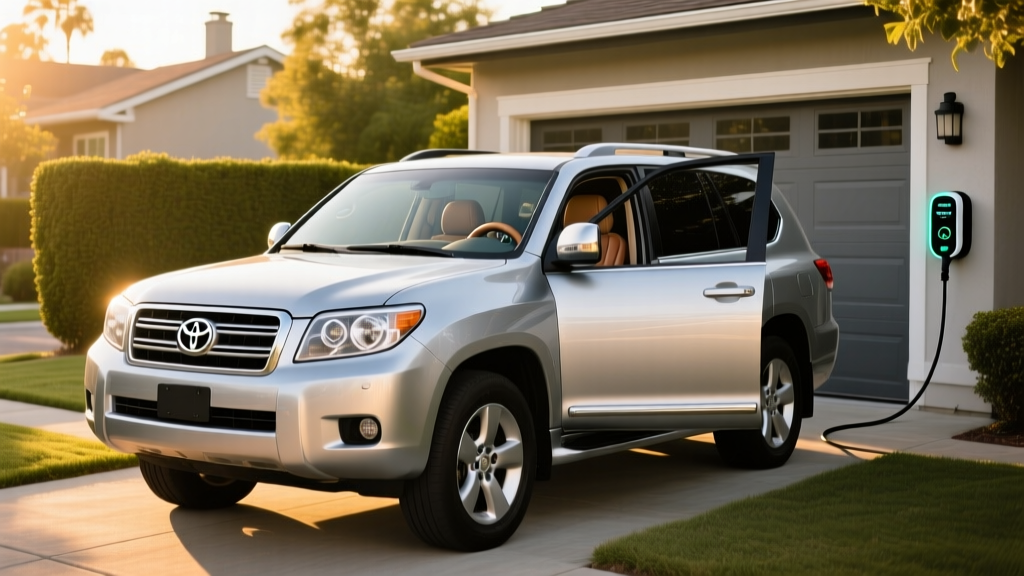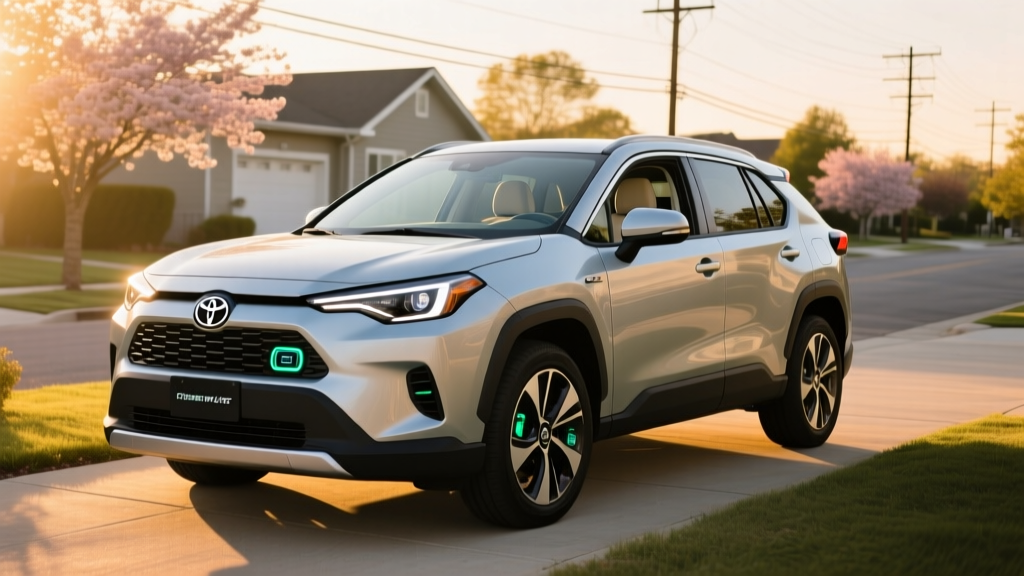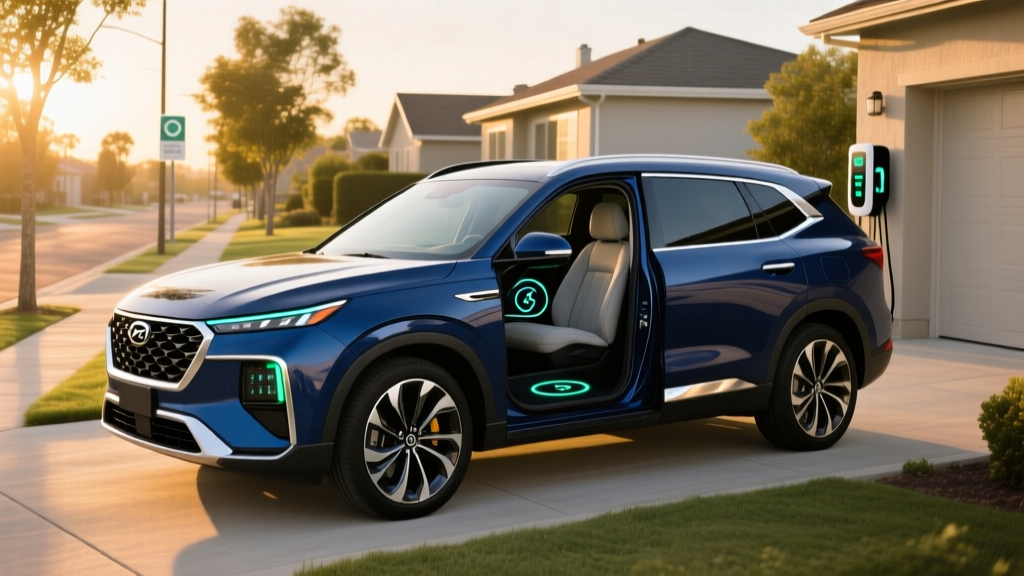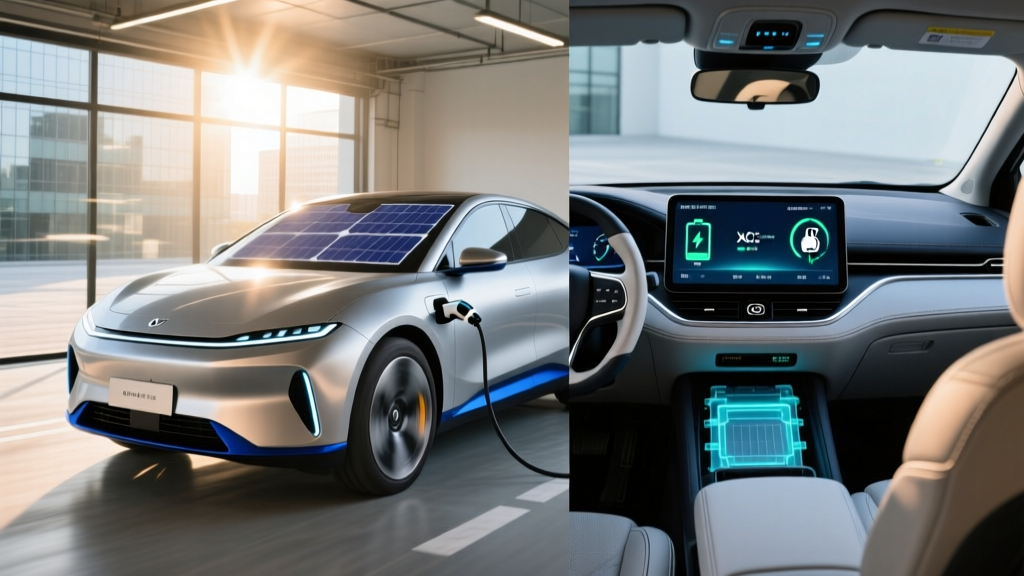
If you've ever stood in a dealership wondering whether the badge on the window means you need to plug it in or not, you're not alone. The hybrid market has fractured into distinct categories — conventional hybrids (HEVs) that never need a plug, and plug-in hybrids (PHEVs) that offer a meaningful electric-only commute before the gas engine kicks in. Understanding how a plug-in hybrid car works is the single most important step before committing $35,000–$60,000 to one.
This guide breaks down PHEV powertrain mechanics, real-world efficiency, battery longevity, charging logistics, and federal tax credit eligibility under current IRS §30D rules — all from a 2026 ownership perspective.
HEV vs PHEV: The Fundamental Difference
Conventional Hybrid (HEV)
- Battery: Small, typically 1.0–1.6 kWh
- Charging: Self-charging via regenerative braking and engine — no plug
- Electric-only driving: Minimal, usually under 1 mile at low speeds
- Primary benefit: Higher MPG than a gas car with zero behavior change
- Examples: Toyota Prius HEV, Honda CR-V Hybrid, Hyundai Tucson Hybrid
Plug-In Hybrid (PHEV)
- Battery: Larger, typically 13–25+ kWh usable
- Charging: Must plug in (Level 1 or Level 2) to access full electric range
- Electric-only driving: 25–50+ miles on most 2026 models
- Primary benefit: Daily EV commuting with gas-engine road-trip backup
- Examples: Toyota RAV4 Prime, Jeep Wrangler 4xe, Chrysler Pacifica Hybrid
The critical distinction: a conventional hybrid cannot be plugged in and does not offer meaningful electric-only range. A PHEV must be plugged in regularly to realize its efficiency and cost advantages. If you never plug in a PHEV, you're just driving a heavier, more expensive conventional hybrid.
How a PHEV Powertrain Actually Works
A plug-in hybrid combines three core components that work in concert:
- Electric motor(s): Powered by the high-voltage traction battery, providing instant torque and zero-emission driving for the first portion of every trip.
- Gasoline engine: A conventional internal combustion engine (typically a 4-cylinder, sometimes turbocharged) that activates when the battery is depleted or when heavy acceleration is demanded.
- High-voltage battery pack: Significantly larger than an HEV battery, usually lithium-ion NMC chemistry, storing enough energy for 25–50+ miles of electric-only travel.
The vehicle's power management computer continuously decides which source to use. In a typical 2026 PHEV like the Toyota RAV4 Prime, the system operates in these modes:
- EV Mode (default on startup): The electric motor(s) propel the car using battery energy alone. The gas engine stays off unless you floor the accelerator or the battery drops below a threshold.
- Hybrid Mode (automatic after battery depletion): The car operates like a conventional hybrid — the engine and motor blend seamlessly, with regenerative braking recapturing energy.
- Charge Mode (driver-selected): The gas engine deliberately charges the battery while driving, useful before entering a zero-emission zone or to save electric range for later.
Combined Powertrain Output
PHEVs often deliver more combined horsepower than their gas-only counterparts because the electric motor and gas engine can peak simultaneously. The 2026 RAV4 Prime, for example, produces 302 combined horsepower from its 2.5L 4-cylinder engine plus front and rear electric motors — compared to 203 hp in the standard RAV4 gas model.
Electric-Only Range and Total Driving Range
The electric-only range is the PHEV's headline feature. Here's how popular 2026 models stack up:
| 2026 Model | Battery (kWh usable) | EPA Electric Range | Total Range (gas + electric) | Combined HP |
|---|---|---|---|---|
| Toyota RAV4 Prime | 18.1 kWh | 42 miles | ~600 miles | 302 hp |
| Chrysler Pacifica Hybrid | 16.0 kWh | 32 miles | ~520 miles | 260 hp |
| Jeep Wrangler 4xe | 17.3 kWh | 22 miles | ~370 miles | 375 hp |
| Hyundai Tucson PHEV | 13.8 kWh | 33 miles | ~420 miles | 261 hp |
| BMW X5 xDrive50e | 25.7 kWh | 38 miles | ~460 miles | 483 hp |
Fuel Economy: MPG in Hybrid Mode and MPGe on Electricity
PHEVs have two efficiency ratings: MPGe (miles per gallon equivalent) when running on electricity, and MPG when the battery is depleted and the car operates as a hybrid. According to fueleconomy.gov, here are representative figures:
| 2026 Model | MPGe (electric + gas) | MPG Combined (hybrid mode) | MPG City | MPG Highway |
|---|---|---|---|---|
| Toyota RAV4 Prime | 94 MPGe | 38 MPG | 40 | 36 |
| Chrysler Pacifica Hybrid | 82 MPGe | 30 MPG | 29 | 30 |
| Jeep Wrangler 4xe | 49 MPGe | 20 MPG | — | — |
| Hyundai Tucson PHEV | 80 MPGe | 35 MPG | 36 | 33 |
| BMW X5 xDrive50e | 56 MPGe | 25 MPG | — | — |
Real-World MPG vs. EPA: Hybrids — both HEV and PHEV in hybrid mode — often exceed EPA city estimates in real-world stop-and-go driving because regenerative braking recovers more energy in traffic. Highway MPG tends to run slightly below EPA. If your commute is mostly city driving, expect your real-world hybrid-mode MPG to match or beat the sticker.
Charging a PHEV: Time, Equipment, and DC Fast Charging
PHEV batteries are small enough that Level 1 charging (a standard 120V household outlet) is often viable overnight, unlike full EVs. Here's the charging breakdown:
| Charging Level | Power (kW) | Typical 0–100% Time | Notes |
|---|---|---|---|
| Level 1 (120V outlet) | ~1.4 kW | 8–14 hours | Sufficient for most PHEVs overnight |
| Level 2 (240V home/public) | 3.3–7.2 kW | 2–5 hours | Faster top-ups; recommended for daily use |
| DC Fast Charge | Varies (rare on PHEVs) | ~30 min (10–80%) | Most PHEVs lack DC fast-charge capability |
DC Fast Charging Limitation: Most 2026 PHEVs do not support DC fast charging. The Mitsubishi Outlander PHEV is a rare exception, accepting up to ~22 kW DC. For the vast majority of PHEVs, Level 2 at home is the fastest practical option. This is a deliberate engineering trade-off: adding DC fast-charge hardware increases cost and weight for a battery small enough to fill on Level 2 in a few hours.
The standard PHEV charging connector in North America is J1772 for Level 1 and Level 2 AC charging. Tesla's NACS connector is not used on current non-Tesla PHEVs for AC charging.
Pricing, Tax Credits, and Total Cost of Ownership
PHEVs carry a price premium over their gas-only siblings, typically $4,000–$10,000 more depending on the model. Here's the 2026 pricing landscape:
- Toyota RAV4 Prime: Starting ~$44,500 MSRP
- Chrysler Pacifica Hybrid: Starting ~$51,000 MSRP
- Hyundai Tucson PHEV: Starting ~$39,500 MSRP
- Jeep Wrangler 4xe: Starting ~$52,000 MSRP
- BMW X5 xDrive50e: Starting ~$72,000 MSRP
Federal Tax Credit Eligibility (§30D)
Under current IRS §30D rules, qualifying new PHEVs may be eligible for up to $7,500 in federal tax credits, but eligibility is far from guaranteed. The requirements include:
- MSRP cap: Vans/SUVs/pickups must be under $80,000; sedans under $55,000
- Buyer income cap: Modified AGI must not exceed $150,000 (single), $225,000 (head of household), or $300,000 (joint)
- Battery sourcing: Critical minerals and battery components must meet escalating domestic-content thresholds that tighten annually through 2026
- Point-of-sale transfer: Eligible buyers can transfer the credit to the dealer at purchase, reducing the upfront price rather than waiting for a tax refund
- Final assembly: Vehicle must undergo final assembly in North America
Important caveat: Battery-sourcing requirements have disqualified several previously eligible PHEVs. Always verify current eligibility on the IRS clean vehicle credit page before purchasing. Tax credit rules are subject to legislative change — consult a tax professional for your specific situation.
5-Year Ownership Cost Consideration
A PHEV's total cost of ownership depends heavily on whether you actually plug it in. If you charge nightly and your commute falls within the electric-only range, your fuel cost can drop to $0.04–$0.06 per mile (depending on local electricity rates). If you never plug in, you'll pay a fuel-cost penalty for hauling a heavy, depleted battery — sometimes getting worse MPG than a lighter conventional hybrid.
Battery Longevity, Warranty, and Replacement Cost
Degradation reality: PHEV batteries experience less dramatic range-loss anxiety than full EVs because the gas engine serves as a seamless backup. A PHEV battery that degrades 15% over 10 years simply means 5–6 fewer electric miles — not a stranded vehicle. Toyota's PHEV battery packs have demonstrated strong longevity in fleet data, with many RAV4 Prime owners reporting minimal degradation after 80,000+ miles.
Replacement cost: If a PHEV battery fails outside warranty, replacement costs typically range from $4,000 to $8,000 depending on the model, including labor. This is substantially less than full-EV battery replacements ($10,000–$20,000+) because PHEV packs are physically smaller. Refurbished or remanufactured packs are increasingly available at 30–50% below new pricing.
Who Should Buy a PHEV vs. an HEV or Full EV?
Choose a PHEV If:
- Your daily round-trip commute is under 40 miles and you can charge at home
- You take road trips of 300+ miles several times a year and don't want to plan around charging stations
- You live in an apartment or area with limited public charging but have home outlet access
- You want EV-like daily driving but aren't ready to commit to a full BEV
Choose a Conventional Hybrid (HEV) If:
- You cannot plug in at home or work (street parking, no garage)
- You want maximum MPG with zero behavioral change
- Your budget doesn't accommodate the PHEV premium
- You drive mostly highway miles where the PHEV electric-range advantage is minimized
Choose a Full EV (BEV) If:
- You have reliable Level 2 home charging
- Your daily driving is predictable and within 200–300 miles
- You want the lowest per-mile fuel cost and zero tailpipe emissions
- You're ready to plan road-trip charging stops using networks like Tesla Supercharger or Electrify America
PHEV Pros
- Electric-only daily commuting (25–50 miles) with gas-engine backup
- No range anxiety on long road trips
- Lower fuel cost when charged regularly
- Often more combined HP than gas-only equivalents
- Eligible for up to $7,500 federal tax credit (model-dependent)
- 8–10 year battery warranty
PHEV Cons
- $4,000–$10,000 price premium over gas-only models
- Worse MPG than a lighter HEV if you never plug in
- Most lack DC fast-charging capability
- Maintenance complexity: two powertrains (engine + electric)
- Electric range drops 10–20% in cold weather
- Tax credit eligibility depends on sourcing and income rules
Frequently Asked Questions
How many MPG does a plug-in hybrid get?
It depends on whether you charge it. On electricity, PHEVs achieve 49–94 MPGe. After the battery depletes, they operate as conventional hybrids, getting 20–40 MPG combined depending on the model. The Toyota RAV4 Prime delivers 94 MPGe on electricity and 38 MPG combined in hybrid mode.
How far can a PHEV go on electric only?
Most 2026 PHEVs offer 25–45 miles of EPA-rated electric-only range. The RAV4 Prime leads mainstream models at 42 miles. Real-world range drops to roughly 33–36 miles in cold weather or sustained highway driving.
Do I have to plug in a plug-in hybrid?
You don't have to — the car will still drive using its gas engine. But if you never plug in, you're carrying the weight and cost of a large battery without any benefit. PHEVs are designed to be plugged in nightly for maximum savings and efficiency.
Is a PHEV reliable? What about battery replacement?
PHEVs from major manufacturers (Toyota, Hyundai, Chrysler) have demonstrated strong reliability. The high-voltage battery is federally warranted for at least 8 years/100,000 miles (10 years/150,000 miles in CARB states). Out-of-warranty battery replacement costs $4,000–$8,000 — far less than a full EV battery.
Does a PHEV qualify for the $7,500 federal tax credit?
Some do, but eligibility depends on MSRP caps, buyer income limits, battery-sourcing requirements, and North American final assembly. Under current IRS §30D rules, models like the RAV4 Prime and Wrangler 4xe have qualified in recent years, but sourcing rules tighten annually. Always verify on the IRS website before purchasing.
Can a PHEV charge at a DC fast charger?
Most cannot. The Mitsubishi Outlander PHEV is one of the few with DC fast-charge capability (~22 kW). Virtually all other 2026 PHEVs charge exclusively via Level 1 (120V) or Level 2 (240V) AC charging using a J1772 connector.
Hybrid vs PHEV vs EV — which should I choose?
If you can charge at home and commute under 40 miles daily, a PHEV gives you EV-like commuting with road-trip flexibility. If you can't plug in at all, a conventional HEV (like the Prius) delivers excellent MPG with zero behavior change. If you have home Level 2 charging and want the lowest operating cost, a full BEV (like the Tesla Model Y or Hyundai Ioniq 5) eliminates gasoline entirely.