The Two Types of Hybrids: What You're Actually Buying
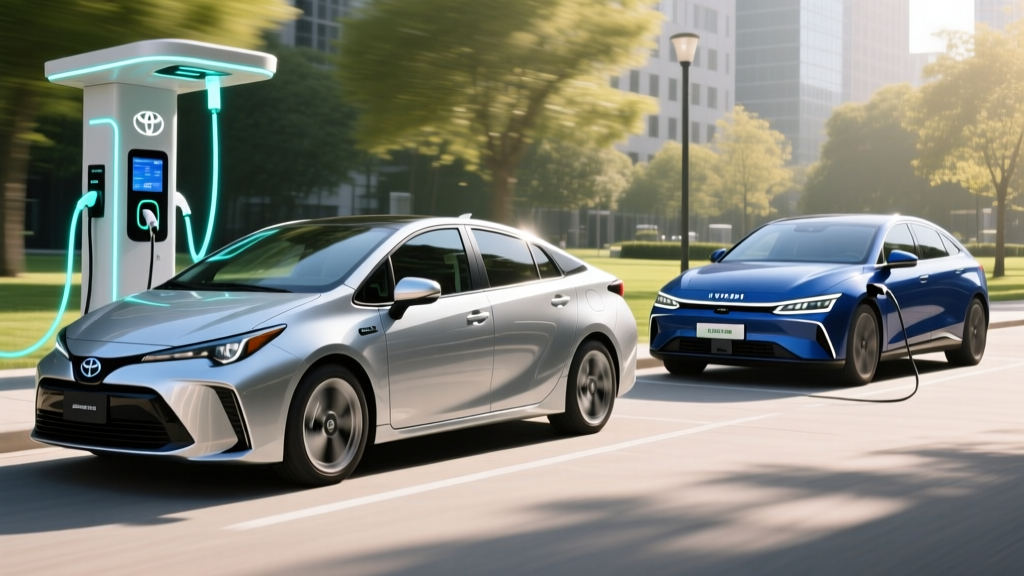
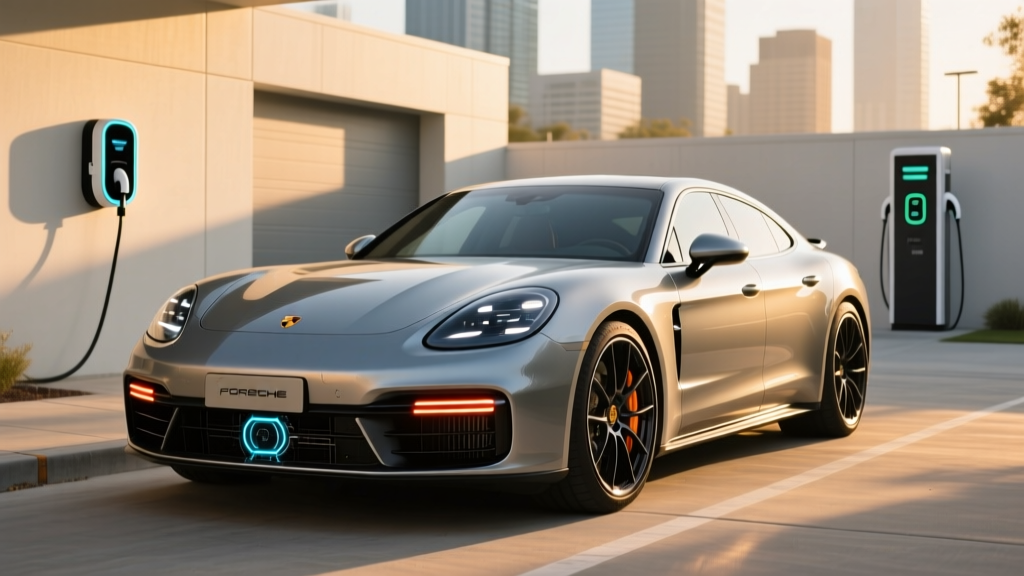
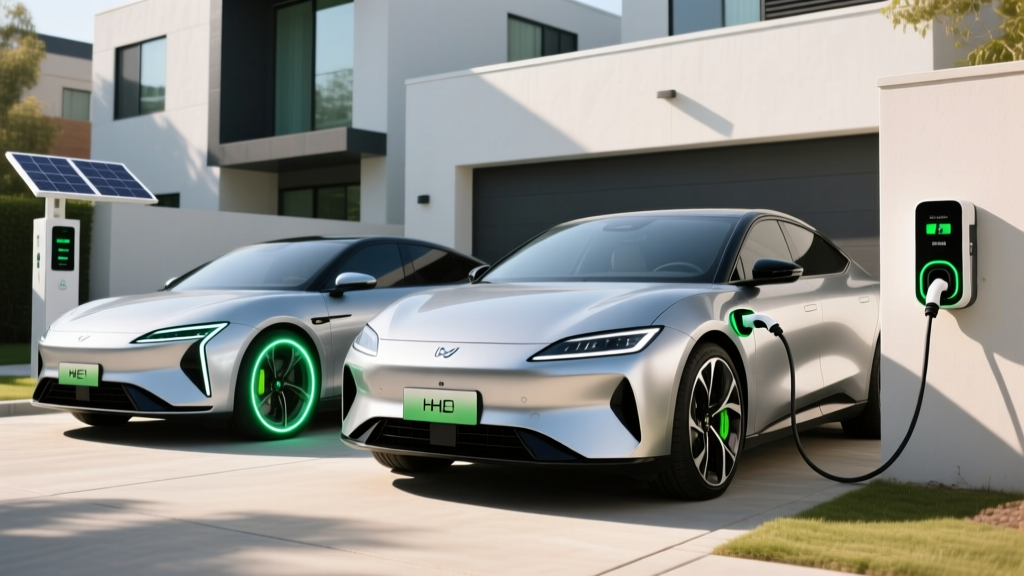
Before dissecting powertrain components, the most important distinction for any buyer is the difference between a conventional hybrid (HEV) and a plug-in hybrid (PHEV). They share the word "hybrid," but their daily ownership experience is fundamentally different.
Conventional Hybrid (HEV)
An HEV pairs a gasoline engine with a small electric motor and a compact battery (typically 1–2 kWh). The battery recharges exclusively through regenerative braking and the engine — you never plug it in. The electric motor assists during acceleration and low-speed driving, while the engine handles cruising and high loads. Examples: Toyota RAV4 Hybrid, Honda CR-V Hybrid, Toyota Prius.
Plug-In Hybrid (PHEV)
A PHEV carries a much larger battery (typically 12–25 kWh) and a more powerful electric motor. You plug it in to recharge, and it can drive 25–50 miles on electricity alone before the gasoline engine seamlessly engages. Think of it as a short-range EV bolted to a gas car. Examples: Toyota RAV4 Prime, Jeep Wrangler 4xe, Chrysler Pacifica Hybrid.
How the Hybrid Powertrain Actually Works
Every hybrid — HEV or PHEV — uses a combination of three energy-management strategies that a conventional gas car cannot:
1. Regenerative Braking
When you lift off the accelerator or press the brake pedal, the electric motor reverses direction and becomes a generator. Kinetic energy that would otherwise be wasted as heat in the brake pads is converted into electricity and stored in the battery. In stop-and-go city driving, this is why hybrids dramatically outperform gas cars on city MPG — every stop recharges the battery.
2. Engine-Motor Blending (Power Split)
Most modern hybrids use a power-split device (a planetary gearset) or a series-parallel architecture that allows the engine and motor to share the drivetrain load. At low speeds, the motor may drive the car alone. During hard acceleration, both engine and motor deliver combined torque. At steady highway speed, the engine operates at its most efficient RPM while excess energy tops off the battery.
3. Engine Stop-Start and EV Creep
Hybrids shut off the engine at red lights and in low-load situations, eliminating idle fuel consumption. Many HEVs can creep through parking lots at 15–25 mph on electric power alone for short distances, further reducing city fuel burn.
PHEV-Specific: Charge Depletion vs. Charge Sustaining
A PHEV operates in two distinct modes. In charge-depletion mode, it behaves like a pure EV, drawing down the large battery for 25–50 miles. Once the battery hits a preset threshold (usually 10–15% state of charge), it switches to charge-sustaining mode and operates like a conventional HEV, blending engine and motor. The transition is seamless — most drivers notice only a subtle change in engine sound.
Fuel Economy: Real-World MPG vs. EPA Stickers
Hybrids consistently deliver strong EPA numbers, but real-world results vary by driving pattern. City driving favors hybrids heavily because regenerative braking recovers energy at every stop. Highway driving narrows the gap because regenerative braking opportunities disappear and aerodynamic drag dominates.
| Vehicle | Type | City MPG | Hwy MPG | Combined MPG | EV Range (PHEV) |
|---|---|---|---|---|---|
| Toyota Prius | HEV | 57 | 56 | 57 | — |
| Toyota RAV4 Hybrid | HEV | 41 | 38 | 40 | — |
| Honda CR-V Hybrid | HEV | 43 | 36 | 40 | — |
| Toyota RAV4 Prime | PHEV | 94 MPGe | 94 MPGe | 94 MPGe | 42 mi |
| Jeep Wrangler 4xe | PHEV | 49 MPGe | 49 MPGe | 49 MPGe | 22 mi |
| Chrysler Pacifica Hybrid | PHEV | 82 MPGe | 82 MPGe | 82 MPGe | 32 mi |
Source: EPA fueleconomy.gov. MPGe applies to electric+gas combined operation in PHEVs. Gas-only combined MPG for PHEVs is typically 25–35 MPG after battery depletion.
PHEV Deep Dive: Electric-Only Range, Charging, and Battery Specs
The PHEV battery is the component that separates a plug-in hybrid from a conventional hybrid. Here's what the numbers mean in practice.
| Vehicle | Battery (kWh) | EV Range (mi) | Level 2 Charge Time | DC Fast Charge | Combined HP |
|---|---|---|---|---|---|
| Toyota RAV4 Prime | 18.1 kWh | 42 | ~2.5 hrs (6.6 kW) | No | 302 |
| Jeep Wrangler 4xe | 17.3 kWh | 22 | ~2.5 hrs (7.2 kW) | No | 375 |
| Chrysler Pacifica Hybrid | 16.0 kWh | 32 | ~2 hrs (7.2 kW) | No | 260 |
| BMW X5 xDrive50e | 25.7 kWh | 38 | ~3.5 hrs (7.4 kW) | No | 483 |
Source: Manufacturer specifications. Charge times are 0–100% on Level 2 (240V). Most PHEVs do not support DC fast charging due to smaller battery size and cost trade-offs.
kW vs kWh — the critical distinction: kWh (kilowatt-hours) measures battery capacity — how much energy the battery stores, like the size of a gas tank. kW (kilowatts) measures power — the rate at which energy flows in or out, like the diameter of a fuel hose. A 7.2 kW onboard charger fills a 16 kWh battery in roughly 2.2 hours (16 ÷ 7.2 ≈ 2.2).
Total combined range for PHEVs typically reaches 400–550 miles when you combine the full battery charge plus a full tank of gas. The RAV4 Prime, for instance, delivers 42 miles electric + roughly 500 miles on gas for a total of ~540 miles.
Hybrid Reliability and Battery Replacement Costs
Battery longevity is the number-one concern for hybrid shoppers. Here's what the data shows after two decades of real-world hybrid operation.
Hybrid Battery Warranty Standards (2026)
- Federal minimum: 8 years / 100,000 miles for hybrid battery components (mandated by EPA emissions warranty rules for hybrid-electric components)
- California-emissions states (CA, CO, CT, ME, MD, MA, NJ, NY, OR, RI, VT, WA): 10 years / 150,000 miles on hybrid batteries
- Toyota: 10 years / 150,000 miles nationwide on hybrid batteries for 2020+ models
- Honda: 8 years / 100,000 miles (10 years / 150,000 miles in CARB states)
- Chrysler/Jeep (Stellantis): 8 years / 100,000 miles on PHEV batteries
Warranty covers battery capacity loss below a defined threshold (typically 60–70% of original capacity), not normal gradual degradation.
Real-World Battery Lifespan
Toyota's nickel-metal-hydride (NiMH) and lithium-ion hybrid batteries routinely last 150,000–200,000+ miles before significant degradation. Taxi fleets running Prius HEVs have logged 300,000+ miles on original batteries. PHEV batteries, being larger and lithium-ion, have comparable longevity when not repeatedly deep-cycled to 0%.
Replacement Cost If the Battery Fails
If a hybrid battery fails out of warranty, replacement costs depend on the vehicle:
- HEV battery replacement: $2,000–$4,000 (parts + labor). Toyota Prius: ~$2,500–$3,500. RAV4 Hybrid: ~$3,000–$4,000.
- PHEV battery replacement: $6,000–$12,000 due to larger capacity. RAV4 Prime: ~$8,000–$10,000. Wrangler 4xe: ~$7,000–$9,000.
Refurbished and aftermarket hybrid batteries are increasingly available at 30–50% less than OEM pricing, offering a cost-effective option for older vehicles.
Pricing and Tax Credit Eligibility
Hybrids carry a price premium over gas-only equivalents, but the gap has narrowed significantly. PHEVs command a larger premium due to the bigger battery and charging hardware.
| Vehicle | Type | Starting MSRP | Federal Tax Credit |
|---|---|---|---|
| Toyota Prius LE | HEV | ~$29,450 | None |
| Toyota RAV4 Hybrid LE | HEV | ~$33,500 | None |
| Honda CR-V Hybrid Sport | HEV | ~$36,350 | None |
| Toyota RAV4 Prime SE | PHEV | ~$44,500 | Up to $3,750* |
| Chrysler Pacifica Hybrid | PHEV | ~$51,000 | Up to $7,500* |
| Jeep Wrangler 4xe | PHEV | ~$51,500 | Up to $3,750* |
*Federal §30D tax credit amounts vary based on critical-mineral sourcing and battery-component manufacturing requirements. Check the latest rules at IRS.gov. Credits are subject to MSRP caps ($80,000 for SUVs/vans/pickups, $55,000 for sedans), buyer income limits ($150K single / $300K joint), and can be applied as a point-of-sale rebate. Conventional HEVs do not qualify for the §30D federal credit.
Many states offer additional PHEV incentives — California's CVRP, Colorado's state credit, and utility-company rebates can stack on top of federal credits. Check your state energy office for current programs.
Hybrid vs. PHEV vs. Full EV: Which Fits Your Life?
The right choice depends on your charging access, daily mileage, and risk tolerance. Here's the decision framework:
Choose an HEV If:
- You cannot charge at home (apartment, street parking, no garage)
- You want zero behavior change — just buy gas like always
- Your budget is under $35,000
- You drive mostly in the city where regenerative braking shines
- You want proven reliability with minimal new technology risk
Choose a PHEV If:
- You can install a Level 2 charger at home (240V outlet)
- Your daily commute is under 40 miles round-trip
- You take road trips and don't want to plan DC fast-charger stops
- You want EV-like daily driving with gas backup for long trips
- You qualify for the federal tax credit and want to offset the premium
Choose a Full EV If:
- You can charge at home AND have reliable public charging nearby
- You want the lowest per-mile fuel cost (electricity vs. gas)
- You want zero tailpipe emissions and minimal maintenance
- Your daily driving is predictable and within 250–350 miles
- You qualify for the full $7,500 federal credit
5-Year Ownership Cost: Hybrid vs. Gas vs. PHEV
Hybrids cost more upfront but save money at the pump. Here's a simplified 5-year / 75,000-mile comparison using national averages:
| Cost Factor | Gas SUV (28 MPG) | HEV (40 MPG) | PHEV (charged daily) |
|---|---|---|---|
| Purchase Price (est.) | $30,000 | $34,000 | $44,500 |
| Federal Tax Credit | $0 | $0 | –$3,750 |
| Fuel (5 yrs, 75K mi) | $9,375 | $6,563 | $2,800 (elec+gas) |
| Maintenance (5 yrs) | $3,500 | $3,000 | $2,800 |
| Net 5-Year Cost | $42,875 | $43,563 | $46,350 |
Assumes $3.50/gal gas, $0.14/kWh electricity, 15,000 miles/year. PHEV assumes 70% of miles driven on electricity. Actual costs vary by local fuel/electricity prices and driving patterns. Source: Author calculations based on fueleconomy.gov data.
The HEV essentially breaks even with a gas car over five years while delivering noticeably better city performance and lower emissions. The PHEV's cost advantage grows significantly if electricity rates are low, daily mileage stays within EV range, and you qualify for the full tax credit.
Frequently Asked Questions
How many MPG does a hybrid get in real-world driving?
Real-world hybrid MPG depends heavily on driving conditions. In city traffic with frequent stops, many owners report matching or slightly exceeding EPA city numbers — a Prius owner might see 55–60 MPG on city commutes. On the highway at 75+ mph, expect 2–5 MPG below the EPA highway figure. The combined real-world average for a Toyota RAV4 Hybrid is typically 37–41 MPG vs. the EPA's 40 combined.
How far can a PHEV go on electric only?
Current 2026 PHEVs deliver 22–42 miles of electric-only range, depending on battery size and vehicle weight. The RAV4 Prime leads at 42 miles; the Wrangler 4xe manages 22 miles due to its heavy body-on-frame construction and all-terrain tires. In cold weather (below 32°F), expect 15–25% range reduction due to cabin heating demands and reduced battery efficiency. For commutes under 30 miles round-trip, most PHEVs handle daily driving entirely on electricity.
Do conventional hybrids need to be plugged in?
No. Conventional hybrids (HEVs) recharge their batteries entirely through regenerative braking and the gasoline engine. There is no plug, no charging cable, and no home charger required. You fuel them exactly like a gas car. Only plug-in hybrids (PHEVs) require or benefit from external charging.
Is a hybrid reliable, and what does battery replacement cost?
Hybrids from Toyota and Honda have two decades of proven reliability. The hybrid battery is warranted for 8–10 years / 100,000–150,000 miles depending on the manufacturer and your state. Out-of-warranty replacement costs $2,000–$4,000 for HEV batteries and $6,000–$12,000 for PHEV batteries. Many hybrids reach 200,000+ miles on the original battery. The electric motor itself has very few moving parts and rarely fails.
Does a hybrid qualify for a federal tax credit?
Conventional hybrids (HEVs) do not qualify for the federal §30D clean vehicle credit — that credit is reserved for plug-in vehicles (PHEVs and BEVs) with a battery capacity of at least 7 kWh. PHEVs may qualify for up to $7,500 under current IRS rules, but the exact amount depends on critical-mineral sourcing and battery-component manufacturing requirements that change annually. Buyer income caps ($300K joint / $150K single) and MSRP caps ($80K SUVs / $55K sedans) also apply. As of 2026, credits can be transferred to the dealer as a point-of-sale discount.
Hybrid vs PHEV vs EV — which should I buy?
Buy an HEV if you can't charge at home and want a no-compromise gas-and-go experience with better fuel economy. Buy a PHEV if you can charge at home, commute under 40 miles daily, and want the flexibility of gas for road trips. Buy a full EV if you want the lowest operating cost, have reliable charging access, and are comfortable planning longer trips around DC fast-charger networks. The PHEV is the best bridge technology for households transitioning from gas but not yet ready for a fully electric lifestyle.