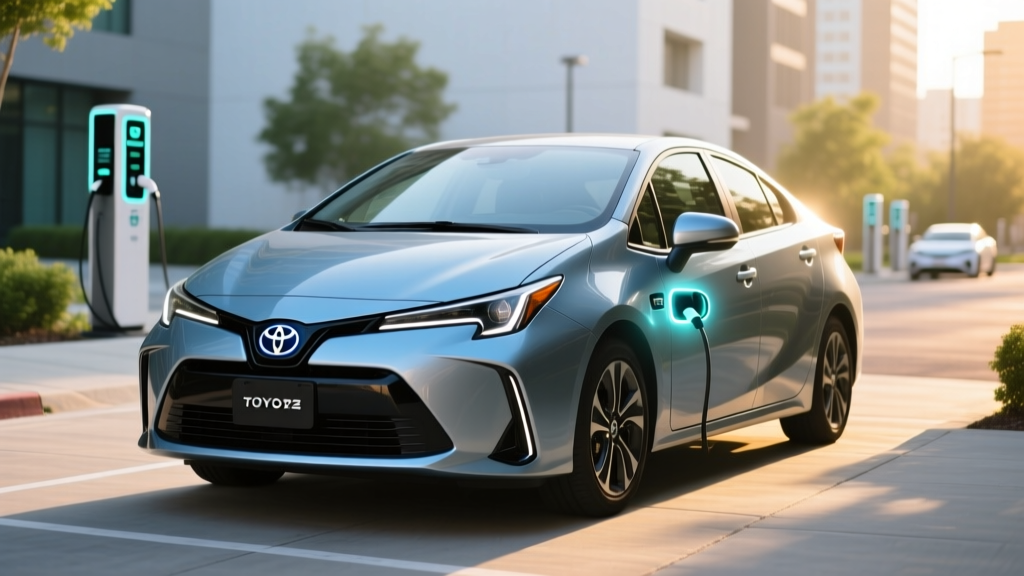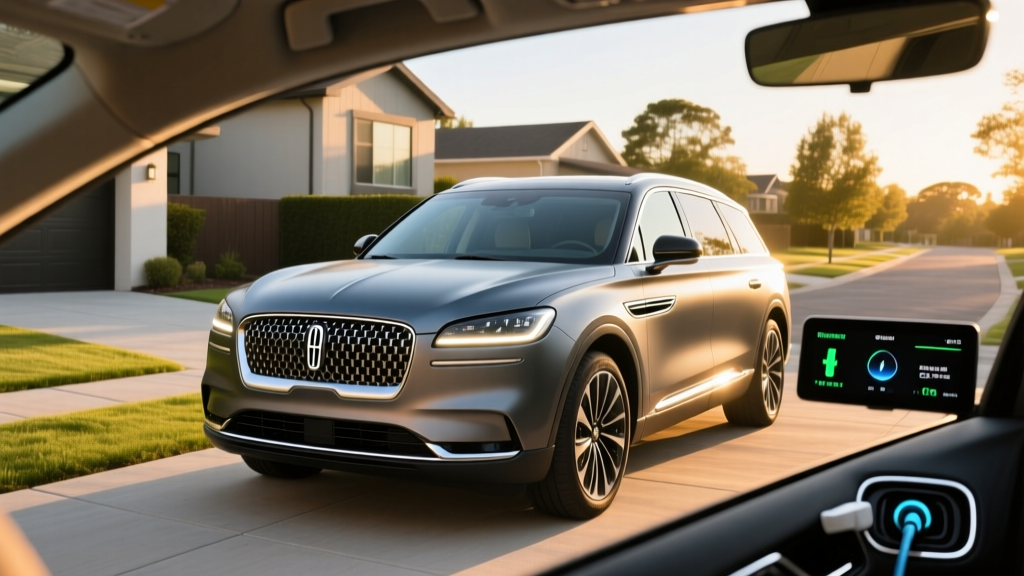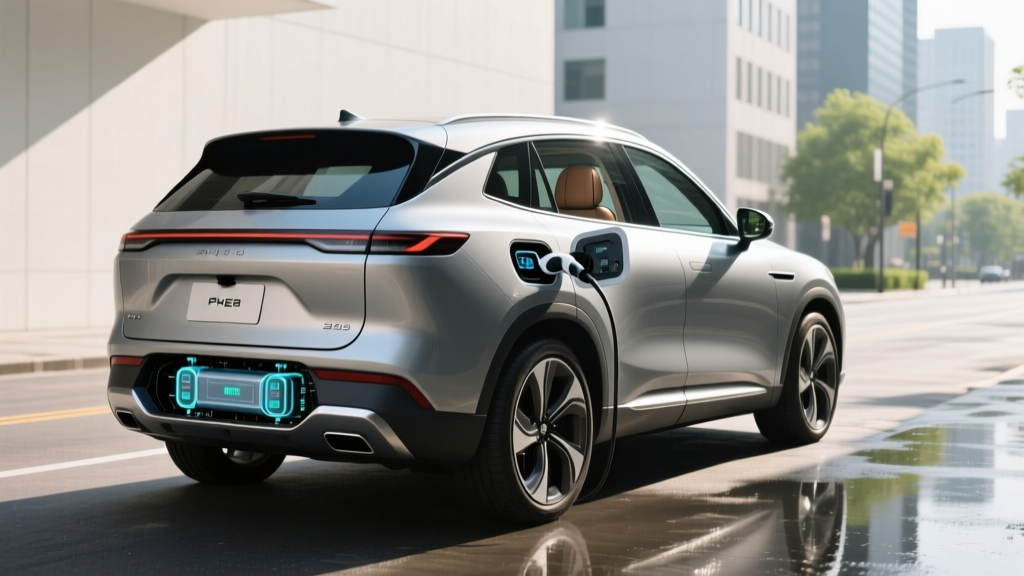
If you've been researching electrified vehicles, you've likely hit a wall of overlapping terminology: hybrid, plug-in hybrid, PHEV, HEV, range extender. The core question — how do plug-in hybrids work — is straightforward once you separate the powertrain architecture from the marketing. A plug-in hybrid electric vehicle (PHEV) pairs a gasoline engine with a larger battery and electric motor than a conventional hybrid, giving you a meaningful electric-only driving range before the engine ever turns on. You can plug it in to recharge that battery, or simply fill it with gas and drive it like a regular hybrid.
This guide breaks down exactly how the system operates, what the real-world numbers look like across popular 2026 PHEV models, and whether a plug-in hybrid fits your driving pattern better than a full battery-electric vehicle (BEV) or a conventional hybrid (HEV).
The PHEV Powertrain: Two Cars in One
A plug-in hybrid is essentially a conventional hybrid with a significantly larger battery pack and a more powerful electric motor. Here's how the system operates across different driving scenarios:
- Electric-only mode (EV mode): The vehicle runs purely on battery power using the electric motor. The gasoline engine stays off. Typical PHEV electric-only range in 2026 models spans 25 to 50 miles depending on battery size and vehicle weight.
- Hybrid mode: Once the battery depletes below a set threshold (usually around 10-15% state of charge), the gasoline engine engages. The car then operates like a conventional hybrid — blending engine and motor power, capturing energy through regenerative braking, and shutting the engine off at stops.
- Blended mode: Under hard acceleration, most PHEVs combine both the electric motor and gasoline engine simultaneously for maximum power output, even if the battery isn't depleted.
- Regenerative braking: Every time you decelerate or brake, the electric motor reverses direction, acting as a generator to feed energy back into the battery. This extends range in both EV and hybrid modes.
The critical hardware difference between a PHEV and an HEV is battery capacity. A conventional hybrid like the 2026 Toyota Prius carries roughly 0.9 kWh of usable battery. A PHEV like the 2026 Toyota RAV4 Prime carries 14.9 kWh — over 16 times more energy storage. That's what enables the electric-only driving range.
HEV vs PHEV: Key Hardware Differences
| Feature | Conventional Hybrid (HEV) | Plug-In Hybrid (PHEV) |
|---|---|---|
| Battery capacity (usable) | 0.5 – 1.5 kWh | 11 – 26 kWh |
| Electric-only range | 1 – 2 miles at low speed | 25 – 50+ miles |
| Plug-in charging | No — charges via engine and regen only | Yes — Level 1 (120V) and Level 2 (240V) |
| DC fast charging | N/A | Rare; some 2026 models support it |
| Electric motor power | 30 – 80 kW | 70 – 150+ kW |
| Federal tax credit (§30D) | Not eligible | Up to $7,500 (if eligible) |
| Typical price premium over gas model | $1,500 – $3,000 | $5,000 – $12,000 |
Real PHEV Specs: 2026 Models Compared
Theory only goes so far. Here's how the most popular plug-in hybrids on the US market in 2026 actually perform, with EPA-certified numbers and real-world context.
| Model | Battery (kWh) | EV Range (mi) | Combined HP | MPG (gas) | MPGe (elec) | 0-60 mph | Base MSRP |
|---|---|---|---|---|---|---|---|
| Toyota RAV4 Prime | 14.9 | 42 | 302 | 38 | 94 | 5.7s | $44,500 |
| Chrysler Pacifica PHEV | 16.0 | 32 | 260 | 30 | 82 | 7.1s | $51,000 |
| Hyundai Tucson PHEV | 13.8 | 33 | 261 | 35 | 80 | 7.2s | $39,500 |
| Jeep Wrangler 4xe | 17.3 | 22 | 375 | 20 | 49 | 6.0s | $53,000 |
| BMW X5 xDrive50e | 25.7 | 38 | 483 | 27 | 56 | 4.6s | $73,000 |
| Toyota Prius Prime | 10.9 | 44 | 220 | 52 | 127 | 6.6s | $34,000 |
Sources: fueleconomy.gov (EPA), manufacturer spec pages. EV range and MPG figures are EPA estimates; real-world results vary with temperature, terrain, and driving style.
Electric-Only Range: What You Actually Get
The EPA electric-range sticker is measured under controlled conditions. In practice, expect the following adjustments:
- City driving (stop-and-go): You'll typically match or slightly exceed EPA EV range thanks to frequent regenerative braking recapturing energy.
- Highway driving (65-75 mph): Expect 15-25% less than the EPA EV range. Aerodynamic drag and sustained high speeds drain the battery faster.
- Cold weather (below 32°F): Battery chemistry slows, cabin heating draws significant power, and EV range drops 20-35%. A RAV4 Prime rated at 42 miles may deliver 28-30 miles in January in Minnesota.
- Hilly terrain: Uphill segments consume range rapidly; downhill regen partially recovers it. Net effect is usually 10-15% range loss on hilly routes.
For a commuter with a 20-mile round trip and home charging, even cold-weather PHEV range is usually sufficient to cover daily driving without burning a drop of gasoline. That's the core value proposition: electric for daily commuting, gas for road trips.
Charging a PHEV: What You Need to Know
PHEV batteries are small enough that charging infrastructure requirements are modest compared to full EVs.
| Charging Level | Power (kW) | Connector | Time to Full (typical PHEV) | Miles of EV Range per Hour |
|---|---|---|---|---|
| Level 1 (120V outlet) | 1.2 – 1.4 kW | Standard J1772 | 8 – 14 hours | 4 – 6 mi/hr |
| Level 2 (240V home/work) | 3.3 – 7.2 kW | J1772 (or NACS on select models) | 2 – 4.5 hours | 12 – 25 mi/hr |
| DC Fast Charge | 25 – 50 kW (rare) | CCS or NACS | 30 – 45 min (10-80%) | Not typical on most PHEVs |
Key practical note: Most PHEVs in 2026 do not support DC fast charging. The Mitsubishi Outlander PHEV is a notable exception, accepting up to 22 kW DC — still far below the 150-350 kW rates common on full EVs. For most PHEV owners, a standard 120V outlet (Level 1) is sufficient to recharge overnight given the small battery. A Level 2 home charger is a luxury, not a necessity, for PHEV ownership.
Charging cost is low. A 15 kWh PHEV battery charged at the US average electricity rate of $0.16/kWh costs about $2.40 for a full charge, yielding 30-40 miles of electric driving — roughly 6-8 cents per mile. Compare that to gasoline at $3.40/gallon in a 30 MPG vehicle, which costs about 11 cents per mile.
Fuel Economy: EPA vs. Real-World MPG
PHEV fuel economy is uniquely complex because you're tracking two numbers: electric efficiency (MPGe) and gasoline efficiency (MPG once the battery is depleted).
| Model | EPA Combined MPG (gas) | EPA City MPG | EPA Highway MPG | Real-World Combined (observed) |
|---|---|---|---|---|
| Toyota Prius Prime | 52 | 55 | 48 | 50 – 58 (city-biased drivers) |
| Toyota RAV4 Prime | 38 | 40 | 36 | 35 – 42 |
| Hyundai Tucson PHEV | 35 | 37 | 33 | 32 – 38 |
| Chrysler Pacifica PHEV | 30 | 32 | 28 | 27 – 33 |
| Jeep Wrangler 4xe | 20 | 21 | 19 | 17 – 22 |
| BMW X5 xDrive50e | 27 | 28 | 25 | 24 – 29 |
Hybrids — and by extension PHEVs in hybrid mode — often exceed EPA city estimates in real-world driving because stop-and-go traffic maximizes regenerative braking. Highway numbers tend to track closely with EPA or fall slightly short due to aerodynamic drag at higher speeds. The Jeep Wrangler 4xe's low MPG is a function of its boxy aerodynamics and 5,000+ lb curb weight; the trade-off is 375 combined horsepower and genuine off-road capability.
Pricing, Tax Credits, and Total Cost
PHEVs carry a price premium over their gas-only counterparts, but federal incentives can significantly close the gap.
Federal §30D Tax Credit for PHEVs (2026 Rules)
Under IRS §30D, qualifying new PHEVs can receive up to $7,500 in federal tax credit, subject to strict requirements:
- Battery capacity: Must be at least 7 kWh (most PHEVs qualify)
- MSRP cap: SUVs, vans, and trucks capped at $80,000; sedans at $55,000
- Buyer income cap: AGI ≤ $300,000 (joint), $225,000 (head of household), $150,000 (single)
- Battery sourcing: Critical minerals and battery components must meet escalating domestic/free-trade-partner percentages that tighten annually
- Point-of-sale transfer: As of 2024+, you can transfer the credit to the dealer for an immediate price reduction at purchase
Source: IRS.gov — Clean Vehicle Credits. Eligibility varies by model, VIN, and buyer tax situation. Consult a tax professional.
As of early 2026, the Chrysler Pacifica PHEV, Jeep Wrangler 4xe, and Ford Escape PHEV have been among models qualifying for partial or full credits depending on battery-sourcing compliance. The Toyota RAV4 Prime and Prius Prime, assembled in Japan, have faced tighter sourcing restrictions — always verify current eligibility at fueleconomy.gov before purchasing.
When a PHEV qualifies for the full $7,500 credit via point-of-sale transfer, the effective price of a $39,500 Hyundai Tucson PHEV drops to roughly $32,000 — competitive with many gas-only compact SUVs once you factor in fuel savings.
Battery Longevity, Warranty, and Replacement Cost
PHEV battery anxiety is common but largely misplaced when you examine warranty coverage and degradation data.
PHEV Battery Warranty Coverage (2026 Models)
| Manufacturer | Hybrid/PHEV Battery Warranty | Capacity Retention Threshold |
|---|---|---|
| Toyota | 10 years / 150,000 miles | Below ~70% of original capacity |
| Hyundai / Kia | 10 years / 100,000 miles | Below ~70% capacity |
| Stellantis (Jeep, Chrysler) | 8 years / 100,000 miles | Below ~70% capacity |
| BMW | 8 years / 80,000 miles | Below 70% capacity |
| Ford | 8 years / 100,000 miles | Below ~70% capacity |
PHEV batteries experience less stress than full EV batteries for two reasons: (1) the usable window is smaller (the car buffers more of the pack to prevent deep discharge), and (2) daily cycling is shallow — a 30-mile commute uses maybe 60-70% of the pack. Data from fleet PHEVs shows typical degradation of 8-12% over 100,000 miles, meaning a PHEV rated at 35 EV miles when new might deliver 30-32 miles at 100,000 miles.
If a battery does fail out of warranty, replacement costs in 2026 range from approximately $4,000 to $9,000 depending on the model, including parts and labor. Toyota and Hyundai batteries tend to be on the lower end due to higher parts availability. BMW and European luxury PHEV batteries sit at the higher end. Third-party refurbishment options are increasingly available for $2,500-$5,000.
Who Should Buy a PHEV vs. a Full EV or HEV?
The right choice depends on your charging access, daily mileage, and road-trip frequency.
PHEV Advantages
- Electric commuting with zero range anxiety on road trips
- No dependence on public charging infrastructure
- Lower purchase price than most comparable full EVs
- Eligible for federal tax credit (many models)
- Excellent city MPG even when battery is depleted
- Gas engine provides heat in extreme cold without range penalty
PHEV Limitations
- Two systems to maintain (engine + electric powertrain)
- Heavier than gas-only equivalent (battery + motor weight)
- Electric range insufficient for drivers with 50+ mile commutes
- DC fast charging mostly unavailable — long road trips run on gas
- Oil changes, spark plugs, and transmission service still required
- Tax credit eligibility varies by model and buyer income
Decision Framework
Choose a PHEV if: You have home or workplace charging, your daily round-trip commute is under 40 miles, you take road trips of 200+ miles more than a few times per year, and you want to reduce fuel consumption without depending on public DC charging networks.
Choose a full EV (BEV) if: You have reliable home Level 2 charging, your daily driving is under 250 miles, you want to eliminate oil changes and engine maintenance entirely, and you're comfortable planning DC fast-charge stops on road trips.
Choose a conventional HEV if: You cannot charge at home or work, you want maximum fuel efficiency with zero behavior change, and you want the lowest possible purchase price among electrified options.
Frequently Asked Questions
Do plug-in hybrids charge themselves while driving?
Partially. The gasoline engine and regenerative braking replenish the battery during driving, but only enough to maintain hybrid operation — they will not fully recharge a depleted PHEV battery. To restore the full electric-only range, you need to plug into an external power source (Level 1 or Level 2).
What happens if I never plug in a PHEV?
The car functions as a conventional hybrid. You'll get solid MPG (see the gas-mode column above), but you'll miss the entire value proposition: cheap electric commuting. You'll also pay a purchase premium for battery capacity you never use. If you can't plug in regularly, a conventional HEV is a better financial choice.
How long does a PHEV battery last?
Based on current fleet data and warranty structures, expect 12-15 years or 150,000+ miles before a PHEV battery degrades to the point of noticeable range loss (below 70% capacity). Federal warranty requirements mandate at least 8 years / 80,000 miles of coverage on PHEV batteries, and most manufacturers exceed this.
Are plug-in hybrids reliable compared to gas cars?
PHEVs have more components than gas cars (adding a large battery, electric motor, power electronics, and charging hardware), but Toyota and Hyundai PHEVs consistently earn above-average reliability ratings from Consumer Reports and J.D. Power. The electric powertrain itself has fewer moving parts than a conventional transmission. The gasoline engine in a PHEV often runs less than in a pure gas car, reducing wear.
Do PHEVs qualify for HOV lane access?
In many states, yes. California, New York, New Jersey, and several others grant HOV/carpool lane stickers to qualifying PHEVs, often regardless of passenger count. Eligibility and sticker availability vary by state and can have income caps. Check your state DMV for current rules.
Can I tow with a plug-in hybrid?
Yes, but towing capacity is typically lower than the gas equivalent due to added powertrain weight and battery thermal limits. The RAV4 Prime tows up to 1,500 lbs; the Jeep Wrangler 4xe tows up to 3,500 lbs. Towing also dramatically reduces electric-only range — expect 50-70% range reduction when towing near capacity.