The Honda CR-Z in 2026: A Used-Hybrid Wildcard
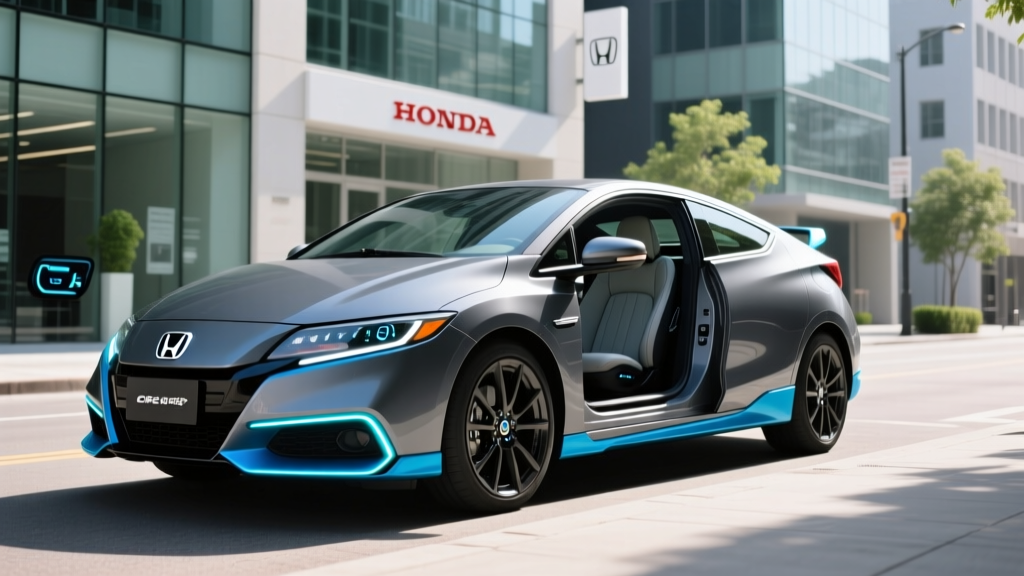
The Honda CR-Z was a two-seat sport hybrid coupe produced from 2011 to 2016. If you're searching for a Honda hybrid CR-Z today, you're looking at the used market — Honda discontinued the model nearly a decade ago. But with used EV and hybrid prices softening and enthusiast interest in lightweight coupes holding steady, the CR-Z occupies a niche that still attracts buyers who want a fun, efficient commuter without full EV commitment.
This guide covers exactly what the CR-Z delivers in fuel economy, battery longevity, ownership costs, and how it stacks up against the modern hybrids and plug-in hybrids you can buy new in 2026.
EPA Fuel Economy: Real MPG Numbers
The CR-Z used Honda's Integrated Motor Assist (IMA) system — a mild hybrid setup where a small electric motor assists the gasoline engine rather than driving the wheels independently. This matters because mild hybrids deliver smaller efficiency gains than the full parallel hybrid systems in a modern Toyota Prius or Honda Accord Hybrid.
| Model Year / Transmission | City MPG | Highway MPG | Combined MPG |
|---|---|---|---|
| 2011–2012 CVT | 35 | 39 | 37 |
| 2011–2012 6-Speed Manual | 31 | 37 | 33 |
| 2013–2016 CVT | 36 | 39 | 37 |
| 2013–2016 6-Speed Manual | 31 | 38 | 34 |
Source: EPA / fueleconomy.gov
HEV vs. PHEV vs. EV: Where the CR-Z Fits
The CR-Z is a conventional hybrid (HEV). It cannot be plugged in. Its small nickel-metal hydride (NiMH) battery recharges through regenerative braking and the gasoline engine. There is no electric-only driving mode and no external charging port.
| Feature | HEV (CR-Z) | PHEV (e.g., Toyota Prius Prime) | BEV (e.g., Chevy Equinox EV) |
|---|---|---|---|
| Plug-in charging | No | Yes (Level 1 & 2) | Yes (Level 1, 2 & DC) |
| Electric-only range | 0 miles | ~44 miles | ~315 miles |
| Combined MPG / MPGe | 33–37 MPG | 48 MPG / 114 MPGe | ~310 MPGe |
| Federal tax credit (new) | None | Up to $7,500 (§30D) | Up to $7,500 (§30D) |
| Home charging install | Not needed | $500–$2,000 (Level 2) | $500–$2,000+ (Level 2) |
If you're deciding between a used CR-Z and a new electrified vehicle, the choice comes down to budget and daily driving:
- Choose the CR-Z if your budget is under $12,000, you want a lightweight sport coupe, and you don't need more than 37 MPG combined.
- Choose a new PHEV if you can charge at home, want 30–50 miles of electric-only commuting, and qualify for the §30D federal tax credit.
- Choose a full EV if you have home charging access, drive under 300 miles daily, and want to eliminate gasoline costs entirely.
Powertrain Specs: IMA System Explained
| Specification | 2013–2016 Honda CR-Z (CVT) |
|---|---|
| Engine | 1.5L inline-4 i-VTEC |
| Electric motor | IMA integrated motor assist (10 kW / ~13 hp) |
| Combined horsepower | 130 hp @ 6,000 rpm |
| Combined torque | 140 lb-ft (CVT) / 127 lb-ft (MT) |
| Transmission | CVT or 6-speed manual |
| 0–60 mph | ~9.7 seconds (CVT) |
| Curb weight | ~2,850 lbs |
| Drivetrain | Front-wheel drive |
The CR-Z's IMA system is fundamentally different from Honda's modern two-motor hybrid system used in the Accord and CR-V Hybrid. The IMA motor sits between the engine and transmission, providing torque fill during acceleration and enabling engine stop-start at idle. It cannot propel the car on electric power alone. The result is a driving experience that feels like a slightly peppery gas car with seamless regenerative braking — not the distinct EV-mode transitions you get in modern full hybrids.
Honda did offer a "Sport" mode button (alongside Normal and Econ) that sharpened throttle response and increased IMA assist, trading fuel economy for responsiveness. In Sport mode with the manual transmission, the CR-Z was genuinely engaging on back roads, though 130 hp keeps acceleration modest by any standard.
IMA Battery Health, Warranty, and Replacement Cost
How Long Does the IMA Battery Last?
The CR-Z uses a nickel-metal hydride (NiMH) IMA battery pack rated at approximately 0.67 kWh — tiny by modern standards but sufficient for mild-hybrid assist duties. Real-world data from CR-Z owner communities and hybrid battery shops indicates:
- Typical lifespan: 10–15 years or 120,000–180,000 miles before significant degradation triggers an IMA warning light.
- Failure pattern: NiMH cells degrade gradually. You'll notice reduced assist, lower regen capability, and eventually an IMA system warning on the dash. The car remains drivable on the gasoline engine alone.
- Age risk in 2026: Even the newest 2016 CR-Z is now 10 years old. Battery degradation is likely a factor for any unrefurbished example.
IMA Battery Replacement Cost
If the IMA battery fails, replacement options include:
- OEM Honda replacement: $2,000–$3,000 (parts + labor at a dealership)
- Aftermarket / refurbished pack: $1,200–$1,800 from hybrid battery specialists
- Individual cell replacement: $500–$900 if only specific cells are weak (requires diagnostic capability)
Given that a well-maintained 2014–2016 CR-Z sells for $8,000–$13,000 on the used market in 2026, a $2,000+ battery replacement is a meaningful percentage of the car's value. Always ask whether the IMA battery has been replaced or tested before purchasing.
12-Volt Battery: The Hidden Gotcha
Separately from the IMA pack, the CR-Z has a conventional 12V lead-acolic battery that powers electronics and starts the system. Because the IMA system manages charge cycles differently, the 12V battery in a CR-Z can fail without the typical "slow crank" warning you'd get in a gas car. Budget $150–$250 for a replacement 12V battery every 4–5 years, and don't be surprised if a used CR-Z needs one at purchase.
Tax Credits and Used-EV Incentives
The Honda CR-Z does not qualify for the federal §30D new clean vehicle credit — it was never a plug-in vehicle, and the credit applies only to new purchases of qualifying EVs and PHEVs. When the CR-Z was new, no federal hybrid tax credit existed for conventional (non-plug-in) hybrids after the earlier Honda Civic Hybrid credit expired.
For the Used Clean Vehicle Credit (§25E, up to $4,000), the CR-Z also does not qualify. That credit requires the vehicle to be a plug-in EV or PHEV with a battery capacity of at least 7 kWh. The CR-Z's 0.67 kWh NiMH pack falls far short.
Some states and utilities offer rebates for purchasing any used hybrid or efficient vehicle — check with your local air quality district or utility provider, but these programs are uncommon and vary by jurisdiction.
Who Should Buy the Honda CR-Z Hybrid?
Pros
- Lightweight (~2,850 lbs) and genuinely fun on winding roads, especially with the 6-speed manual
- Distinctive two-seat coupe styling that still turns heads
- No plug-in required — fuel it like any gas car
- 36–37 MPG combined (CVT) reduces fuel costs vs. a typical gas coupe
- Low purchase price on the used market ($8K–$13K)
- Honda reliability for the engine and transmission
Cons
- IMA battery likely at end-of-life; $1,200–$3,000 replacement risk
- No electric-only mode — not a PHEV or EV
- Modest 130 hp; 0–60 in ~9.7 seconds
- Only two seats; limited cargo (22.5 cu ft behind seats)
- No federal or state tax credit eligibility
- Outdated infotainment; no Apple CarPlay/Android Auto
- MPG trails modern hybrids by 10–15 MPG combined
The Verdict
The CR-Z makes sense as a budget-friendly, fun commuter for someone who values driving engagement over maximum efficiency and doesn't need rear seats. It does not make sense as a primary strategy for reducing fuel costs or emissions — a 2026 Toyota Prius delivers 57 MPG combined for ~$29,000 new, and a Prius Prime PHEV gives you 44 electric-only miles plus the potential $7,500 federal credit.
If you're set on the CR-Z, prioritize a 2014–2016 model (updated styling, slightly revised IMA tuning), confirm the IMA battery has been tested or replaced, and factor a potential $1,500–$2,000 battery reserve into your purchase budget.
Frequently Asked Questions
How many MPG does the Honda CR-Z hybrid get?
The EPA rates the 2013–2016 CR-Z with CVT at 36 city / 39 highway / 37 combined MPG. The 6-speed manual version rates 31 city / 38 highway / 34 combined. Real-world results vary: city driving with frequent stops maximizes IMA assist and can match or slightly beat the EPA city number, while sustained 75+ mph highway driving may drop the manual variant to 32–34 MPG.
Is the Honda CR-Z a plug-in hybrid?
No. The CR-Z is a conventional hybrid (HEV). It has no charging port and cannot be plugged in. Its small NiMH battery recharges exclusively through regenerative braking and the gasoline engine. It has zero electric-only driving range.
How far can the CR-Z go on electric power alone?
Zero miles. The IMA system cannot drive the wheels independently. The electric motor only assists the gasoline engine during acceleration and enables idle stop-start. You will always be burning gasoline when the CR-Z is moving under power.
Is the Honda CR-Z hybrid reliable?
The 1.5L i-VTEC engine and Honda manual transmission are known for high reliability well past 200,000 miles. The CVT is also generally durable. The primary reliability concern is the IMA NiMH battery pack, which is now 10–15 years old in most examples and may require a $1,200–$3,000 replacement. Overall, mechanical reliability is strong; hybrid-system risk is the main variable.
What does an IMA battery replacement cost for the CR-Z?
An OEM Honda IMA battery replacement runs $2,000–$3,000 installed at a dealership. Aftermarket refurbished packs are available for $1,200–$1,800. Individual cell-level repair can cost $500–$900 but requires a specialist with IMA diagnostic tools.
Does the Honda CR-Z qualify for any tax credit?
No. The CR-Z does not qualify for the federal §30D new vehicle credit or the §25E used clean vehicle credit. It is a conventional hybrid with a 0.67 kWh battery — far below the 7 kWh minimum for the used credit, and it was never eligible for new-vehicle plug-in credits. Some local utility or state programs may offer small incentives for purchasing efficient used vehicles, but these are jurisdiction-specific.
How does the CR-Z compare to a modern Honda hybrid?
The 2026 Honda Accord Hybrid produces 204 hp and achieves 48 MPG combined — significantly more power and 11 more MPG than the CR-Z. The 2026 Honda CR-V Hybrid delivers 204 hp and 40 MPG combined in an SUV package. Both use Honda's modern two-motor hybrid system, which provides genuine electric-only low-speed driving and seamless transitions. The CR-Z cannot match either on efficiency, power, or technology, but it offers a lighter, sportier driving experience at a fraction of the price.
Should I buy a CR-Z or a full EV?
If you have home Level 2 charging, drive under 300 miles daily, and want to minimize operating costs, a used EV like a 2020–2023 Chevy Bolt (259-mile range, $12,000–$18,000 used) will deliver far lower per-mile fuel costs and no gasoline dependency. The CR-Z only makes sense if you lack reliable charging access, prefer the engagement of a manual transmission, or want a lightweight coupe that no current EV offers.