Quick Verdict: A Luxury PHEV That Actually Commutes on Electrons
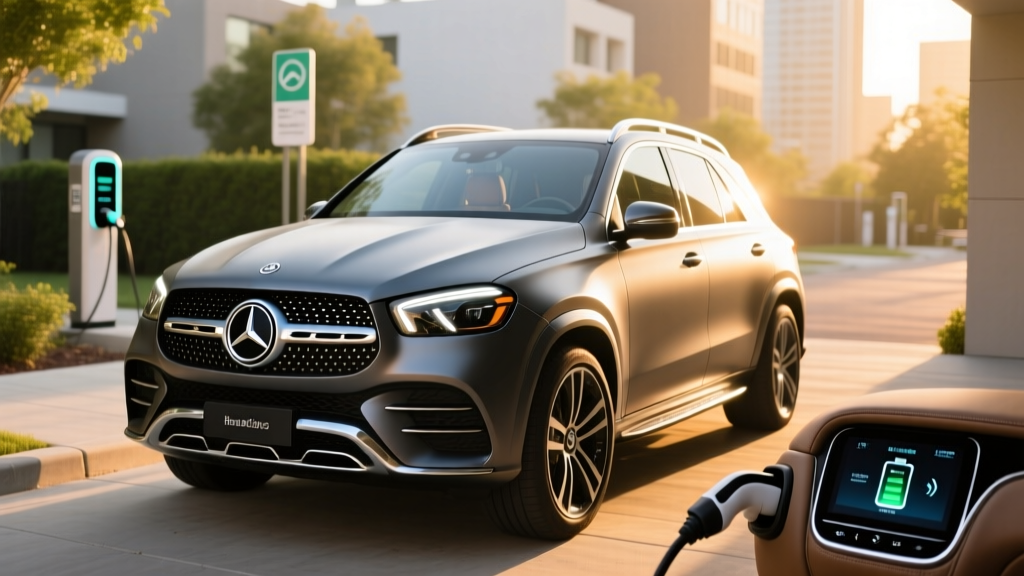
The 2026 Mercedes-Benz GLE 450e 4MATIC plug-in hybrid occupies a specific niche: buyers who want three-row-capable luxury, daily electric commuting, and the freedom to road-trip without charging anxiety. With an EPA-estimated 48 miles of electric-only range and a combined 56 MPGe, it outpaces most luxury PHEV SUVs in zero-emission daily utility. But at a starting MSRP around $64,750 (before destination), the math only works if you can charge at home and keep most weekday driving under 45 miles.
This guide breaks down the powertrain specs, real-world efficiency, charging logistics, federal tax credit eligibility under current IRS §30D rules, and long-term battery ownership costs — everything needed to decide whether the GLE 450e fits your garage or whether a full BEV or conventional hybrid makes more sense.
GLE 450e Powertrain: What's Under the Hood
The GLE 450e pairs a turbocharged 2.0-liter inline-four gasoline engine with a permanently excited synchronous electric motor integrated into the 9G-TRONIC nine-speed automatic transmission. Combined output is 375 horsepower and 480 lb-ft of torque, routed through Mercedes' 4MATIC all-wheel-drive system.
| Component | Specification |
|---|---|
| Gas Engine | 2.0L turbocharged inline-4 (208 hp / 258 lb-ft) |
| Electric Motor | 100 kW (134 hp / 325 lb-ft) |
| Combined System Output | 375 hp / 480 lb-ft |
| Transmission | 9-speed automatic (9G-TRONIC) |
| Drivetrain | 4MATIC AWD |
| 0–60 mph | 5.8 seconds (manufacturer est.) |
| Towing Capacity | Up to 7,700 lbs (properly equipped) |
The electric motor sits between the engine and transmission, enabling pure electric propulsion without the engine engaging — a key differentiator from some PHEVs where the gas engine fires up under hard acceleration regardless of battery charge. In Electric mode, the GLE 450e can sustain highway speeds up to roughly 87 mph on battery alone before the engine intervenes.
Electric Range, MPGe, and Real-World Efficiency
The GLE 450e's 23.3 kWh lithium-ion battery (usable capacity approximately 19.6 kWh) delivers an EPA-estimated 48 miles of electric-only range and a combined 56 MPGe when operating in electric mode. Once the battery depletes, the SUV operates as a conventional hybrid, returning an EPA-estimated 25 MPG combined.
EPA electric range: 48 miles
Real-world expectation: 38–44 miles in mixed driving; 32–38 miles in cold weather (below 35°F) or sustained highway speeds above 70 mph. Cabin heating and high-speed aerodynamic drag are the two biggest range killers in PHEVs.
| Mode | City | Highway | Combined |
|---|---|---|---|
| Electric (MPGe) | 58 MPGe | 54 MPGe | 56 MPGe |
| Gas-Only Hybrid (MPG) | 24 MPG | 26 MPG | 25 MPG |
| Total Combined Range | ~480 miles (electric + gas tank) | ||
For context, a driver with a 20-mile round-trip commute and home Level 2 charging could go weeks without the engine starting on weekdays. The gasoline engine serves as a seamless fallback for longer trips, eliminating the charging-desert risk that pure BEV buyers in rural areas still face.
Charging the GLE 450e: Level 1, Level 2, and the DC Fast-Charging Gap
The GLE 450e supports AC charging via a J1772 connector (the standard for non-Tesla PHEVs in the US). Mercedes equips it with an onboard charger rated at 7.4 kW, meaning a full Level 2 charge from 0–100% takes approximately 2.75 hours.
| Charging Level | Power (kW) | 0–100% Time | Miles of EV Range Per Hour |
|---|---|---|---|
| Level 1 (120V household) | ~1.4 kW | ~14 hours | ~3–4 miles |
| Level 2 (240V, 32A) | 7.4 kW | ~2.75 hours | ~17 miles |
| DC Fast Charging | Not supported | N/A | N/A |
Critical note: The GLE 450e does not support DC fast charging (CCS or NACS). This is typical for PHEVs — the smaller battery makes DC infrastructure cost-prohibitive for manufacturers. For daily use, a home Level 2 charger (240V, 32–40A circuit) is the practical solution. Expect to budget $500–$1,800 for a quality Level 2 home charger unit plus $600–$2,500 for professional electrical installation, depending on whether your panel needs an upgrade or a new 240V circuit run.
Preconditioning the battery while plugged in — a feature accessible through the Mercedes me connect app — warms the cabin and battery on cold mornings using grid power rather than battery energy, preserving your electric range for actual driving.
HEV vs. PHEV vs. Full EV: Which Powertrain Fits You?
No plug. Charges via regenerative braking and the engine. Think Toyota Highlander Hybrid. Best for: drivers without home charging access who want better MPG without behavioral change.
Plugs in for 20–50 miles of electric range, then operates as a hybrid. The GLE 450e lives here. Best for: home-charging-capable drivers who commute short distances but take regular road trips.
No gas engine. 250–400+ miles of range. Think Tesla Model X or Rivian R1S. Best for: drivers committed to full electrification with reliable home charging and tolerance for trip-planning on long drives.
The GLE 450e PHEV makes the most sense if your weekday driving stays under 45 miles and you have a garage or driveway where a Level 2 charger can be installed. If you routinely drive 80+ miles daily and can charge at home, a full BEV like the BMW iX or Tesla Model X may save more on fuel over five years. If you can't charge at home at all, a conventional HEV (like the Toyota Grand Highlander Hybrid at 36 MPG combined) avoids the frustration of an unplugged PHEV operating at its less-efficient gas-only MPG.
Pricing, Trims, and Federal Tax Credit Eligibility
The 2026 GLE 450e 4MATIC starts at an MSRP of approximately $64,750 (including destination). Mercedes typically offers it in a single well-equipped trim with optional packages for AMG Line exterior, Driver Assistance Plus, and premium audio.
The GLE 450e may qualify for a partial or full federal tax credit of up to $7,500 under the IRS §30D clean vehicle credit, but eligibility depends on several factors that change periodically:
- MSRP cap: SUVs must be at or below $80,000 MSRP — the GLE 450e clears this.
- Buyer income cap: Modified AGI must not exceed $150,000 (single) / $300,000 (joint).
- Battery sourcing: Critical minerals and battery components must meet escalating domestic-content thresholds. Mercedes' supply chain compliance shifts by model year — verify the specific VIN on fueleconomy.gov before purchasing.
- Point-of-sale transfer: As of 2024+, the credit can be transferred to the dealer as a down-payment reduction at purchase, rather than claimed at tax time.
Many states offer additional PHEV incentives — Colorado, California, and New York have historically offered rebates or tax credits for plug-in vehicles — but these vary by jurisdiction and funding availability. Check your state energy office or AFDC state incentive database for current programs.
Battery Warranty, Longevity, and Replacement Cost
Coverage: 6 years or 62,000 miles (whichever comes first) for the high-voltage battery against defects and excessive capacity loss.
Capacity retention threshold: Mercedes typically warrants that the battery will retain at least 70% of its original capacity during the warranty period.
Note: This is shorter than the 8-year/100,000-mile warranty common among many competitors (Toyota, Hyundai, BMW). Factor this into long-term ownership planning.
PHEV batteries experience less stress than full BEV batteries because the daily depth of discharge is smaller — you're cycling through 20 kWh rather than 80–100 kWh. Real-world data from earlier Mercedes PHEVs (like the previous-generation GLE 350e) suggests these batteries retain 85–90% capacity after 5 years of typical use, though individual results vary with climate and charging habits.
If the high-voltage battery requires replacement out of warranty, expect a cost in the range of $8,000–$14,000 for the battery pack plus labor. This is lower than full BEV replacements (often $15,000–$25,000+) because the pack is smaller, but it's still a meaningful expense for second owners. Third-party hybrid battery repair shops can sometimes replace individual cell modules for $2,000–$5,000, though this voids any remaining factory warranty.
To maximize battery lifespan: avoid leaving the vehicle at 100% state of charge for extended periods in hot weather, use scheduled charging to finish charging right before departure, and rely on the built-in preconditioning feature in cold weather.
Reliability and Ownership Considerations
The GLE platform has an average reliability record in J.D. Power and Consumer Reports assessments, with most complaints centered on infotainment software glitches and minor electrical gremlins rather than powertrain failures. The PHEV powertrain adds complexity — two power sources, a high-voltage system, and additional cooling circuits — but Mercedes has been building PHEV variants of the GLE since 2016, and the major mechanical components (engine, transmission, electric motor) are proven.
Insurance costs for the GLE 450e run approximately 10–20% higher than the gas-only GLE 350 due to the higher repair costs associated with high-voltage components and the vehicle's elevated MSRP. Get a quote from your insurer before purchase — luxury PHEV insurance varies significantly by carrier.
Maintenance is lighter than a gas-only GLE: the engine runs less frequently, so oil change intervals can stretch, and regenerative braking significantly extends brake pad life (many PHEV owners report 60,000+ miles on original brake pads). Mercedes includes 2 years/20,000 miles of scheduled maintenance in the purchase price.
- 48-mile EPA electric range covers most commutes
- 375 hp with seamless electric-to-gas transitions
- 7,700-lb towing capacity (rare for PHEVs)
- No range anxiety — gas engine as fallback
- Qualifies for HOV lane access in several states
- Quiet, refined electric-mode driving
- No DC fast charging capability
- 6-year/62,000-mile battery warranty is shorter than rivals
- Gas-only MPG (25 combined) is mediocre for a hybrid
- $64,750+ starting price; options push past $80K
- Third-row seat is tight — not a true family hauler
- Tax credit eligibility uncertain due to sourcing rules
Frequently Asked Questions
How many MPG does the GLE 450e plug-in hybrid get?
When the battery is charged, the GLE 450e achieves an EPA-estimated 56 MPGe combined. Once the electric range is depleted, it operates as a conventional hybrid returning 25 MPG combined (24 city / 26 highway). Real-world results vary: drivers who charge daily and commute under 40 miles may use almost no gasoline on weekdays, while long highway trips will see 23–26 MPG depending on speed and terrain.
How far can the GLE 450e go on electric only?
The EPA rates it at 48 miles of electric-only range. In real-world mixed driving, expect 38–44 miles. Cold weather (below 35°F) and sustained highway speeds above 70 mph can reduce this to 32–38 miles. The total combined range (electric + 18.5-gallon gas tank) is approximately 480 miles.
Does the GLE 450e qualify for the $7,500 federal tax credit?
It may qualify for a partial or full credit under IRS §30D, depending on current-year battery sourcing compliance, your income, and the MSRP of your configured vehicle. The GLE 450e clears the $80,000 SUV MSRP cap and has a battery exceeding 7 kWh. However, critical-mineral and battery-component sourcing requirements tighten annually. Verify the specific vehicle's eligibility on fueleconomy.gov and consult a tax professional before relying on the credit in your purchase decision.
Is the GLE 450e reliable, and what does battery replacement cost?
The PHEV powertrain uses proven Mercedes components, and earlier GLE PHEV generations have shown acceptable battery longevity. The high-voltage battery is warranted for 6 years/62,000 miles. Out-of-warranty replacement runs approximately $8,000–$14,000. The shorter warranty period compared to competitors (many offer 8 years/100,000 miles) is a consideration for second-owner risk.
Should I buy the GLE 450e PHEV or a full electric SUV?
Choose the GLE 450e if: you commute under 45 miles daily, have home Level 2 charging, take road trips longer than 200 miles regularly, and want one vehicle for both roles. Choose a full BEV (like the BMW iX, Rivian R1S, or Tesla Model X) if: your daily driving is higher, you want zero tailpipe emissions in all conditions, you can access reliable DC fast charging for road trips, and you want lower per-mile fuel costs over a decade of ownership.
Can I charge the GLE 450e at a Tesla Supercharger?
Not directly. The GLE 450e uses a J1772 connector for AC charging and does not support DC fast charging at all. Tesla Superchargers (NACS) are DC-only. A J1772-to-NACS adapter would not enable Supercharger access because the vehicle lacks DC charge hardware. Stick to home Level 2 charging and public J1772 Level 2 stations (ChargePoint, Blink, etc.) for this PHEV.