The 2026 Genesis Hybrid Lineup at a Glance
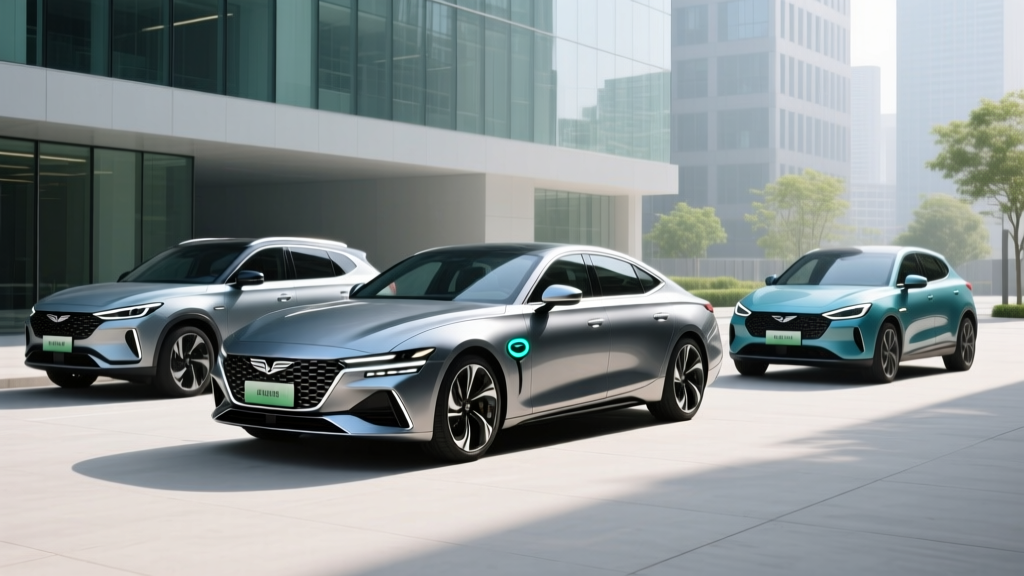
Genesis approaches electrification differently from most luxury brands. Rather than offering a conventional hybrid (HEV) across its sedan and SUV lineup, the automaker has focused on plug-in hybrid (PHEV) and fully electric (BEV) variants of its most popular models. If you're researching Genesis hybrid models for the 2026 model year, you're primarily looking at two vehicles with plug-in capability — the G80 Electrified sedan and the Electrified GV70 SUV — plus the fully electric GV60 crossover. Genesis does not currently sell a conventional, non-plug-in hybrid in the U.S. market.
This guide breaks down exactly what each model delivers in EPA-verified range, efficiency, charging speed, and pricing — and helps you determine which one (if any) fits your driving pattern better than a full EV or a gas-powered alternative.
Quick Primer: HEV vs. PHEV vs. BEV
| Type | Plug In? | Electric-Only Range | How It Works |
|---|---|---|---|
| HEV (Conventional Hybrid) | No | 0–2 miles at low speed | Gas engine + small motor/battery; recharges via regenerative braking. Think Toyota Prius. |
| PHEV (Plug-In Hybrid) | Yes | 20–50+ miles typical | Larger battery you can charge at home; drives on electricity first, then gas engine kicks in. |
| BEV (Battery Electric) | Yes | Full range (200–350+ mi) | No gas engine at all. 100% electric. Genesis Electrified models are BEVs. |
Note: Genesis's "Electrified" badge in the U.S. denotes a battery-electric vehicle (BEV), not a plug-in hybrid. This is a common source of confusion.
Genesis Electrified G80: Range, Efficiency & Specs
The Electrified G80 is Genesis's flagship electric sedan — a luxurious, rear-biased all-wheel-drive executive car that trades the standard G80's turbocharged engines for a dual-motor battery-electric powertrain. For 2026, it carries over with a 87.2 kWh usable battery pack and an EPA-estimated range of 282 miles.
| Specification | 2026 Electrified G80 |
|---|---|
| Powertrain | Dual-motor AWD, 365 hp / 516 lb-ft torque |
| Battery (usable) | 87.2 kWh (NMC lithium-ion) |
| EPA Range | 282 miles |
| EPA Efficiency | 91 MPGe combined (city 103 / hwy 79) |
| DC Fast Charge (peak) | ~175 kW (10–80% in ~22 min on 350 kW charger) |
| Level 2 Charge | 10.9 kW onboard charger (~9.5 hours 0–100%) |
| 0–60 mph | 4.9 seconds |
| Starting MSRP | ~$80,000 (single Advanced trim) |
| Federal Tax Credit (§30D) | Up to $7,500 — eligibility depends on battery sourcing, MSRP cap, and buyer income |
Genesis Electrified GV70: The Electric Luxury SUV
The Electrified GV70 takes the compact luxury SUV formula and swaps in the same dual-motor electric powertrain found in the G80. It's the more practical of the two Electrified models thanks to its SUV cargo area, though range takes a modest hit due to the taller, heavier body.
| Specification | 2026 Electrified GV70 |
|---|---|
| Powertrain | Dual-motor AWD, 429 hp / 516 lb-ft torque (Boost mode) |
| Battery (usable) | 77.4 kWh (NMC lithium-ion) |
| EPA Range | 236 miles |
| EPA Efficiency | 87 MPGe combined (city 98 / hwy 75) |
| DC Fast Charge (peak) | ~240 kW (10–80% in ~18 min on 350 kW charger) |
| Level 2 Charge | 10.9 kW onboard charger (~8 hours 0–100%) |
| 0–60 mph | 4.2 seconds (Boost mode) |
| Starting MSRP | ~$67,000 (Advanced) / ~$73,000 (Prestige) |
| Federal Tax Credit (§30D) | Up to $7,500 — subject to sourcing and income rules |
The GV70's 240 kW peak DC charging speed is a standout — it charges faster than the G80 sedan despite having a smaller battery. The charge curve tapers significantly above 80% state of charge (SoC), as is standard for NMC chemistry, so plan your road-trip stops around 10–80% sessions for optimal speed.
Genesis GV60: The Ground-Up Electric Crossover
Built on Hyundai Motor Group's dedicated E-GMP electric platform (shared with the Ioniq 5 and EV6), the GV60 is the most efficient and quickest-charging Genesis electrified model. It's smaller than the GV70 but offers the most modern EV architecture.
| Specification | 2026 GV60 (Advanced AWD) |
|---|---|
| Powertrain | Dual-motor AWD, 314 hp / 446 lb-ft torque |
| Battery (usable) | 77.4 kWh (NMC lithium-ion) |
| EPA Range | 248 miles (Advanced AWD) |
| EPA Efficiency | 92 MPGe combined |
| DC Fast Charge (peak) | ~240 kW (10–80% in ~18 min) |
| Level 2 Charge | 10.9 kW onboard charger |
| 0–60 mph | 5.3 seconds |
| Starting MSRP | ~$53,000 (Standard RWD) / ~$61,000 (Advanced AWD) |
| Federal Tax Credit (§30D) | Up to $7,500 — verify current-year eligibility at IRS.gov |
MPG, MPGe & Efficiency Compared
Because all three Genesis electrified models are battery-electric (not hybrids), they don't have an MPG rating in the traditional sense. Instead, the EPA rates them in MPGe (miles per gallon equivalent), which converts electricity consumption into a gasoline-equivalent figure for comparison purposes. Here's how they stack up against each other and against a typical gas-powered luxury competitor:
| Model | City | Highway | Combined | kWh/100 mi |
|---|---|---|---|---|
| GV60 Advanced AWD | 100 MPGe | 83 MPGe | 92 MPGe | 36 |
| Electrified G80 | 103 MPGe | 79 MPGe | 91 MPGe | 37 |
| Electrified GV70 | 98 MPGe | 75 MPGe | 87 MPGe | 39 |
| Gas G80 2.5T AWD (baseline) | 22 mpg | 32 mpg | 26 mpg | N/A |
What this means in practice: At the U.S. average electricity rate of ~$0.16/kWh, driving the Electrified G80 costs roughly $5.92 per 100 miles. The gas G80 2.5T at $3.40/gallon costs about $8.84 per 100 miles. Over 15,000 miles annually, that's roughly $438 in annual fuel savings for the electric model — meaningful, though not dramatic at luxury-car price points. The real savings come from reduced maintenance (no oil changes, fewer brake replacements due to regenerative braking).
Federal Tax Credit Eligibility for Genesis Electrified Models
The federal §30D Clean Vehicle Credit offers up to $7,500 for qualifying new EVs, but eligibility hinges on several factors that change regularly:
- MSRP Cap: SUVs (GV70, GV60) must be under $80,000; sedans (G80) under $55,000. The Electrified G80 at ~$80,000 may exceed the sedan cap — verify current classification with your dealer, as the IRS classifies vehicles by body type.
- Buyer Income Limits: Modified AGI must not exceed $300,000 (joint), $225,000 (head of household), or $150,000 (single).
- Battery Sourcing: The $7,500 credit splits into two $3,750 halves — one for critical-minerals sourcing and one for battery-component assembly. Vehicles that meet only one requirement qualify for $3,750. Sourcing rules tighten annually.
- Point-of-Sale Transfer: As of 2024+, you can transfer the credit to the dealer for an immediate price reduction at purchase rather than claiming it on your tax return.
Because battery-sourcing requirements tighten each year and Genesis sources cells from SK On (a South Korean supplier), credit eligibility can shift. Always confirm current-year status at IRS.gov or with a tax professional before relying on the credit in your purchase decision.
Battery Warranty, Longevity & Replacement Costs
Genesis High-Voltage Battery Warranty
Coverage: 10 years / 100,000 miles (whichever comes first)
Capacity Threshold: Genesis warrants the battery against capacity loss below 70% of original capacity during the warranty period.
What's Covered: Defects in materials/workmanship and excessive degradation beyond the 70% threshold.
Genesis's 10-year/100,000-mile battery warranty is among the longest in the luxury segment, matching Hyundai and Kia's coverage and exceeding BMW, Mercedes-Benz, and Tesla (which offer 8 years/100,000–150,000 miles). The NMC chemistry used across the Genesis lineup has demonstrated moderate degradation in real-world use — owners of Hyundai Motor Group E-GMP vehicles typically report 5–8% capacity loss over the first 100,000 miles based on fleet data and owner surveys.
Battery replacement cost: If you need a full pack replacement out of warranty, expect $12,000–$18,000 depending on the model and labor. However, module-level repair (replacing individual degraded cell groups) can cost significantly less — $3,000–$6,000 — and is becoming more common as independent EV shops gain capability. In practice, the vast majority of EV batteries outlast the vehicle itself; wholesale failure before 150,000 miles is rare based on current data.
To maximize battery longevity, Genesis recommends keeping state of charge between 20–80% for daily driving and using DC fast charging sparingly (primarily on road trips). The battery management system includes active liquid cooling and a buffer zone that protects the cells from deep discharge and full-saturation stress.
Genesis Electrified vs. Hybrid vs. Gas: Which Fits You?
Choose a Genesis Electrified (BEV) Model If:
- You can install a Level 2 home charger (240V, 40–48A circuit)
- Your daily commute is under 150 miles round-trip
- You want minimal maintenance and lower per-mile fuel cost
- You value instant torque and quiet operation
- You take road trips 2–4 times per year and can plan DC fast-charge stops
Choose a Plug-In Hybrid (from another brand) If:
- You lack reliable home or workplace charging access
- You frequently drive 300+ miles without stopping
- You want electric commuting with zero range-anxiety on long trips
- Consider the BMW X5 xDrive50e, Volvo XC60 Recharge, or Toyota RAV4 Prime
Choose a Gas-Powered Genesis If:
- You live in an apartment without charging access and public infrastructure is sparse
- You regularly tow (the gas GV70 tows 3,500 lbs; the Electrified GV70 is not rated for towing)
- Your budget prioritizes lower upfront cost over long-term fuel savings
Genesis does not currently offer a PHEV in the U.S. market. If plug-in hybrid capability is a must-have — say, a 30-mile electric commute with gas-engine backup for weekend trips — you'll need to look at competitors. The closest luxury PHEV alternatives include the BMW X5 xDrive50e (38 miles electric), Volvo XC90 Recharge (32 miles), and Porsche Cayenne E-Hybrid (27 miles). For a non-luxury option, the Hyundai Tucson PHEV (33 miles electric, ~$39,000) shares corporate DNA with Genesis and offers excellent value.
Pricing & Value Across the Lineup
| Model | Trim | MSRP | Est. After $7,500 Credit |
|---|---|---|---|
| GV60 | Standard RWD | ~$53,000 | ~$45,500 |
| GV60 | Advanced AWD | ~$61,000 | ~$53,500 |
| GV60 | Prestige AWD | ~$69,000 | ~$61,500 |
| Electrified GV70 | Advanced | ~$67,000 | ~$59,500 |
| Electrified GV70 | Prestige | ~$73,000 | ~$65,500 |
| Electrified G80 | Advanced | ~$80,000 | Varies (sedan MSRP cap may apply) |
The GV60 is the clear value leader, especially at the Standard RWD trim if the full tax credit applies. The Electrified GV70 offers the best balance of SUV utility, charging speed, and pricing. The Electrified G80 is the most premium experience but carries the highest price and potential tax-credit complications due to the sedan MSRP cap.
Pros & Cons of Going Electrified with Genesis
Pros
- Class-leading 10-year/100,000-mile battery warranty
- 240 kW DC fast charging (GV60, Electrified GV70) — among the fastest in the luxury segment
- Standard AWD across Electrified G80 and GV70
- Heat pump standard (better cold-weather range retention)
- 3 years of complimentary Electrify America charging (30-min sessions)
- Quiet, refined ride with instant electric torque
- Genesis's concierge service model (valet maintenance pickup)
Cons
- No conventional hybrid or PHEV option in the U.S. lineup
- EPA range (236–282 mi) trails rivals like the BMW iX (324 mi) and Mercedes EQE SUV (305 mi)
- Electrified G80's ~$80,000 price may exceed the §30D sedan MSRP cap
- Electrified GV70 not rated for towing
- Rear-seat and cargo space slightly compromised vs. gas counterparts (battery packaging)
- Dealer network smaller than BMW/Mercedes in many metro areas
Frequently Asked Questions
Does Genesis make a conventional hybrid (HEV) that doesn't need plugging in?
No. As of the 2026 model year, Genesis does not sell a conventional hybrid in the United States. Their electrified lineup consists entirely of battery-electric vehicles (BEVs) — the GV60, Electrified GV70, and Electrified G80. If you want a no-plug hybrid from the Hyundai Motor Group family, look at the Hyundai Sonata Hybrid or Tucson Hybrid.
How many MPGe do Genesis electric models get?
The GV60 leads at 92 MPGe combined, the Electrified G80 achieves 91 MPGe, and the Electrified GV70 rates at 87 MPGe. In real-world driving, expect 10–15% lower efficiency on sustained highway trips at 75+ mph, and up to 25% lower in sub-freezing temperatures. See fueleconomy.gov for official EPA figures.
How far can Genesis electric models go on a full charge?
The Electrified G80 leads with 282 miles EPA, the GV60 Advanced AWD delivers 248 miles, and the Electrified GV70 achieves 236 miles. Real-world highway range in moderate weather typically runs 85–90% of the EPA figure; cold weather (below 30°F) can reduce range by 20–30%.
How fast do Genesis electric models charge?
The GV60 and Electrified GV70 peak at approximately 240 kW on a 350 kW DC fast charger, achieving a 10–80% charge in roughly 18 minutes. The Electrified G80 peaks lower at around 175 kW, taking about 22 minutes for the same 10–80% session. All three models use the CCS1 connector natively; NACS adapters are available for Tesla Supercharger access.
Is the Genesis battery reliable, and what does replacement cost?
Genesis covers the high-voltage battery for 10 years/100,000 miles against defects and degradation below 70% capacity. NMC batteries from the E-GMP platform have shown 5–8% degradation over 100,000 miles in fleet data — well within the warranty threshold. Out-of-warranty full replacement runs $12,000–$18,000, though module-level repair costs $3,000–$6,000. Catastrophic battery failure before 150,000 miles is statistically rare.
Do Genesis electric models qualify for the $7,500 federal tax credit?
Potentially, but it depends on current-year battery-sourcing rules, your income, and the vehicle's MSRP classification. The GV60 (SUV, under $80,000) is most likely to qualify for the full credit. The Electrified GV70 (SUV, under $80,000) also has a strong chance. The Electrified G80 sedan at ~$80,000 may conflict with the $55,000 sedan MSRP cap. Always verify at IRS.gov and consult a tax professional before purchasing.
Should I buy a Genesis electric model or look at a PHEV from another brand?
If you have home Level 2 charging and your daily driving stays under 150 miles, a Genesis BEV offers lower running costs, less maintenance, and a smoother driving experience. If you lack charging access, frequently drive 300+ miles without stopping, or want zero range anxiety, a PHEV like the BMW X5 xDrive50e or Volvo XC60 Recharge is the safer bet — but Genesis doesn't currently offer one.