Genesis GV70 Electrified: Sorting the Hybrid, PHEV, and EREV Lineup
The Genesis GV70 has become one of the most talked-about luxury compact SUVs, and as Genesis expands its electrified portfolio for 2026, buyers are searching for a "Genesis GV70 hybrid EREV" that blends electric driving with gas-engine backup. The reality is more nuanced than a single search term suggests. Genesis currently offers the GV70 in three distinct powertrain configurations: the conventional turbocharged gas model, the Electrified GV70 (a full battery-electric vehicle), and an announced extended-range electric vehicle (EREV) variant that uses a small gasoline engine as a generator to recharge the battery on the go. There is no conventional self-charging hybrid (HEV) or traditional plug-in hybrid (PHEV) in the current GV70 lineup — a critical distinction buyers need to understand before stepping into a dealership.
This guide breaks down each GV70 electrified option with exact specs, EPA data, real-world expectations, and ownership economics so you can decide which version — if any — fits your driving pattern and charging situation.
Powertrain Terminology: What You're Actually Buying
| Type | How It Works | Plugs In? | GV70 Availability (2026) |
|---|---|---|---|
| HEV (Hybrid) | Gas engine + small motor; battery charges via regen | No | Not offered |
| PHEV (Plug-in Hybrid) | Gas engine + larger motor; 20-40 mi electric-only | Yes (Level 2) | Not offered |
| BEV (Battery Electric) | Electric motors only; no gas engine | Yes (Level 2 + DC) | Available now |
| EREV (Extended-Range EV) | Electric motors drive wheels; gas generator extends range | Yes (Level 2 + DC) | Announced / Preliminary |
Electrified GV70 (BEV): The Model You Can Buy Today
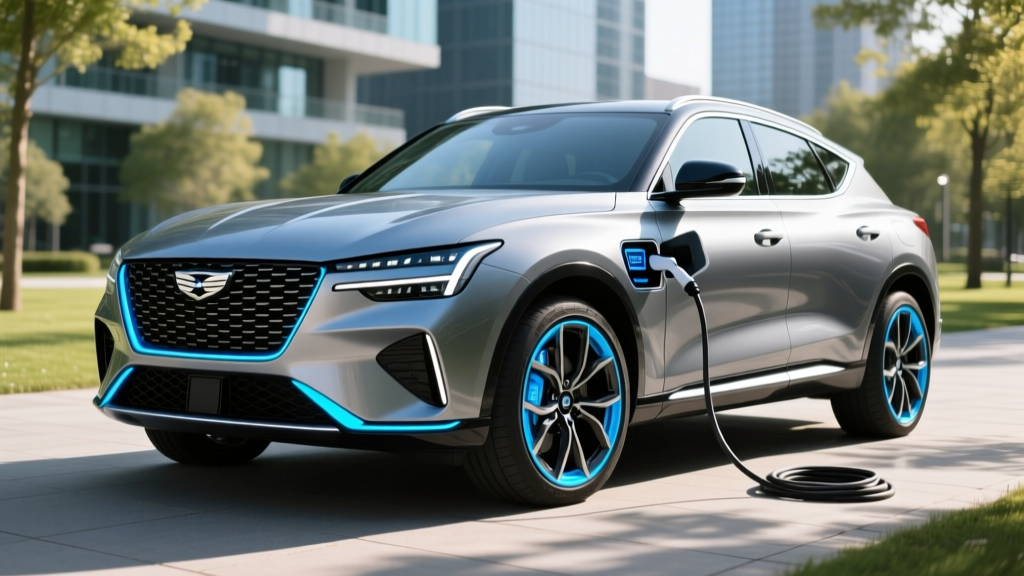
The Electrified GV70 is Genesis's all-electric compact luxury SUV, built on the same platform as the gas GV70 but powered by dual electric motors and a 77.4 kWh usable lithium-ion (NMC chemistry) battery pack. It's the model most buyers encounter when shopping for an electrified GV70, and it carries EPA figures and real-world characteristics worth examining closely.
| Spec | Electrified GV70 (2026) |
|---|---|
| Powertrain | Dual-motor AWD |
| Combined Horsepower | 429 hp (483 hp w/ Boost) |
| 0–60 mph | 4.2 sec (3.8 sec Boost mode) |
| Battery (Usable) | 77.4 kWh, NMC |
| EPA Range | 236 miles |
| MPGe (Combined) | 85 MPGe |
| Max DC Fast Charge | ~240 kW (peak) |
| 10–80% DC Charge Time | ~18 minutes (optimal conditions) |
| Level 2 Charge Rate | 10.9 kW (AC onboard charger) |
| Level 2 Full Charge Time | ~7.25 hours (0–100%) |
| Base MSRP | ~$66,950 (Advanced trim) |
| Federal Tax Credit (§30D) | Up to $7,500 if eligible (see rules below) |
| Powertrain Warranty | 10 yr / 100,000 mi |
Real-World Range vs. EPA Sticker
The EPA rates the Electrified GV70 at 236 miles. In real-world highway driving at 70–75 mph, expect roughly 200–215 miles in mild weather. In cold conditions (below 30°F), range can drop to 170–190 miles due to battery chemistry limitations and cabin heating demands. City driving with regenerative braking can push efficiency closer to or slightly above the EPA estimate. The GV70's 350 kW-capable charging architecture means DC fast-charging stops are brief — roughly 18 minutes from 10–80% at a capable 350 kW station — but the total range between stops remains the limiting factor on road trips.
Genesis GV70 EREV: The Announced Extended-Range Variant
Genesis has confirmed development of an EREV (Extended-Range Electric Vehicle) version of the GV70, though as of early 2026, final EPA certifications and dealer availability remain pending. An EREV is fundamentally different from a hybrid or PHEV: the gasoline engine never drives the wheels. Instead, a small turbocharged engine acts solely as an onboard generator, producing electricity to recharge the battery or feed the electric motors directly when the battery is depleted. The wheels are always driven by electric motors, giving EREV drivers the smooth, instant-torque feel of an EV at all times.
Based on Genesis's preliminary disclosures and the EREV architecture used in Hyundai Motor Group's broader lineup, here is what we expect — with the caveat that these figures are preliminary and subject to change before the vehicle reaches showrooms:
| Spec | GV70 EREV (Announced / Preliminary) |
|---|---|
| Powertrain | Dual electric motors + 1.5T range-extender generator |
| Estimated Battery | ~30–40 kWh (usable), NMC |
| Est. Electric-Only Range | ~60–80 miles (target) |
| Est. Total Combined Range | ~400–500 miles (battery + fuel tank) |
| DC Fast Charging | Expected (rate TBD) |
| Level 2 Charging | Expected (~3–5 hours for full charge) |
| Fuel Tank | ~12–14 gallons (est.) |
| Base MSRP (est.) | ~$55,000–$62,000 |
| Federal Tax Credit | Eligibility TBD under §30D (PHEV rules may apply) |
The EREV concept is compelling for buyers who want EV-like daily commuting with no range anxiety on long trips. If you drive 30–50 miles per day and charge at home overnight, you might go weeks without the range-extender engine engaging. But on a 600-mile road trip, the gas generator kicks in seamlessly — no charging stops required, just refuel at any gas station.
MPG and Efficiency: What the Numbers Look Like
Efficiency varies sharply depending on which GV70 powertrain you choose. Here's how the current and expected models compare:
| Model | City | Highway | Combined | Notes |
|---|---|---|---|---|
| GV70 2.5T AWD (Gas) | 22 MPG | 28 MPG | 24 MPG | EPA certified — fueleconomy.gov |
| Electrified GV70 (BEV) | 98 MPGe | 74 MPGe | 85 MPGe | EPA certified — fueleconomy.gov |
| GV70 EREV (Announced) | TBD | TBD | ~70–80 MPGe (electric) / ~25–28 MPG (gas generator) | Preliminary estimates |
For the Electrified GV70, the MPGe figure means the vehicle travels the same distance on 33.7 kWh of electricity as a gas vehicle would on one gallon of gasoline. At a national average electricity cost of $0.16/kWh, that works out to roughly $0.05–$0.06 per mile — compared to $0.14–$0.17 per mile for the gas GV70 2.5T at $3.50/gallon. Over 15,000 annual miles, the BEV saves approximately $1,200–$1,500 per year in energy costs alone.
For the EREV, the efficiency story splits into two modes. In electric-only operation, you'll see MPGe figures similar to a dedicated EV. Once the range extender engages, fuel economy will likely land in the mid-to-high 20s MPG — better than the gas GV70 in city driving (where the generator can operate at its most efficient RPM), but comparable on the highway.
Charging the Electrified GV70 and Future EREV
Charging capability is where the BEV and EREV diverge sharply from any conventional hybrid, and where practical ownership reality sets in.
| Charging Level | Power | Electrified GV70 (BEV) | GV70 EREV (Est.) |
|---|---|---|---|
| Level 1 (120V household) | ~1.4 kW | ~3 mi/hr added | ~4–5 mi/hr added |
| Level 2 (240V home) | 10.9 kW (BEV) / ~7 kW (EREV est.) | ~32 mi/hr; full in ~7.25 hrs | Full in ~4–5 hrs (est.) |
| DC Fast Charge | Up to ~240 kW (BEV) | 10–80% in ~18 min | Rate TBD; expected DC capable |
Home charging setup is essential for both vehicles. A Level 2 home charger (240V, 48A circuit) costs approximately $800–$1,500 for the charger hardware and $500–$2,500 for professional electrical installation, depending on whether your panel needs upgrading. For the Electrified GV70, home charging delivers a full battery overnight. For the EREV, its smaller battery means even faster home charging — potentially a full replenishment in 4 hours or less.
One important note on the Electrified GV70's DC fast charging: while it can peak near 240 kW, the charge curve tapers significantly above 80% state of charge. Charging from 80–100% on DC can take nearly as long as the 10–80% session. For road trips, plan to charge to 80% and go — this is where the EREV's advantage becomes obvious, as it can simply refuel its gas tank in 5 minutes at any station.
Tax Credits and Pricing: What You'll Actually Pay
Federal tax credit eligibility under IRS §30D is one of the most complex aspects of buying an electrified vehicle in 2026. Here's where each GV70 variant stands:
- Electrified GV70 (BEV): May qualify for up to $7,500, but eligibility depends on battery component and critical mineral sourcing requirements, the buyer's adjusted gross income (capped at $150K single / $300K joint), and the vehicle's MSRP (capped at $80,000 for SUVs). The Advanced trim at ~$66,950 clears the MSRP cap. Point-of-sale transfer is available, meaning the dealer can apply the credit directly to your purchase price.
- GV70 EREV (Announced): EREVs may qualify under PHEV rules if the battery meets minimum capacity thresholds (≥7 kWh) and sourcing requirements. The estimated $55,000–$62,000 MSRP clears the cap. Final credit amount (up to $7,500) depends on battery sourcing compliance at time of sale.
- GV70 2.5T (Gas): No federal EV tax credit. Some states offer rebates for efficient vehicles, but these vary by jurisdiction.
Important: §30D rules are subject to change. Always verify current eligibility with a tax professional and the IRS before purchasing. State-level incentives (California's CVRP, Colorado's innovative motor vehicle credit, etc.) may stack on top but vary by residency.
Reliability, Battery Warranty, and Long-Term Costs
Genesis Battery & Powertrain Warranty Coverage
Genesis backs the Electrified GV70's battery and electric powertrain with a 10-year / 100,000-mile warranty — one of the strongest in the luxury segment. The warranty covers battery capacity retention below a specified threshold (typically 70% of original capacity). For the announced EREV, expect similar coverage on both the traction battery and the range-extender powertrain, though final terms are pending.
Genesis also provides a 5-year / 60,000-mile limited vehicle warranty and complimentary scheduled maintenance for 3 years / 36,000 miles.
Battery degradation in the Electrified GV70's NMC pack has proven moderate in early owner data. Expect approximately 8–12% capacity loss over the first 5 years or 75,000 miles under normal use — meaning a vehicle that started at 236 miles of EPA range might deliver 210–215 miles after several years. This is within the warranty threshold and consistent with industry averages for liquid-cooled NMC packs.
If a battery replacement were ever needed out of warranty, current estimates for a pack of this size run $12,000–$18,000 including labor — a significant cost, but one that the 10-year warranty is designed to prevent from falling on the owner. For the EREV, the smaller battery would cost significantly less to replace (~$6,000–$10,000 estimated), though the added complexity of the range-extender engine introduces additional mechanical components that could require service.
Genesis as a brand has scored well in J.D. Power initial quality studies, though long-term reliability data for their EVs specifically is still accumulating. The Electrified GV70 earned an IIHS Top Safety Pick+ rating, which speaks to structural integrity and crash performance.
Who Should Choose Which GV70?
Decision Framework: Match the GV70 to Your Life
Choose the Electrified GV70 (BEV) if:
- You have reliable home Level 2 charging
- Your daily driving is under 150 miles
- You take road trips fewer than 4–5 times per year (and don't mind DC fast-charging stops)
- You want maximum performance (429–483 hp) and lowest per-mile energy cost
- You want to maximize federal tax credit eligibility
Wait for the GV70 EREV if:
- You want electric daily commuting but take frequent long road trips
- Your home charging situation is uncertain or shared (apartment/condo)
- Range anxiety is a genuine concern and you don't want to rely on public DC charging infrastructure
- You're willing to wait for the model to reach dealerships and accept preliminary-spec uncertainty
Stick with the GV70 2.5T (Gas) if:
- You have no home charging access and public infrastructure is sparse in your area
- You want the lowest upfront purchase price (~$45,000 base)
- You prefer proven, widely serviceable powertrain technology
- Your annual mileage is low enough that fuel savings from electrification won't offset a higher purchase price
Electrified GV70 — Pros
- Strong 429 hp dual-motor AWD performance
- 240 kW DC fast charging (10–80% in ~18 min)
- 10-year/100K-mile battery warranty
- Premium interior and ride quality
- Low per-mile energy cost with home charging
- Available §30D tax credit (up to $7,500)
Electrified GV70 — Cons
- 236-mile EPA range is below rivals (BMW iX, Tesla Model Y)
- Cold-weather range loss significant (~20–25%)
- MSRP starts ~$67K — premium pricing
- No conventional hybrid option for buyers not ready to plug in
- Charging infrastructure gaps remain in rural areas
Frequently Asked Questions
How many MPG does the Genesis GV70 get?
The gas-powered GV70 2.5T AWD is EPA-rated at 22 city / 28 highway / 24 combined MPG. The Electrified GV70 (BEV) achieves 85 MPGe combined (98 city / 74 highway). The announced EREV is expected to deliver roughly 70–80 MPGe in electric mode and 25–28 MPG when the gas range extender is active, though final EPA figures are pending.
How far can the GV70 EREV go on electric only?
Genesis has targeted approximately 60–80 miles of electric-only range for the GV70 EREV, based on its expected 30–40 kWh battery pack. This is preliminary and subject to EPA certification. For comparison, that's enough to cover most Americans' daily commutes without engaging the gas generator.
Is the Genesis GV70 hybrid reliable? What does a battery replacement cost?
Genesis backs the Electrified GV70 with a 10-year / 100,000-mile battery and powertrain warranty, among the best in the luxury segment. NMC battery degradation has been moderate (~8–12% over 5 years). Out-of-warranty battery replacement for the BEV is estimated at $12,000–$18,000; the EREV's smaller pack would cost less (~$6,000–$10,000 estimated). Genesis's overall brand reliability has been strong in J.D. Power initial quality surveys.
Does the Genesis GV70 qualify for a tax credit?
The Electrified GV70 may qualify for up to $7,500 under the federal §30D clean vehicle credit, subject to battery sourcing requirements, buyer income limits ($150K single / $300K joint AGI), and the $80,000 MSRP cap for SUVs. The Advanced trim at ~$66,950 clears the MSRP threshold. Point-of-sale transfer allows the credit to reduce your purchase price directly. EREV eligibility is TBD. Always verify current rules at IRS.gov and consult a tax professional.
Hybrid vs PHEV vs EV — which GV70 fits me?
The GV70 doesn't offer a conventional hybrid or PHEV. Your choice is between the Electrified GV70 (full EV, best for home chargers and daily commuters), the upcoming EREV (electric drive with gas backup, best for mixed use and road-trip-heavy drivers), or the standard gas GV70 (lowest cost, no charging needed). If you specifically want a luxury compact PHEV with a traditional gas engine driving the wheels, competitors like the BMW X3 xDrive30e or Volvo XC60 Recharge may better match that need today.
Can I charge the Electrified GV70 at Tesla Superchargers?
Genesis has adopted the NACS (North American Charging Standard) connector for future models. For existing Electrified GV70 vehicles equipped with CCS, a NACS adapter is available, enabling access to Tesla's Supercharger network. Verify adapter compatibility with your specific model year before purchasing.