The Lincoln MKZ Hybrid was Ford Motor Company's luxury play in the midsize hybrid sedan segment, sharing its powertrain and platform with the Ford Fusion Hybrid. Discontinued after the 2020 model year as Ford exited the sedan market, the MKZ Hybrid remains one of the most compelling used hybrid purchases in 2026 — offering near-Lexus refinement at a fraction of the cost. If you've been searching for a Ford MKZ Hybrid, you're likely cross-shopping it against the Fusion Hybrid, Toyota Camry Hybrid, or even a used Lexus ES 300h. This guide breaks down every number that matters.
HEV vs PHEV: What the MKZ Hybrid Actually Is
Before diving into specs, it's essential to understand what you're buying. The Lincoln MKZ Hybrid and Ford Fusion Hybrid are conventional hybrids (HEVs) — not plug-in hybrids. This distinction matters for your daily routine and your wallet.
Conventional Hybrid (HEV)
How it works: A small battery (1.4 kWh usable in the MKZ) is charged entirely by the gasoline engine and regenerative braking. You never plug it in.
Electric-only driving: Very short distances at low speeds (typically under 1 mile, under 25 mph).
Examples: Lincoln MKZ Hybrid, Ford Fusion Hybrid, Toyota Camry Hybrid.
Plug-In Hybrid (PHEV)
How it works: A larger battery (typically 8-18 kWh) charges via a plug and provides 20-40 miles of electric-only range before the gas engine engages.
Electric-only driving: Meaningful daily commutes on electricity alone.
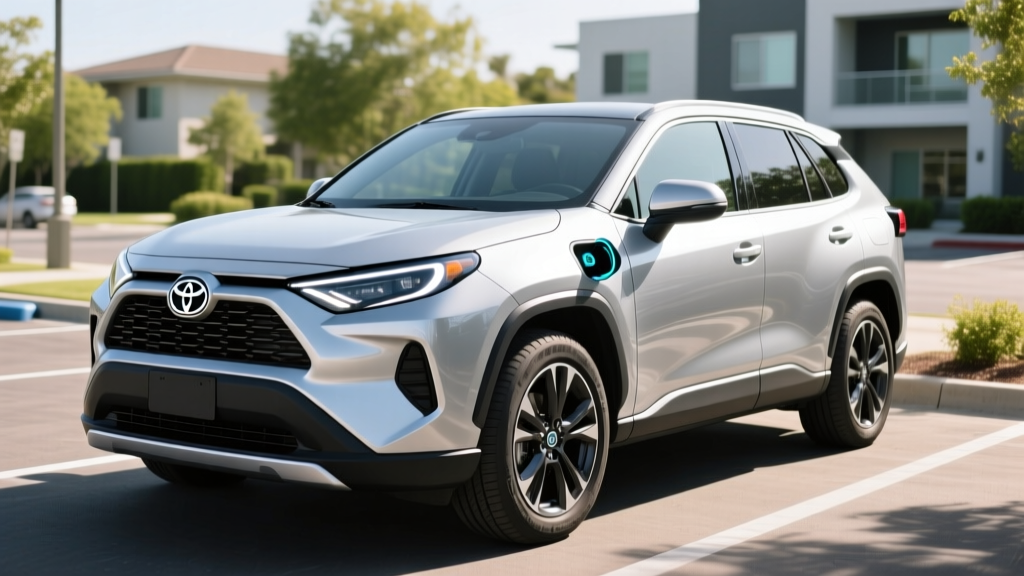
Examples: Toyota RAV4 Prime, Ford Escape PHEV, Chrysler Pacifica Hybrid.
The Fusion Energi was Ford's PHEV variant of the Fusion, offering about 26 miles of electric-only range. Lincoln never produced a plug-in MKZ. If you want plug-in capability in the Ford/Lincoln ecosystem, you'll need to look at the Escape PHEV or the used Fusion Energi.
Fuel Economy: EPA Ratings and Real-World MPG
The MKZ Hybrid's fuel efficiency is its strongest selling point. Here are the official EPA figures from fueleconomy.gov for the final-generation models (2017-2020):
| Metric | City | Highway | Combined |
|---|---|---|---|
| EPA Estimate | 42 MPG | 39 MPG | 41 MPG |
| Real-World Expectation | 40–45 MPG | 35–39 MPG | 38–43 MPG |
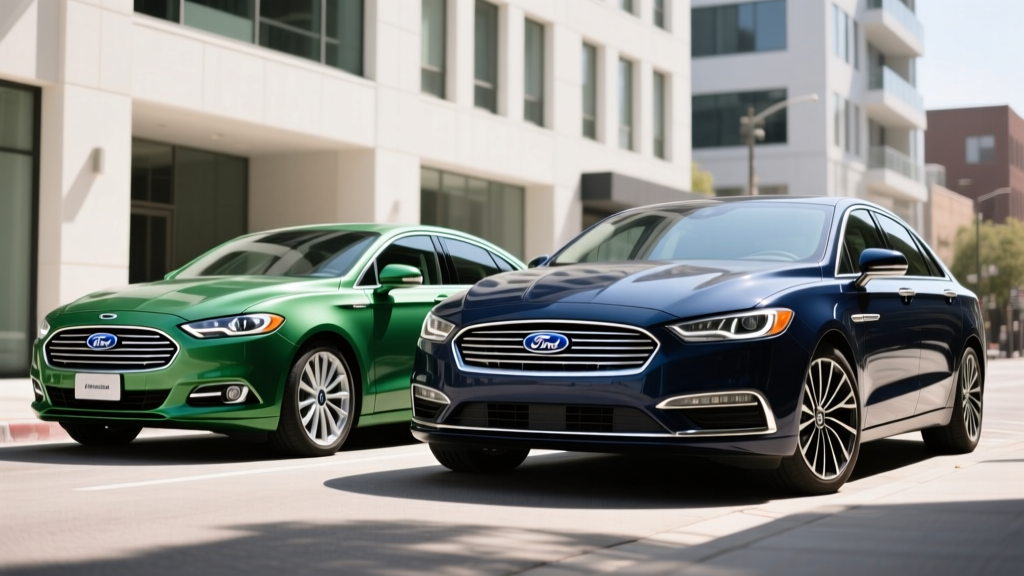
| Ford Fusion Hybrid (same powertrain) | 43 MPG | 41 MPG | 42 MPG |
With a 16.5-gallon fuel tank, the MKZ Hybrid delivers a total driving range of approximately 676 miles at the combined EPA rating — enough for most drivers to go two weeks between fill-ups.
Powertrain Specs: Engine, Motor, and Performance
| Specification | Value |
|---|---|
| Gasoline Engine | 2.0L Atkinson-cycle I4 |
| Engine Horsepower | 141 hp @ 6,000 rpm |
| Electric Motor Output | 120 hp (88 kW) |
| Combined System Horsepower | 188 hp |
| Hybrid Battery Capacity | 1.4 kWh (lithium-ion) |
| Transmission | eCVT (planetary gearset, no belt) |
| Drivetrain | Front-wheel drive |
| 0–60 mph | ~8.4 seconds |
| Towing Capacity | Not rated for towing |
The eCVT in the MKZ Hybrid is not a traditional belt-driven CVT. It uses Toyota-licensed planetary gearset technology (Ford's own implementation) that seamlessly blends engine and motor power. The result is smooth, linear acceleration with none of the rubber-band feel that plagues cheaper CVTs. However, 188 combined horsepower in a 3,700-pound luxury sedan means this is not a quick car. Highway merging requires planning, and full-throttle acceleration produces noticeable engine drone.
Hybrid Battery Longevity, Warranty, and Replacement Cost
This is the number-one concern for used hybrid buyers, and rightfully so. Here's what the data shows:
Battery Warranty & Expected Lifespan
Original Warranty: 8 years / 100,000 miles (federal emissions mandate for hybrid components). In California and states that follow CARB standards, coverage extends to 10 years / 150,000 miles.
Real-World Longevity: Ford's hybrid battery packs from this generation have proven remarkably durable. Taxi fleets running Fusion Hybrids routinely exceed 200,000 miles on the original battery. The 1.4 kWh pack is small and conservatively managed — Ford built in significant charge buffers to prevent deep cycling, which is the primary cause of lithium-ion degradation.
Replacement Cost (2026 estimates):
- OEM new battery from Ford/Lincoln: $2,500–$3,800 (parts only)
- Full dealer replacement (parts + labor): $3,500–$5,000
- Refurbished/remanufactured battery: $1,200–$2,200 installed
- Individual cell module replacement (if only a few cells fail): $400–$900 at a hybrid specialist
For context, a Toyota Camry Hybrid battery replacement runs $3,000–$5,000, and a Prius battery costs $2,500–$4,000. The MKZ Hybrid's battery replacement cost is in line with its peers — and given the pack's track record, it's a cost most owners will never face.
What to check on a used MKZ Hybrid: Use an OBD-II scanner or have a hybrid-specialist shop pull the battery's State of Health (SoH) report. Look for less than 15% capacity degradation and balanced cell voltages. A dashboard "Check Hybrid System" warning is a dealbreaker unless the seller provides documentation of recent battery service.
Used Pricing in 2026 and Tax Credit Eligibility
Since the MKZ Hybrid was discontinued after 2020, every example on the market is used. Here's what you'll pay in the current market:
| Model Year | Mileage Range | Price Range |
|---|---|---|
| 2017–2018 | 70,000–110,000 mi | $13,000–$18,000 |
| 2019–2020 | 35,000–70,000 mi | $18,000–$25,000 |
| 2020 (low mileage, CPO) | Under 35,000 mi | $24,000–$29,000 |
Federal tax credit status: The MKZ Hybrid does not qualify for the IRS §30D Clean Vehicle Credit. That credit applies only to new plug-in electric vehicles (BEVs and PHEVs) meeting battery-sourcing and MSRP requirements. Conventional hybrids like the MKZ have not qualified for any federal purchase incentive since the early 2010s.
However, the used EV credit (up to $4,000 or 30% of sale price, whichever is less) also requires a plug-in vehicle — so the MKZ Hybrid doesn't qualify there either. Your cost savings come entirely from the fuel economy: at 41 MPG combined and $3.20/gallon gas, you'll spend roughly $1,090/year on fuel driving 14,000 miles — about $500 less than a comparable non-hybrid sedan.
MKZ Hybrid vs Fusion Hybrid vs the Competition
✅ Pros
- 41 MPG combined — excellent for a luxury sedan
- Quiet, refined cabin with premium materials
- Proven, reliable hybrid powertrain shared with Fusion
- Strong standard features (heated seats, SYNC 3, power trunk)
- Lower used pricing than Lexus ES 300h
- No plug-in charging required — just gas and go
❌ Cons
- Modest 188 hp — slow for a luxury sedan
- FWD only — no AWD option (unlike the Fusion Hybrid)
- Discontinued — no new models, limited dealer support
- Smaller trunk (11.1 cu ft) due to battery placement
- Infotainment feels dated vs. 2026 competitors
- No electric-only commuting capability (unlike a PHEV)
| Vehicle | Combined MPG | Combined HP | Used Price (2019-2020) |
|---|---|---|---|
| Lincoln MKZ Hybrid | 41 MPG | 188 hp | $18,000–$25,000 |
| Ford Fusion Hybrid | 42 MPG | 188 hp | $16,000–$22,000 |
| Toyota Camry Hybrid | 52 MPG | 208 hp | $22,000–$28,000 |
| Lexus ES 300h | 44 MPG | 215 hp | $28,000–$36,000 |
| Honda Accord Hybrid | 48 MPG | 212 hp | $20,000–$26,000 |
Who Should Buy the MKZ Hybrid (And Who Shouldn't)
Decision Framework
Choose the Lincoln MKZ Hybrid if:
- You want luxury-car comfort with hybrid fuel economy on a budget under $25,000
- You drive 12,000–18,000 miles/year and want to minimize fuel costs without changing your refueling habits
- You don't have access to home or workplace charging (making a PHEV or BEV impractical)
- You prioritize a quiet ride and premium interior over sporty acceleration
Choose a PHEV (like the Toyota RAV4 Prime or Ford Escape PHEV) if:
- You have home Level 2 charging and a commute under 30 miles — you could drive months without buying gas
- You want to qualify for the federal §30D tax credit (up to $7,500 for eligible new PHEVs)
- You want the option of electric-only driving for daily errands
Choose a full EV (BEV) if:
- You have reliable home charging and want to eliminate gas station visits entirely
- You want minimal maintenance (no oil changes, no spark plugs, no transmission fluid)
- You're eligible for the full $7,500 federal credit, bringing vehicles like the Chevy Equinox EV or Tesla Model 3 into a competitive price range
Choose the Ford Fusion Hybrid instead if:
- You want the same powertrain for $2,000–$4,000 less and don't care about the Lincoln badge
- You want available AWD (offered on the Fusion Hybrid but never on the MKZ)
Frequently Asked Questions
How many MPG does the Ford/Lincoln MKZ Hybrid get?
The EPA rates the 2017-2020 Lincoln MKZ Hybrid at 42 city / 39 highway / 41 combined MPG. In real-world city driving, many owners report 43-46 MPG thanks to aggressive regenerative braking. Highway cruising at 75+ mph drops efficiency to 35-38 MPG. The mechanically identical Ford Fusion Hybrid rates slightly higher at 43/41/42 MPG due to minor aerodynamic and weight differences.
Does the MKZ Hybrid need to be plugged in?
No. The MKZ Hybrid is a conventional hybrid (HEV), not a plug-in hybrid. Its 1.4 kWh battery charges entirely through regenerative braking and the gasoline engine. You fuel it exactly like a normal gas car — the hybrid system works automatically in the background to optimize fuel economy.
How far can the MKZ Hybrid drive on electric power alone?
Effectively less than 1 mile at very low speeds (under 25 mph). The MKZ Hybrid can creep through a parking lot or inch forward in traffic on battery power, but the gasoline engine engages almost immediately during normal driving. If you want meaningful electric-only range, you need a PHEV with 20-40 miles of EV range, or a full BEV.
Is the MKZ Hybrid reliable, and what does battery replacement cost?
The MKZ Hybrid's powertrain is one of Ford's most reliable. The 2.0L Atkinson-cycle engine is under-stressed, the eCVT has no wear-prone belts or clutches, and the hybrid battery has a strong longevity track record. A full OEM battery replacement costs $3,500–$5,000 at a dealer, but refurbished options run $1,200–$2,200 installed. Most MKZ Hybrids will never need a battery swap if maintained properly — the original 8-year/100,000-mile hybrid warranty means many 2017-2018 models may still have partial coverage.
Does the MKZ Hybrid qualify for any federal tax credit?
No. The IRS §30D Clean Vehicle Credit applies only to new plug-in electric vehicles (BEVs and PHEVs) that meet battery critical-mineral sourcing, MSRP caps, and buyer income limits. Conventional hybrids like the MKZ do not qualify for any current federal purchase incentive. Some states may offer minor registration or HOV-lane perks — check your local DMV.
MKZ Hybrid vs Fusion Hybrid: which is the better buy?
Mechanically, they're nearly identical — same 188 hp powertrain, same eCVT, same 41-42 MPG. The MKZ adds a quieter cabin, more standard luxury features (heated leather seats, premium audio), and Lincoln's styling. The Fusion Hybrid costs $2,000-$4,000 less on the used market and offers available AWD. If you value luxury refinement, the MKZ is the better car. If you're optimizing purely on cost, the Fusion Hybrid delivers the same efficiency for less money.