Ford Fusion Hybrid Gas Mileage: What Owners Actually Get
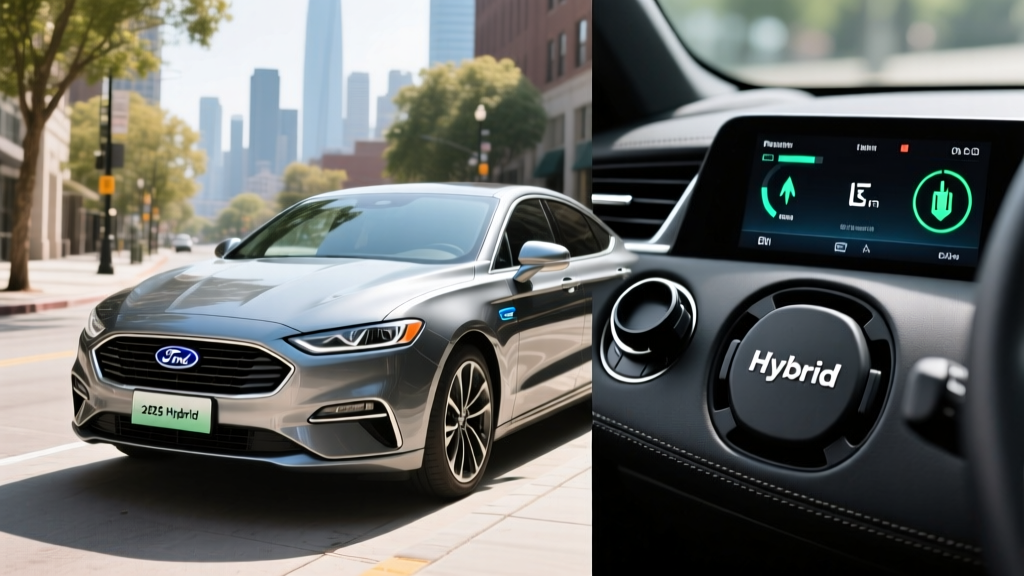
The Ford Fusion Hybrid was one of the most fuel-efficient midsize sedans on the road before Ford discontinued it after the 2020 model year. For used-car shoppers in 2026, the Fusion Hybrid remains a compelling value proposition: a proven hybrid powertrain, strong real-world fuel economy, and a comfortable cabin — all at a fraction of the cost of a new electrified vehicle. But what kind of gas mileage can you actually expect, and how does it hold up long-term?
This guide covers the Fusion Hybrid's EPA ratings, real-world MPG observations, powertrain details, battery longevity, and how it stacks up against the plug-in Fusion Energi, full EVs, and conventional gas sedans.
EPA Fuel Economy and Real-World MPG
The 2020 Ford Fusion Hybrid (the final model year) carries an EPA rating of 44 MPG city, 41 MPG highway, and 42 MPG combined, per fueleconomy.gov. Earlier model years (2017–2019) share the same 2.0L Atkinson-cycle engine and eCVT, with EPA ratings of 43 city / 41 highway / 42 combined.
| Metric | Fusion Hybrid (2017–2020) | Fusion Energi PHEV (2019–2020) | Toyota Camry Hybrid (2020) |
|---|---|---|---|
| City MPG (EPA) | 44 | 44 (charge-sustaining) | 51 |
| Highway MPG (EPA) | 41 | 41 (charge-sustaining) | 53 |
| Combined MPG (EPA) | 42 | 42 (charge-sustaining) | 52 |
| Electric-Only Range | N/A (HEV) | 26 miles | N/A |
| Total Range | ~620 miles | ~530 miles | ~680 miles |
Real-World Observations
Hybrids often exceed their EPA city rating in stop-and-go traffic because regenerative braking recaptures energy that gas cars waste as heat. Owner-reported data on Fuelly shows many Fusion Hybrid drivers averaging 40–46 MPG combined, with city-heavy commutes occasionally hitting 48–50 MPG. Highway-dominant driving at 75+ MPH tends to drop to 36–39 MPG, as the electric motor contributes less at sustained high speeds and aerodynamic drag increases.
Cold weather impacts are moderate compared to full EVs. Expect a 3–5 MPG reduction in sub-freezing temperatures due to increased engine idling for cabin heat and reduced battery efficiency. Unlike a BEV, the Fusion Hybrid's engine waste heat warms the cabin without a significant efficiency penalty.
HEV vs. PHEV: Fusion Hybrid vs. Fusion Energi
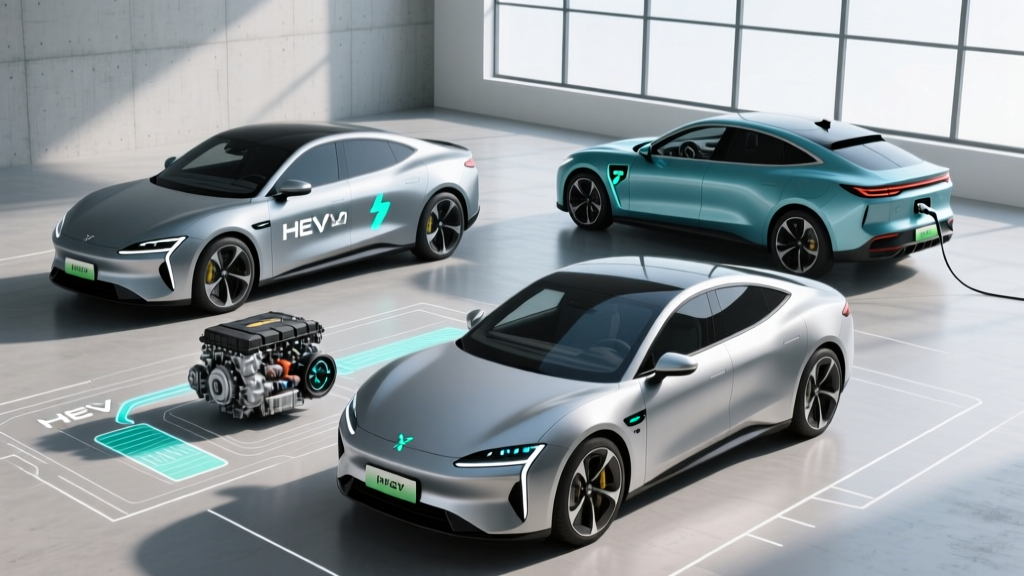
Ford sold two electrified Fusion variants, and confusing them is a common buyer mistake. Here is the critical distinction:
Fusion Hybrid (HEV)
- No plug required — charges itself via regenerative braking and the gasoline engine
- 1.4 kWh battery (not usable for electric-only driving beyond very low-speed creep)
- 42 MPG combined in all conditions
- No electric-only range to speak of
- Simpler ownership — no charging infrastructure needed
Fusion Energi (PHEV)
- Plugs in to charge a larger battery for electric-only driving
- 9.0 kWh usable battery (2019–2020; earlier years had 7.6 kWh)
- 26 miles electric-only range (EPA), then 42 MPG as a hybrid
- Level 1 (120V) charge time: ~7 hours; Level 2 (240V): ~2.5 hours
- No DC fast charging capability
- Qualifies for up to $4,000 under the used-EV tax credit (§25E) if eligibility criteria are met
If your commute is under 25 miles round-trip and you have access to a plug at home, the Energi can run almost entirely on electricity for daily driving while keeping the gas engine for longer trips. If you lack charging access or want zero behavioral change from a gas car, the standard Hybrid is the better fit.
Powertrain Specs and Performance
| Specification | Fusion Hybrid (2017–2020) | Fusion Energi PHEV (2019–2020) |
|---|---|---|
| Engine | 2.0L Atkinson-cycle I4 | 2.0L Atkinson-cycle I4 |
| Engine HP | 141 hp | 141 hp |
| Electric Motor HP | 118 hp | 118 hp |
| Combined System HP | 188 hp | 188 hp |
| Transmission | eCVT (planetary gearset) | eCVT (planetary gearset) |
| Drivetrain | FWD | FWD |
| 0–60 MPH | ~8.1 seconds | ~8.4 seconds |
| Battery Capacity | 1.4 kWh (NiMH-derived Li-ion) | 9.0 kWh usable (Li-ion) |
| Fuel Tank | 14.0 gallons | 12.0 gallons |
| Cargo Volume | 12.0 cu ft | 8.2 cu ft (battery intrudes) |
The eCVT is not a belt-and-cone CVT like those in some competitors. It uses a planetary gearset that blends engine and motor power seamlessly — no rubber-band sensation, no shift hunting. Acceleration is adequate for merging and passing, though the 188 hp combined output won't thrill anyone. The tradeoff for 42 MPG is a sedan that prioritizes smoothness over sportiness.
Battery Longevity, Warranty, and Replacement Cost
Hybrid Battery Warranty
Ford's hybrid battery warranty: 8 years / 100,000 miles (whichever comes first) for the 2017–2020 Fusion Hybrid and Energi. In California Air Resources Board (CARB) states, the warranty extends to 10 years / 150,000 miles.
The warranty covers battery capacity loss below approximately 60% of original capacity, as well as defects in the battery management system, power electronics, and eCVT.
Real-World Battery Lifespan
Ford's hybrid system has proven durable. The 1.4 kWh battery in the standard Hybrid is small and rarely cycled deeply — the car's software keeps the state of charge within a narrow band (roughly 40–60%) to minimize degradation. Taxi fleets running Fusion Hybrids have reported 200,000+ miles on the original battery. For a typical owner driving 12,000–15,000 miles per year, the hybrid battery should outlast the car's useful economic life.
The Energi's larger 9.0 kWh battery sees deeper cycles and will degrade over time. Expect 10–15% capacity loss over 8–10 years, reducing electric-only range from 26 miles to roughly 22–23 miles. This is normal lithium-ion behavior and does not affect the car's ability to function as a hybrid once the electric range is depleted.
Battery Replacement Cost
If a hybrid battery does fail out of warranty:
- Fusion Hybrid (HEV): $2,000–$3,500 for a new OEM battery pack, plus ~$500–$800 labor. Aftermarket refurbished units are available for $1,200–$2,000.
- Fusion Energi (PHEV): $4,500–$7,000 for a new OEM pack, plus labor. The larger battery and more complex thermal management add cost.
These are worst-case scenarios. The vast majority of Fusion Hybrids will never need a battery replacement.
Pricing and Tax Credit Eligibility
Since the Fusion Hybrid was discontinued after 2020, all purchases in 2026 are on the used market. Pricing varies significantly by mileage, condition, and region:
- 2017–2018 Fusion Hybrid: $11,000–$16,000 (60k–100k miles)
- 2019–2020 Fusion Hybrid: $15,000–$21,000 (30k–70k miles)
- 2019–2020 Fusion Energi (PHEV): $14,000–$20,000 (40k–80k miles)
Federal Tax Credits
New-vehicle credit (§30D): Not applicable — the Fusion is no longer sold new.
Used-EV credit (§25E): The Fusion Energi (PHEV) may qualify for up to $4,000 or 30% of the sale price (whichever is less) under the IRS used clean vehicle credit. Requirements include:
- Sale price must be $25,000 or less
- Buyer income caps: $75,000 single / $112,500 head of household / $150,000 joint
- Vehicle must be at least 2 model years old (all Fusions qualify)
- Must be purchased from a licensed dealer (private-party sales excluded)
- Credit is non-refundable and can only be claimed once per vehicle
The standard Fusion Hybrid (HEV) does not qualify for any federal tax credit — conventional hybrids without plug-in capability are excluded from §25E and §30D. Always verify current eligibility on irs.gov before purchasing, as rules can change.
Who Should Choose the Fusion Hybrid?
Pros
- 42+ MPG combined with zero charging infrastructure
- Low used-market pricing ($11k–$21k)
- Proven, durable hybrid system with strong taxi-fleet track record
- Comfortable ride, spacious rear seat (Hybrid version)
- No range anxiety — fill up at any gas station
- Lower maintenance than gas-only cars (regen saves brake pads)
Cons
- Discontinued — no new models, limited CPO availability
- Trunk space reduced vs. gas Fusion (battery under rear seat area)
- Energi trunk is severely compromised (8.2 cu ft)
- FWD only — no AWD option for snow-belt buyers
- Infotainment (Sync 3) feels dated vs. 2026 systems
- No DC fast charging on Energi (Level 2 max)
Decision Framework
Choose the Fusion Hybrid (HEV) if: You want 40+ MPG with zero lifestyle change, you lack home charging access, and you want a reliable used sedan under $20,000.
Choose the Fusion Energi (PHEV) if: You have home Level 2 charging, your daily commute is under 25 miles, and you want electric-only daily driving with gas backup for road trips.
Choose a full EV (e.g., Chevy Bolt, used Model 3) if: You have reliable home charging, want zero gas-engine maintenance, and can spend $18,000–$28,000 on a used BEV with 200+ miles of range.
Choose a new hybrid (e.g., Toyota Camry Hybrid) if: You want a full warranty, modern safety tech, and don't mind spending $30,000+.
Frequently Asked Questions
How many MPG does the Ford Fusion Hybrid get?
The EPA rates the 2017–2020 Fusion Hybrid at 44 city / 41 highway / 42 combined MPG. In real-world driving, most owners report 40–46 MPG combined, with city-heavy routes sometimes exceeding 48 MPG and sustained highway driving dropping to 36–39 MPG.
How far can the Fusion Energi go on electric only?
The 2019–2020 Fusion Energi has an EPA-rated 26 miles of electric-only range. In mild weather at city speeds, some drivers report 28–30 miles. Highway driving at 70+ MPH or cold weather can reduce this to 18–22 miles. Once the battery is depleted, it operates as a standard hybrid at 42 MPG.
Does the Ford Fusion Hybrid need to be plugged in?
No. The standard Fusion Hybrid (HEV) never plugs in. It charges its small battery through regenerative braking and the gasoline engine. Only the Fusion Energi (PHEV) requires plugging in to access its electric-only range — but it will still drive as a hybrid if you never plug it in.
Is the Fusion Hybrid battery reliable and what does replacement cost?
The Fusion Hybrid battery is highly reliable, with many examples exceeding 200,000 miles on the original pack. Ford's warranty covers 8 years/100,000 miles (10 years/150,000 miles in CARB states). Out-of-warranty replacement costs $2,000–$3,500 for the HEV and $4,500–$7,000 for the Energi PHEV.
Does the Ford Fusion Hybrid qualify for any tax credit?
The standard Fusion Hybrid (HEV) does not qualify for any federal tax credit. The Fusion Energi (PHEV) may qualify for up to $4,000 under the §25E used clean vehicle credit if the sale price is $25,000 or less and the buyer meets income requirements. Verify current rules at irs.gov.
How does the Fusion Hybrid compare to a Toyota Camry Hybrid?
The Camry Hybrid achieves 52 MPG combined (EPA) versus the Fusion's 42 MPG — a meaningful 10 MPG advantage. However, used Camry Hybrids typically cost $5,000–$8,000 more than comparable Fusion Hybrids. If you plan to keep the car 5+ years and drive 15,000+ miles annually, the Camry's fuel savings may offset the higher purchase price. For lower-mileage buyers, the Fusion Hybrid's lower entry cost often wins on total cost of ownership.