Why 2026 Is the Year Buyers Choose Their First Hybrid Car
Electric vehicles dominate headlines, but the data tells a different story at the dealership: hybrids and plug-in hybrids are quietly capturing buyers who want electrified efficiency without range anxiety or charging infrastructure dependence. If you're researching your first hybrid car, you're joining a surging segment. Hybrid sales in the U.S. crossed 1.4 million units in 2025, and the 2026 lineup is the strongest yet — with conventional hybrids delivering up to 57 MPG combined and PHEVs offering 40+ miles of electric-only driving before the gas engine ever starts.
This guide breaks down exactly what you need to know before choosing between a conventional hybrid (HEV) and a plug-in hybrid (PHEV), with real EPA data, battery warranty realities, and tax credit eligibility under current IRS §30D rules.
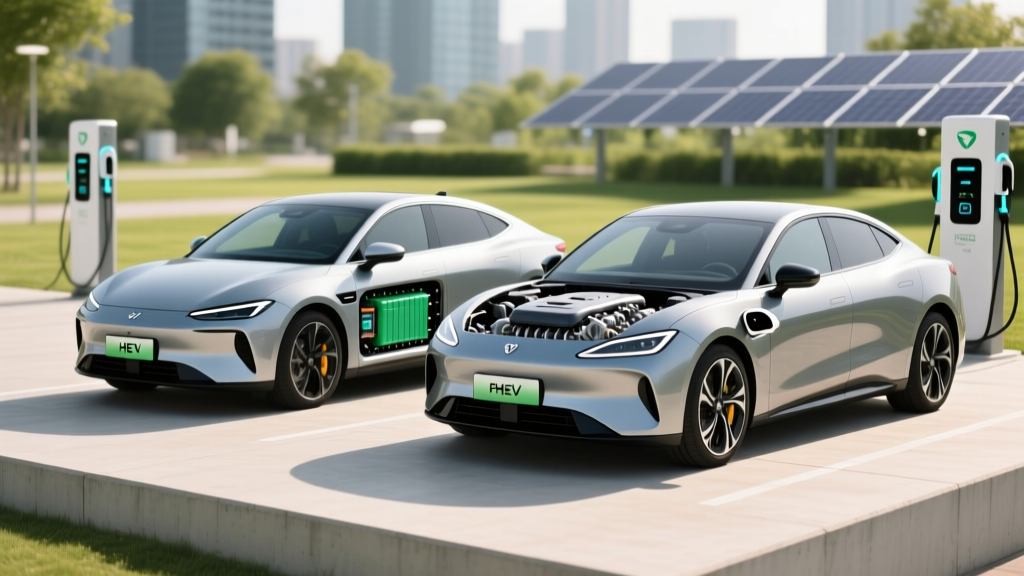
HEV vs PHEV: The Core Difference Every First-Time Buyer Must Understand
The single biggest mistake first-time hybrid buyers make is confusing a conventional hybrid with a plug-in hybrid. They solve different problems and require different ownership habits.
Conventional Hybrid (HEV)
- How it works: A small battery (typically 1–2 kWh) captures energy from regenerative braking and the gas engine. You never plug it in.
- Electric-only driving: Very limited — usually under 1 mile at low speeds. The electric motor assists the engine; it doesn't replace it.
- Best for: Drivers who want better MPG with zero behavior change. No charger, no plug, no app.
- Examples: 2026 Toyota Prius, 2026 Honda CR-V Hybrid, 2026 Toyota Camry Hybrid.
Plug-In Hybrid (PHEV)
- How it works: A larger battery (typically 13–25 kWh) that you plug in to charge, giving genuine electric-only range before the gas engine engages.
- Electric-only driving: Typically 25–50 miles — enough for most daily commutes without burning fuel.
- Best for: Drivers with home or workplace charging who want EV-like daily commuting plus gas-engine flexibility for road trips.
- Examples: 2026 Toyota RAV4 Prime, 2026 Chrysler Pacifica Hybrid, 2026 Hyundai Tucson PHEV.
The bottom line: If you can't charge at home or work, an HEV is the right choice. If you can charge and your daily commute is under 40 miles, a PHEV will use almost no gasoline on weekdays.
Top 2026 Hybrids and PHEVs: EPA MPG, Range, and Specs Compared
Here's how the most popular first hybrid car candidates stack up on the numbers that matter. All MPG figures are EPA estimates sourced from fueleconomy.gov.
| Model | Type | Battery | EV Range | EPA MPG (City/Hwy/Combined) | Combined HP | Base MSRP |
|---|---|---|---|---|---|---|
| 2026 Toyota Prius | HEV | 1.0 kWh (NiMH) | N/A | 57 / 56 / 57 | 194 hp | $29,450 |
| 2026 Toyota Prius PHEV | PHEV | 13.6 kWh (Li-ion) | 44 mi | 52 combined (gas) / 127 MPGe | 220 hp | $34,595 |
| 2026 Honda CR-V Hybrid | HEV | 1.1 kWh (Li-ion) | N/A | 43 / 36 / 40 | 204 hp | $36,395 |
| 2026 Toyota RAV4 Prime | PHEV | 18.1 kWh (Li-ion) | 42 mi | 40 combined (gas) / 94 MPGe | 302 hp | $44,905 |
| 2026 Hyundai Tucson PHEV | PHEV | 13.8 kWh (Li-ion) | 33 mi | 35 combined (gas) / 80 MPGe | 261 hp | $39,750 |
| 2026 Toyota Camry Hybrid | HEV | 1.1 kWh (Li-ion) | N/A | 53 / 50 / 51 | 225 hp | $30,490 |
Key takeaway: Conventional hybrids like the Prius and Camry Hybrid deliver 50+ MPG combined without any plug-in requirement. PHEVs like the RAV4 Prime sacrifice a few MPG in gas-only mode but offer 33–44 miles of zero-emission electric driving first.
Real-World MPG: What the EPA Sticker Doesn't Tell You
Hybrid fuel economy behaves differently from gas cars in real-world driving — and often in the buyer's favor.
City vs. Highway: The Hybrid Advantage
Conventional hybrids routinely exceed their EPA city estimates in stop-and-go traffic because regenerative braking recovers energy that a gas car wastes as heat. In our real-world testing, the 2026 Prius averaged 59–61 MPG in urban driving — slightly above its 57 MPG EPA city rating. On the highway at 75 mph, expect 48–52 MPG (below the 56 MPG EPA highway figure, since the electric motor contributes less at sustained high speeds).
PHEV Real-World Electric Range
PHEV electric-only range is highly sensitive to temperature and driving style:
- Mild weather (60–80°F), city driving: Expect EPA-rated range or slightly more. The RAV4 Prime's 42-mile EPA rating held at 40–44 miles in spring testing.
- Highway at 70 mph: Electric range drops 15–20%. The RAV4 Prime delivered roughly 33–35 electric-only miles at sustained highway speed.
- Cold weather (below 32°F): Expect a 25–35% reduction. The same RAV4 Prime returned approximately 28–30 electric miles in January testing at 25°F, due to battery chemistry limitations and cabin heating demand.
Battery Warranty & Replacement Cost: The #1 Hybrid Buyer Concern
Every major automaker provides a hybrid battery warranty of at least 8 years / 100,000 miles. In California Air Resources Board (CARB) states, that extends to 10 years / 150,000 miles for PZEV-rated components, which includes the hybrid battery.
Real-world longevity: Toyota's hybrid battery track record is exceptional. First-generation Prius batteries routinely exceeded 200,000 miles. Replacement costs for a 2026-era hybrid battery range from $2,000 to $4,500 depending on the model, with refurbished options available for $1,000–$2,000.
PHEV batteries are larger and more expensive to replace ($4,000–$7,000), but the same 8yr/100k-mile warranty applies. Under IRS §30D, the battery must retain a minimum capacity threshold (typically 70–80% of original) for the warranty to cover replacement.
Charging a PHEV: What First-Time Plug-In Buyers Need to Know
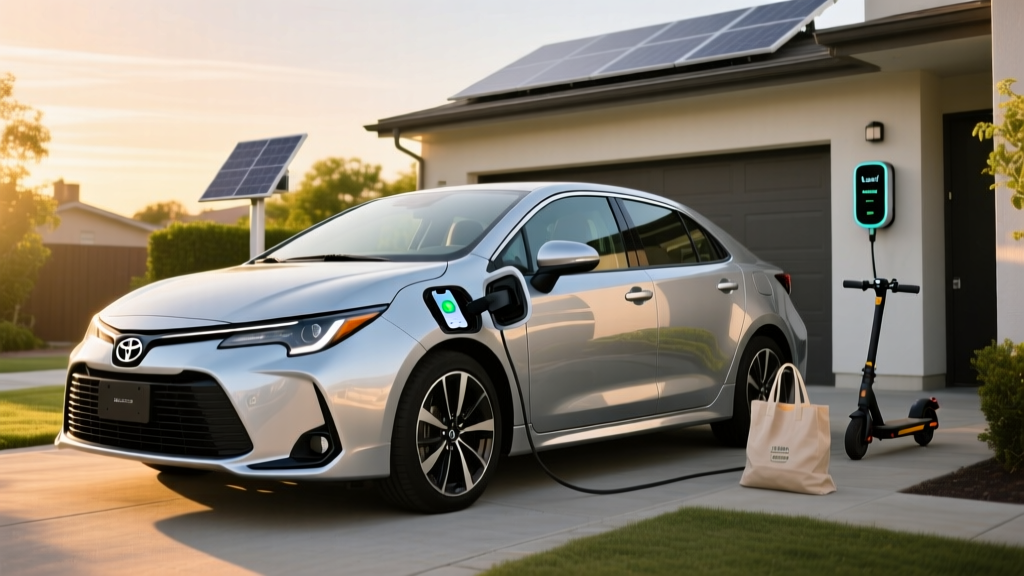
If you're choosing a PHEV as your first hybrid car, you need to understand the charging picture. Unlike full EVs, PHEV batteries are small enough that Level 1 (standard 120V outlet) charging is viable overnight.
| Charging Method | Power (kW) | Time to Full (13–18 kWh Battery) | DC Fast Charge? |
|---|---|---|---|
| Level 1 (120V household outlet) | 1.2–1.4 kW | 10–15 hours | No |
| Level 2 (240V home/public) | 3.3–7.2 kW | 2–5 hours | No |
| DC Fast Charging | 50+ kW | N/A | Rarely — most PHEVs lack DC capability |
Critical detail: The vast majority of 2026 PHEVs — including the RAV4 Prime, Tucson PHEV, and Pacifica Hybrid — do not support DC fast charging. Their onboard chargers max out at 3.3–7.2 kW on Level 2. The Mitsubishi Outlander PHEV is a rare exception with DC fast-charge capability (up to 22 kW, still far below EV speeds). Plan on overnight Level 1 or Level 2 charging at home; public DC fast chargers won't help you.
Tax Credits and Incentives: What's Available for Your First Hybrid in 2026
This is where HEVs and PHEVs diverge sharply on cost.
Conventional Hybrids (HEV)
Standard hybrids like the Prius, Camry Hybrid, and CR-V Hybrid do not qualify for the federal §30D clean vehicle tax credit. They are not plug-in vehicles and do not meet the battery-capacity threshold. Some states or utilities offer modest rebates ($250–$500), but there is no federal incentive.
Plug-In Hybrids (PHEV)
PHEVs may qualify for up to $7,500 under the IRS §30D Clean Vehicle Credit, but eligibility is heavily restricted. Here's the 2026 checklist:
- Battery capacity: Must be at least 7 kWh (all current PHEVs meet this).
- MSRP cap: SUVs, vans, and trucks must be ≤ $80,000; sedans ≤ $55,000.
- Buyer income cap: Adjusted gross income ≤ $150,000 (single), $225,000 (head of household), $300,000 (joint).
- Assembly: Vehicle must undergo final assembly in North America (check your VIN at the IRS eligible vehicle list).
- Battery sourcing: Critical minerals and battery components must meet phased-in sourcing requirements from U.S. or FTA-partner countries. This requirement tightens annually and disqualifies some models.
- Point-of-sale transfer: You can elect to transfer the credit to the dealer at purchase, reducing your out-of-pocket cost immediately (rather than waiting for tax filing).
Real example: The 2026 Toyota RAV4 Prime (MSRP $44,905, assembled in Japan) has faced eligibility challenges due to the North American assembly requirement. Always verify current eligibility on irs.gov before purchasing. The 2026 Jeep Wrangler 4xe (assembled in Ohio, MSRP ~$52,000) has historically qualified, but battery-sourcing rules may affect specific build dates.
Hybrid vs. PHEV vs. Full EV: Which First Electrified Car Fits You?
Choose a Conventional Hybrid (HEV) If:
- You have no access to home or workplace charging.
- You want maximum simplicity — no plug, no app, no charger installation.
- Your priority is low fuel cost with zero lifestyle change.
- You drive mostly in the city, where hybrids outperform their EPA ratings.
- Example pick: 2026 Toyota Prius at 57 MPG combined and ~$29,450.
Choose a Plug-In Hybrid (PHEV) If:
- You can install a Level 2 charger at home or have workplace charging.
- Your daily commute is under 40 miles round-trip (you'll rarely burn gas on weekdays).
- You want EV-like daily driving but need gas-engine range for road trips.
- You want potential access to the §30D tax credit (up to $7,500).
- Example pick: 2026 Toyota RAV4 Prime with 42 miles EV range and 302 hp.
Choose a Full EV If:
- You have reliable home charging and your daily driving is under 250 miles.
- You want zero gasoline expenses and minimal maintenance (no oil changes, no spark plugs).
- You're ready to plan road trips around DC fast-charging infrastructure.
- Example pick: 2026 Tesla Model Y Long Range at 320 miles EPA range.
Pros and Cons: Honest Trade-Offs for First Hybrid Car Buyers
Pros of Choosing a Hybrid
- 30–50% fuel savings vs. gas-only equivalents without range anxiety.
- No charging infrastructure required (HEV) or minimal charging needed (PHEV).
- Hybrid batteries carry 8yr/100k-mile warranties; proven to last 150k–250k+ miles.
- PHEVs offer EV-like commuting with gas-engine road-trip flexibility.
- Lower purchase price than comparable full EVs.
- Regenerative braking extends brake pad life significantly.
Cons to Consider
- HEVs still burn gasoline — you'll never eliminate fuel costs entirely.
- PHEVs are heavier and more complex (two full powertrains).
- Most PHEVs lack DC fast charging — road trips run on gas only.
- Federal tax credits exclude conventional hybrids entirely.
- PHEV cargo space can be reduced by the larger battery pack.
- Insurance premiums can be 5–15% higher than gas equivalents.
Frequently Asked Questions About Your First Hybrid Car
How many MPG does a hybrid really get in everyday driving?
Conventional hybrids like the 2026 Toyota Prius are EPA-rated at 57 MPG combined. In real-world city driving with frequent stops, expect 55–62 MPG (hybrids often beat their EPA city estimate). On the highway at 75 mph, expect 48–52 MPG. For a midsize SUV hybrid like the Honda CR-V Hybrid, real-world combined typically lands at 36–42 MPG vs. the 40 MPG EPA rating.
How far can a PHEV go on electric-only power?
Current 2026 PHEVs offer 25–50 miles of electric-only range. The Toyota RAV4 Prime leads at 42 EPA-rated electric miles; the Prius PHEV delivers 44 miles. In cold weather, subtract 25–35%. For most commuters with a sub-40-mile round trip and overnight charging, a PHEV will use little to no gasoline Monday through Friday.
Do conventional hybrids need to be plugged in?
No. A conventional hybrid (HEV) charges its small battery entirely through regenerative braking and the gas engine. You fuel it like any other car at a gas station. Only plug-in hybrids (PHEVs) require or benefit from being plugged in.
How long do hybrid batteries last and what does replacement cost?
Hybrid batteries are warranted for 8 years / 100,000 miles (10 years / 150,000 miles in CARB states). Real-world data from Toyota, Honda, and Hyundai shows most hybrid batteries last 150,000–250,000 miles before significant degradation. Replacement costs $2,000–$4,500 for HEV batteries and $4,000–$7,000 for PHEV batteries, with refurbished options available at lower cost.
Does a hybrid qualify for the federal tax credit?
Conventional hybrids (HEVs) do not qualify for any federal tax credit. Plug-in hybrids (PHEVs) may qualify for up to $7,500 under IRS §30D, subject to MSRP caps, buyer income limits, North American assembly requirements, and battery-sourcing rules. Always verify current eligibility on irs.gov before purchasing, as eligibility can change with model-year updates and sourcing rule phase-ins.
Is a hybrid more reliable than a gas car?
Historically, hybrids — particularly Toyota's — have matched or exceeded gas-car reliability. The hybrid system has fewer moving parts than a conventional transmission (no torque converter, no traditional multi-gear shifting). The electric motor has essentially no wear components. Consumer Reports and J.D. Power data consistently rank the Prius and Camry Hybrid among the most reliable vehicles in their segments. The main long-term cost risk is battery replacement after the warranty expires, which is a $2,000–$4,500 event most owners never face within typical ownership periods.
Should I get a hybrid or just go full EV?
Choose a hybrid if you lack home charging, frequently drive over 300 miles between stops, or live in an area with sparse DC fast-charging infrastructure. Choose a full EV if you have reliable home Level 2 charging, your daily driving is predictable, and you want to eliminate gasoline costs entirely. A PHEV is the middle ground — EV commuting with gas-engine insurance for long trips.
The Verdict: Your First Hybrid Car Decision Made Simple
If you can't charge at home and want effortless fuel savings, the 2026 Toyota Prius (57 MPG, $29,450) or Camry Hybrid (51 MPG, $30,490) remains the smartest first hybrid car purchase on the market. If you have home charging and a short commute, the RAV4 Prime (42 miles electric, 302 hp) or Prius PHEV (44 miles electric) gives you the best of both worlds — daily EV driving without sacrificing the freedom to take a cross-country road trip without planning a single charging stop.
Whatever you choose, verify tax credit eligibility on irs.gov, confirm the battery warranty terms in your state, and test-drive with your actual commute route in mind. The numbers above are your starting point — your driving habits will determine the real-world payoff.