Quick Verdict: The Elantra Hybrid's Fuel Economy Promise
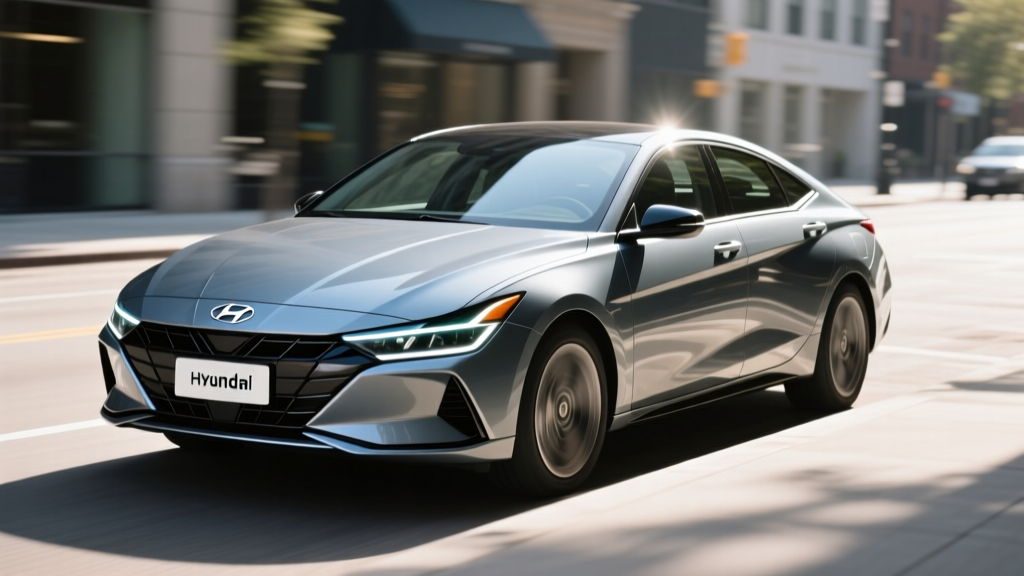
The 2026 Hyundai Elantra Hybrid remains one of the most fuel-efficient compact sedans on the market, with an EPA-estimated 54 MPG combined on the Blue trim. For buyers researching Elantra Hybrid MPG figures, the headline number is compelling — but real-world results vary depending on driving style, climate, and route type. Unlike a plug-in hybrid or full electric vehicle, the Elantra Hybrid (HEV) requires no plug, no behavior change, and no charging infrastructure. You simply fill it with gasoline and drive.
This guide covers the 2026 Elantra Hybrid's complete efficiency profile: EPA city and highway MPG, real-world fuel economy observations, powertrain mechanics, battery longevity, warranty terms, pricing, and how it stacks up against the Elantra PHEV (now discontinued in the US), full EVs like the Ioniq 6, and gas-only competitors.
2026 Elantra Hybrid MPG: EPA Estimates vs Real-World Results
Hyundai offers the 2026 Elantra Hybrid in three trims — Blue, SEL Limited, and Limited — and the fuel economy varies slightly by trim due to wheel size and weight differences.
| Trim | City MPG | Highway MPG | Combined MPG | Est. Range (mi) |
|---|---|---|---|---|
| Blue | 56 | 51 | 54 | ~640 |
| SEL Limited | 53 | 49 | 51 | ~605 |
| Limited | 53 | 49 | 51 | ~605 |
Source: fueleconomy.gov
Hybrids typically exceed their EPA city estimate in stop-and-go traffic because regenerative braking recovers energy that a gas car wastes as heat. In our experience and aggregated owner reports, the Elantra Hybrid Blue routinely achieves 55–60 MPG in city driving during moderate temperatures. Highway fuel economy is where hybrids lose their edge — at sustained 70–80 mph speeds, the electric motor assists less, and aerodynamic drag dominates. Expect 46–50 MPG on the highway in real-world conditions.
Cold-weather caveat: In sub-40°F conditions, expect a 5–12% fuel economy reduction. The engine runs more frequently to provide cabin heat and maintain operating temperature, reducing the hybrid system's electric-only operation time.
HEV vs PHEV: Understanding the Elantra Hybrid's Powertrain
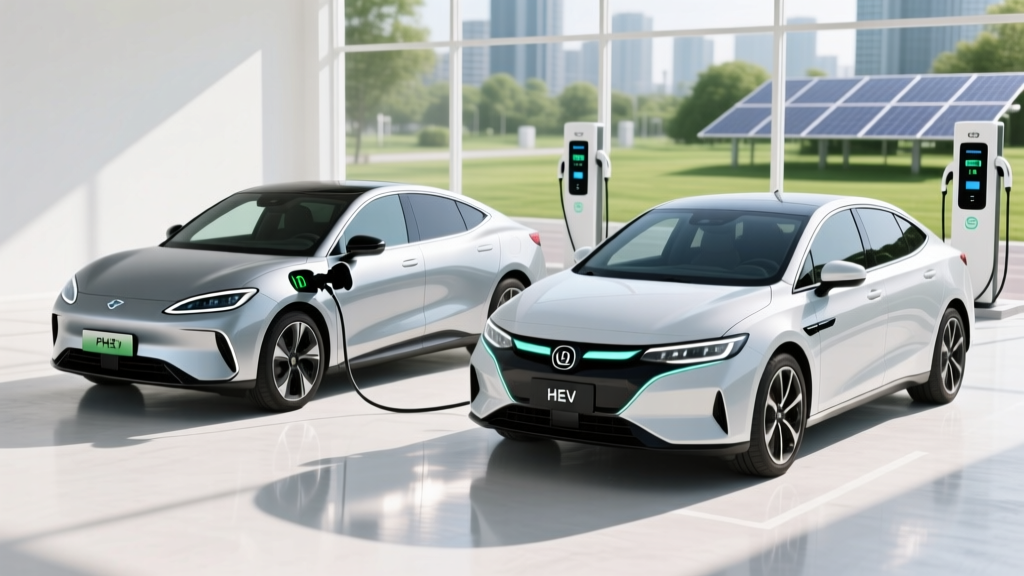
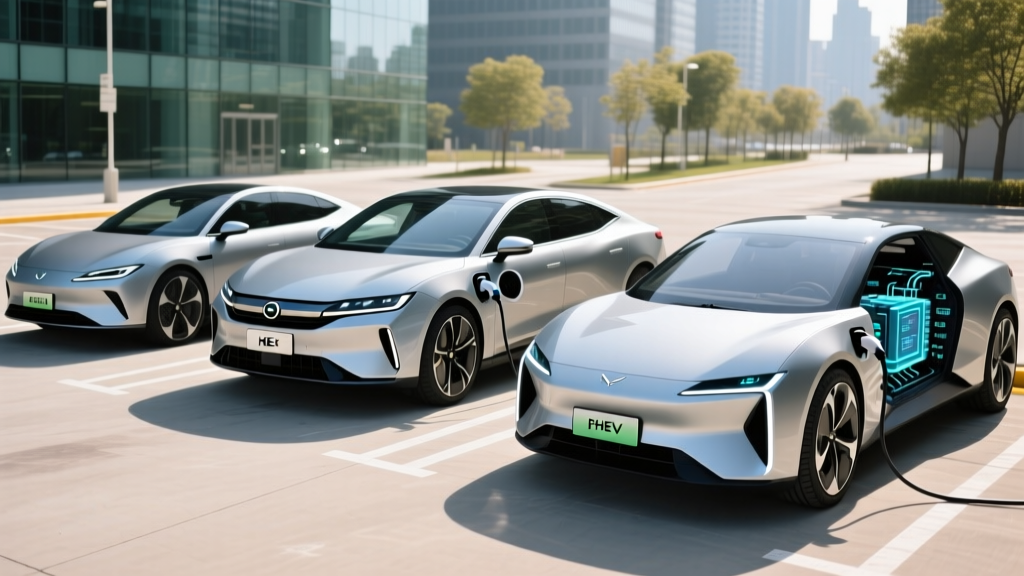
The 2026 Elantra Hybrid is a conventional hybrid electric vehicle (HEV). It cannot plug in, has no electric-only driving range to speak of (brief low-speed EV mode only), and refuels exclusively at gas stations. Hyundai previously offered the Elantra as a plug-in hybrid (PHEV) in the US market, but that variant was discontinued after the 2023 model year. Here's how the two architectures differ:
| Feature | Conventional Hybrid (HEV) | Plug-In Hybrid (PHEV) |
|---|---|---|
| Plugs in to charge? | No — charges via regen + engine | Yes — Level 1/Level 2 AC |
| Battery size | ~1.3 kWh (small buffer) | 10–18 kWh (typical) |
| Electric-only range | <1 mile at low speed | 25–45 miles (typical) |
| Fueling | Gasoline only | Gasoline + electricity |
| Federal tax credit | Not eligible (§30D) | Eligible if requirements met |
| Ideal for | No home charging access | Home charging + short commute |
If you're specifically looking for plug-in hybrid capability in Hyundai's lineup, the Tucson PHEV and Santa Fe PHEV are the current options. For a plug-in Elantra equivalent, you'd need to look at the used market or consider competitors like the Toyota Prius Prime.
Powertrain Specs: What Moves the Elantra Hybrid
| Engine | 1.6L GDI 4-cylinder Atkinson cycle |
| Engine HP / Torque | 104 hp / 109 lb-ft |
| Electric Motor | 32 kW permanent magnet synchronous |
| Motor HP / Torque | 43 hp / 125 lb-ft |
| Combined System Output | 139 hp / 195 lb-ft |
| Transmission | 6-speed dual-clutch automatic (DCT) |
| Hybrid Battery | ~1.3 kWh lithium-ion polymer |
| Drivetrain | Front-wheel drive |
| 0–60 mph (est.) | ~8.5 seconds |
| Curb Weight | ~3,050–3,150 lbs (trim-dependent) |
| Fuel Tank | 11.9 gallons |
The Elantra Hybrid uses a parallel hybrid architecture with a 6-speed dual-clutch transmission rather than the continuously variable transmission (CVT) found in the Toyota Prius. This gives the Elantra Hybrid a more conventional driving feel with distinct gear shifts, though it sacrifices a small amount of efficiency compared to a CVT's seamless ratio optimization.
The 1.6L Atkinson-cycle engine prioritizes thermal efficiency over peak power. The electric motor fills in torque at low RPMs — the 125 lb-ft of motor torque is available from near-zero RPM, which is why the Elantra Hybrid feels surprisingly responsive from a stoplight despite its modest 139 combined horsepower.
Pricing, Trims, and Tax Credit Eligibility
| Trim | MSRP (approx.) | Key Features |
|---|---|---|
| Blue | $26,250 | 16" aero wheels, 8" display, Hyundai SmartSense, wireless CarPlay/Android Auto |
| SEL Limited | $29,500 | 17" wheels, 10.25" digital cluster, heated seats, blind-spot monitor |
| Limited | $32,000 | Leather, Bose audio, sunroof, highway driving assist, 10.25" nav |
No. The Elantra Hybrid is a conventional HEV and does not qualify for the IRS §30D Clean Vehicle Credit. That credit applies only to plug-in electric vehicles (BEVs and PHEVs) that meet battery sourcing, MSRP cap, and buyer income requirements.
Some states offer their own incentives for hybrid purchases — check your state energy office or department of revenue. Additionally, if you purchase a used hybrid, the §25E used clean vehicle credit may apply to qualifying pre-owned PHEVs and BEVs (not conventional HEVs), with income limits and a price cap of $25,000.
Battery Longevity, Warranty, and Replacement Cost
Hybrid battery anxiety is the most common concern we hear from prospective hybrid buyers. Here's what the data shows:
The Elantra Hybrid's ~1.3 kWh lithium-ion polymer battery operates within a narrow state-of-charge window — the hybrid control system never fully charges or fully depletes it, which dramatically reduces degradation stress compared to a full EV battery that cycles through a wider range.
- Hybrid battery: 10 years / 100,000 miles (whichever comes first)
- Hybrid system components: 10 years / 100,000 miles
- Powertrain warranty: 10 years / 100,000 miles
- New vehicle warranty: 5 years / 60,000 miles
If the hybrid battery fails within the warranty period, Hyundai covers replacement at no cost. This is one of the strongest hybrid warranties in the industry and matches Toyota's coverage.
Real-world lifespan: Data from Hyundai and Toyota hybrid fleets indicates that modern hybrid batteries routinely last 150,000–200,000+ miles before significant capacity loss. The small buffer battery in an HEV is less stressed than a large EV pack, and replacement cost — if needed out of warranty — typically ranges from $2,000 to $3,500 including labor for the Elantra Hybrid. This is substantially less than EV battery replacement ($8,000–$20,000+).
Elantra Hybrid vs Alternatives: Which Powertrain Fits You?
- You have no access to home or workplace charging
- You want maximum MPG with zero behavior change
- Your budget is under $33,000
- You drive 12,000–20,000+ miles per year and want low fuel cost
- You want a proven, low-maintenance powertrain
- You have reliable Level 2 home charging
- You want to eliminate gasoline entirely
- You qualify for the §30D federal tax credit (up to $7,500)
- You want lower per-mile "fuel" cost (~$0.04/mi electricity vs ~$0.08/mi gas at 54 MPG)
- You're comfortable with 250–360 miles of range and occasional DC fast charging on road trips
- You have home charging and a commute under 40 miles
- You want electric-only daily driving plus gas-engine flexibility for road trips
- You want partial §30D tax credit eligibility
| Model | Combined MPG | City MPG | Hwy MPG | Base MSRP | Powertrain |
|---|---|---|---|---|---|
| Hyundai Elantra Hybrid Blue | 54 | 56 | 51 | ~$26,250 | HEV |
| Toyota Prius LE | 57 | 57 | 56 | ~$28,550 | HEV |
| Toyota Prius Prime SE (PHEV) | 52 (hybrid) / 127 MPGe | — | — | ~$33,450 | PHEV (44 mi EV) |
| Honda Civic Hybrid | 49 | 50 | 47 | ~$29,850 | HEV |
The Prius edges the Elantra Hybrid by 3 MPG combined, largely due to Toyota's series-parallel hybrid synergy drive and CVT optimization. The Elantra Hybrid counters with a lower starting price (by ~$2,300), a more conventional driving feel from its DCT, and Hyundai's generous 10-year warranty. The Honda Civic Hybrid trails on efficiency but offers a sportier chassis.
Ownership Costs: 5-Year Fuel Savings Breakdown
| Metric | Elantra Hybrid Blue (54 MPG) | Gas Compact Sedan (30 MPG) |
|---|---|---|
| Total fuel consumed | ~1,389 gallons | ~2,500 gallons |
| Fuel cost @ $3.40/gal | ~$4,723 | ~$8,500 |
| Cost per mile | ~$0.063 | ~$0.113 |
| 5-year fuel savings | ~$3,777 | |
At current national average gas prices, the Elantra Hybrid saves roughly $755 per year in fuel compared to a typical 30 MPG gas compact sedan. Over a 5-year ownership period, that's nearly $3,800 back — effectively offsetting a significant portion of the hybrid's price premium over a gas-only Elantra.
Maintenance costs are also favorable. The Elantra Hybrid has no plug-in charging equipment to maintain, and Hyundai's hybrid system is well-proven. Expect standard maintenance: oil changes (the Atkinson-cycle engine still requires them), tire rotations, brake fluid, and cabin air filter. Notably, brake pad life is extended thanks to regenerative braking handling much of the deceleration — many hybrid owners report 80,000+ miles on original brake pads.
Pros and Cons
- 54 MPG combined (Blue trim) — among the best in the segment
- No plug required — zero lifestyle change from a gas car
- 10-year/100,000-mile hybrid battery warranty
- Low starting price ($26,250 Blue trim)
- DCT provides more engaging driving feel than CVT competitors
- Strong city MPG that often exceeds EPA estimate in real-world use
- Extended brake pad life from regenerative braking
- Highway MPG drops below EPA estimate at sustained 75+ mph
- No federal tax credit eligibility (HEV, not PHEV/BEV)
- Cold-weather fuel economy penalty (5–12%)
- Modest 139 hp — adequate but not quick (0–60 in ~8.5 sec)
- PHEV variant discontinued — no plug-in Elantra option in 2026
- 11.9-gallon tank means more frequent fill-ups despite high MPG
Frequently Asked Questions
How many MPG does the 2026 Elantra Hybrid actually get?
The EPA rates the Elantra Hybrid Blue at 56 city / 51 highway / 54 combined MPG. In real-world driving, city MPG often exceeds the EPA estimate (55–60 MPG is common), while highway MPG may fall slightly below at sustained high speeds (46–50 MPG). Cold weather reduces efficiency by 5–12%.
Does the Elantra Hybrid need to be plugged in?
No. The Elantra Hybrid is a conventional HEV. Its small battery charges through regenerative braking and the gasoline engine. You never plug it in — just fill up at a gas station as you would with any conventional car.
Is there a plug-in hybrid (PHEV) version of the Elantra?
Hyundai discontinued the Elantra PHEV for the US market after the 2023 model year. If you need plug-in hybrid capability in a Hyundai, the Tucson PHEV and Santa Fe PHEV are the current options. For a compact PHEV sedan, the Toyota Prius Prime (44 miles EV range, 127 MPGe) is the closest competitor.
How long does the Elantra Hybrid battery last?
Hyundai warranties the hybrid battery for 10 years or 100,000 miles. Real-world data from Hyundai and Toyota hybrid fleets shows modern hybrid batteries commonly lasting 150,000–200,000+ miles. Out-of-warranty replacement cost is typically $2,000–$3,500 — significantly less than EV battery replacement.
Does the Elantra Hybrid qualify for any tax credit?
The Elantra Hybrid does not qualify for the federal §30D Clean Vehicle Credit, which applies only to plug-in vehicles (BEVs and PHEVs). Some states may offer their own hybrid incentives — check your state's energy office. The Elantra Hybrid's low MSRP and strong fuel economy provide savings through reduced fuel costs rather than tax incentives.
How does the Elantra Hybrid compare to the Toyota Prius?
The 2026 Prius LE achieves 57 MPG combined versus the Elantra Hybrid Blue's 54 MPG. The Prius costs approximately $2,300 more at base. The Elantra Hybrid uses a 6-speed DCT for a more traditional driving feel, while the Prius uses a CVT. Both carry strong hybrid warranties (Hyundai: 10yr/100k; Toyota: 10yr/150k on hybrid battery). The Prius wins on pure efficiency; the Elantra Hybrid wins on value.
Is the Elantra Hybrid reliable?
Hyundai's hybrid powertrain has demonstrated strong reliability since the Ioniq Hybrid's introduction in 2017. The 1.6L GDI engine and 6-speed DCT are proven components. IIHS safety ratings and long-term owner surveys indicate the Elantra Hybrid is a low-risk ownership proposition, backed by the industry-leading 10-year/100,000-mile powertrain and hybrid warranty.