If you're shopping for a more fuel-efficient vehicle but aren't ready to commit to a fully electric car, a hybrid is probably on your shortlist. One of the most common questions we hear from first-time hybrid buyers is straightforward: do I have to charge a hybrid car? The answer depends entirely on which type of hybrid you choose — and that distinction matters more than most dealerships will tell you.
This guide breaks down the two hybrid categories available in 2026, explains exactly when you'll need a plug and when you won't, and gives you the real numbers — EPA MPG, electric-only range, battery warranties, and pricing — to make the right call.
The Short Answer: It Depends on the Hybrid Type
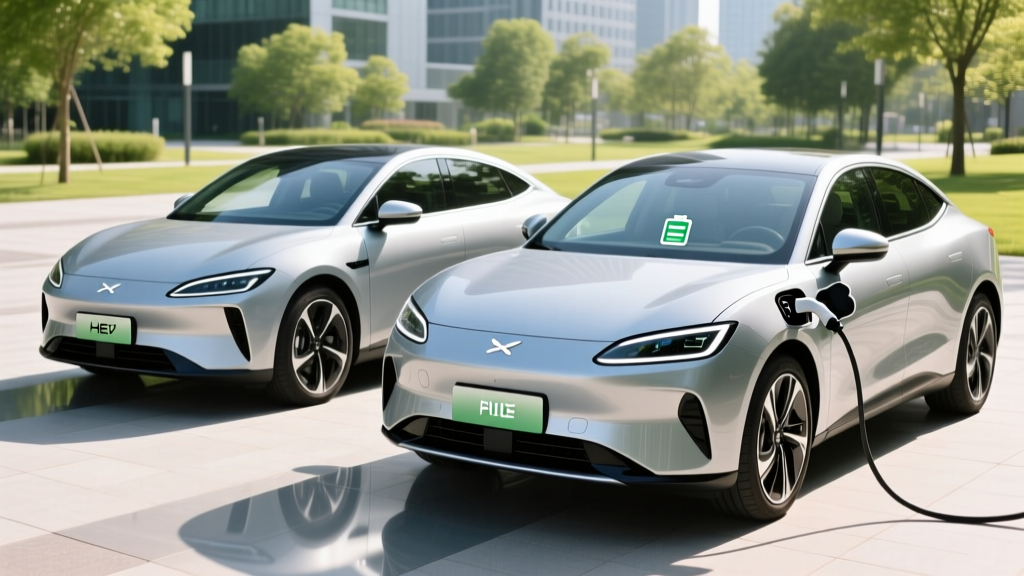
There are two fundamentally different hybrid architectures sold in the U.S. today, and only one of them requires you to plug in:
Conventional Hybrid (HEV) — No Plug Required
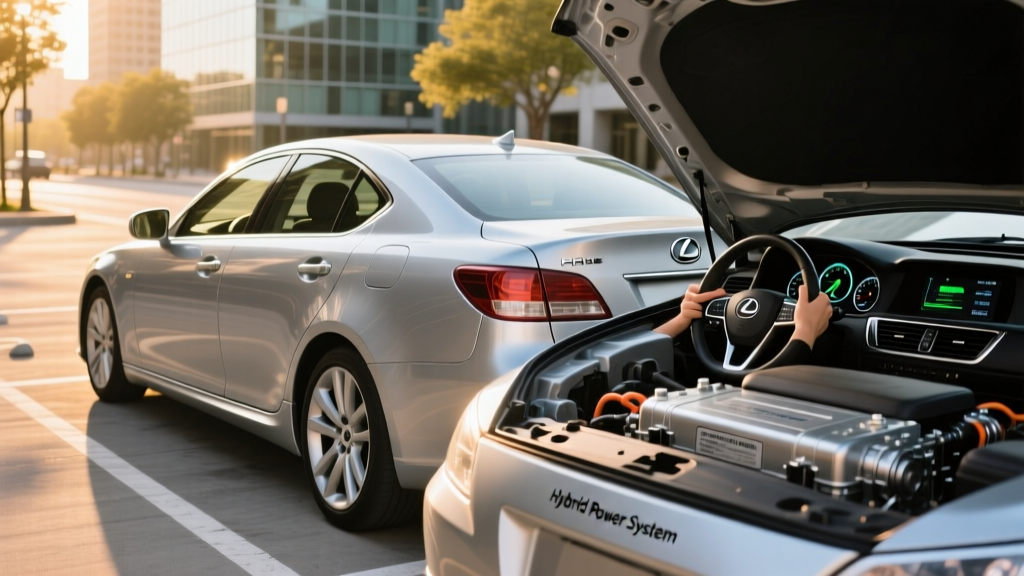
A standard hybrid like the Toyota Prius or Honda CR-V Hybrid generates all its electricity internally. A gasoline engine powers a generator and a regenerative braking system captures energy during deceleration. That electricity feeds a small battery (typically 0.6–1.3 kWh) which assists the engine during acceleration. You never plug it in. You fuel it exactly like a gas car and it delivers significantly better MPG.
Plug-In Hybrid (PHEV) — Plug Required for Full Benefit
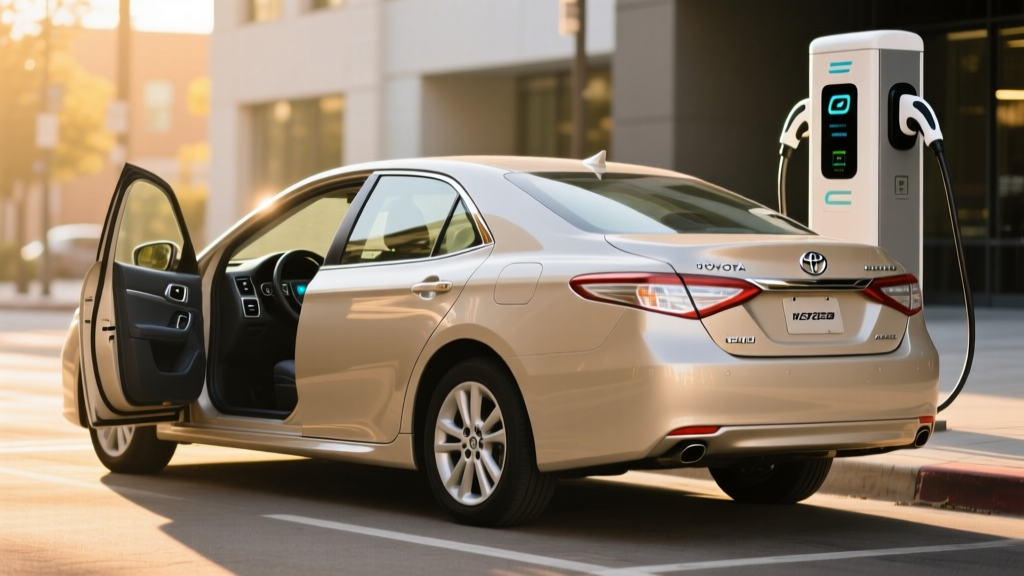
A plug-in hybrid like the Toyota RAV4 Prime or Hyundai Tucson PHEV carries a much larger battery (typically 13–22 kWh) and can be plugged into a wall outlet or Level 2 charger. When charged, a PHEV drives 25–45 miles on electricity alone before the gas engine takes over. You don't have to plug it in — it will still operate as a conventional hybrid on gas — but you'll forfeit the cheap electric-only miles that justify the higher purchase price.
HEV vs PHEV: Side-by-Side at a Glance
| Attribute | Conventional Hybrid (HEV) | Plug-In Hybrid (PHEV) |
|---|---|---|
| Must plug in? | No — never | Optional, but strongly recommended |
| Battery capacity | 0.6 – 1.3 kWh | 13 – 22 kWh |
| Electric-only driving | None (EV assist only, ~1 mi at low speed) | 25 – 45 miles EPA |
| Typical EPA combined MPG | 40 – 57 MPG | 35 – 42 MPG (gas mode) / 94 – 127 MPGe (electric) |
| Federal tax credit (§30D) | Not eligible | Up to $7,500 if requirements met |
| Home charging needed? | No | Recommended (Level 1 or Level 2) |
| Price premium over gas model | $1,000 – $3,000 | $4,000 – $9,000 |
How Many MPG Does a Hybrid Get? Real Numbers for 2026
Fuel economy is the primary reason most buyers go hybrid. Here's what the EPA rates popular 2026 models at — along with what we've observed in real-world mixed driving. One important note: hybrids frequently exceed their EPA city estimates because regenerative braking recovers more energy in stop-and-go traffic. Highway MPG tends to run slightly below the sticker, the opposite of gas cars.
| 2026 Model | Type | City MPG | Hwy MPG | Combined | Real-World Observed |
|---|---|---|---|---|---|
| Toyota Prius LE | HEV | 57 | 56 | 57 | 52–60 |
| Honda Accord Hybrid | HEV | 51 | 44 | 48 | 44–52 |
| Toyota RAV4 Hybrid | HEV | 41 | 38 | 40 | 37–43 |
| Hyundai Tucson Hybrid | HEV | 38 | 38 | 38 | 35–40 |
| Toyota RAV4 Prime | PHEV | 40 (gas) / 94 MPGe | 36 (gas) | 38 / 94 MPGe | 38–44 (gas) |
| Hyundai Tucson PHEV | PHEV | 35 (gas) / 80 MPGe | 35 (gas) | 35 / 80 MPGe | 33–38 (gas) |
| Chrysler Pacifica PHEV | PHEV | 29 (gas) / 82 MPGe | 30 (gas) | 30 / 82 MPGe | 28–32 (gas) |
Source: fueleconomy.gov (EPA estimates). Real-world observed ranges reflect mixed driving conditions including highway, city, and moderate temperatures.
PHEV Electric-Only Range: How Far Can You Go Without Gas?
For PHEV buyers, the electric-only range is the headline number. This is how far you can drive on a full battery charge before the gasoline engine starts. In 2026, PHEVs typically deliver between 25 and 45 EPA-rated miles on electricity alone. Here are specifics for popular models:
| 2026 PHEV Model | EV Range (EPA) | Battery (kWh) | Combined HP | Level 2 Charge Time | DC Fast Charge? |
|---|---|---|---|---|---|
| Toyota RAV4 Prime | 42 mi | 18.1 kWh | 302 hp | ~2.5 hrs (6.6 kW) | No |
| Hyundai Tucson PHEV | 33 mi | 13.8 kWh | 261 hp | ~2 hrs (7.2 kW) | No |
| Jeep Wrangler 4xe | 22 mi | 17.3 kWh | 375 hp | ~2.5 hrs (7.2 kW) | No |
| Chrysler Pacifica PHEV | 32 mi | 16.0 kWh | 260 hp | ~2 hrs (6.6 kW) | No |
| Toyota Prius Prime | 44 mi (SE) | 13.6 kWh | 220 hp | ~4 hrs (3.5 kW) | No |
Sources: EPA estimates via fueleconomy.gov; manufacturer specifications.
Real-World PHEV Range vs. EPA Sticker
PHEV electric range is highly sensitive to driving conditions. Expect the following deviations from EPA estimates:
- Highway driving (70+ mph): 15–25% less EV range. Electric motors are less efficient at sustained high speeds.
- Cold weather (below 30°F): 20–35% less EV range. Battery chemistry slows and cabin heating draws significant energy.
- City driving with regen: You may exceed EPA range by 5–10%. Stop-and-go traffic maximizes regenerative braking recovery.
A RAV4 Prime rated at 42 miles EPA might deliver 50 miles on a mild day running errands around town — or just 28 miles on a cold January highway commute.
Charging a PHEV: What You Need (and What It Costs)
If you choose a PHEV, here's the practical charging picture. Unlike full EVs with 75–130 kWh batteries, PHEV batteries are small enough that even a standard household outlet (Level 1, 120V) is a viable daily charging strategy.
| Charging Level | Power (kW) | Full Charge Time (typical PHEV) | Equipment Needed |
|---|---|---|---|
| Level 1 (120V household outlet) | 1.0 – 1.4 kW | 8 – 14 hours | Included cordset; standard outlet |
| Level 2 (240V home charger) | 3.5 – 7.2 kW | 2 – 4 hours | Home EVSE ($300–$700) + electrician install |
| DC Fast Charge | N/A | N/A | Not supported on most PHEVs |
Key takeaway: Most PHEV owners plug into a standard 120V outlet overnight and wake up to a full battery every morning. The small battery means you don't need an expensive Level 2 home charger installation — though a Level 2 unit is convenient if you want a midday top-up or have a short turnaround between drives.
Cost to charge a PHEV at home: At the U.S. average electricity rate of ~$0.16/kWh, fully charging a 14 kWh PHEV battery costs roughly $2.24 — enough for 30–40 miles of electric driving. That's equivalent to paying about $0.65–$0.75 per gallon of gasoline on a cost-per-mile basis.
Pricing, Tax Credits, and Total Cost of Ownership
Hybrids carry a price premium over their gas-only counterparts, but the fuel savings — and in the PHEV case, potential tax credits — can offset that gap.
Conventional Hybrid (HEV) Pricing
HEVs are not eligible for the federal §30D new clean vehicle tax credit, which applies only to plug-in electric vehicles. However, the fuel savings are substantial. A Prius LE starting around $29,000 MSRP that achieves 57 MPG combined versus a comparable gas-only Corolla at ~33 MPG combined saves roughly $700–$900 per year in fuel for a driver covering 15,000 miles annually at $3.30/gallon. That pays back the hybrid premium in 2–3 years.
Plug-In Hybrid (PHEV) Pricing and Tax Credits
PHEVs may qualify for up to $7,500 under the §30D federal tax credit, but eligibility is strict and varies by model and buyer circumstances. Here are the current requirements per IRS guidelines:
§30D Tax Credit Eligibility Checklist (2026)
- Battery capacity: At least 7 kWh (most PHEVs qualify)
- MSRP cap: Vans/SUVs/pickups ≤ $80,000; sedans ≤ $55,000
- Buyer income cap: AGI ≤ $150,000 (single) / $225,000 (head of household) / $300,000 (joint)
- Battery sourcing: Critical minerals and battery components must meet escalating domestic/free-trade sourcing thresholds — this disqualifies some models
- Point-of-sale transfer: Credit can be applied at the dealership to reduce the purchase price directly
- Final assembly: Vehicle must undergo final assembly in North America
Eligibility changes as sourcing rules tighten. Always verify current status at fueleconomy.gov and consult a tax professional before relying on credit estimates.
As of early 2026, PHEVs like the Chrysler Pacifica Hybrid and certain Jeep 4xe models have qualified for partial or full credits, while the RAV4 Prime's eligibility has fluctuated due to battery component sourcing. Always confirm at the point of purchase.
Hybrid Battery Reliability and Replacement Costs
Hybrid battery longevity is the single most common concern we hear from prospective buyers — and it's one area where decades of real-world data should ease your mind.
Hybrid Battery Warranty Standards
- Federal minimum: All hybrid and PHEV batteries are warranted for at least 8 years / 100,000 miles (10 years / 150,000 miles in CARB states like California, New York, and Massachusetts)
- Toyota: 10 years / 150,000 miles on all hybrid batteries (nationwide, starting 2020 model year)
- Hyundai/Kia: 10 years / 100,000 miles
- Honda: 8 years / 100,000 miles (10 years / 150,000 in CARB states)
These warranties guarantee the battery will retain a specified capacity (typically 60–70% of original). If it degrades below that threshold within the warranty period, the manufacturer replaces it at no cost.
Real-World Longevity Data
Toyota Prius taxis have logged over 300,000 miles on original hybrid batteries. Nickel-metal hydride (NiMH) batteries in conventional HEVs degrade slowly because they operate in a narrow state-of-charge window — the car's computer never lets the battery fully charge or fully drain, which dramatically extends cycle life. PHEV lithium-ion batteries see more stress but are still engineered for 15+ years of typical use.
Out-of-Warranty Replacement Costs
If you plan to keep a hybrid past the warranty window, here's what replacement costs look like:
- HEV battery (Prius, Camry Hybrid, etc.): $2,000 – $4,000 installed (remanufactured units available for $1,000 – $2,000)
- PHEV battery (RAV4 Prime, Tucson PHEV, etc.): $6,000 – $10,000 installed (larger lithium-ion pack)
These costs are declining as the refurbishment market matures. In practice, fewer than 5% of hybrid batteries require replacement within the first 15 years of service, according to industry data.
Who Should Choose an HEV, PHEV, or Full EV?
The decision between a conventional hybrid, plug-in hybrid, and battery-electric vehicle comes down to your charging access, driving patterns, and budget. Here's a practical framework:
Choose a Conventional Hybrid (HEV) If:
- You have no access to home or workplace charging (apartment, street parking, no garage)
- You want maximum MPG with zero behavioral change — just fill up at gas stations as usual
- Your budget is tighter and you want a smaller price premium ($1,000–$3,000 over gas)
- You do mostly city driving where regenerative braking maximizes efficiency
Choose a Plug-In Hybrid (PHEV) If:
- You can charge at home (even a standard 120V outlet works) and your daily commute is under 40 miles round-trip
- You want to drive mostly electric day-to-day but need gas flexibility for road trips
- You want to reduce fuel costs significantly without any range anxiety
- You may qualify for the §30D tax credit, offsetting the higher purchase price
Choose a Full EV (BEV) If:
- You have reliable Level 2 home charging and your daily driving is within the vehicle's range
- You want zero tailpipe emissions and the lowest per-mile fuel cost
- You're ready to plan occasional road trips around DC fast charging infrastructure
- You want maximum tax credit eligibility and the lowest long-term maintenance costs
Pros and Cons: Hybrid Ownership at a Glance
Advantages
- Significantly better MPG than gas equivalents (40–57 combined for HEVs)
- No charging infrastructure needed (HEV)
- Proven long-term reliability with 20+ years of hybrid data
- Strong 8–10 year battery warranties
- PHEVs offer electric commuting + gas road-trip flexibility
- Lower annual fuel costs pay back the premium in 2–4 years
Limitations
- Higher upfront cost vs. gas-only models ($1,000–$9,000 premium)
- HEVs are not eligible for federal EV tax credits
- PHEV electric range is limited (22–44 mi) — not enough for all commutes
- PHEVs are heavier than HEVs, slightly reducing gas-mode MPG
- Most PHEVs do not support DC fast charging
- Out-of-warranty PHEV battery replacement is costly ($6K–$10K)
Frequently Asked Questions
Do I have to charge a hybrid car?
No — if it's a conventional hybrid (HEV) like the Toyota Prius or Honda CR-V Hybrid, you never plug it in. It charges its own small battery through regenerative braking and the gas engine. If it's a plug-in hybrid (PHEV) like the RAV4 Prime, you can plug it in to access 25–45 miles of electric-only driving, but it will still run on gas if you don't.
Can I plug a regular hybrid into a wall outlet?
No. Conventional hybrids (HEVs) have no charging port. They are not designed to accept external electricity. Only plug-in hybrids (PHEVs) and full EVs (BEVs) have charging ports.
What happens if I never charge my PHEV?
It will function as a conventional hybrid, running on gasoline with the electric motor assisting when possible (using energy recovered from braking). You'll get decent MPG — typically 35–40 combined — but you'll miss out on the cheap electric-only miles and the cost-per-mile advantage that justifies the PHEV's higher purchase price.
How long do hybrid batteries last?
Most hybrid batteries last the lifetime of the vehicle. Toyota's hybrid batteries are warranted for 10 years / 150,000 miles nationwide, and real-world data shows many Prius batteries exceeding 200,000 miles with minimal degradation. PHEV lithium-ion batteries are similarly durable, with 8–10 year warranties standard across manufacturers.
How much does it cost to replace a hybrid battery?
Conventional HEV battery replacement runs $2,000–$4,000 (less for remanufactured units). PHEV battery replacement is more expensive at $6,000–$10,000 due to the larger lithium-ion pack. However, fewer than 5% of hybrid batteries need replacement within 15 years, and most failures occur within the warranty period.
Does a hybrid qualify for a tax credit?
Conventional hybrids (HEVs) do not qualify for the federal §30D clean vehicle tax credit. Plug-in hybrids (PHEVs) may qualify for up to $7,500, subject to MSRP caps, buyer income limits, and battery sourcing requirements. Check current eligibility at fueleconomy.gov and consult a tax professional.
Is a hybrid better than a full EV?
Neither is universally better — it depends on your situation. A hybrid (HEV) is better if you lack home charging access or frequently drive long distances. A PHEV is the best of both worlds if you can charge at home and commute under 40 miles. A full EV (BEV) offers the lowest operating costs and zero tailpipe emissions but requires charging infrastructure and range planning for road trips.
Safety ratings referenced from NHTSA and IIHS. All pricing reflects manufacturer MSRP and is subject to dealer variation. Tax credit rules are subject to change — verify current eligibility before purchase.