The Reality of Winter Driving in Electrified Vehicles
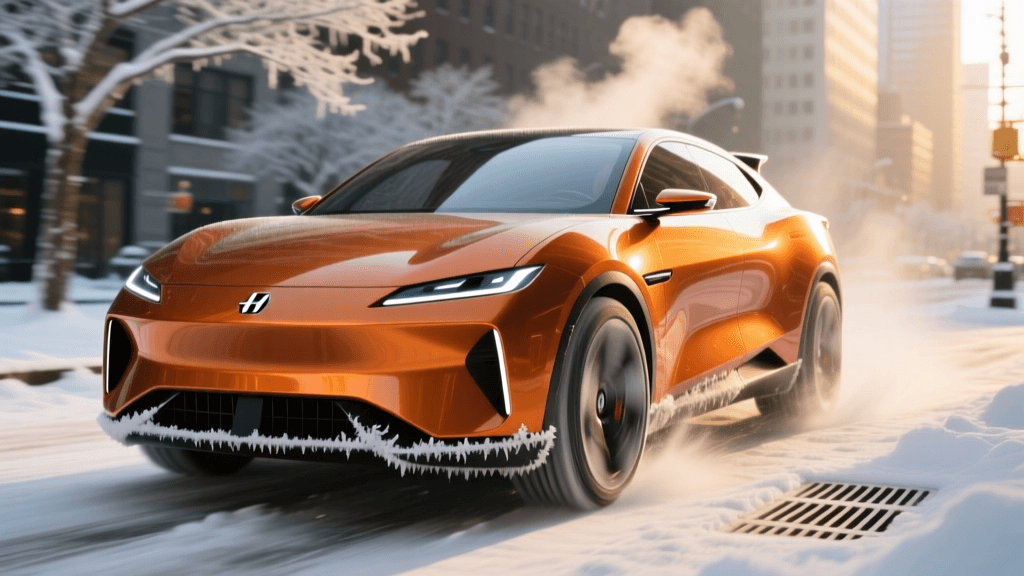
For drivers of hybrid and plug-in hybrid electric vehicles (PHEVs), winter brings a unique set of challenges that go far beyond navigating icy roads and snowy commutes. While conventional internal combustion engine (ICE) vehicles experience a modest drop in fuel economy during the colder months, hybrids and PHEVs face a compounded efficiency penalty. The combination of degraded battery chemistry, increased aerodynamic drag from dense cold air, and the massive energy draw of cabin heating can drastically alter your vehicle's daily range and operational behavior.
As experts in automotive electrification, we frequently see PHEV owners caught off guard when their vehicle unexpectedly fires up its gas engine in the middle of a sub-zero commute, even when the dashboard indicates a full battery charge. Understanding the mechanical and chemical reasons behind these winter quirks is the first step toward mastering cold-weather efficiency. In this guide, we break down the science of cold-weather performance loss and provide actionable, expert-level best practices to help you maximize your hybrid or PHEV's range, protect your battery health, and maintain a comfortable cabin when the mercury drops.
The Science: Why Cold Weather Saps Battery Performance
To understand winter range loss, we must look at the lithium-ion battery cells that power the electric drivetrains of modern hybrids and PHEVs. Lithium-ion batteries rely on the movement of ions through a liquid electrolyte between the anode and cathode. When temperatures drop below freezing (32°F / 0°C), this electrolyte becomes significantly more viscous. This increased viscosity creates higher internal electrical resistance within the battery pack.
Higher internal resistance means the battery cannot deliver or accept energy as efficiently. A portion of the battery's stored energy is wasted as heat simply overcoming this internal friction. Furthermore, to protect the delicate cell structures from lithium plating—a phenomenon where metallic lithium forms on the anode during charging in cold conditions—the vehicle's Battery Management System (BMS) will artificially limit power output and regenerative braking capabilities. According to the U.S. Department of Energy, cold weather increases the energy required to move a vehicle due to a combination of battery inefficiencies, stiffer mechanical fluids, and increased rolling resistance, creating a multi-layered penalty for electrified powertrains.
Efficiency Loss by Drivetrain: What the Data Shows
Not all electrified vehicles suffer equally in the cold. The impact varies heavily based on battery size, the presence of active thermal management systems, and the vehicle's reliance on electric-only propulsion. Below is an estimated breakdown of how freezing temperatures (around 20°F / -6°C) impact different drivetrain architectures compared to their 75°F (24°C) baselines.
| Drivetrain Type | Average Range / Efficiency Loss at 20°F | Primary Cause of Loss | Engine Intervention Likelihood |
|---|---|---|---|
| Standard Hybrid (HEV) | 10% - 15% Drop in MPG | Increased engine idle time for cabin heat; stiffer mechanical fluids. | Constant (Engine runs frequently) |
| PHEV (EV-Only Mode) | 20% - 35% Drop in Electric Range | Battery internal resistance; high energy draw from electric cabin heaters. | High (Engine turns on for heat/battery protection) |
| PHEV (Hybrid Mode) | 15% - 20% Drop in Combined MPG | Similar to HEV, but mitigated slightly by regenerative braking when warmed. | Constant (Engine utilized for optimal thermal efficiency) |
A comprehensive study by AAA’s Automotive Engineering found that when temperatures drop to 20°F and the cabin heater is utilized, the driving range of electrified vehicles can plummet by up to 41%. While this study heavily focused on full EVs, PHEVs operating in EV mode experience the exact same thermodynamic penalties, severely shrinking their already limited 25-to-40-mile electric envelopes.
The Cabin Heating Penalty: ICE vs. Heat Pumps
The single largest drain on a PHEV’s battery in the winter is not the electric motor—it is the cabin heater. In a traditional gas-powered car, cabin heat is essentially "free." It is scavenged from the waste heat generated by the internal combustion engine. However, when you force a PHEV to operate in EV mode, the gas engine is off, meaning there is no waste heat to harvest.
To compensate, PHEVs use either Positive Temperature Coefficient (PTC) electric heaters or advanced electric heat pumps. PTC heaters act like giant hair dryers, drawing massive amounts of kilowatt-hours directly from the traction battery. This can easily consume 3 to 5 kW of continuous power, decimating a PHEV's small battery pack in a matter of minutes. Newer PHEVs, such as the latest generation Toyota Prius Prime, utilize heat pump systems which are vastly more efficient, extracting ambient heat from the outside air and compressing it to warm the cabin. However, even heat pumps lose efficiency and require supplemental PTC heating when outside temperatures drop below 10°F (-12°C).
Expert Best Practices for Maximizing Winter Range
While you cannot change the laws of chemistry or thermodynamics, you can adapt your driving and charging habits to mitigate winter range loss. Implement these expert-level strategies to get the most out of your hybrid or PHEV this winter.
1. Precondition the Cabin While Plugged In
If you own a PHEV with access to Level 1 or Level 2 home charging, preconditioning is your most powerful tool. Set your vehicle's departure timer to warm the cabin and battery while it is still connected to the grid. This draws the heavy energy load from your home's electrical panel rather than your vehicle's battery pack, ensuring you start your commute with a warm interior, a warmed battery (reducing internal resistance), and a 100% full state of charge.
2. Prioritize Seat and Steering Wheel Heaters
Heating the air in a large vehicle cabin is incredibly inefficient. Instead, rely on heated seats and heated steering wheels. These features use conductive heating, which requires a fraction of the wattage (often less than 100 watts per seat) compared to the 3,000+ watts required by a PTC cabin air heater. By lowering the cabin thermostat to 62°F (16°C) and using your seat heaters, you can reclaim miles of lost electric range.
3. Embrace "Hybrid Mode" in Extreme Cold
Many PHEV owners obsessively try to stay in EV mode, but in sub-zero temperatures, this is counterproductive. If the ambient temperature is below freezing, allow the vehicle to use its "Hybrid" or "Auto" mode. The vehicle's computer will intelligently fire up the gas engine, not just to propel the car, but to generate waste heat for the cabin and to bring the battery pack up to its optimal operating temperature. Once the battery is warm, the system will seamlessly transition back to electric power, resulting in better overall efficiency than forcing a cold battery to do all the work.
4. Manage Your Winter Tire Rolling Resistance
Switching to dedicated winter tires is a non-negotiable safety requirement for snowy climates, but the softer rubber compounds and aggressive tread patterns increase rolling resistance by up to 20%. To compensate, ensure your tire pressures are strictly monitored. For every 10°F drop in temperature, tires lose roughly 1 PSI. Check your pressures in the morning before driving and inflate them to the manufacturer's cold-weather specifications to minimize drag.
Regenerative Braking Limitations in the Cold
One of the most jarring experiences for a new hybrid or PHEV owner in the winter is the sudden disappearance of regenerative braking. When a battery is cold, its ability to accept a rapid influx of energy is severely limited. If the BMS allowed full regenerative braking on a freezing battery, the sudden voltage spike could damage the cells.
Consequently, the vehicle will temporarily disable or severely limit regenerative braking until the battery warms up through use. This means your brake pedal will feel different, and you will be forced to rely entirely on the traditional friction brakes during the first 10 to 20 minutes of your commute. Expert drivers anticipate this by leaving extra following distance and relying on gentle, progressive friction braking until the dashboard indicates that full regeneration has been restored.
Long-Term Battery Health and Winter Storage
If you plan to store your hybrid or PHEV during the harshest winter months, proper preparation is vital to prevent permanent battery degradation. Never store a PHEV with a 100% state of charge in freezing temperatures, as the combination of high voltage and extreme cold accelerates cell aging. Conversely, do not store it near 0%, as the natural parasitic drain of the vehicle's computers could cause the 12V auxiliary battery and the high-voltage traction battery to drop below critical minimum voltages, resulting in a "bricked" pack that requires a costly dealership intervention.
The ideal storage protocol is to leave the vehicle plugged into a Level 2 charger with the battery management system set to a storage limit of 50% to 60%, in a garage that stays at least marginally above freezing. By respecting the chemical limitations of lithium-ion technology and adapting your driving habits to the seasons, you can maintain excellent efficiency, preserve your battery's lifespan, and enjoy a comfortable, safe commute regardless of what the winter weather brings.