Quick Verdict: The Original Full-Size Hybrid SUV
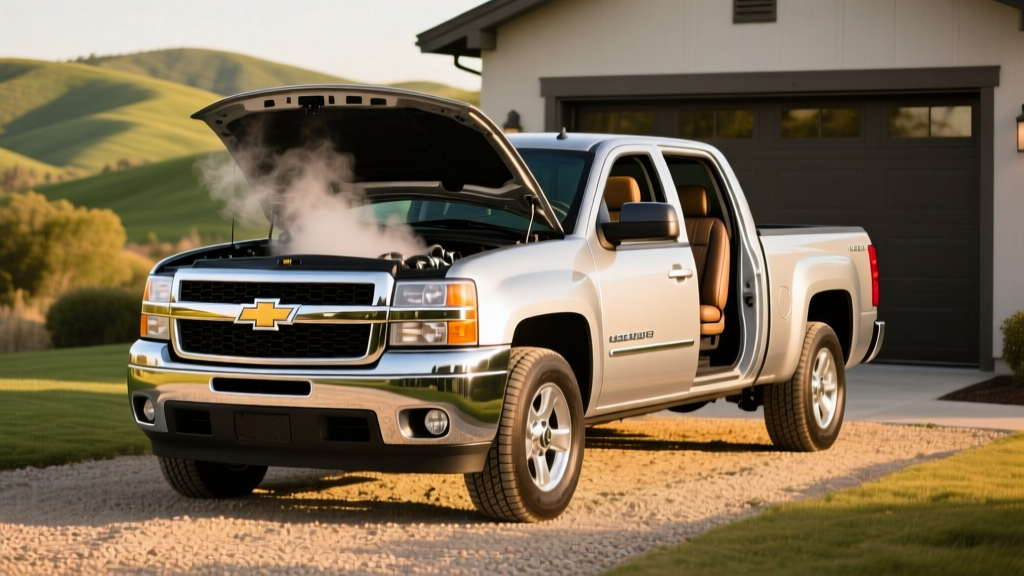
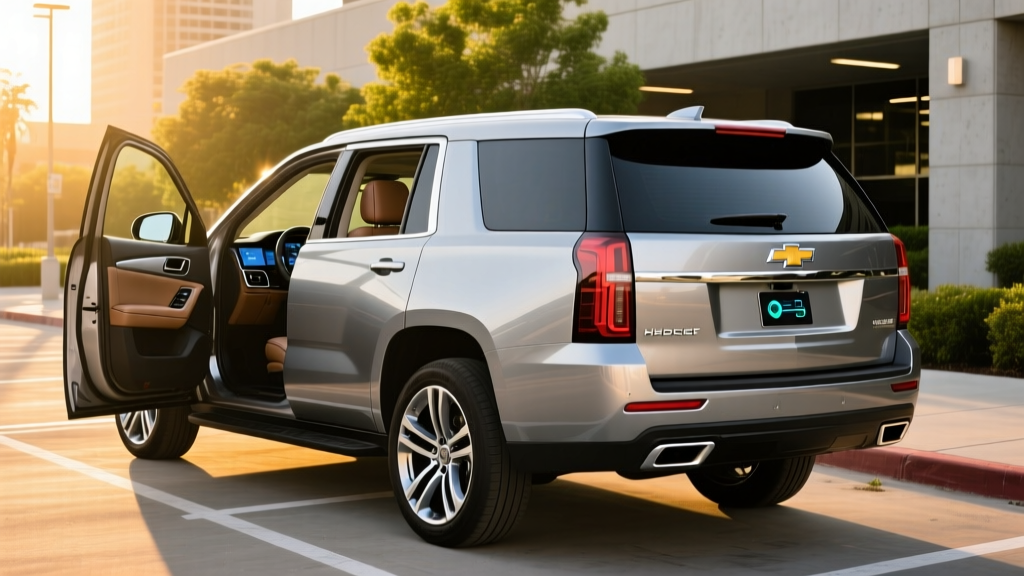
The Chevrolet Tahoe Two-Mode Hybrid was GM's ambitious answer to a simple question: can you make a three-row, body-on-frame SUV sip fuel like a compact sedan? Introduced for the 2008 model year on the GMT900 platform and produced through 2013, it paired a 6.0L V8 with a two-motor electrically variable transmission (EVT) to deliver meaningful fuel-economy gains over the standard V8 Tahoe — without sacrificing towing or cargo capability.
If you're researching the Chevrolet Tahoe Two-Mode Hybrid today, you're likely considering one on the used market or comparing it against newer hybrid and plug-in hybrid full-size SUVs. This guide covers the exact MPG figures, powertrain specs, battery longevity, ownership costs, and how this conventional hybrid (HEV) stacks up against modern alternatives in 2026.
How Many MPG Does the Chevrolet Tahoe Two-Mode Hybrid Get?
The EPA rated the rear-wheel-drive Tahoe Hybrid at 21 MPG city / 22 MPG highway / 21 MPG combined. The four-wheel-drive variant drops slightly to 20 city / 22 highway / 21 combined. For context, the standard 5.3L V8 Tahoe of the same era returned roughly 14 city / 20 highway / 16 combined — making the hybrid approximately 30% more efficient in combined driving.
| Model | City MPG | Highway MPG | Combined MPG |
|---|---|---|---|
| Tahoe Hybrid 2WD | 21 | 22 | 21 |
| Tahoe Hybrid 4WD | 20 | 22 | 21 |
| Tahoe 5.3L V8 (gas) | 14 | 20 | 16 |
Source: fueleconomy.gov (EPA ratings)
Real-World MPG vs. EPA Sticker
Owner-reported data on Fuelly and enthusiast forums consistently shows real-world combined figures between 18–21 MPG for the Tahoe Hybrid. The two-mode system shines in stop-and-go city traffic, where regenerative braking and electric assist do the heavy lifting — some owners report seeing 22–23 MPG on urban routes. Highway driving at 75+ MPH yields less benefit from the hybrid system, with figures closer to 19–20 MPG.
The hybrid system's city advantage is a hallmark of conventional HEVs: electric motors handle low-speed acceleration where internal combustion engines are least efficient. If your commute is mostly suburban or highway, the gap between the hybrid and gas Tahoe narrows considerably.
Two-Mode Hybrid Powertrain: Engine, Motors, and Horsepower
GM's Two-Mode Hybrid system was a full-hybrid architecture co-developed with BMW and DaimlerChrysler (the "Global Hybrid Cooperation"). Here's the complete powertrain breakdown:
| Specification | Value |
|---|---|
| Gasoline Engine | 6.0L V8 (Vortec), Active Fuel Management (cylinder deactivation) |
| Engine Output | 332 HP @ 5,100 RPM / 367 lb-ft @ 4,100 RPM |
| Electric Motors | Two 60-kW AC motors (integrated in EVT) |
| Combined System Output | 379 HP |
| Transmission | Electrically Variable Transmission (EVT), two fixed mechanical gears |
| Hybrid Battery | ~1.8 kWh, Nickel-Metal Hydride (NiMH), 300V |
| 0–60 MPH | ~8.2 seconds |
| Towing Capacity | 5,800 lbs (2WD) / 5,600 lbs (4WD) |
| Curb Weight | ~5,900 lbs |
The "two-mode" name refers to the EVT's ability to operate in two distinct power-split modes: one optimized for low-speed city driving (where the electric motors handle most propulsion) and one for higher-speed cruising (where the V8 and motors blend power through fixed gear ratios). The system also supported Active Fuel Management, allowing the V8 to shut down four cylinders under light loads — a rare combination of hybrid and cylinder-deactivation tech.
Notably, the Tahoe Hybrid could propel itself on electric power alone at very low speeds (under ~25 MPH for short distances), but this was not a usable "electric-only range" in the PHEV sense. The small 1.8 kWh NiMH pack was designed for assist and regen buffering, not sustained electric driving.
HEV vs. PHEV vs. EV: Which Full-Size SUV Fits You?
If you're cross-shopping a used Tahoe Hybrid against modern electrified SUVs, understanding the fundamental architecture differences is critical:
Conventional Hybrid (HEV) — Tahoe Two-Mode
- No plug required — charges via regenerative braking and engine
- No electric-only range — electric motors assist the gas engine
- Moderate fuel savings — ~30% improvement over gas equivalent
- Best for: drivers who want better MPG without changing habits or installing a charger
Plug-In Hybrid (PHEV) — e.g., modern alternatives
- Plugs in — charges at home (Level 1/2) or public stations
- 20–50 miles electric-only before the gas engine kicks in
- Larger battery (12–25 kWh typical, lithium-ion)
- Best for: drivers with short commutes who can charge at home and want EV-like daily driving with gas-engine range for road trips
Battery Electric Vehicle (BEV) — e.g., Rivian R1S, Tesla Model X
- 100% electric — no gasoline engine
- 250–400+ miles EPA range
- Largest battery (90–150 kWh)
- Best for: drivers with reliable charging access who want zero tailpipe emissions and lowest per-mile energy cost
The Tahoe Two-Mode Hybrid makes sense if you need a body-on-frame, three-row SUV with genuine towing capability and want lower fuel bills — but lack access to home Level 2 charging or don't want to manage plug-in logistics. For buyers in 2026 who can charge at home, a modern PHEV offers far greater daily efficiency gains.
Battery Longevity, Warranty, and Replacement Cost
Hybrid battery lifespan is the single most common concern for used-hybrid buyers. Here's what you need to know about the Tahoe Hybrid's NiMH pack:
Real-World Battery Degradation
Nickel-metal hydride batteries in GM's two-mode system have proven reasonably durable. Most owner reports indicate the hybrid battery remains functional well past 150,000 miles, though capacity loss does reduce the electric-assist benefit over time. Expect a 10–15% reduction in hybrid efficiency gains at 150,000+ miles — meaning your real-world MPG may drop by 1–2 MPG compared to when new.
The NiMH chemistry is less energy-dense than modern lithium-ion but is known for thermal stability and long cycle life. Failures before 120,000 miles are uncommon but not unheard of, usually manifesting as reduced regen effectiveness or a check-engine light with hybrid system codes.
Battery Replacement Cost
If the hybrid battery does fail, expect to pay $3,000–$5,000 for a remanufactured replacement pack (parts and labor). New OEM packs, when available, have historically run $5,500–$7,500 installed. Independent hybrid shops and remanufactured suppliers (like Green Bean Battery) offer lower-cost alternatives with their own warranties, typically 3–5 years. This is a meaningful expense on a vehicle whose current resale value ranges from roughly $6,000–$14,000 depending on year, mileage, and condition.
Tax Credits and Purchase Economics in 2026
The Tahoe Two-Mode Hybrid does not qualify for the federal §30D Clean Vehicle Credit. That credit applies only to new plug-in electric vehicles (BEVs and qualifying PHEVs) meeting battery-sourcing, MSRP, and buyer-income requirements under current IRS rules. Conventional hybrids (HEVs) have not been eligible for the federal purchase credit since the original Energy Policy Act hybrid credits expired years ago.
On the used market, the §25E Used Clean Vehicle Credit (up to $4,000) also excludes conventional hybrids — it applies only to used BEVs and PHEVs.
Bottom line: There are no federal tax incentives for purchasing a Tahoe Two-Mode Hybrid in 2026. Some states previously offered hybrid rebates, but most have sunset or shifted exclusively to plug-in vehicles. Check your state's current energy office for any remaining programs.
Total Cost of Ownership Context
At current national gas prices (~$3.30/gallon average), the Tahoe Hybrid's 21 MPG combined saves roughly $800–$1,100 per year in fuel compared to the gas V8 Tahoe at 16 MPG combined (assuming 15,000 miles/year). Over five years of ownership, that's $4,000–$5,500 in fuel savings — enough to offset a potential hybrid battery replacement if needed.
Reliability: What Owners and Data Show
The GMT900 Tahoe platform is generally regarded as robust, with the 6.0L V8 being one of GM's more durable truck engines. The two-mode EVT, however, introduces complexity that the standard Tahoe's conventional automatic does not have.
Common issues reported across owner forums and repair databases include:
- EVT cooling system — the electrically variable transmission has its own cooling circuit; failures of the auxiliary transmission cooler or pump can lead to hybrid system derating
- 300V wiring harness connectors — corrosion or loosening of high-voltage connections, especially in salt-belt states
- Active Fuel Management lifter wear — cylinder deactivation (AFM) on the 6.0L can cause lifter failure at high mileage, a known GM V8 issue of this era
- Standard Tahoe concerns — power steering pump leaks, dashboard cracking, HVAC actuator failures
Overall, the hybrid system adds a moderate reliability risk on top of the base vehicle's known issues. A pre-purchase inspection by a technician familiar with GM two-mode hybrids is strongly recommended before buying. Expect maintenance costs to be higher than a standard V8 Tahoe due to hybrid-specific components.
Who Should Buy the Tahoe Two-Mode Hybrid?
✓ Choose It If
- You need a body-on-frame, 3-row SUV with ~5,800 lb towing
- You drive mostly city/suburban routes where the hybrid system excels
- You lack home charging access and can't use a PHEV
- You find a well-maintained example at a fair used price
- You want lower fuel bills vs. a gas V8 without plugging in
✗ Skip It If
- You want modern safety tech (blind-spot monitoring, automatic emergency braking — not available on this generation)
- You want plug-in electric-only commuting
- You're risk-averse about out-of-warranty hybrid battery costs
- You mostly drive highway miles (hybrid advantage shrinks)
- You want eligibility for federal or state EV/PHEV tax credits
Modern Alternatives to Consider
If the Tahoe Hybrid's age and lack of modern features give you pause, the full-size SUV market has evolved significantly. While Chevrolet discontinued the Tahoe Hybrid after 2013 (and has not reintroduced a hybrid variant as of the 2026 model year), competitors now offer more advanced electrified options:
- Ford Explorer Hybrid (HEV) — 3.3L V6 hybrid, EPA 24 combined, modern safety suite, available new
- Toyota Grand Highlander Hybrid (HEV) — EPA 35–36 combined (MAX hybrid), three rows, best-in-class efficiency
- Jeep Grand Cherokee 4xe (PHEV) — 25 miles electric-only, 56 MPGe, body-on-frame adjacent, qualifies for credits when new
- Rivian R1S (BEV) — 330–410 miles EPA range, 7,700 lb towing, zero tailpipe emissions
None of these match the Tahoe's exact body-on-frame formula with a hybrid V8, but each offers a more modern ownership experience with better efficiency or electrification.
Frequently Asked Questions
Does the Chevrolet Tahoe Two-Mode Hybrid need to be plugged in?
No. The Tahoe Two-Mode Hybrid is a conventional hybrid (HEV). Its battery charges automatically through regenerative braking and the gasoline engine. There is no charging port and no plug-in capability.
Can the Tahoe Hybrid drive on electric power only?
Only at very low speeds (under ~25 MPH) for brief distances, such as creeping through a parking lot. It does not have a usable electric-only range like a plug-in hybrid. The electric motors primarily assist the V8 to reduce fuel consumption.
What is the towing capacity of the Tahoe Hybrid?
The 2WD Tahoe Hybrid is rated for 5,800 lbs of towing, and the 4WD model for 5,600 lbs. This is slightly less than the gas V8 Tahoe's ~7,700 lb rating of the same era, due to the hybrid system's weight and powertrain calibration.
How much does a replacement hybrid battery cost?
Expect to pay $3,000–$5,000 for a remanufactured hybrid battery pack installed, or up to $7,500 for a new OEM unit if available. Third-party remanufacturers offer budget options with their own multi-year warranties.
Is the Tahoe Hybrid reliable at high mileage?
The 6.0L V8 and GMT900 chassis are durable, but the EVT transmission and high-voltage system add complexity. Well-maintained examples regularly pass 200,000 miles, but budget for potential hybrid-system repairs once the vehicle exceeds 150,000 miles. A pre-purchase inspection by a hybrid-qualified technician is essential.
Does the Tahoe Hybrid qualify for any tax credit in 2026?
No. The federal §30D Clean Vehicle Credit and §25E Used Clean Vehicle Credit apply only to plug-in vehicles (BEVs and PHEVs). Conventional hybrids like the Tahoe Two-Mode are not eligible for federal purchase credits. Check your state's energy office for any remaining local incentives, though most hybrid-specific rebates have expired.