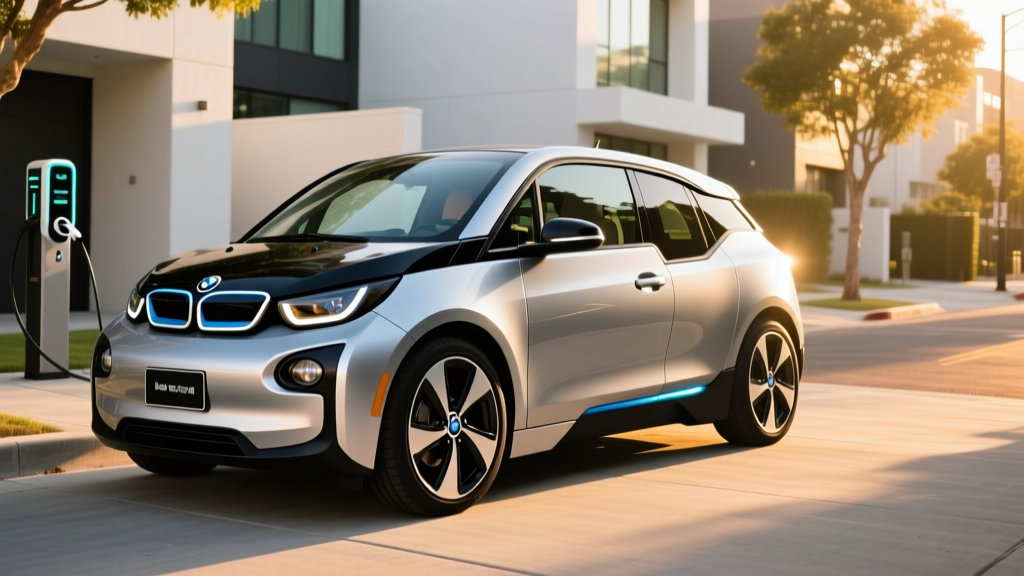
The BMW i3 with Range Extender—commonly searched as the BMW i3 hybrid—is one of the most misunderstood electrified vehicles on the used market. It's not a conventional hybrid like a Prius, and it's not a pure battery-electric vehicle either. It occupies a rare middle ground: a battery-electric car with a small gasoline engine that acts as a generator, never directly driving the wheels. BMW discontinued the i3 globally after the 2021 model year, but thousands remain on the road and in the used market, making it essential for buyers to understand exactly what this powertrain delivers—and where it falls short.
What the BMW i3 Range Extender Actually Is: HEV vs PHEV vs EREV
Before diving into specs, let's clear up the terminology. The BMW i3 REx is technically an Extended-Range Electric Vehicle (EREV), not a conventional hybrid (HEV) or a standard plug-in hybrid (PHEV). Here's the distinction:
| Powertrain Type | How It Works | Plugs In? | Example |
|---|---|---|---|
| HEV (Hybrid) | Gas engine + small electric motor; battery recharges via regenerative braking | No | Toyota Prius |
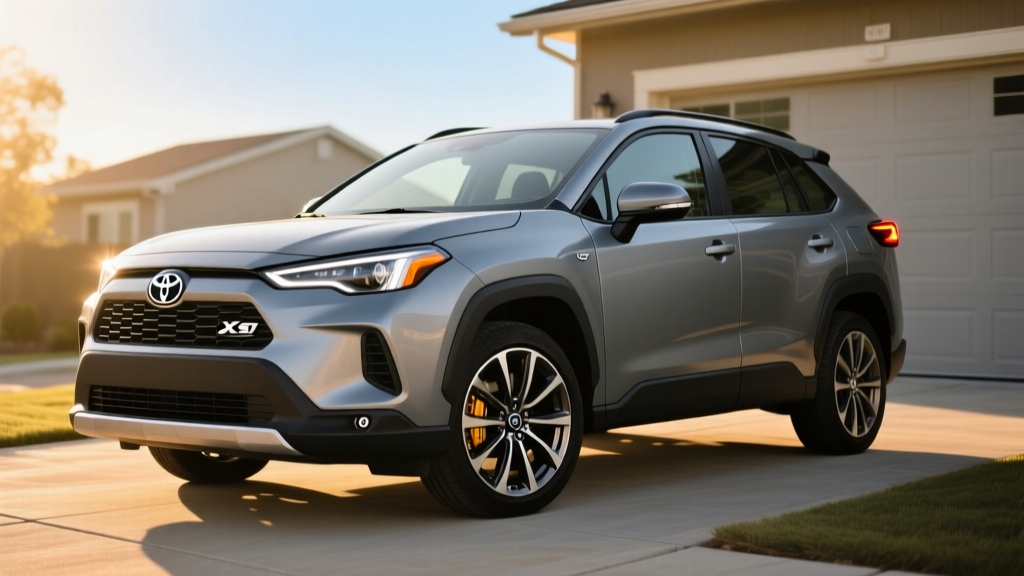
| PHEV (Plug-in Hybrid) | Larger battery for short electric-only driving; gas engine takes over after depletion; engine drives wheels | Yes | Toyota RAV4 Prime |
| EREV (Range Extender) | Electric motor drives wheels at all times; small gas engine generates electricity to extend range when battery is low | Yes | BMW i3 REx |
The critical difference: in the BMW i3 REx, the 647cc two-cylinder gasoline engine never turns the wheels. It only spins a generator to feed electricity to the battery and electric motor when the state of charge drops to a predetermined threshold. You're always driving on electric power—the engine is a mobile backup generator.
Battery, Electric-Only Range, and Total Range
The i3 REx was sold in two major battery configurations across its production run (2014–2021). The range extender was only available with the smaller battery pack.
| Spec | i3 REx 60 Ah (2014–2017) | i3 REx 94 Ah (2017–2018) |
|---|---|---|
| Battery Capacity (Gross) | 21.6 kWh | 33.2 kWh |
| Battery Capacity (Usable) | ~18.8 kWh | ~29.4 kWh |
| Battery Chemistry | Samsung SDI NMC | Samsung SDI NMC |
| EPA Electric-Only Range | 72 miles | 114 miles |
| EPA Total Range (Electric + Gas) | 150 miles | 180 miles |
| Gas Tank Capacity | 2.4 gallons | 2.4 gallons |
| EPA Combined MPGe (Electric) | 117 MPGe | 111 MPGe |
| EPA MPG (Gasoline Range Extender) | 39 MPG | 36 MPG |
| Electric Motor Output | 170 hp / 184 lb-ft | 170 hp / 184 lb-ft |
| 0–60 mph | 7.9 seconds | 7.9 seconds |
| DC Fast Charge (CCS Combo 2) | Up to 50 kW | Up to 50 kW |
| Level 2 Charge Time (0–100%) | ~4.5 hours (7.4 kW) | ~4.5 hours (7.4 kW) |
Note: The 120 Ah variant (2019–2021) with 42.2 kWh gross / ~37.9 kWh usable and 153 miles EPA electric-only range was not offered with the range extender in the US market. If you want the longest-range i3, you're looking at a pure BEV.
How Many MPG Does the BMW i3 Hybrid Get?
This is where buyer confusion peaks. Because the i3 REx runs on electricity first, its "MPG" depends entirely on how you use it:
| Driving Scenario | 60 Ah REx | 94 Ah REx |
|---|---|---|
| Within electric-only range (plugged in daily) | 117 MPGe (no gas used) | 111 MPGe (no gas used) |
| Battery depleted, running on gas generator | 39 MPG combined | 36 MPG combined |
| Real-world city (gas mode, regenerative braking) | ~41–44 MPG | ~38–41 MPG |
| Real-world highway 75 mph (gas mode) | ~33–35 MPG | ~30–33 MPG |
If your daily commute falls within the electric-only range and you charge at home every night, you may use zero gasoline for months. The gas engine is there as insurance, not as a primary fuel source. Owners who rarely exceed 70 miles between charges report annual fuel costs under $200. Those who frequently deplete the battery and rely on the range extender for highway road trips will see fuel economy closer to a conventional compact car.
Charging the BMW i3 REx: Connectors, Speeds, and Practical Setup
The i3 REx supports three charging methods:
- Level 1 (120V household outlet): ~2.5 miles of range per hour of charging. A full charge from empty takes roughly 20 hours on the 60 Ah and 30+ hours on the 94 Ah. Fine for overnight top-ups if you drive less than 30 miles daily.
- Level 2 (240V, J1772 connector): The onboard charger accepts up to 7.4 kW, adding approximately 25 miles of range per hour. Full charge in ~4.5 hours for either battery variant. This is the recommended daily charging method.
- DC Fast Charging (CCS Combo 2): Up to 50 kW peak. 0–80% in approximately 30–40 minutes. The CCS port was optional on early 2014 models and standard from 2015 onward. Note: the i3 uses the CCS1 standard common in North America; with the industry's shift to NACS (Tesla's connector), CCS adapters are available for Tesla Supercharger access.
The 50 kW DC fast-charging rate is modest by 2026 standards—vehicles like the Hyundai Ioniq 5 peak at 240 kW—but it's adequate for topping up during a lunch stop. The charge curve is relatively flat on the i3, meaning it sustains close to peak rate through ~70% SoC before tapering, which helps real-world charging times.
Reliability, Battery Degradation, and Warranty
The BMW i3 REx has a reputation for solid build quality, but its unique architecture introduces specific ownership considerations:
Battery degradation data: Independent testing from the i3 community and fleet data shows the Samsung SDI NMC cells in the i3 degrade relatively slowly. Typical capacity loss is approximately 8–12% over the first 60,000 miles, with the 60 Ah pack averaging around 85–90% state of health (SoH) at 80,000 miles. The larger 94 Ah pack shows similar percentage degradation but retains more absolute range due to its higher starting capacity.
Battery replacement cost: A full high-voltage battery replacement for the i3 costs between $13,000 and $16,000 at a BMW dealer (parts and labor). Third-party refurbishment and cell-level repair services have emerged, offering replacements for $6,000–$9,000. Given that the i3's used market value in 2026 ranges from roughly $10,000 (60 Ah, higher mileage) to $22,000 (94 Ah REx, low mileage), a full dealer battery replacement may exceed the car's value—making pre-purchase battery health checks essential.
Range extender engine maintenance: The 647cc two-cylinder BMW motorcycle-derived engine requires periodic oil changes (every ~10,000 miles or annually), and owners who rarely drive on gas should run the engine at least once every few weeks to prevent fuel system issues. Stale gasoline in the 2.4-gallon tank can cause problems; adding a fuel stabilizer is recommended for owners who primarily drive electric.
Common reliability issues: According to NHTSA recall records and owner forums, the i3 REx's most reported concerns include 12V auxiliary battery failures (common across many EVs, not specific to the i3), occasional range-extender engine fault codes from infrequent use, and motor mount wear at higher mileages. The carbon-fiber-reinforced plastic (CFRP) body structure is highly resistant to corrosion and denting, a genuine long-term advantage.
Pricing, Tax Credits, and Used Market Value (2026)
Since the BMW i3 was discontinued after 2021, no new inventory exists. Pricing reflects the used market as of early 2026:
- 2014–2016 i3 REx (60 Ah): $9,000–$14,000 depending on mileage and condition
- 2017–2018 i3 REx (94 Ah): $14,000–$22,000
- Original MSRP (2018 94 Ah REx): ~$48,300 before incentives
Federal tax credit for used EVs (§25E): Under current IRS rules, buyers of used electric vehicles and plug-in hybrids may qualify for a used clean vehicle credit of up to $4,000 (30% of the sale price, capped at $4,000). Eligibility requirements include:
- Sale price of $25,000 or less
- Buyer adjusted gross income: ≤$75,000 (single), $112,500 (head of household), $150,000 (joint)
- Vehicle must be at least two model years old
- Purchased from a licensed dealer (not a private party)
- The vehicle's battery must meet minimum capacity requirements
Many i3 REx models on the used market fall under the $25,000 cap, making the $4,000 credit achievable for income-eligible buyers purchasing from a dealer. This credit can be transferred to the dealer at point of sale as an immediate discount. Verify current eligibility with your tax professional and the IRS §25E guidance.
Who Should Buy the BMW i3 Hybrid (and Who Shouldn't)
Pros
- Exceptional city efficiency—real-world city MPG in gas mode often exceeds EPA
- CFRP body resists corrosion and is remarkably lightweight (2,900 lbs)
- Tight turning circle (32.8 ft) makes it ideal for urban parking
- Zero tailpipe emissions during electric-only driving
- Range extender eliminates range anxiety for occasional longer trips
- Fun, instant torque (184 lb-ft from 0 RPM) makes it feel quick around town
- Unique, futuristic interior with sustainable materials
Cons
- Limited total range (150–180 mi) compared to modern PHEVs and EVs
- Small 2.4-gallon gas tank means frequent fill-ups on road trips
- Rear-hinged "coach" doors are impractical for car seats and tight parking
- Modest 50 kW DC fast charging by 2026 standards
- Expensive battery replacement relative to vehicle value
- Limited cargo space (15.1 cu ft behind rear seats)
- Highway stability and noise at 75+ mph are compromised by narrow tires
- No longer manufactured—parts availability may tighten over time
BMW i3 REx vs. Alternatives: Which Powertrain Fits You?
Deciding between the i3 REx, a conventional hybrid, a modern PHEV, or a full EV depends on your driving pattern and charging access:
Choose the BMW i3 REx if:
- Your daily commute is under 70 miles (60 Ah) or 100 miles (94 Ah)
- You have reliable home Level 2 charging
- You want electric driving for daily use but need occasional gas backup for 150-mile trips
- You prioritize a unique, lightweight urban car over highway comfort
- You can find one under $25,000 and qualify for the $4,000 used EV credit
Choose a modern PHEV (e.g., Toyota RAV4 Prime, Hyundai Tucson PHEV) if:
- You need more than 180 miles total range
- You want a larger vehicle with practical cargo space and rear doors
- You frequently take road trips exceeding 200 miles
- You want current warranty coverage and dealer support
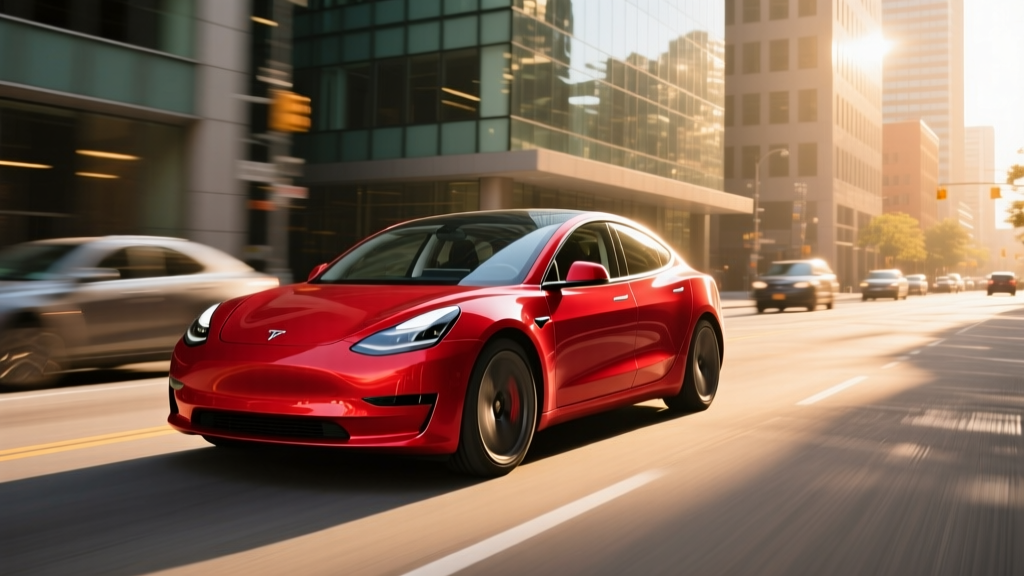
Choose a full BEV (e.g., Hyundai Ioniq 5, Tesla Model 3) if:
- You want 250+ miles of range with no gasoline at all
- You have access to reliable DC fast charging for road trips
- You want 150+ kW fast charging for quick stops
- You prefer lower maintenance (no engine oil, fuel system, or exhaust)
Choose a conventional HEV (e.g., Toyota Prius) if:
- You cannot charge at home or work
- You want maximum simplicity with no plug-in requirement
- You drive high annual mileage and want proven long-term reliability
Frequently Asked Questions
Is the BMW i3 a hybrid or a full electric car?
The BMW i3 was sold in two versions: a pure battery-electric vehicle (BEV) and the Range Extender (REx) variant. The i3 REx is an extended-range electric vehicle—it drives on electric power at all times, with a small gasoline generator that activates to recharge the battery when it's low. It plugs in like an EV but carries a gas backup.
How far can the BMW i3 REx go on electric only?
The 60 Ah model (2014–2017) achieves an EPA-rated 72 miles on electricity alone. The 94 Ah model (2017–2018) achieves 114 miles. Real-world range is typically 10–20% lower in cold weather or at sustained highway speeds.
Does the BMW i3 hybrid qualify for a tax credit in 2026?
The original $7,500 federal new-vehicle tax credit (§30D) is no longer available since the i3 is discontinued. However, the used clean vehicle credit (§25E) may provide up to $4,000 for eligible buyers purchasing an i3 REx under $25,000 from a licensed dealer, subject to income limits. Consult the IRS §25E page for current rules.
What does it cost to replace the BMW i3 battery?
A full high-voltage battery replacement at a BMW dealer costs approximately $13,000–$16,000. Independent EV shops offer cell-level repairs or refurbished packs for $6,000–$9,000. Given the i3's used value, many owners opt for third-party service or simply factor battery health into their purchase price negotiation.
Can I drive the BMW i3 REx on gas only without plugging in?
Technically yes, but it defeats the purpose. Running exclusively on the range extender yields about 36–39 MPG with a 2.4-gallon tank, meaning you'd refuel every ~85–90 miles. The i3 REx is designed to be plugged in nightly; the gas engine is a backup, not a primary power source.
How reliable is the BMW i3 REx compared to a Toyota Prius?
The i3 REx is generally reliable for its class, but it has more complex systems (high-voltage battery, electric motor, and a gasoline generator) than a conventional hybrid like the Prius. Toyota's hybrid systems have decades of proven durability and lower repair costs. The i3 offers a more engaging drive and electric-first efficiency, but buyers prioritizing bulletproof reliability and low maintenance costs should consider a Prius or Corolla Hybrid instead.
Does the BMW i3 REx support DC fast charging?
Yes. The i3 REx supports CCS1 DC fast charging at up to 50 kW, reaching 0–80% in approximately 30–40 minutes. Early 2014 models may require verification that the CCS port was optioned; from 2015 onward, it was standard equipment.