The Short Answer: It Depends on the Type of Hybrid
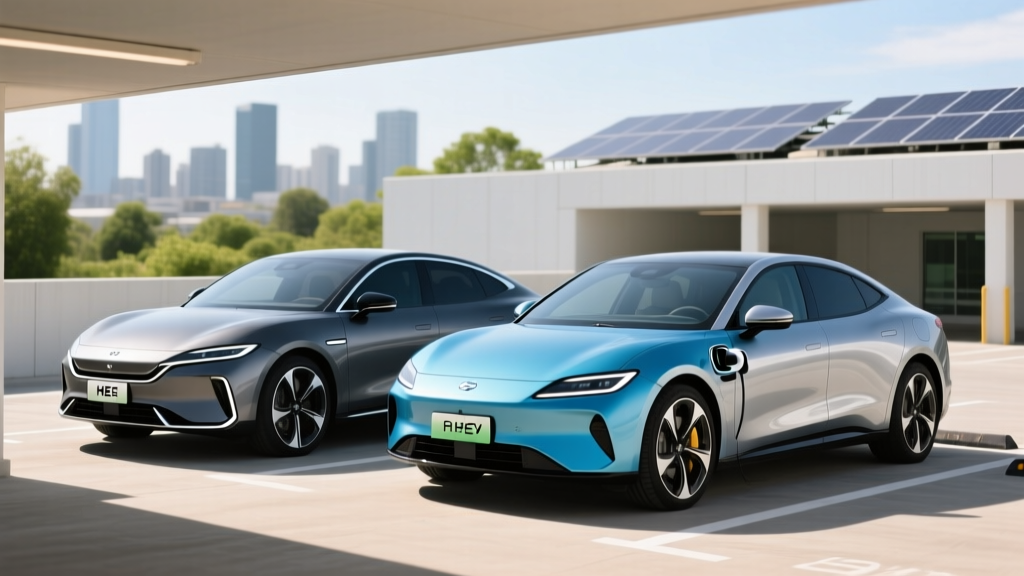
If you're asking are hybrid cars tax deductible, the answer splits cleanly in two. A conventional hybrid (HEV) like the Toyota Prius or Honda Accord Hybrid does not qualify for the federal §30D clean vehicle tax credit — it has no plug and no battery large enough to meet the IRS threshold. A plug-in hybrid (PHEV) like the Toyota RAV4 Prime or Jeep Wrangler 4xe may qualify for up to $7,500, but only if it clears a gauntlet of MSRP caps, buyer income limits, battery-sourcing requirements, and critical-mineral thresholds that change annually.
This guide walks through exactly which hybrids can earn a tax credit, how much, and whether the math still favors a PHEV over a full EV or a conventional HEV for your specific situation. All figures reflect 2026 model-year pricing and current IRS guidance.
HEV vs PHEV: The Tax-Credit Dividing Line
| Attribute | Conventional Hybrid (HEV) | Plug-In Hybrid (PHEV) |
|---|---|---|
| Plugs in to charge? | No — charges via regenerative braking & engine | Yes — Level 1/Level 2 AC charging |
| Battery capacity | ~0.6–1.6 kWh (small buffer) | ~13–25 kWh usable |
| Electric-only range | None (EV assist only at low speed) | 20–45 miles typical |
| Federal §30D credit? | ❌ Not eligible | ✅ Eligible if requirements met |
| Typical EPA combined MPG | 40–57 MPG | 30–42 MPG (gas) + 80–105 MPGe (combined) |
| Price premium over gas model | +$1,000–$2,500 | +$5,000–$12,000 |
The IRS defines a qualifying plug-in electric vehicle under §30D as having a battery capacity of at least 7 kWh and being rechargeable from an external source. Conventional hybrids fail both tests. This means the popular Toyota Prius (57 MPG combined EPA) and Hyundai Tucson Hybrid (38 MPG combined) are ineligible for the federal credit regardless of how efficient they are.
Which PHEVs Qualify for the Federal Tax Credit in 2026?
Not every plug-in hybrid clears the bar. Under the Inflation Reduction Act provisions active for 2026, a PHEV must satisfy all of the following:
- MSRP cap: Vans, SUVs, and pickups ≤ $80,000; sedans ≤ $55,000
- Buyer income cap: Modified AGI ≤ $150,000 (single), $225,000 (head of household), $300,000 (joint)
- Battery sourcing: Critical minerals must be extracted or processed in the US or a free-trade-agreement country (percentage threshold increases annually — 80% for 2026)
- Battery components: Cannot contain components manufactured by a "foreign entity of concern" (FEOC) — effectively China or Russia
- Final assembly: Must occur in North America
- Battery capacity: Minimum 7 kWh
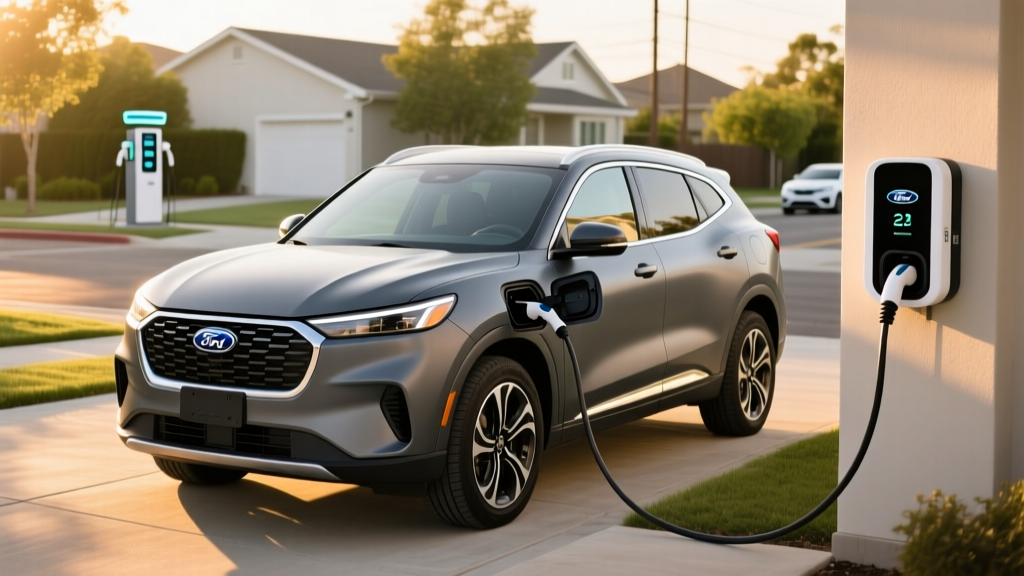
As of early 2026, the PHEVs that have consistently met these requirements include the Jeep Wrangler 4xe (partial credit, typically $3,750 due to critical-mineral sourcing), the Chrysler Pacifica PHEV, and the Toyota RAV4 Prime (though availability is extremely limited and dealer markups are common). The Ford Escape PHEV has also qualified at varying credit levels. Always verify on fueleconomy.gov before purchasing, as sourcing compliance can change mid-year.
Real-World MPG and Electric Range: What the EPA Numbers Actually Mean
Hybrids and PHEVs behave differently than their EPA stickers suggest. Here's what to expect from popular models:
| Model (2026) | Type | EPA City | EPA Hwy | EPA Combined | EV Range (PHEV) | Real-World Note |
|---|---|---|---|---|---|---|
| Toyota Prius | HEV | 57 | 56 | 57 | N/A | City often exceeds 60 MPG; highway drops to ~48 in winter |
| Honda Accord Hybrid | HEV | 51 | 44 | 48 | N/A | Excellent city; highway closer to 40 at 75+ mph |
| Toyota RAV4 Prime | PHEV | 40 (gas) | 36 (gas) | 38 (gas) / 94 MPGe | 42 mi | EV range drops to ~32 mi in freezing temps; highway gas ~33 |
| Jeep Wrangler 4xe | PHEV | N/A | N/A | 20 (gas) / 49 MPGe | 21 mi | EV range realistic at 18 mi; gas MPG poor once battery depletes |
| Ford Escape PHEV | PHEV | 44 (gas) | 37 (gas) | 40 (gas) / 105 MPGe | 37 mi | One of the most efficient PHEVs; EV range holds well in mild weather |
| Hyundai Tucson Hybrid | HEV | 38 | 38 | 38 | N/A | Consistent across conditions; no significant city bonus |
Key pattern: Conventional hybrids typically beat their EPA city rating in stop-and-go driving because regenerative braking recaptures energy that gas-only cars waste as heat. Highway driving is where they underperform slightly. PHEVs show a different pattern — their electric-only range shrinks 15–25% in cold weather (below 35°F) due to cabin heating loads and reduced battery efficiency, and once the battery is depleted, the gas engine carries both the vehicle weight and the dead battery mass, making real-world gas MPG lower than the sticker.
Spec Deep Dive: 2026 Toyota RAV4 Prime (Top PHEV Pick)
| Specification | Value |
|---|---|
| Powertrain | 2.5L 4-cyl + 2 electric motors (front & rear) |
| Combined horsepower | 302 hp |
| Battery capacity | 18.1 kWh (lithium-ion, NMC chemistry) |
| EPA electric-only range | 42 miles |
| Total combined range (EV + gas) | ~600 miles |
| Level 2 charging time (0–100%) | ~2.5 hours at 6.6 kW |
| DC fast charging | ❌ Not available |
| EPA combined MPG (gas-only mode) | 38 MPG |
| EPA combined MPGe (EV + gas) | 94 MPGe |
| 0–60 mph | 5.7 seconds |
| Base MSRP (SE trim) | $44,615 |
| Federal tax credit (2026) | Up to $7,500 (verify sourcing compliance at purchase) |
| Battery warranty | 10 years / 150,000 miles (hybrid battery) |
Hybrid battery warranty reality: Toyota, Hyundai, and most major automakers cover hybrid and PHEV traction batteries for 10 years / 150,000 miles in CARB states (CA, NY, MA, WA, and others) and 8 years / 100,000 miles in non-CARB states. This is a federally mandated minimum of 8/80,000 for PZEV components. Replacement cost for a RAV4 Prime battery pack is approximately $5,000–$8,000 out of warranty, while a conventional Prius hybrid battery replacement runs $2,500–$4,000. According to Consumer Reports, hybrid battery failures before 150,000 miles are rare in modern designs.
The Ownership Math: PHEV vs HEV vs Full EV
Tax credits shift the purchase equation, but total cost of ownership over five years tells the real story. Here's a framework based on 15,000 miles/year, $3.50/gallon gas, and $0.14/kWh home electricity:
Choose a Conventional Hybrid (HEV) If:
- You can't charge at home (apartment, street parking)
- You want zero behavior change — just drive and refuel
- Your budget is under $35,000
- You prioritize proven reliability with minimal complexity
- You drive mostly city miles where HEVs shine (50+ MPG real-world)
Choose a Plug-In Hybrid (PHEV) If:
- You have home Level 2 charging and a commute under 40 miles round-trip
- You want EV-like daily driving with gas backup for road trips
- You qualify for the §30D credit (bringing net price closer to HEV)
- You regularly tow or need AWD (RAV4 Prime's 302 hp and e-AWD excel here)
- You want to reduce gas consumption by 70–90% on daily driving
The break-even reality: A RAV4 Prime at ~$44,600 minus a potential $7,500 credit nets ~$37,100 — close to a loaded RAV4 Hybrid Limited at ~$39,000 (no credit). If you charge nightly and drive 30 miles/day, you'll burn roughly 2 gallons/week instead of 8, saving ~$1,100/year in fuel. The PHEV pays for its premium in about 2–3 years under those conditions. If you can't charge at home, the PHEV becomes a heavier, more expensive HEV — and a conventional hybrid makes more financial sense.
State and Local Incentives Beyond the Federal Credit
Several states stack additional incentives on top of the federal §30D credit for PHEVs, though these vary widely and change frequently:
- Colorado: Up to $5,000 state credit for PHEVs (income-dependent, MSRP caps apply)
- California: CVRP rebate up to $2,000 for PHEVs (income-capped; HEVs not eligible)
- New York: Drive Clean Rebate up to $2,000 for PHEVs with ≥20 miles EV range
- Utility rebates: Many electric utilities (e.g., PG&E, ConEdison, Xcel Energy) offer $500–$1,500 for PHEV purchases or home charger installation
Conventional hybrids almost never qualify for state EV rebates since they lack plug-in capability. Check your state's energy office or Alternative Fuels Data Center for current programs in your jurisdiction. Always confirm eligibility before relying on a state incentive in your purchase decision.
Reliability, Battery Longevity, and Replacement Costs
Hybrid reliability is one of the best-documented areas in automotive ownership. Modern HEV and PHEV systems from Toyota, Honda, and Hyundai have demonstrated battery pack lifespans well beyond their warranty periods:
- Toyota hybrid batteries: Median lifespan exceeds 200,000 miles based on fleet data. Individual cell replacement (rather than full pack) is possible at some specialists for $500–$1,500.
- Hyundai/Kia hybrid batteries: 10-year/100,000-mile warranty standard nationwide. Failures before 120,000 miles are uncommon in IIHS and owner-survey data.
- Honda hybrid systems: The two-motor system in the Accord Hybrid has proven robust; replacement packs cost ~$3,000–$5,000 out of warranty.
For PHEVs, the larger battery means higher replacement cost ($5,000–$12,000 depending on model) but also a longer useful life since the battery operates in a narrower state-of-charge window (typically 15%–95% SoC) managed by the thermal management system. Key maintenance tip: Avoid leaving a PHEV at 100% SoC for extended periods in hot weather, and try to charge daily rather than letting it sit depleted — this preserves long-term State of Health (SoH).
Frequently Asked Questions
Can I claim a tax deduction for a conventional hybrid like the Prius?
No. The federal §30D Clean Vehicle Credit requires a minimum 7 kWh battery and plug-in charging capability. Conventional hybrids (HEVs) like the Toyota Prius, Honda Accord Hybrid, and Hyundai Tucson Hybrid do not qualify. Some local utilities may offer small rebates for hybrid purchases, but these are not tax credits.
How do I claim the PHEV tax credit — at purchase or on my tax return?
Since 2024, buyers can transfer the §30D credit to the dealer as a point-of-sale reduction, effectively lowering the purchase price directly. You'll need to register on the IRS Energy Credits Online portal and meet all income and sourcing requirements. Alternatively, you can claim it on your federal tax return using Form 8936. Consult a tax professional for your specific situation.
Is a PHEV better than a full EV for someone without home charging?
Generally no. Without home charging, a PHEV's electric range depletes quickly and you're driving a heavier vehicle on gas alone — often getting worse MPG than a conventional hybrid. If you lack home charging, an HEV (conventional hybrid) is the more practical and cost-effective choice. A full EV is viable only if you have reliable access to workplace or public Level 2/DC fast charging near your daily routes.
Do PHEVs qualify for HOV lane access?
In many states, yes — but rules are tightening. California's Clean Air Vehicle decal program has historically included PHEVs meeting certain emissions thresholds, though new applications may face waitlists. States like Colorado, Virginia, and Maryland also offer HOV access for qualifying PHEVs. Check your state's DMV for current eligibility.
What happens if I sell a PHEV within a year of claiming the credit?
The IRS requires that the vehicle be purchased for personal use, not resale. If you sell within 12 months, the IRS may require repayment of the credit. This is sometimes called the "clawback" provision and is enforced through tax return audits.