For buyers who want to cut fuel costs without committing to a full battery-electric vehicle, hybrid technology offers a compelling middle ground. But the term "hybrid" now covers two very different powertrains: the conventional hybrid (HEV) that never plugs in, and the plug-in hybrid (PHEV) that runs on electricity for a meaningful distance before its gas engine kicks in. Understanding the advantages of hybrid cars — and which type fits your driving pattern — requires looking past marketing claims at real EPA data, battery warranties, and total ownership economics.
This guide breaks down the measurable benefits of modern hybrids using current 2026 model-year examples, including the Toyota Prius (HEV) and Toyota RAV4 Prime (PHEV), to ground the discussion in actual specs rather than abstractions.
HEV vs PHEV: Two Paths to Electrified Efficiency
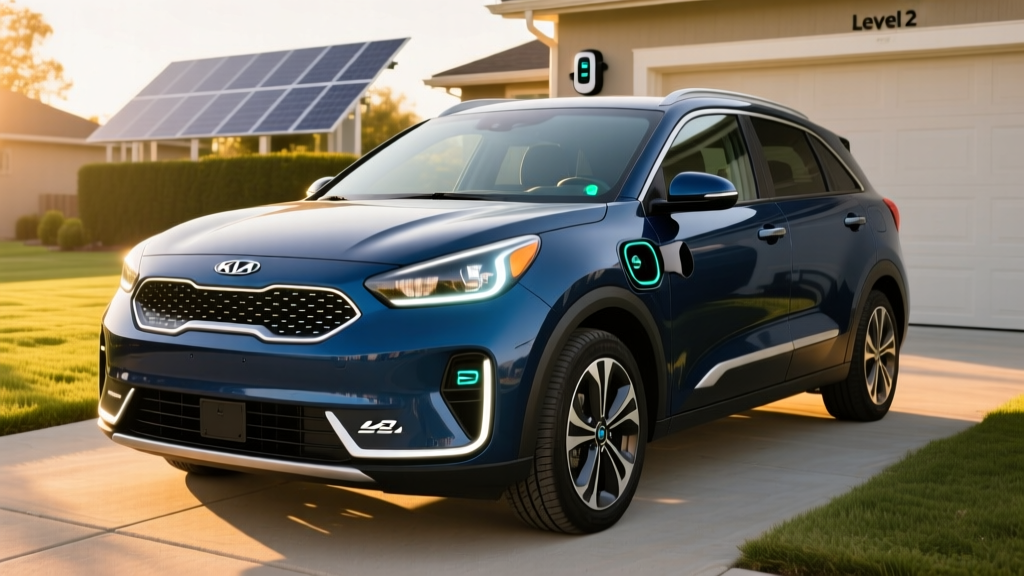
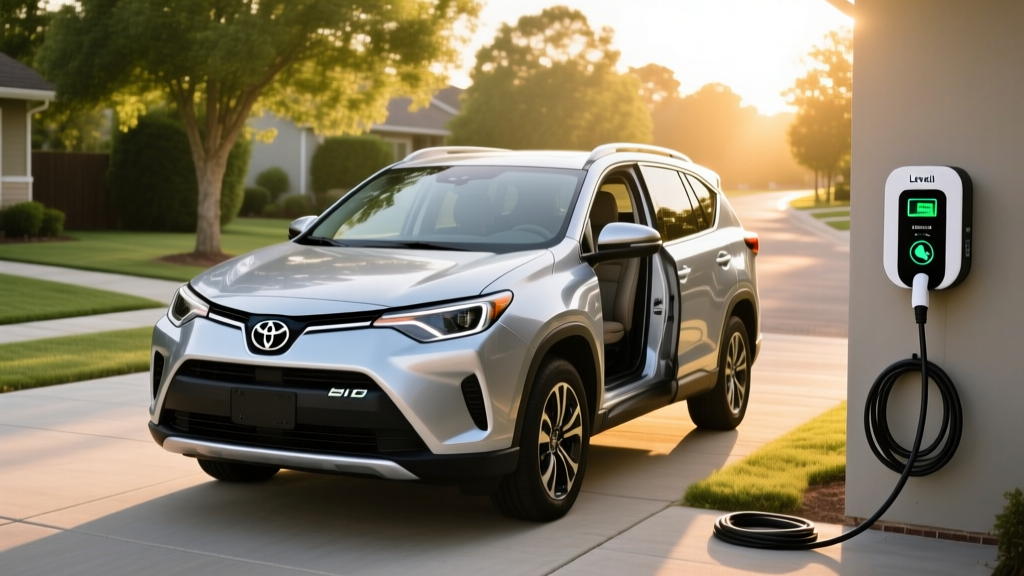
The single most important distinction in the hybrid market is whether the vehicle can plug in. Conventional hybrids (HEVs) use a small battery — typically 1.0 to 1.6 kWh — that recharges solely through regenerative braking and the gas engine. You never plug them in; you simply refuel at any gas station. Plug-in hybrids (PHEVs) carry a much larger battery — usually 14 to 20+ kWh — that charges from a wall outlet or public charger and delivers 25 to 50+ miles of electric-only driving before the engine takes over.
| Attribute | Conventional Hybrid (HEV) | Plug-in Hybrid (PHEV) |
|---|---|---|
| Plug-in charging | No — never plugs in | Yes — Level 1 or Level 2 |
| Battery capacity | 1.0 – 1.6 kWh | 14 – 20+ kWh |
| Electric-only range | None (EV assist only) | 25 – 50+ miles |
| Federal tax credit (§30D) | Not eligible | Up to $7,500 (if sourcing/income rules met) |
| Best for | No home charging, high-mileage commuters | Home charging access, short daily commutes |
| Maintenance complexity | Lower — no charging hardware | Higher — onboard charger, charge port |
Fuel Economy: Real MPG Numbers That Matter
The primary advantage of any hybrid is fuel economy, but the numbers vary dramatically between HEVs and PHEVs — and between city and highway driving. Hybrids recapture energy during braking, which means they often achieve higher MPG in stop-and-go city traffic than on the open highway. This is the opposite of conventional gas cars.
| Model | Type | City MPG | Highway MPG | Combined MPG | MPGe (PHEV EV mode) |
|---|---|---|---|---|---|
| Toyota Prius (LE AWD) | HEV | 53 | 54 | 54 | N/A |
| Toyota Prius (XLE FWD) | HEV | 52 | 52 | 52 | N/A |
| Toyota RAV4 Prime | PHEV | 40 (gas) | 36 (gas) | 38 (gas) | 94 MPGe |
| Honda Accord Hybrid | HEV | 51 | 44 | 48 | N/A |
| Hyundai Tucson PHEV | PHEV | 38 (gas) | 35 (gas) | 37 (gas) | 80 MPGe |
Source: EPA Fuel Economy (fueleconomy.gov). Real-world results vary with temperature, terrain, and driving style.
Real-World MPG vs. EPA Stickers
In our experience and owner-reported data, Toyota's HEV powertrains tend to meet or slightly exceed their EPA city estimates in moderate climates. The Prius LE AWD, rated at 53 city, routinely returns 55–58 MPG in urban driving during mild weather. Highway numbers, however, often fall 3–5 MPG below the sticker at sustained 75+ mph speeds, especially in colder temperatures where the engine runs more frequently for cabin heat.
For PHEVs, the real-world story depends entirely on your commute. If you drive 30 miles round-trip and charge nightly, you may use gasoline only a handful of times per year. If you regularly exceed the electric range or forget to plug in, your effective MPG drops to the gas-only column — which for many PHEVs is lower than a comparable HEV due to the extra battery weight.
Electric-Only Range and Charging (PHEVs)
The electric-only range of a PHEV determines how much of your daily driving can happen without burning a drop of gasoline. This is where the larger battery pays off — but it also introduces charging considerations that HEV owners never face.
| Model | Battery (kWh usable) | EV Range (EPA) | Total Range | Level 2 Charge (0–100%) | DC Fast Charge |
|---|---|---|---|---|---|
| Toyota RAV4 Prime | 14.9 kWh | 42 miles | 600 miles | ~2.5 hours (6.6 kW) | No |
| Hyundai Tucson PHEV | 13.8 kWh | 33 miles | 440 miles | ~2.0 hours (7.2 kW) | No |
| Jeep Wrangler 4xe | 17.3 kWh | 22 miles | 370 miles | ~2.5 hours (7.2 kW) | No |
| Chrysler Pacifica PHEV | 16.0 kWh | 32 miles | 520 miles | ~2.0 hours (6.6 kW) | No |
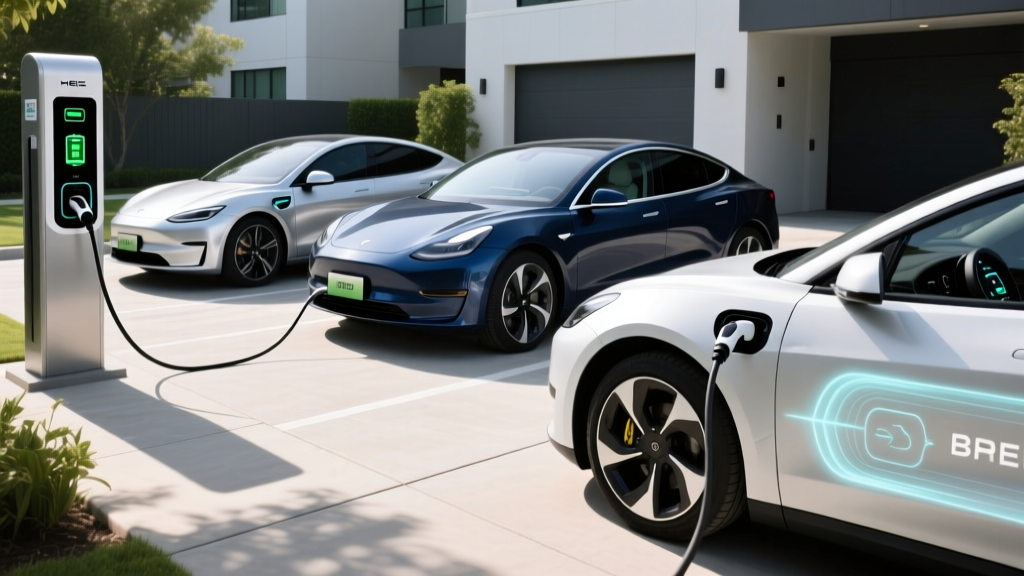
A critical note for PHEV shoppers: virtually no current PHEVs support DC fast charging. Their batteries are too small to benefit from the infrastructure, and the added cost and weight of DC-charge hardware would offset the efficiency gains. You'll charge at home on a standard 120V outlet (Level 1, ~12 hours) or a 240V Level 2 charger (2–3 hours). For most owners who plug in overnight, this is entirely sufficient.
Powertrain Performance: More Than Just Efficiency
A frequently overlooked advantage of hybrid cars is performance. Electric motors deliver instant torque at zero RPM, which fills in the low-end gap that small gas engines leave. The result is acceleration that punches above the vehicle's price class.
The 2026 Toyota RAV4 Prime, for example, pairs a 2.5-liter four-cylinder engine with front and rear electric motors for a combined 302 horsepower and a 0–60 mph time of approximately 5.7 seconds. That makes it the quickest RAV4 variant — and quicker than many sport compacts — while still delivering 42 miles of electric range and 38 MPG combined on gas. The Prius, redesigned with a 196-hp hybrid powertrain, hits 60 mph in about 7.0 seconds, a dramatic improvement over its predecessors.
Most PHEVs use an electronically controlled all-wheel-drive system where the rear wheels are driven exclusively by an electric motor. This provides confident traction in rain and light snow without the mechanical complexity and efficiency losses of a traditional driveshaft-based AWD system.
Pricing, Tax Credits, and Ownership Economics
Hybrids carry a price premium over their gas-only counterparts, but the gap has narrowed significantly. The real financial picture depends on which type of hybrid you choose and whether you qualify for federal incentives.
| Model | Base MSRP | Federal §30D Credit | Effective Price (if eligible) |
|---|---|---|---|
| Toyota Prius LE (HEV) | $29,445 | $0 (HEV — not eligible) | $29,445 |
| Toyota RAV4 Prime SE (PHEV) | $44,560 | Up to $3,750* | ~$40,810 |
| Hyundai Tucson PHEV SEL | $39,460 | Up to $3,750* | ~$35,710 |
| Honda Accord Hybrid Sport | $34,290 | $0 (HEV — not eligible) | $34,290 |
*PHEV credit amounts depend on critical-mineral and battery-component sourcing requirements under IRS §30D rules. Credits may be $3,750, $7,500, or $0 depending on the vehicle's supply chain compliance for the model year. Income caps apply ($150K single / $300K joint). Always verify current eligibility on the IRS Clean Vehicle Credit list. Point-of-sale transfer is available at participating dealers.
The Five-Year Cost Equation
For a driver covering 15,000 miles annually at $3.50/gallon, a Prius HEV returning 54 MPG combined spends roughly $972/year on fuel, compared to $2,188/year for a comparable 27 MPG gas-only sedan — a savings of about $1,216 per year, or $6,080 over five years. That largely offsets the Prius's modest price premium.
PHEV economics depend on your electricity rate and charging discipline. At $0.14/kWh and 3 miles per kWh (typical PHEV efficiency), driving 30 miles on electricity costs about $1.40 — versus $3.89 on gasoline at 38 MPG. Over a year of weekday commutes within EV range, that's roughly $600–$900 in additional fuel savings versus the HEV, but only if you plug in consistently.
Battery Reliability, Warranties, and Replacement Costs
Battery longevity remains the top concern for hybrid buyers, and it's the area where two decades of real-world data provide genuine reassurance. Toyota's Hybrid Synergy Drive, now in its fifth generation, has accumulated billions of real-world miles across millions of vehicles. Failure rates for the hybrid battery pack are statistically low within the warranty period.
Hybrid Battery Warranty Coverage (2026 Models)
- Toyota (HEV & PHEV): 10 years / 150,000 miles — hybrid battery and all hybrid-system components
- Honda (HEV): 8 years / 100,000 miles (10 years / 150,000 miles in CARB states)
- Hyundai/Kia (PHEV): 10 years / 100,000 miles — high-voltage battery and EV components
- Ford (HEV/PHEV): 8 years / 100,000 miles — hybrid/electric drivetrain components
Warranties typically guarantee the battery will retain at least 60–70% of original capacity during the coverage period. Check manufacturer terms for exact retention thresholds.
If a hybrid battery does require replacement outside warranty, costs vary by model. A Toyota Prius hybrid battery replacement runs approximately $2,500–$4,000 at a dealership, with refurbished and aftermarket options available for $1,500–$2,500 from independent hybrid specialists. PHEV battery packs are larger and more expensive — typically $5,000–$8,000 — but the longer warranty coverage and lower cycle depth (PHEVs use a shallower portion of total capacity) tend to extend their practical lifespan.
According to data from Consumer Reports, Toyota and Lexus hybrids consistently rank among the most reliable vehicles across all powertrain types, with hybrid-specific issues being rare in the first 10 years of ownership.
Hybrid vs PHEV vs EV: Which Is Right for You?
The Decision Framework
Choose a conventional hybrid (HEV) if:
- You lack access to home or workplace charging
- You drive 400+ miles per week and want minimal fuel stops
- You want the lowest purchase price among electrified options
- You live in an apartment or rent and cannot install a charger
- You want zero change to your refueling habits
Choose a plug-in hybrid (PHEV) if:
- You have home charging (even a standard 120V outlet works)
- Your daily commute is under 40 miles round-trip
- You want electric driving for daily use but gas flexibility for road trips
- You want to reduce fuel spending significantly without range anxiety
- You qualify for the federal §30D tax credit on eligible PHEV models
Choose a full battery-electric vehicle (BEV) if:
- You have reliable home Level 2 charging
- Your daily driving is under 250 miles (most commutes)
- You want zero tailpipe emissions and the lowest per-mile fuel cost
- You're comfortable planning road trips around DC fast-charging stops
- You want the lowest long-term maintenance costs (no engine, no oil changes)
Pros and Cons of Going Hybrid in 2026
Advantages
- 40–57 MPG combined (HEV) or 25–50 miles electric + 35–40 MPG gas (PHEV)
- No range anxiety — gas engine provides 400–600+ mile total range
- Instant electric torque improves acceleration and drivability
- Lower brake wear from regenerative braking (pads often last 80K+ miles)
- 10-year/150K-mile battery warranties from most manufacturers
- PHEVs may qualify for up to $7,500 federal tax credit (model-dependent)
- Proven reliability with 20+ years of real-world hybrid data
- Lower insurance premiums than most full EVs
Limitations
- HEVs are not eligible for the federal §30D clean vehicle credit
- PHEVs require home charging access to realize their full benefit
- Higher upfront cost vs. gas-only equivalents ($2,000–$6,000 premium)
- PHEV gas-only MPG is often lower than a comparable HEV (battery weight)
- Hybrid battery replacement is costly outside warranty ($2,500–$8,000)
- Fewer PHEV models available compared to HEV or BEV selections
- Some hybrids have reduced cargo space due to battery placement
Frequently Asked Questions
How many MPG does a hybrid car actually get?
It depends on the model and driving conditions. The 2026 Toyota Prius LE achieves an EPA-estimated 53 city / 54 highway / 54 combined MPG. The Honda Accord Hybrid delivers 51 city / 44 highway / 48 combined. In real-world city driving, many owners report matching or slightly exceeding EPA city estimates thanks to regenerative braking. Highway fuel economy typically runs 3–5 MPG below the sticker at speeds above 70 mph.
How far can a PHEV go on electric only?
Current PHEVs offer 22 to 50 miles of EPA-rated electric-only range. The Toyota RAV4 Prime leads the compact SUV segment at 42 miles. The Hyundai Tucson PHEV delivers 33 miles. Once the battery is depleted, the gas engine engages automatically and the vehicle operates as a conventional hybrid with 35–40 MPG combined.
Do I need to plug in a hybrid car?
Only plug-in hybrids (PHEVs) require charging. Conventional hybrids (HEVs) like the standard Prius, Honda Accord Hybrid, and Toyota Camry Hybrid never plug in — their small batteries recharge through regenerative braking and the gas engine. If you choose a PHEV, plugging in is optional but strongly recommended; without it, you're carrying heavy battery capacity you never use and getting worse fuel economy than an HEV.
Are hybrid cars reliable? What about battery replacement costs?
Yes. Toyota and Lexus hybrids consistently earn top reliability ratings from Consumer Reports and J.D. Power. Hybrid battery packs are covered by warranties of 8–10 years and 100,000–150,000 miles depending on the manufacturer. Real-world data shows many hybrid batteries lasting 150,000–200,000+ miles before significant degradation. If replacement is needed, a Prius battery costs approximately $2,500–$4,000 at a dealership, with refurbished options available for less.
Does a hybrid qualify for the federal tax credit?
Conventional hybrids (HEVs) do not qualify for the federal §30D Clean Vehicle Credit. Only plug-in hybrids (PHEVs) and full battery-electric vehicles (BEVs) are eligible, and even then, credit amounts depend on battery-component and critical-mineral sourcing requirements, buyer income limits ($150K single / $300K joint), and MSRP caps ($55,000 for sedans, $80,000 for SUVs/trucks/vans). Verify eligibility for specific model years at fueleconomy.gov and the IRS Clean Vehicle Credit resources before purchasing.
Is a hybrid better than a full EV for my situation?
If you have reliable home charging, drive under 250 miles daily, and are comfortable with road-trip charging planning, a full EV offers the lowest operating costs and zero tailpipe emissions. If you lack home charging, frequently drive 300+ miles in a day, live in an area with sparse public charging infrastructure, or simply want to eliminate any range concern, a hybrid (HEV or PHEV) is the more practical choice in 2026.