Quick Verdict: The MDX Sport Hybrid at a Glance
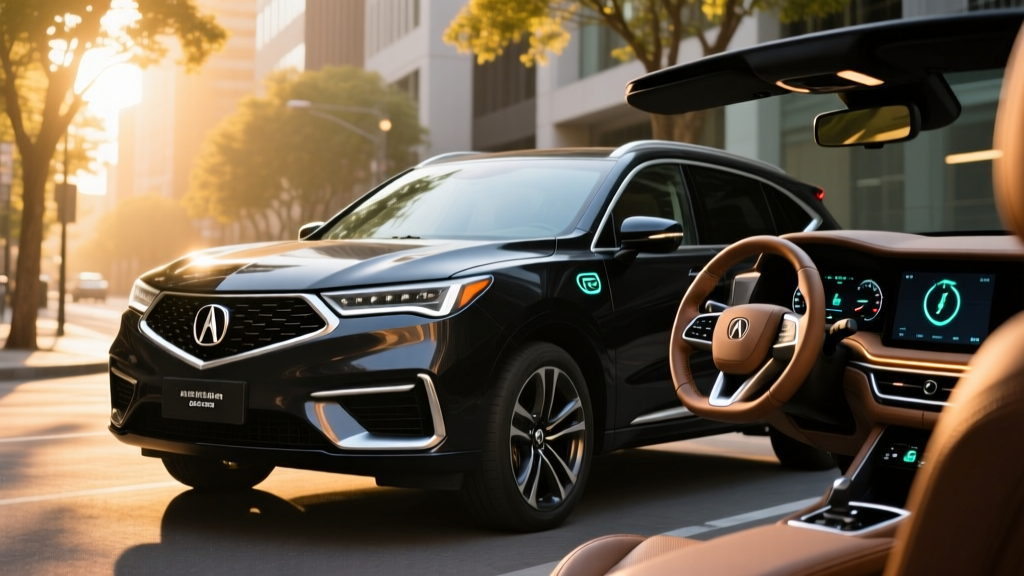
The Acura MDX Sport Hybrid pairs a 3.0-liter V6 with a three-motor Sport Hybrid SH-AWD system to deliver 325 combined horsepower and an EPA-estimated 28 MPG combined. It is a conventional hybrid (HEV) — meaning it requires no plug, no charging cable, and no lifestyle change from a gas-only SUV. For buyers who want the torque and traction benefits of electrification without range anxiety or charging logistics, the MDX Sport Hybrid occupies a compelling middle ground between a standard gas MDX and a full battery-electric luxury SUV.
This guide covers the powertrain specs, real-world fuel economy, battery longevity, pricing, tax-credit eligibility, and how the MDX Sport Hybrid stacks up against plug-in hybrid and full EV alternatives in the three-row luxury segment.
| Spec | Value |
|---|---|
| Powertrain | 3.0L V6 + 3-motor SH-AWD hybrid |
| Combined Horsepower | 325 HP |
| EPA MPG (City / Hwy / Combined) | 28 / 27 / 28 |
| Drivetrain | SH-AWD (torque-vectoring rear axle) |
| 0–60 mph | ~6.4 seconds |
| Seating | 7 passengers |
| Cargo (behind 3rd row) | 15.8 cu ft |
| Base MSRP (Sport Hybrid Tech) | ~$62,500 |
| Hybrid Battery Warranty | 8 years / 100,000 miles |
HEV vs PHEV vs EV: Where Does the MDX Sport Hybrid Fit?
Before diving into the numbers, it helps to be precise about what the MDX Sport Hybrid is — and what it is not.
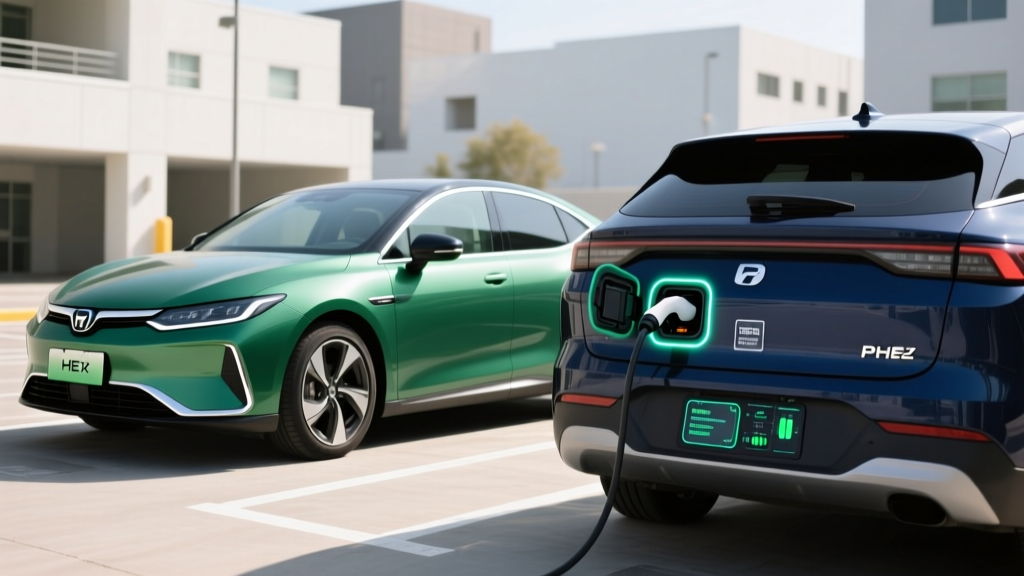
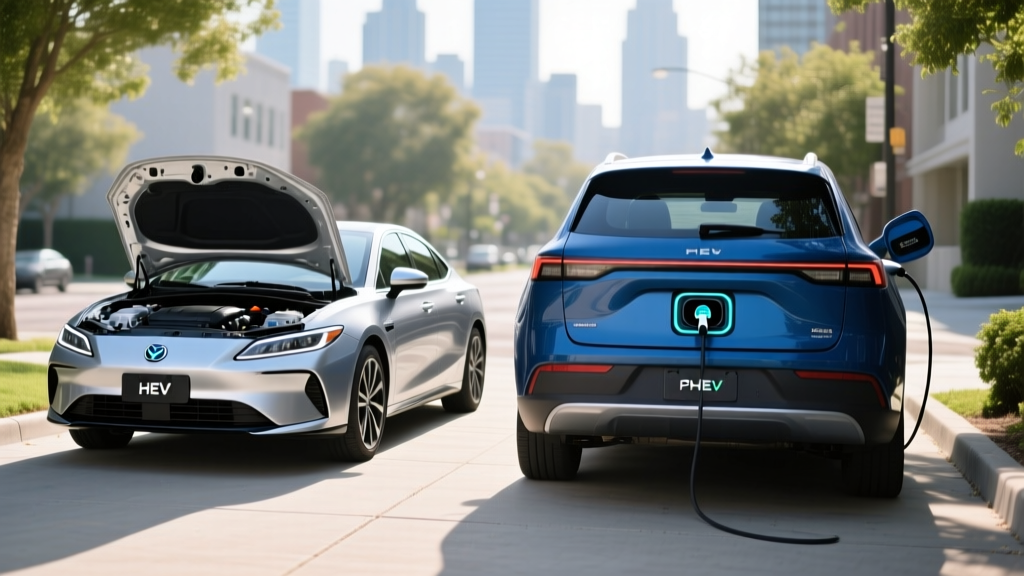
| Type | Plug Required? | Electric-Only Range | How It Works |
|---|---|---|---|
| HEV (Conventional Hybrid) | No | ~1 mile at low speed | Gas engine + small battery; regenerative braking recharges; no plug |
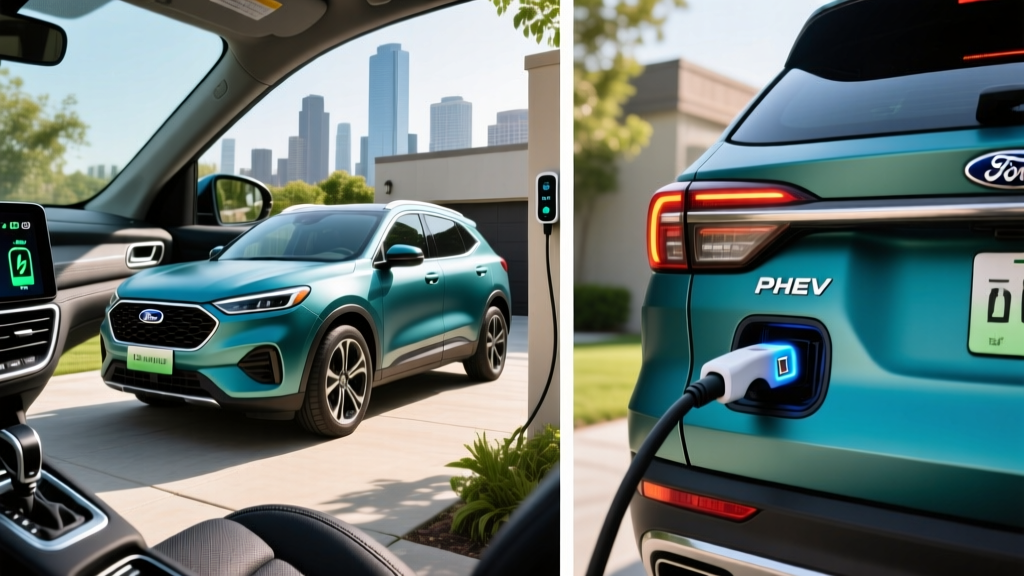
| PHEV (Plug-In Hybrid) | Yes (Level 1/2) | 20–45 miles typical | Larger battery (10–25 kWh); drives on electricity alone, then operates as hybrid |
| BEV (Battery Electric) | Yes (Level 2/DC) | 200–400+ miles | No gas engine; large battery (60–120+ kWh); fully electric |
The MDX Sport Hybrid is a conventional HEV. It has a small lithium-ion battery pack (approximately 1.3 kWh) that captures energy from regenerative braking and the V6 engine. That energy powers the twin rear-axle motors for instant torque delivery and enables low-speed electric-only crawling in stop-and-go traffic. You will never need to plug it in. You also will not get meaningful electric-only highway range — the battery is too small for that.
This matters because some shoppers confuse "Sport Hybrid" with a plug-in system. It is not. Acura does not currently offer a PHEV version of the MDX in the U.S. market. If you want 30+ miles of electric-only commuting before the gas engine kicks in, you would need to look at competitors like the BMW X5 xDrive50e or the Volvo XC90 Recharge — both PHEVs with larger battery packs.
Fuel Economy: EPA Estimates and Real-World MPG
The EPA rates the MDX Sport Hybrid at 28 MPG city, 27 MPG highway, and 28 MPG combined (source: fueleconomy.gov). That is a meaningful improvement over the standard gas-only MDX with SH-AWD, which returns 19 city / 25 highway / 21 combined.
| Model | City | Highway | Combined |
|---|---|---|---|
| MDX Sport Hybrid SH-AWD | 28 | 27 | 28 |
| MDX Gas SH-AWD (3.5L V6) | 19 | 25 | 21 |
| BMW X5 xDrive50e (PHEV, gas mode) | ~22 | ~24 | ~23 |
| Volvo XC90 Recharge (PHEV, gas mode) | ~26 | ~27 | ~27 |
Real-world expectations: Hybrid SUVs tend to overperform their EPA city rating because regenerative braking recovers more energy in stop-and-go driving. Owners on fuel-tracking platforms like Fuelly report combined averages between 26–30 MPG depending on driving style and climate. Highway-heavy commutes at 75+ mph will push fuel economy toward 25–26 MPG, where the electric motors contribute less and aerodynamic drag dominates. In cold weather (below 30°F), expect a 1–2 MPG drop as the engine runs longer to warm the cabin and the battery's charge/discharge efficiency decreases slightly.
The city MPG advantage over the gas MDX is significant — a 47% improvement (19 vs 28). If your commute is primarily urban or suburban with frequent stops, the hybrid powertrain pays for itself faster in fuel savings.
Powertrain Deep Dive: The Three-Motor SH-AWD System
Acura's Sport Hybrid SH-AWD (Super Handling All-Wheel Drive) is not a typical hybrid system. Here is how it works:
- Engine: 3.0-liter SOHC V6 producing 257 HP and 218 lb-ft of torque
- Front Motor: One electric motor integrated into the 7-speed dual-clutch transmission, adding 47 HP
- Rear Motors: Twin independent electric motors (one per rear wheel), producing a combined 72 HP and enabling true torque vectoring
- Combined Output: 325 HP
The twin rear motors are the standout feature. They can independently apply positive or negative torque to each rear wheel, which means the system can push the outside rear wheel harder in a corner for sharper turn-in, or apply regenerative braking to one side for stability. This is not just an efficiency play — it is a handling system that happens to be electrified.
The 7-speed dual-clutch automatic is paired with the front motor and eliminates the torque converter found in conventional automatics. Shifts are quick, though at very low speeds (parking lot maneuvering) the dual-clutch can feel slightly less smooth than a traditional torque-converter automatic. The electric motor fills in torque at low RPM where the V6 is still building boost, resulting in responsive off-the-line acceleration.
Pricing, Trims, and Tax Credit Eligibility
The MDX Sport Hybrid is offered in Tech and Advance trim levels:
- MDX Sport Hybrid Tech: ~$62,500 MSRP
- MDX Sport Hybrid Advance: ~$68,000 MSRP
Both trims include SH-AWD, leather seating, Acura's infotainment system with wireless Apple CarPlay/Android Auto, adaptive cruise control, and the full AcuraWatch suite of driver-assist features (collision mitigation braking, lane-keeping assist, road departure mitigation, and traffic sign recognition).
The Advance trim adds premium features: heated and ventilated front seats, heated steering wheel, surround-view camera, head-up display, and a premium ELS Studio audio system.
Federal Tax Credit: Does the MDX Sport Hybrid Qualify?
No. The MDX Sport Hybrid is a conventional HEV, not a plug-in vehicle. Under IRS §30D rules (source: irs.gov), only plug-in electric vehicles (PHEVs and BEVs) with sufficient battery capacity qualify for the federal clean vehicle credit. Conventional hybrids like the MDX Sport Hybrid are not eligible for the $7,500 federal EV tax credit or the up-to-$4,000 used EV credit.
Some states may offer minor incentives for hybrid purchases, but these vary widely by jurisdiction. Check your state's energy office or department of environmental quality for current programs.
Battery Longevity, Warranty, and Replacement Cost
Hybrid Battery Warranty: Acura covers the Sport Hybrid battery pack for 8 years or 100,000 miles (whichever comes first). In California Air Resources Board (CARB) states, the warranty extends to 10 years or 150,000 miles.
The MDX Sport Hybrid uses a lithium-ion battery pack positioned behind the second row. Unlike full EVs with 60–120 kWh packs, this battery is approximately 1.3 kWh — small enough that degradation has minimal impact on daily driving. The battery does not provide meaningful electric-only range; its job is to buffer energy for the rear motors and smooth torque delivery.
Real-world longevity: Honda/Acura hybrid systems have demonstrated strong durability. The three-motor system in the MDX (shared in concept with the NSX supercar, though scaled differently) has been in production since the 2017 model year. Owner reports and industry data suggest hybrid battery failure before 150,000 miles is uncommon. The battery is not stressed the way an EV traction battery is — it operates in a narrow state-of-charge window (roughly 40–60%), which dramatically reduces degradation.
Replacement cost: If the hybrid battery does fail outside warranty, replacement runs approximately $3,000–$5,000 including parts and labor at a dealership. Independent hybrid specialists may offer refurbished packs for $1,500–$2,500. Given the battery's small size and conservative charge management, most owners will never face this expense.
Who Should Buy the MDX Sport Hybrid (and Who Shouldn't)
Choose the MDX Sport Hybrid if:
- You want a three-row luxury SUV with better fuel economy but zero charging hassle
- Your commute is city/suburban-heavy where hybrid MPG gains are largest
- You value AWD traction and torque-vectoring handling in rain or light snow
- You don't have access to home charging (apartment, street parking) and a PHEV/BEV isn't practical
- You want 325 HP and responsive acceleration without stepping to a high-performance gas variant
Look elsewhere if:
- You want electric-only commuting — consider the BMW X5 xDrive50e (PHEV, ~38 miles EV range) or Volvo XC90 Recharge (PHEV, ~35 miles EV range)
- You want zero tailpipe emissions — a full BEV like the Rivian R1S, Tesla Model X, or upcoming electric three-row SUVs are the path
- You want the lowest possible fuel cost — even the hybrid MDX costs roughly $2,100/year in fuel at 15,000 miles; a BEV on home solar could drop that to $400–$600/year
- Budget is the primary concern — the gas MDX with SH-AWD starts ~$10,000 less and still delivers a strong luxury experience
Pros and Cons
Pros
- 7 MPG combined improvement over gas MDX (33% better)
- 325 HP with instant electric torque fill
- SH-AWD torque vectoring is a genuine handling advantage
- No plug required — zero infrastructure dependency
- 8-year/100,000-mile hybrid battery warranty (10/150k in CARB states)
- Strong reliability track record for Honda/Acura hybrid systems
Cons
- No electric-only highway range; this is not a PHEV
- No federal tax credit eligibility
- ~$10,000 premium over the gas MDX SH-AWD
- Dual-clutch transmission can feel slightly jerky at very low speeds
- Third row is tight for adults on long trips
- Cargo space slightly reduced vs gas MDX due to battery placement
Frequently Asked Questions
How many MPG does the Acura MDX Sport Hybrid get?
The EPA rates the MDX Sport Hybrid at 28 MPG city, 27 MPG highway, and 28 MPG combined. Real-world owners typically report 26–30 MPG combined depending on driving conditions. City and suburban driving yields the best results thanks to regenerative braking.
Is the MDX Sport Hybrid a plug-in hybrid?
No. The MDX Sport Hybrid is a conventional hybrid (HEV). It charges its small battery through regenerative braking and the gas engine. You never plug it in. Acura does not currently offer a PHEV version of the MDX in the United States.
How far can the MDX Sport Hybrid drive on electric only?
Effectively less than 1 mile, and only at very low speeds (under 15 mph in parking-lot or heavy-traffic conditions). The 1.3 kWh battery is not designed for sustained electric-only driving. It serves as a torque buffer for the rear motors and an energy recapture system.
Is the MDX Sport Hybrid reliable? What about battery replacement cost?
Honda/Acura hybrid systems have a strong reliability record. The hybrid battery is covered for 8 years/100,000 miles (10 years/150,000 miles in CARB states). Out-of-warranty replacement costs approximately $3,000–$5,000, though most owners will never need a replacement. The battery operates in a narrow charge window, which greatly extends its lifespan.
Does the MDX Sport Hybrid qualify for any federal tax credit?
No. The federal §30D clean vehicle credit applies only to plug-in electric vehicles (PHEVs and BEVs). Conventional hybrids are not eligible. Check your state's incentive programs, as some states offer rebates or reduced registration fees for hybrid vehicles.
How does the MDX Sport Hybrid compare to the gas MDX?
The Sport Hybrid delivers 325 HP vs 290 HP for the gas model, 28 MPG combined vs 21 MPG combined, and standard torque-vectoring SH-AWD. The trade-off is approximately $10,000 higher starting price and slightly reduced cargo space. For urban commuters, the fuel savings can offset the price premium over 5–7 years of ownership.
Should I buy the MDX Sport Hybrid or a full electric SUV?
It depends on your charging access and driving patterns. If you have reliable home Level 2 charging and your daily driving is under 250 miles, a BEV like the Rivian R1S or Tesla Model X offers dramatically lower fuel costs and zero tailpipe emissions. If you lack home charging, take frequent long road trips, or live in an area with limited public charging infrastructure, the MDX Sport Hybrid offers electrification benefits with zero range anxiety and no charging dependency.