Acura's electrified lineup for 2025 spans conventional hybrids, a plug-in hybrid, and a fully electric vehicle — a range of choices that can confuse even dedicated Honda/Acura followers. If you're searching for an Acura hybrid 2025 model, you're likely weighing the MDX's mild-hybrid efficiency, the Integra's sporty economy, or the ZDX's plug-in capability. This guide breaks down every electrified Acura you can buy today with exact EPA numbers, real-world expectations, pricing, and tax-credit realities.
Acura's 2025 Electrified Lineup at a Glance
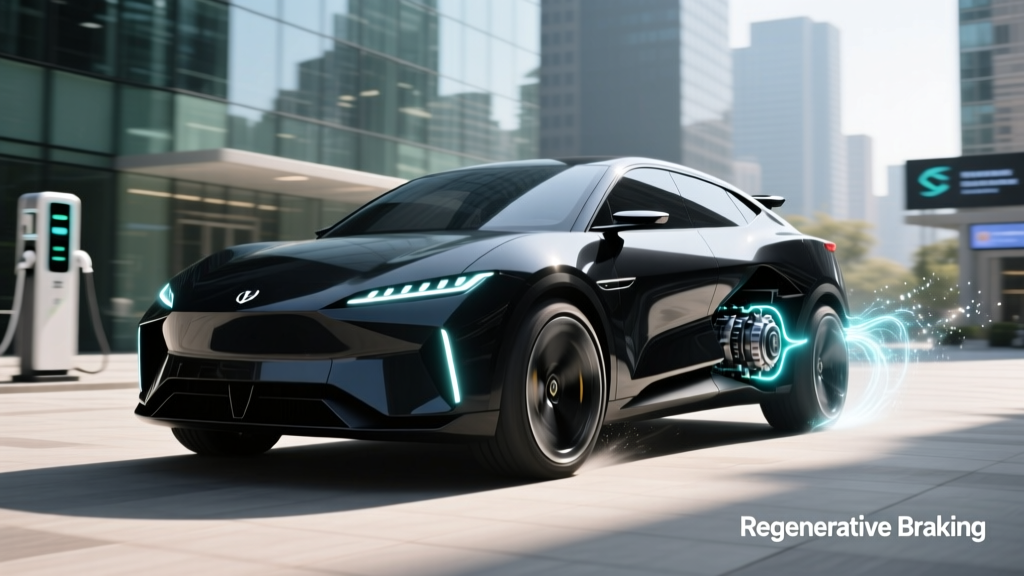
Before diving into individual models, it's critical to understand the distinction between Acura's electrified offerings. A conventional hybrid (HEV) generates its own electricity through regenerative braking and the gasoline engine — you never plug it in. A plug-in hybrid (PHEV) carries a larger battery you charge from a wall outlet or public charger, giving you a window of pure electric driving before the gas engine kicks in.
HEV vs. PHEV: Which Acura Approach Fits You?
| Feature | Conventional Hybrid (HEV) | Plug-In Hybrid (PHEV) |
|---|---|---|
| Plug in to charge? | No | Yes |
| Electric-only range | ~1 mile or less (low-speed assist) | 20–50+ miles (model dependent) |
| Battery size | 1–2 kWh | 13–25 kWh typical |
| Federal tax credit | None | Up to $7,500 (if eligible) |
| Best for | Drivers who want efficiency without lifestyle change | Drivers with home charging and short commutes |
2025 Acura MDX Hybrid: The Three-Row Efficiency Play
The 2025 Acura MDX continues to offer a hybrid variant in select trims, pairing Honda's proven two-motor hybrid system with the MDX's 3.5-liter V6 architecture. Unlike the high-output Type S, the hybrid prioritizes fuel economy in a segment where three-row SUVs still guzzle fuel.
| Spec | Value |
|---|---|
| Powertrain | 3.5L V6 + dual electric motors (hybrid system) |
| Combined Horsepower | ~321 hp (system net) |
| EPA MPG (City / Hwy / Combined) | 28 / 27 / 27 MPG |
| Drivetrain | SH-AWD (Sport Hybrid Super Handling All-Wheel Drive) |
| 0–60 mph | ~6.1 seconds |
| Base MSRP | ~$58,000 (Technology trim with hybrid) |
| Federal Tax Credit | Not eligible (conventional HEV) |
Real-World MPG: What to Actually Expect
The EPA rates the MDX hybrid at 27 MPG combined, but real-world results vary by driving style. In city driving with frequent stops, hybrid systems shine — expect to see 28–30 MPG because regenerative braking recaptures energy at every light. On the highway at 75+ mph, the advantage narrows: 25–26 MPG is typical, as aerodynamic drag dominates and the electric motors contribute less. In cold weather (below 30°F), expect a 5–10% drop as the engine runs more frequently to heat the cabin.
2025 Acura Integra: Sport Compact with Hybrid Efficiency
The Integra returned to Acura's lineup with enthusiast appeal, and the available hybrid variant targets drivers who want a manual-shift feel without sacrificing fuel economy. Honda's hybrid expertise — refined across the Civic and Accord platforms — translates directly here.
| Metric | EPA Estimate | Real-World Expectation |
|---|---|---|
| City MPG | 45 MPG | 42–48 MPG (hybrids excel in stop-and-go) |
| Highway MPG | 38 MPG | 35–40 MPG (depends on speed) |
| Combined MPG | 42 MPG | 39–44 MPG |
With a combined output near 200 hp from its 2.0L four-cylinder paired with an electric motor, the Integra hybrid delivers brisk acceleration while sipping fuel. The base MSRP sits around $38,000, positioning it against the Toyota Prius Prime and Hyundai Elantra Hybrid in the sporty-efficient segment. As a conventional HEV, it does not qualify for the federal §30D tax credit.
2025 Acura ZDX: The Plug-In Option (and Full Electric)
The Acura ZDX represents the brand's most ambitious electrification effort. For 2025, it's offered as a fully electric vehicle (BEV) built on GM's Ultium platform. However, Acura has signaled plug-in hybrid variants for future model years. If you're specifically seeking a 2025 Acura PHEV, the ZDX BEV is the current electrified flagship — and we'll cover the PHEV landscape below.
2025 Acura ZDX (BEV) Quick Specs
- Battery: ~102 kWh usable (NMC lithium-ion, Ultium platform)
- EPA Range: Up to 325 miles (RST AWD); 313 miles (Type S)
- Peak DC Fast Charge: 190 kW — 10–80% in ~28 minutes
- Level 2 Charging: 19.2 kW onboard charger (~5 hours 0–100%)
- 0–60 mph: 3.6 seconds (Type S AWD)
- Base MSRP: ~$65,850 (RST); ~$74,850 (Type S)
- Federal Tax Credit: Eligible for up to $7,500 under §30D (subject to income, sourcing, and MSRP caps — verify at IRS.gov)
For buyers specifically wanting a plug-in hybrid Acura with gas-engine backup, the current reality is that Acura's PHEV options remain limited in the U.S. market for 2025. Honda offers the Clarity PHEV (discontinued) and the CR-V Hybrid (HEV only in the U.S.), while Acura has focused its PHEV strategy on markets with stricter emissions mandates. If a PHEV is a must-have, you may need to cross-shop the BMW X5 xDrive50e or Volvo XC60 Recharge until Acura expands its plug-in offerings.
Hybrid vs. PHEV vs. Full EV: Which Acura Fits Your Life?
Choosing between Acura's electrified options comes down to three questions: Can you charge at home? How far is your daily commute? And how often do you take long road trips?
Choose the HEV (MDX or Integra Hybrid) If:
- You live in an apartment or lack home charging access
- You want better MPG with zero behavior change
- You take frequent road trips and don't want to plan charging stops
- Your budget doesn't accommodate a PHEV premium
Choose a PHEV (if/when available) If:
- You have a garage or driveway with a 120V or 240V outlet
- Your daily commute is under 30–40 miles round trip
- You want electric driving most days but gas flexibility for weekends
- You qualify for the federal tax credit (offsets the PHEV premium)
Choose the Full EV (ZDX) If:
- You can install a Level 2 home charger (240V)
- Your daily driving is under 250 miles
- You want the lowest per-mile fuel cost and minimal maintenance
- You want maximum tax credit benefits and performance
Battery Warranty, Reliability, and Replacement Costs
Hybrid battery longevity remains the top concern for first-time hybrid buyers. Here's what Acura (and parent company Honda) provides:
Acura Hybrid Battery Warranty Coverage
- Hybrid Battery Warranty: 8 years / 100,000 miles (10 years / 150,000 miles in CARB states including CA, NY, MA, and others)
- Capacity Threshold: Warranty covers defects and significant capacity loss — typically below 60–70% of original capacity
- Replacement Cost (out of warranty): $2,000–$4,500 for HEV battery packs; PHEV packs can run $6,000–$12,000 depending on kWh size
- Real-World Lifespan: Honda/Acura hybrid batteries routinely last 150,000–200,000+ miles based on fleet data from the Insight and Accord Hybrid
Source: Acura Owners warranty documentation and fueleconomy.gov
Honda's hybrid systems are among the most proven in the industry. The two-motor architecture used in Acura's hybrids has been deployed across millions of Honda vehicles globally since 2013. Unlike early-generation nickel-metal-hydride packs, modern lithium-ion hybrid batteries experience minimal degradation because they operate in a narrow state-of-charge window (typically 40–80%), which dramatically extends cycle life. The MDX hybrid's SH-AWD system uses the rear electric motors for torque vectoring rather than sustained propulsion, further reducing battery stress.
Reliability Track Record
Acura consistently ranks in the top third of J.D. Power and Consumer Reports reliability surveys. The hybrid powertrain itself adds complexity (electric motors, inverter, battery management system) but eliminates other failure points — there's no traditional alternator, starter motor, or accessory belt to replace. Regenerative braking also reduces wear on friction brake pads, with many hybrid owners reporting 80,000+ miles on original brake pads.
Pricing, Tax Credits, and Total Cost of Ownership
| Model | Base MSRP | Federal Tax Credit | Est. Annual Fuel Cost |
|---|---|---|---|
| Integra Hybrid | ~$38,000 | None (HEV) | ~$1,100 (12k mi/yr) |
| MDX Hybrid | ~$58,000 | None (HEV) | ~$1,900 (12k mi/yr) |
| ZDX RST (BEV) | ~$65,850 | Up to $7,500* | ~$650 (electric, 12k mi/yr) |
| ZDX Type S (BEV) | ~$74,850 | Up to $7,500* | ~$750 (electric, 12k mi/yr) |
*§30D tax credit eligibility depends on buyer income (AGI caps: $150K single, $300K joint), vehicle MSRP caps ($80K for SUVs/trucks, $55K for sedans), and battery critical-mineral sourcing requirements. Credit can be transferred to the dealer at point of sale for an instant price reduction. Verify current rules at IRS.gov.
5-Year Cost Snapshot: MDX Hybrid vs. MDX Gas vs. ZDX
Over five years and 60,000 miles, the MDX hybrid saves approximately $3,000–$4,000 in fuel compared to the gas-only MDX (rated at 21 MPG combined). The ZDX, despite its higher purchase price, can save $8,000–$10,000 in fuel over the same period when factoring in the federal tax credit and lower electricity costs versus premium gasoline. However, the ZDX carries higher insurance premiums (typically 15–25% more than the MDX) and potential home charging installation costs ($500–$2,000 for a Level 2 setup).
Pros and Cons: Acura's 2025 Hybrid Strategy
✓ Pros
- Proven Honda hybrid reliability with 8–10 year battery warranties
- MDX hybrid offers meaningful MPG gains in a three-row luxury SUV
- Integra hybrid delivers 42+ MPG in a sport-compact package
- SH-AWD hybrid system provides genuine performance benefits (torque vectoring)
- ZDX offers competitive EV range (325 mi) with GM Ultium backing
- No charging infrastructure required for HEV models
✗ Cons
- No PHEV option available in 2025 U.S. lineup (a gap vs. BMW, Volvo)
- HEV models ineligible for federal tax credits
- MDX hybrid commands a ~$5,000 premium over gas-only MDX
- ZDX BEV is heavy (~6,000 lbs) — efficiency drops at highway speeds
- Hybrid trims may have limited dealer availability
- Real-world highway MPG for MDX hybrid only marginally better than turbo-four rivals
Frequently Asked Questions
How many MPG does the 2025 Acura MDX Hybrid get?
The EPA rates the 2025 Acura MDX Hybrid at 28 city / 27 highway / 27 combined MPG. In real-world city driving with frequent stops, owners typically see 28–30 MPG. Highway cruising at 75 mph yields around 25–26 MPG. Cold weather and aggressive driving will reduce these figures by 5–10%.
Does the 2025 Acura Integra Hybrid get 40+ MPG?
Yes. The EPA rates the Integra Hybrid at approximately 45 city / 38 highway / 42 combined MPG. Because hybrid systems recapture energy during braking, city driving often matches or exceeds the EPA city estimate. Highway efficiency is lower but still strong for a sport-compact sedan.
Is there a plug-in hybrid Acura for 2025?
Not in the U.S. market for 2025. Acura's electrified lineup currently includes conventional hybrids (MDX, Integra) and the fully electric ZDX. Acura has not announced a U.S.-market PHEV for 2025. If you need plug-in capability with a luxury badge, consider the BMW X5 xDrive50e, Volvo XC60 Recharge, or Lexus NX 450h+.
How far can the Acura ZDX go on a full charge?
The 2025 Acura ZDX RST AWD achieves an EPA-estimated 325 miles of range. The performance-oriented Type S is rated at 313 miles. In real-world highway driving at 70+ mph, expect 270–290 miles. Cold weather (below freezing) can reduce range by 20–30%, bringing effective range down to 225–260 miles without preconditioning.
Does the Acura MDX Hybrid qualify for a tax credit?
No. The MDX Hybrid is a conventional hybrid (HEV), not a plug-in vehicle. The federal §30D New Clean Vehicle Credit applies only to plug-in electric vehicles (BEVs and PHEVs) with sufficient battery capacity. The fully electric Acura ZDX does qualify for up to $7,500, subject to buyer income caps, MSRP limits, and battery sourcing requirements.
Is the Acura hybrid battery reliable and expensive to replace?
Acura (Honda) hybrid batteries are among the most reliable in the industry, routinely lasting 150,000–200,000+ miles. The warranty covers 8 years/100,000 miles (10 years/150,000 miles in CARB states). Out-of-warranty replacement costs $2,000–$4,500 for HEV packs — far less than early hybrid-era concerns suggested. The battery operates in a narrow charge window to minimize degradation.
Hybrid vs. PHEV vs. EV — which Acura should I buy?
Choose the HEV (MDX or Integra Hybrid) if you can't charge at home and want simple efficiency gains. Choose a PHEV (when available) if you have home charging and a short commute — you'll drive electric most days with gas backup. Choose the full EV (ZDX) if you want the lowest running costs, can install a Level 2 charger, and your daily driving stays under 250 miles. Check fueleconomy.gov for side-by-side comparisons.
Sources: EPA fueleconomy.gov, Acura.com official specifications, IRS §30D Clean Vehicle Credit. Pricing and specifications reflect 2025 model year data available at time of publication. Always verify current tax credit eligibility with a tax professional.