Why the 2026 Civic Hybrid Dominates Lease Searches
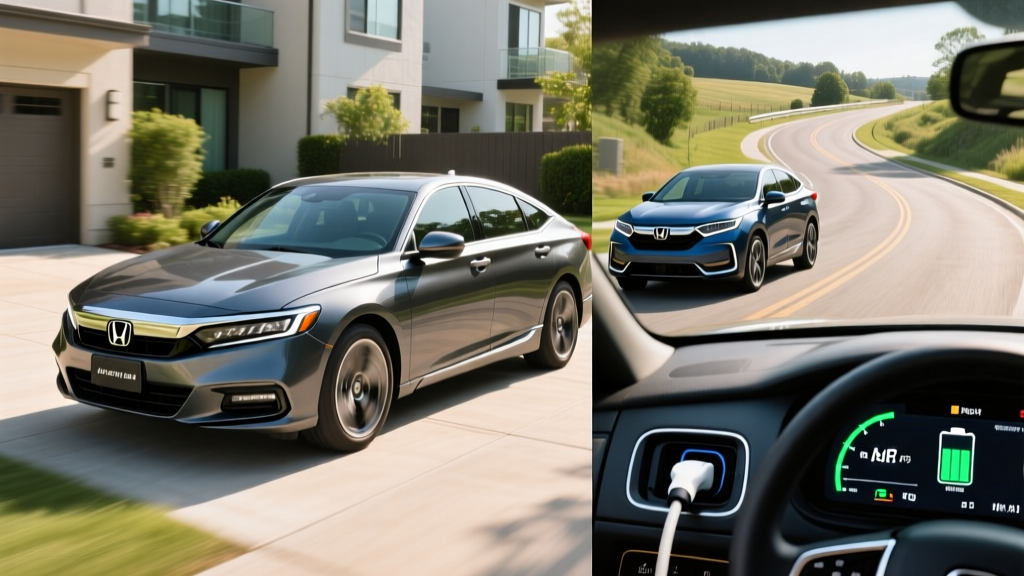
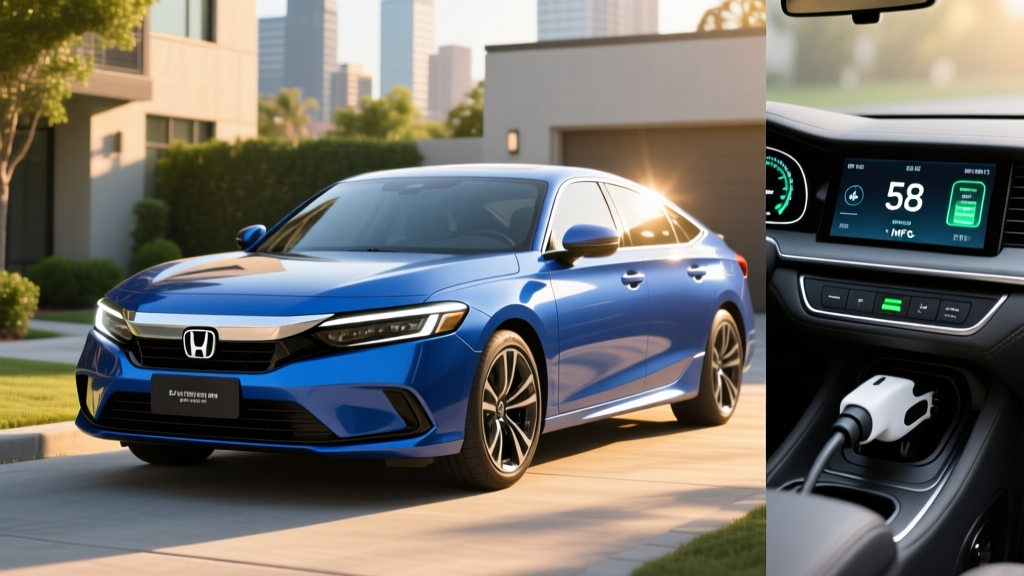
The 2026 Honda Civic Hybrid has become one of the most searched compact hybrids on the market, and for good reason. Honda paired its proven 2.0-liter Atkinson-cycle four-cylinder with a two-motor hybrid system to deliver an EPA-estimated 50 MPG combined — a figure that rivals the Toyota Prius while offering a more engaging drive. For buyers exploring a 2026 Honda Civic Hybrid lease, the combination of low monthly payments, minimal fuel costs, and zero plug-in requirements makes this sedan a pragmatic daily driver.
Before signing a lease agreement, you need to understand exactly what you're getting: the real-world fuel economy, what the hybrid battery warranty covers, how this HEV compares to PHEVs and full EVs, and whether any tax incentives apply. This guide covers every number that matters.
HEV vs PHEV: What the Civic Hybrid Actually Is
A common source of confusion in hybrid shopping is the distinction between a conventional hybrid (HEV) and a plug-in hybrid (PHEV). The 2026 Honda Civic Hybrid is a conventional hybrid (HEV). Here's what that means in practice:
| Feature | HEV (Civic Hybrid) | PHEV (e.g., Toyota Prius Prime) | BEV (e.g., Chevy Bolt) |
|---|---|---|---|
| Plug-in charging required? | No — self-charging via regen & engine | Yes — plug in for EV range | Yes — must plug in |
| Electric-only range | ~1 mile at low speed | 25–44 miles typical | 200–350+ miles |
| Total range | ~560 miles (full tank) | ~400–600 miles combined | 200–350 miles |
| Home charging needed? | No | Recommended (Level 2) | Essential (Level 2) |
| Federal tax credit (§30D) | Not eligible | Up to $7,500 if qualified | Up to $7,500 if qualified |
| Ideal for | No home charging access, long commutes | Short daily commute + road trips | Home charging + mostly under 250 mi/day |
The Civic Hybrid recovers energy through regenerative braking and its gasoline engine to charge a small lithium-ion battery pack. You never plug it in. If you need electric-only commuting, you'd look at a PHEV like the Prius Prime or a full EV — but you'll need reliable home or workplace charging access for either.
Fuel Economy: EPA Numbers and Real-World MPG
The headline number for the 2026 Civic Hybrid is its efficiency. Honda's two-motor e-CVT system prioritizes electric motor drive at low and moderate speeds, engaging the gasoline engine primarily for highway cruising and high-load situations.
| Driving Condition | EPA Estimate | Real-World Expectation |
|---|---|---|
| City | 50 MPG | 50–55 MPG (hybrids often exceed EPA in stop-and-go) |
| Highway | 47 MPG | 42–46 MPG (engine engages more at sustained speed) |
| Combined | 49 MPG | 46–52 MPG depending on driving mix |
Why city MPG often beats the sticker: Conventional hybrids shine in urban driving because regenerative braking recaptures kinetic energy at every stop, and the electric motor handles low-speed propulsion without burning fuel. On a 12-mile city commute with frequent stops, owners routinely report 52–55 MPG. Highway driving at 75+ MPH forces the gasoline engine to work harder against aerodynamic drag, reducing efficiency to the low-to-mid 40s.
Cold-weather impact: In sub-30°F conditions, expect a 5–10% MPG reduction. The engine runs longer to warm the cabin and catalytic converter, and battery efficiency drops slightly. This is far less severe than the 20–30% range loss full EVs experience in winter, making the Civic Hybrid a strong choice for cold-climate drivers who lack a garage.
According to fueleconomy.gov, the Civic Hybrid's combined 49 MPG translates to an estimated annual fuel cost of roughly $1,050 based on 15,000 miles/year at $3.50/gallon — approximately $600–$800 less per year than a comparable gasoline-only compact sedan.
Powertrain Specs: What Moves the Civic Hybrid
Honda's e:HEV two-motor hybrid system is fundamentally different from the single-motor assist systems found in older hybrids. Here's the full powertrain breakdown:
| Specification | 2026 Honda Civic Hybrid |
|---|---|
| Engine | 2.0L Atkinson-cycle 4-cylinder |
| Engine output | 146 HP / 134 lb-ft torque |
| Electric motors | Two-motor system (propulsion + generator) |
| Combined system output | 200 HP / 232 lb-ft torque |
| Transmission | e-CVT (direct-drive with lock-up clutch) |
| Drivetrain | Front-wheel drive |
| 0–60 MPH | ~7.2 seconds (est.) |
| Battery type | Lithium-ion (small capacity, self-charging) |
| Drive modes | Normal, Econ, Sport, Individual |
The two-motor setup means the Civic Hybrid drives like an EV in most city conditions — the propulsion motor delivers instant torque while the gasoline engine spins the generator motor to produce electricity. Only at highway speeds does a lock-up clutch mechanically connect the engine to the wheels for efficiency. This architecture gives the Civic Hybrid a smoother, more responsive feel than traditional belt-driven hybrid systems.
At 200 combined horsepower, the Civic Hybrid outmuscles most compact hybrid competitors. The Toyota Prius delivers 196 HP in its AWD variant, while the Hyundai Elantra Hybrid produces 139 HP. The Civic's Sport mode sharpens throttle response and makes highway merging effortless — a meaningful advantage for drivers who find most hybrids underpowered.
2026 Civic Hybrid Pricing, Lease Deals, and Tax Credits
The 2026 Civic Hybrid is available in Sport and Sport Touring trims, with pricing that positions it as a value leader in the hybrid compact segment.
| Trim | MSRP | Typical Lease (36 mo / 12K mi/yr) |
|---|---|---|
| Sport Hybrid | $30,550 | $329–$379/month (est. with $2,500 down) |
| Sport Touring Hybrid | $33,550 | $369–$419/month (est. with $2,500 down) |
Lease pricing varies significantly by region, dealer, and current Honda incentives. Honda frequently offers loyalty cash and graduate programs that can reduce the effective capitalized cost by $500–$1,500. Always negotiate the capitalized cost (the effective purchase price in the lease), not just the monthly payment — a lower cap cost reduces your payment and protects you if you need to exit the lease early.
Federal Tax Credit Eligibility
The 2026 Honda Civic Hybrid does not qualify for the federal §30D Clean Vehicle Credit. Under current IRS rules, the §30D credit applies only to plug-in electric vehicles (PHEVs and BEVs) with a battery capacity of at least 7 kWh. Conventional hybrids like the Civic Hybrid have a much smaller battery and no plug-in capability.
Some states and municipalities offer separate incentives for hybrid purchases or leases — check your state energy office or AFDC state incentive database for local programs.
Battery Warranty, Reliability, and Long-Term Costs
Hybrid battery longevity is the single most common concern among first-time hybrid buyers. Here's what Honda covers and what the data shows:
| Coverage | Term |
|---|---|
| Hybrid battery warranty | 8 years / 100,000 miles (10 years / 150,000 miles in CARB states) |
| Hybrid system components | 8 years / 100,000 miles |
| Powertrain warranty | 5 years / 60,000 miles |
| Bumper-to-bumper | 3 years / 36,000 miles |
Battery replacement cost: If the hybrid battery fails outside of warranty, replacement runs approximately $2,000–$4,000 including labor at a Honda dealer. However, real-world failure data is strongly encouraging. Honda's hybrid systems have proven highly durable — the brand's earlier IMA and i-MMD systems routinely surpass 150,000 miles with minimal degradation. The small lithium-ion pack in the Civic Hybrid undergoes shallow charge cycles (it never fully charges or fully depletes), which dramatically extends cell life compared to full EV batteries that cycle through deeper ranges.
For lessees: A typical 36-month lease at 12,000 miles/year puts you at 36,000 miles — well within the 8-year/100,000-mile hybrid battery warranty. Battery degradation or failure during a lease term is Honda's financial responsibility, not yours. This is one area where leasing a hybrid eliminates nearly all long-term battery risk.
Reliability outlook: Honda's hybrid powertrain carries a strong reliability record. The e:HEV system has fewer moving parts than a conventional automatic transmission (no torque converter, no multi-gear shifting mechanism), and the regenerative braking system reduces wear on friction brake pads — many Civic Hybrid owners report original brake pads at 60,000+ miles.
Civic Hybrid vs PHEV vs Full EV: Which Should You Lease?
The right electrified vehicle depends on your charging access, commute distance, and daily driving pattern. Here's a practical decision framework:
Choose the Civic Hybrid (HEV) if:
- You don't have access to home or workplace Level 2 charging
- You want maximum simplicity — no plugs, no charging apps, no range planning
- Your commute involves mixed city/highway driving over 40+ miles daily
- You take regular road trips and don't want to plan around charging stops
- You want lower monthly lease payments than most EVs
Choose a PHEV (e.g., Prius Prime) if:
- You can install a Level 2 charger at home
- Your daily commute is under 40 miles round-trip (covers most PHEV EV range)
- You want electric-only commuting but need gas flexibility for road trips
- You qualify for the federal §30D tax credit (income and sourcing rules apply)
Choose a full EV (e.g., Chevy Equinox EV, Tesla Model 3) if:
- You have reliable home Level 2 charging
- Your daily driving is under 200 miles and you can plan road-trip charging
- You want zero tailpipe emissions and minimal maintenance
- You qualify for the full $7,500 federal credit, bringing EV pricing close to hybrid
For the specific case of a 2026 Honda Civic Hybrid lease, the HEV path makes the most sense for apartment dwellers, street parkers, and drivers in areas with sparse public charging infrastructure. You get 49 MPG combined without changing a single habit — just fill up at any gas station and go.
Pros, Cons, and the Lease Verdict
Pros
- 49 MPG combined EPA — among the best in the compact segment
- 200 HP system output — responsive and confident for a hybrid
- No plug-in charging required — zero lifestyle adjustment
- 8-year/100,000-mile hybrid battery warranty (10/150K in CARB states)
- Strong real-world city MPG — often exceeds EPA in stop-and-go
- Competitive lease pricing under $400/month with incentives
- Excellent regenerative braking extends brake pad life
Cons
- Not eligible for federal §30D tax credit (HEV limitation)
- No electric-only driving mode for meaningful distances
- FWD only — no AWD option (Prius offers AWD)
- Highway MPG drops to low 40s at 75+ MPH
- Cargo space slightly reduced vs. gas Civic (battery placement)
- Lease means no equity — you return the car or buy at residual
Frequently Asked Questions
How many MPG does the 2026 Honda Civic Hybrid get?
The EPA rates the 2026 Civic Hybrid at 50 MPG city, 47 MPG highway, and 49 MPG combined. In real-world city driving with frequent stops, many owners see 52–55 MPG thanks to aggressive regenerative braking. Highway driving at higher speeds typically returns 42–46 MPG.
Does the Civic Hybrid need to be plugged in?
No. The 2026 Civic Hybrid is a conventional hybrid (HEV) that charges its battery through regenerative braking and the gasoline engine. There is no plug and no electric-only range to manage. You fuel it at any gas station like a standard car.
How far can the Civic Hybrid go on electric only?
Less than one mile at very low speeds. The Civic Hybrid's battery is small and designed for assist, not propulsion. If you need meaningful electric-only range (25–44 miles), you'd need a plug-in hybrid like the Toyota Prius Prime or a full battery electric vehicle.
Is the 2026 Civic Hybrid reliable, and what does a battery replacement cost?
Honda's hybrid systems carry a strong reliability record, and the e:HEV two-motor design has fewer wear components than a conventional automatic transmission. The hybrid battery is warranted for 8 years/100,000 miles (10 years/150,000 miles in CARB states). Out-of-warranty battery replacement costs approximately $2,000–$4,000. For lessees on a 36-month term, battery risk is essentially zero — you'll be well within warranty coverage.
Does the 2026 Civic Hybrid qualify for any tax credit?
The Civic Hybrid does not qualify for the federal §30D Clean Vehicle Credit, which requires plug-in capability and a minimum 7 kWh battery. However, some states and utilities offer separate incentives for hybrid vehicles. Check your state energy office or the AFDC database for local programs. Tax rules are subject to change — consult a tax professional for personal eligibility.
What's the typical lease payment for a 2026 Civic Hybrid?
Based on current market data, expect $329–$379/month for the Sport Hybrid trim and $369–$419/month for the Sport Touring Hybrid on a 36-month lease with 12,000 miles/year and approximately $2,500 due at signing. Honda loyalty and graduate incentives can reduce these figures. Always negotiate the capitalized cost, not just the monthly payment.
Should I lease the Civic Hybrid or buy a full EV instead?
If you have home Level 2 charging and drive under 200 miles daily, a full EV like the Chevy Equinox EV or Tesla Model 3 (with potential $7,500 federal credit) may offer lower fuel and maintenance costs. If you lack charging access, drive long distances regularly, or want zero lifestyle adjustment, the Civic Hybrid's 49 MPG and simplicity make it the stronger choice.